
A 6-layer shoe rack can be a highly efficient storage solution, but whether it provides enough capacity depends entirely on your household size, the types of footwear you own, and your available floor space. For a single professional or a couple, a 6-layer organizer typically offers more than enough room to keep daily footwear organized and off the floor. However, for larger families or avid shoe collectors, a single unit might quickly overflow, requiring you to look into alternative configurations or supplementary storage systems.
In tropical climates like the Philippines, shoe storage requires careful planning. High humidity and sudden downpours mean footwear must be stored in a way that promotes air circulation to prevent mold, mildew, and unpleasant odors. Before purchasing a 6 layers shoe rack organizer, evaluating your household’s specific habits, measuring your physical space, and understanding how different shoe styles affect actual shelf capacity will ensure you choose the right storage setup.
Assessing Your Household's Shoe Capacity Needs
Determining if a 6-layer shoe rack is sufficient begins with a realistic audit of your household’s footwear. Start by gathering all the shoes currently in use and dividing them into two distinct categories: everyday wear and seasonal or occasional footwear. Everyday items like school shoes, office heels, and casual sneakers need to be easily accessible near the entryway, while formal shoes, hiking boots, or holiday footwear can often be relegated to long-term storage elsewhere.
Products mentioned in this guide
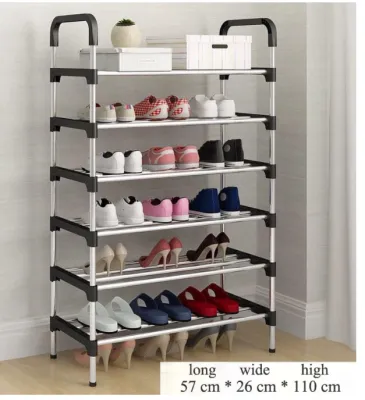
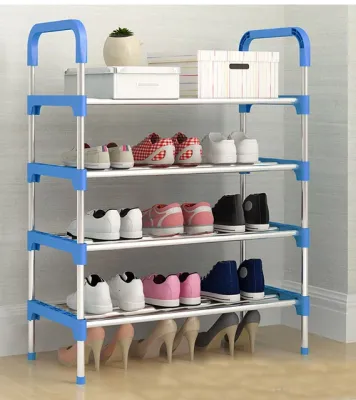
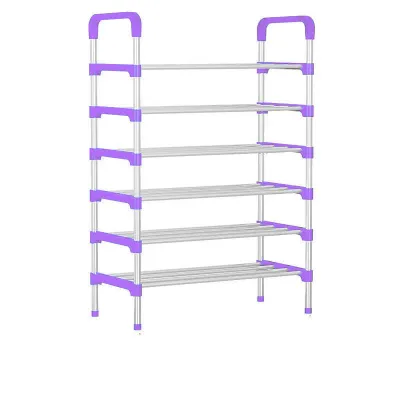
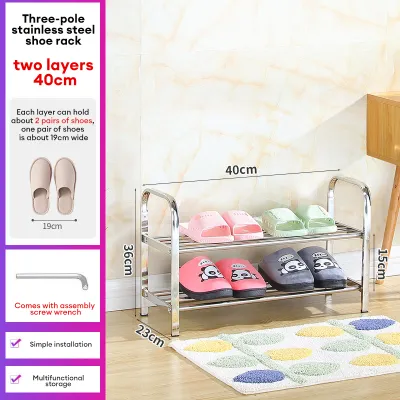
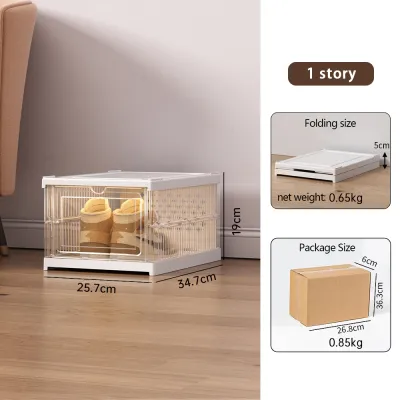
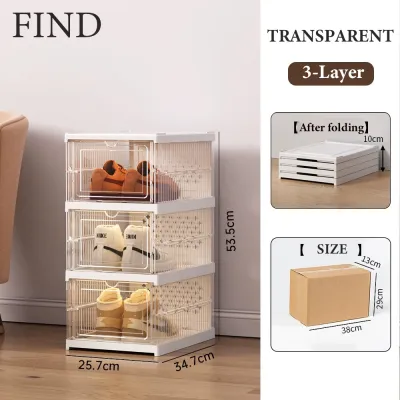
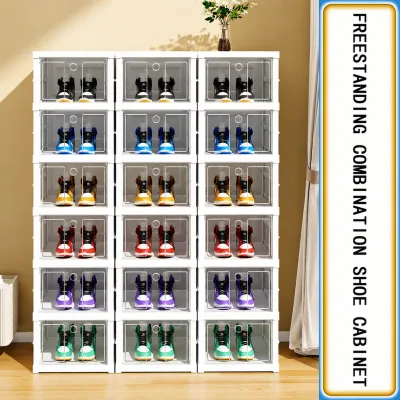
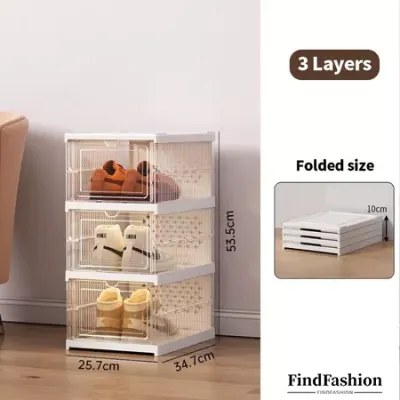
Prices are valid at publication and may change. Please refer to the product page for the latest price.
Next, consider the number of people in your home and their respective shoe sizes. A household of four adults will have vastly different spatial requirements than a family with young children. Larger adult shoes not only take up more horizontal space on a shelf, but they also require more vertical clearance and depth. If multiple family members wear larger sizes, you may find that fewer pairs fit on each shelf than the manufacturer’s maximum estimate suggests.
Bulky footwear also plays a major role in your capacity calculations. High-top sneakers, thick-soled running shoes, and boots consume significantly more physical space than flat sandals, slippers, or canvas slip-ons. If your collection consists mostly of lightweight, low-profile footwear, you can maximize the rack’s capacity. Conversely, if your family frequently wears bulky athletic shoes or structured work boots, these items will quickly limit the number of pairs you can store side-by-side.
Finally, factor in the local climate when assessing your needs. In humid environments, packing shoes too tightly together restricts airflow, which can damage delicate materials like leather and suede. To maintain the quality of your footwear, you must plan for open space between each pair. This means your target capacity should always be slightly lower than the absolute maximum physical limit of the rack to allow for proper ventilation.
Understanding the Real Capacity of a 6-Layer Shoe Rack
When shopping for a 6 layers shoe rack organizer, it is essential to look beyond generic capacity claims. Manufacturers often advertise maximum capacities based on small, narrow footwear or children’s shoes. To find the real-world capacity, you must check the specific product dimensions, particularly the total width of the shelves, and compare them against the width of your own shoes.

To do this, lay out a few pairs of your most commonly worn shoes side-by-side on the floor and measure the total width they occupy. If a single shelf on the rack is 60 centimeters wide, and three pairs of your office shoes require 70 centimeters of space, you will only be able to fit two pairs on that shelf comfortably. Multiplying this realistic number by the six available layers will give you a much more accurate estimate of the rack’s true capacity for your household.
Vertical clearance is another critical specification to verify before buying. Standard 6-layer racks often feature fixed heights between shelves, which may range from 15 to 20 centimeters. While this height is perfectly adequate for flats, sandals, and standard sneakers, it will not accommodate high heels, ankle boots, or high-top basketball shoes. If you attempt to force taller shoes into these tight spaces, you risk bending the shoe collars or scuffing the materials.
Weight limits are equally important, especially if you plan to store heavy work boots or leather dress shoes. Check the manufacturer’s specifications for the maximum weight capacity per shelf and for the entire unit. Overloading a lightweight plastic or thin metal tube rack can cause the shelves to sag over time, compromising the structural integrity of the organizer and potentially leading to a collapse.
Measuring Your Space for a 6-Layer Organizer
Before finalizing your purchase, you must verify that the physical footprint of a 6-layer rack fits your intended location. Start by measuring the available floor width and depth in your entryway, hallway, or closet. Be sure to account for clearance space around the rack; it should not block walking pathways, prevent nearby doors from opening fully, or obstruct access to adjacent cabinets and wardrobe systems.
Because 6-layer organizers utilize vertical space, checking the total assembled height is crucial. Measure from the floor upward to ensure the top of the rack does not interfere with light switches, wall outlets, thermostats, or wall-mounted decor. If you plan to place the rack inside a built-in wardrobe or under a hanging clothes rod, verify that there is enough vertical clearance remaining for your hanging garments to hang freely without bunching up on top of the rack.
Floor leveling and stability are vital safety considerations, particularly for taller, narrower furniture pieces. Inspect the floor surface where the rack will stand. Uneven floor tiles, thick rugs, or baseboard protrusions can cause a tall organizer to wobble. If your home has high-traffic entryways, active pets, or young children, a wobbly rack poses a serious tipping hazard that must be addressed during installation.
To ensure long-term safety, look for models that include adjustable leveling feet to compensate for uneven floors. Additionally, plan to secure the unit to the wall if it stands particularly tall or lightweight. Many manufacturers provide wall-anchoring brackets or anti-tip straps; verifying these safety features in the product description before buying will give you peace of mind once the unit is assembled.
When to Choose a 6-Layer Rack vs. Alternative Storage Solutions
A 6-layer shoe rack is an excellent choice if you have limited floor space but plenty of vertical wall real estate. It is ideal for households with a moderate collection of low-profile shoes, such as sandals, flats, and standard sneakers. If your spatial assessment shows that the rack fits comfortably in your entryway without blocking traffic, and the calculated capacity matches your daily footwear needs, proceeding with a 6-layer model is a practical decision.
However, there are scenarios where alternative configurations are much safer and more functional. If you have a wide hallway but low windows or hanging rods, stacking two smaller 3-layer racks side-by-side is often a better choice. This horizontal layout keeps the center of gravity low, reducing the risk of tipping while providing the exact same storage capacity as a single 6-layer unit.
For households with extensive shoe collections that far exceed the capacity of a single entryway organizer, a multi-tiered system is highly recommended. Instead of forcing all your footwear onto one crowded rack, use a 6-layer organizer in the entryway strictly for daily-wear items. You can then transition seasonal, formal, or occasional shoes to wardrobe-adjacent storage, over-the-door organizers, or breathable under-bed storage boxes.
Ultimately, the right choice depends on balancing your storage volume with your home’s layout. By treating your shoe storage as a tiered system—keeping daily essentials at the door and specialty footwear tucked away in closets—you can maintain an organized, clutter-free home while protecting your investment in your footwear.
Frequently Asked Questions (FAQ)
Can I adjust the height between the layers of a 6-layer shoe rack?
Whether you can adjust the shelf height depends entirely on the specific model and materials of the rack. Many modular plastic, wooden, or metal tube designs allow you to omit one or more shelves during assembly to create taller compartments for boots and high heels. Before purchasing, check the product labels and assembly instructions to confirm if the shelves are adjustable or removable, keeping in mind that removing a layer will reduce the overall pair capacity of the unit.
How do I prevent a tall 6-layer shoe rack from tipping over?
To stabilize a tall, freestanding shoe organizer, always check the manufacturer’s instructions for included wall-anchoring kits, L-brackets, or anti-tip straps, and install them securely to the wall. Additionally, practice smart weight distribution by placing your heaviest footwear, such as work boots, heavy sneakers, and leather dress shoes, on the bottom shelves. This lowers the unit’s center of gravity, significantly improving stability and reducing the risk of accidental tipping in high-traffic areas.

Community discussion
Share your experience or ask a question. Comments are reviewed before publication.