
Finding the right balance between a productive work environment and a comfortable living space is a major challenge of working from home. If you constantly shift your laptop from the dining table to the sofa, a foldable table trolley might seem like the ultimate space-saving savior. This mobile, collapsible furniture piece promises a dedicated workstation when you need it, vanishing into a closet or corner when your shift ends.
However, before buying, evaluate whether this mobile solution aligns with your physical space, daily workflow, and ergonomic needs. While a trolley offers unmatched flexibility for light-duty tasks, it may not provide the stability or surface area required for more demanding setups. Understanding these practical trade-offs will help you decide if a foldable table trolley is a smart investment for your home office.
Signs Your Current WFH Setup Needs More Flexibility
Many remote professionals begin working from home at the dining table or kitchen counter. Over time, the friction of sharing these communal spaces becomes a daily source of stress. Without a dedicated spare room, your work materials inevitably spill over into shared living areas, making it difficult to disconnect from your job at the end of the day.
Products mentioned in this guide
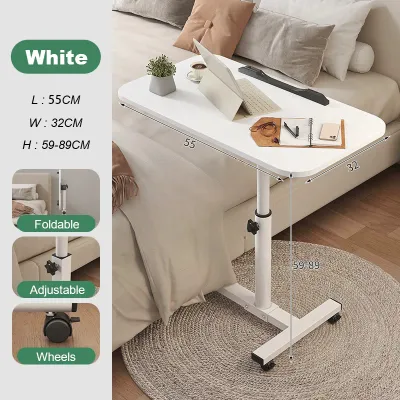
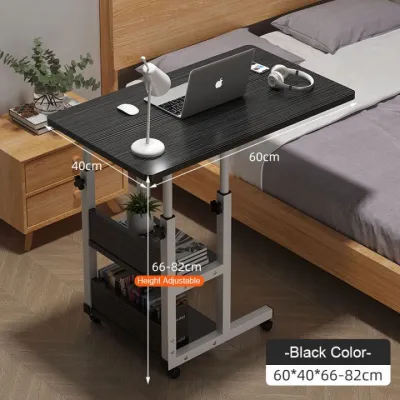
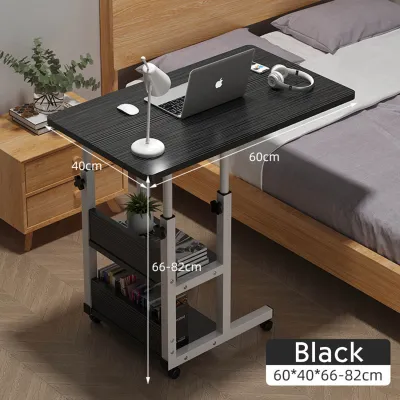
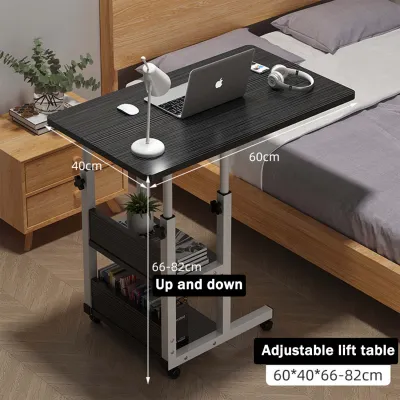
Prices are valid at publication and may change. Please refer to the product page for the latest price.
Physical discomfort is another clear indicator that your setup is failing you. Dining chairs and kitchen stools are rarely designed for eight-hour workdays, and standard table heights often force your wrists and neck into awkward, non-ergonomic angles. If you find yourself constantly shifting positions or dealing with persistent back stiffness, your body is signaling the need for a more adaptable surface.
Finally, consider the daily chore of setting up and packing away your workstation. If you spend fifteen minutes every morning untangling power cords and organizing notebooks, only to reverse the process before dinner, you are losing valuable time. A mobile desk solution allows you to transition from work mode to living mode in seconds, preserving both your productivity and your household’s peace.
When a Foldable Table Trolley Fits Your Lifestyle
A foldable table trolley is engineered for high-density living environments, such as compact apartments or studio units where floor space is at a premium. In these layouts, every square meter must serve multiple purposes. A trolley excels because it can be unfolded for a morning of focused work, rolled out of the way during lunch, and folded flat to slide under a bed or stand behind a door once the weekend arrives.

This setup is also ideal for dynamic households where you need to move your workspace throughout the day. In tropical climates like the Philippines, you might want to position your desk near a window to catch a morning breeze, move closer to an air conditioning unit during the sweltering afternoon heat, or relocate to a quieter room to escape household noise. The built-in wheels allow you to transport your entire active workstation without lifting heavy furniture.
Furthermore, a trolley is perfectly suited for modern, light-duty digital workflows. If your daily tasks are limited to a single laptop, a tablet, and a notebook, you do not need a massive, stationary desk. The compact footprint of a mobile trolley provides just enough surface area for these essentials, encouraging a minimalist, clutter-free approach to your daily tasks.
When to Choose a Fixed Desk Instead
Despite their convenience, foldable table trolleys are not a universal solution. If your job requires a complex hardware setup, a mobile trolley will quickly reveal its limitations. Multi-monitor configurations, heavy desktop computer towers, and bulky accessories exceed the physical surface area and weight capacities of most collapsible frames, making a sturdy, fixed desk a necessity.
Stability is another critical factor. Because foldable trolleys rely on hinges, joints, and wheels to achieve portability, they inherently possess more structural play than a solid, four-legged wooden or steel desk. If your work involves tasks that require high physical stability—such as precise hand-drafting, heavy mechanical typing, or using a large digital drawing tablet—the minor vibrations of a wheeled trolley can become highly distracting.
Additionally, if you have a permanent, dedicated home office room, the space-saving benefits of a trolley are largely wasted. In a dedicated room, a fixed desk allows you to establish a permanent ergonomic layout, complete with integrated cable management, monitor arms, and under-desk storage. This eliminates the need for daily setup and provides a more robust, durable platform for long-term professional use.
What to Check Before Buying a Foldable Table Trolley
Before purchasing a foldable table trolley from an online marketplace, perform a few essential checks to ensure it fits your home and your body. First, measure your available space carefully. Check the manufacturer’s listed dimensions for both the fully expanded and completely folded states. Ensure the trolley can easily roll through your doorways, fit inside your home’s elevator if you live in a high-rise building, and slide into your designated storage gap when folded.
Next, verify the manufacturer’s stated weight capacity label. Calculate the total weight of your laptop, external keyboard, mouse, and any small desk accessories you plan to use. Operating a trolley near or over its weight limit compromises its structural integrity, increases the risk of tipping, and makes the unit much harder to steer across the room.
Pay close attention to the wheel design and base stability. Look for models featuring heavy-duty casters with reliable, independent locking mechanisms on at least two of the wheels to keep the desk firmly in place while you type. The base of the trolley should be wide and low to the ground; a narrow base combined with a high center of gravity creates a severe tip-over hazard, especially when rolling over minor floor transitions.
Finally, evaluate the surface materials and edge finishing. In humid environments, cheap particle board can swell or warp if exposed to condensation from cold drinks or high ambient moisture. Look for trolleys with moisture-resistant finishes, such as high-pressure laminates or sealed medium-density fiberboard (MDF). Smooth, rounded edge profiles are also crucial, as sharp plastic banding can pinch your forearms and cause discomfort during long typing sessions.
Other Space-Saving Desk Alternatives
If a foldable table trolley does not quite match your workflow, several other compact desk designs can help you optimize a small home office. A wall-mounted drop-leaf table is an excellent alternative for ultra-tight spaces. These desks mount directly to your wall studs and fold completely flat against the wall when not in use, leaving your floor space entirely clear.
For those who need permanent organization but have limited floor area, a compact fixed desk with integrated vertical storage is a smart choice. These desks feature built-in shelving units that extend upward rather than outward, allowing you to store books, files, and decorative items without expanding the desk’s physical footprint.
If you already own a sturdy dining table but want to improve your posture, consider a portable standing desk converter. These compact units sit directly on top of your existing table, allowing you to transition between sitting and standing throughout the day without requiring a dedicated piece of mobile furniture.
Frequently Asked Questions (FAQ)
Can I use a foldable table trolley on carpeted floors?
Yes, but the ease of movement depends heavily on the type of wheels installed on your trolley. Standard hard plastic casters struggle on thick, plush carpets, making the desk difficult to push and potentially damaging the carpet fibers over time. If your home has carpeted flooring, check the manufacturer’s specifications to see if the wheels are rated for carpet use, or look for a model equipped with larger, soft rubber wheels. Alternatively, placing a low-profile plastic chair mat over your carpeted work area can provide a smooth, stable surface for rolling and locking the trolley.
How do I maintain the folding joints and wheels?
Regular maintenance is essential to keep your foldable table trolley operating safely and smoothly. Periodically perform a visual inspection of all hinges, locking pins, and structural joints, tightening any screws that may have loosened from daily folding and unfolding. Wheels are prone to collecting hair, dust, and floor debris, which can jam the bearings and scratch your hard floors; clean the casters regularly with a damp cloth and remove any tangled fibers. If the folding mechanisms or wheel axles begin to squeak or feel stiff, consult the manufacturer’s care instructions to see if a light application of a dry silicone lubricant is recommended.

Community discussion
Share your experience or ask a question. Comments are reviewed before publication.