
Natural latex mattresses, particularly those sourced from Thailand’s rubber plantations, are an exceptional choice for the humid Philippine climate. Unlike synthetic foams that trap heat and moisture, natural latex features an inherent open-cell structure that allows air to circulate freely. This natural breathability is crucial in a tropical environment where high relative humidity and warm temperatures can easily compromise sleep quality. However, while latex offers excellent performance, its success in your bedroom depends heavily on selecting the right specifications and maintaining proper care.
In the Philippines, where humidity levels frequently exceed 80 percent, choosing the wrong mattress material can lead to restless nights and premature product failure. Traditional memory foam often softens excessively and traps body heat, creating a hot, uncomfortable sleeping surface. Natural latex, by contrast, maintains its supportive, resilient feel regardless of ambient temperature. By understanding how this material interacts with tropical conditions, you can make an informed decision that balances comfort, hygiene, and long-term durability.
How High Humidity and Heat Affect Your Sleep Environment
High humidity and heat create a challenging environment for both sleep quality and mattress longevity. When you sleep, your body naturally releases moisture through sweat and respiration to regulate its internal temperature. In a highly humid climate, this moisture cannot evaporate quickly from your skin or the mattress surface, leading to a sticky, uncomfortable microclimate in your bed.
Products mentioned in this guide
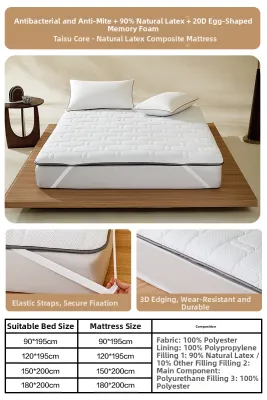
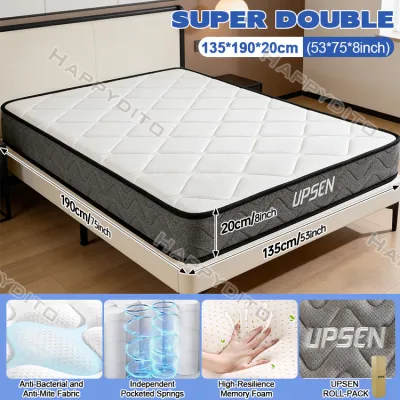
Prices are valid at publication and may change. Please refer to the product page for the latest price.
If a mattress lacks adequate breathability, this moisture becomes trapped within its comfort layers. Over time, trapped humidity compromises the structural integrity of synthetic foams, causing them to sag and lose their supportive qualities. Furthermore, the combination of warmth, moisture, and organic matter like dead skin cells creates an ideal breeding ground for dust mites, mold, and mildew. This not only ruins the mattress but can also trigger respiratory issues and allergies, making a breathable sleep surface essential for tropical living.
Advantages of a Latex Mattress from Thailand in Humid Conditions
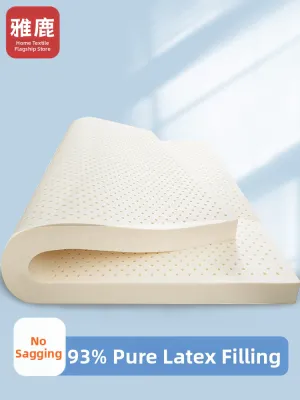
Natural latex sourced from Thailand offers distinct physical advantages that directly address the challenges of a tropical climate. The primary benefit is its open-cell molecular structure, which acts as a natural ventilation system. Unlike closed-cell synthetic foams, natural latex allows air to flow continuously through the mattress core. When you move during sleep, the mattress compresses and decompresses, actively pushing warm, humid air out and drawing cooler air in.

Additionally, most natural latex mattresses are manufactured with pincore ventilation holes. These vertical channels are molded into the latex core during vulcanization, significantly boosting airflow and heat dissipation. This temperature neutrality ensures that the mattress does not rely on body heat to contour to your shape, preventing the “sinking” feeling that often leads to heat retention in memory foam.
Another critical advantage for Philippine homes is latex’s natural resistance to allergens. The natural rubber proteins in latex are inherently hostile to dust mites, mold, and bacteria. In a climate where mold can quickly develop on household fabrics, a mattress core that naturally resists fungal growth provides a cleaner, healthier sleeping environment without the need for harsh chemical treatments.
Potential Drawbacks and Limitations to Weigh
Despite its impressive benefits, natural latex has specific drawbacks that you must consider before purchasing. The most immediate physical challenge is its weight. Natural latex is exceptionally dense and heavy, often weighing twice as much as a standard polyurethane foam or innerspring mattress. Because it is highly flexible and lacks a rigid internal frame, moving, rotating, or lifting the mattress to change bed sheets can be a strenuous task requiring two people.
Another limitation is its sensitivity to environmental factors, particularly ultraviolet light and direct heat. Exposing a natural latex core to direct sunlight will cause the rubber proteins to oxidize, leading to dry rot, crumbling, and permanent structural damage. While airing out bedding in the sun is a common local practice, a latex mattress must only be aired in a shaded, well-ventilated indoor space.
Finally, natural latex represents a significant financial investment. The cost of harvesting natural rubber sap and processing it into high-quality mattress cores makes these beds substantially more expensive than synthetic alternatives. While their long-term durability—often lasting over a decade—justifies the cost, the higher upfront price tag is an important factor to weigh against your budget.
Essential Specifications to Verify Before Purchase
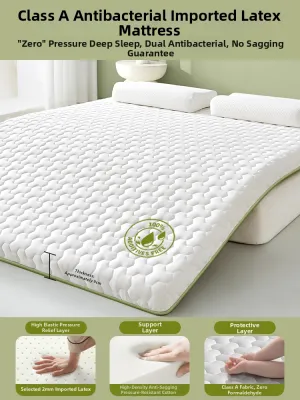
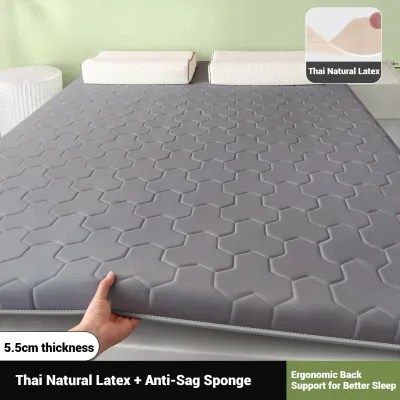
To ensure a latex mattress can withstand the demanding Philippine climate, you must verify several key specifications before making a purchase. First, examine the mattress cover material. Even a high-quality latex core will be ineffective if wrapped in a dense, synthetic polyester cover. Look for covers made from natural, moisture-wicking fibers such as organic cotton, bamboo-derived rayon, or Tencel. These materials pull sweat away from your body and dry quickly, enhancing the cooling effect of the latex beneath.
Second, understand the processing method used for the latex. Dunlop latex is denser and highly supportive, making it excellent for the base layer of a mattress. Talalay latex undergoes an additional vacuum and flash-freezing process, resulting in a lighter, highly uniform, and exceptionally breathable cell structure. A mattress that combines a supportive Dunlop core with a plush Talalay comfort layer often provides the optimal balance of support and airflow for hot sleepers.
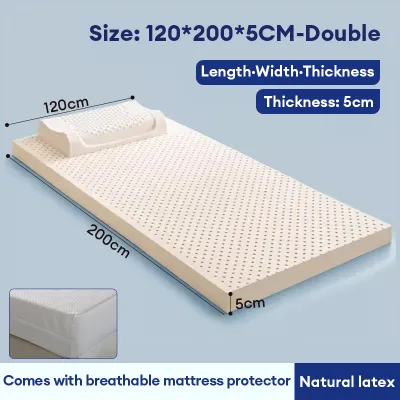
Third, check the thickness and zoning of the mattress. A solid latex mattress between 8 to 10 inches thick is generally ideal, providing deep support without trapping excessive heat. Multi-zone configurations use varying pincore densities to support heavier areas like the hips while keeping the overall structure open and ventilated. Lastly, review the warranty terms carefully. Ensure the warranty explicitly covers sagging or visible indentations under normal use, and verify that the terms remain valid when using a slatted bed base.
Daily Care and Maintenance for Longevity
Maintaining a latex mattress in a humid climate requires a proactive care routine to prevent moisture accumulation. Proper room ventilation is essential. On dry, sunny days, open your bedroom windows to allow fresh air to circulate. During the rainy season, running a dehumidifier or using the dry mode on your air conditioner for a few hours daily will effectively lower indoor humidity, preventing the mattress from absorbing excess ambient moisture.
When cleaning your mattress, avoid wet methods. Never saturate the latex core with water, liquid cleaners, or steam, as trapped moisture inside the dense core can lead to internal mold growth. Instead, vacuum the surface regularly using a clean upholstery attachment. For accidental spills, blot the area immediately with a dry towel, spot-clean gently with a damp cloth and mild soap, and allow it to dry completely in a shaded, well-ventilated area.
Additionally, rotate your mattress 180 degrees every three to six months to ensure even wear and prevent localized softening. Always protect your investment with a high-quality, breathable mattress protector. Avoid cheap, non-breathable plastic or vinyl covers that trap heat; instead, choose a waterproof protector with a breathable polyurethane membrane laminated to a natural fabric like cotton or bamboo.
Frequently Asked Questions (FAQ)
Does a latex mattress need a specific type of bed frame in humid climates?
Yes, a latex mattress requires a specific bed frame to ensure adequate ventilation, especially in humid climates. You should avoid solid platform bases or placing the mattress directly on the floor, as these setups block airflow and trap moisture beneath the mattress, leading to mold growth. Instead, use a high-quality slatted bed frame with slats spaced no more than 2 to 3 inches apart to provide proper support while allowing air to circulate freely. Additionally, ensure the frame provides at least 6 to 10 inches of clearance from the floor to promote healthy air circulation underneath.
How can I tell if my latex mattress is retaining too much moisture?
You can identify moisture retention through several physical signs. If you notice a faint, musty odor when entering your bedroom or peeling back the sheets, this is a strong indicator of trapped moisture and early mold development. Physically touch the surface and sides of the mattress; if they feel damp or clammy, the mattress is holding onto humidity. Inspect the bottom of the mattress and the bed slats for any dark spots or discoloration. If you suspect moisture buildup, remove all bedding, position a fan or dehumidifier to blow air directly across the mattress, and allow it to dry completely in a well-ventilated room for 24 to 48 hours.

Community discussion
Share your experience or ask a question. Comments are reviewed before publication.