
Traditional memory foam mattresses are highly regarded for their pressure-relieving contouring, but their dense structure naturally traps body heat, which can lead to discomfort in tropical environments. Whether a memory foam mattress is the right choice for sleeping in the Philippines depends on the specific foam technology, the mattress construction, and your personal sleep habits. While standard foam can feel like an oven during warm, humid nights, modern advancements have introduced breathable alternatives designed to mitigate heat retention. This guide will help you diagnose your thermal comfort needs, evaluate if a foam mattress aligns with your climate requirements, and identify the right specifications or alternatives for a restful night. By understanding how these materials interact with local weather conditions, you can make an informed decision that protects both your sleep quality and your investment.
Understanding How Memory Foam Reacts to Heat and Humidity
Memory foam, or viscoelastic polyurethane foam, is engineered to respond to weight and temperature. When you lie down, your body heat softens the foam, allowing it to contour precisely to your shape. While this provides excellent pressure relief, the physical process of contouring requires a dense cellular structure. This high density restricts airflow, turning the mattress into an insulator that traps your body heat right beneath you.
In the Philippines, this heat retention is compounded by high relative humidity. When the air is saturated with moisture, your body’s natural cooling mechanism—sweat evaporation—becomes much less efficient. Standard memory foam is highly absorbent and can trap ambient moisture alongside your sweat. This creates a damp, clammy microclimate on the mattress surface, making you feel sticky and uncomfortably warm throughout the night.
Products mentioned in this guide
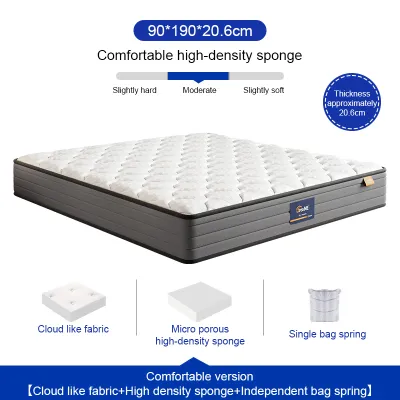
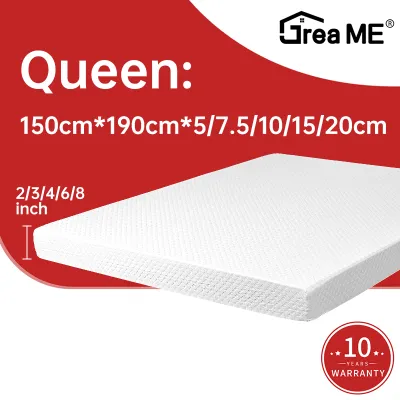
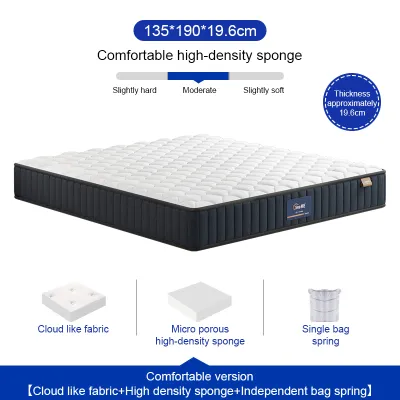
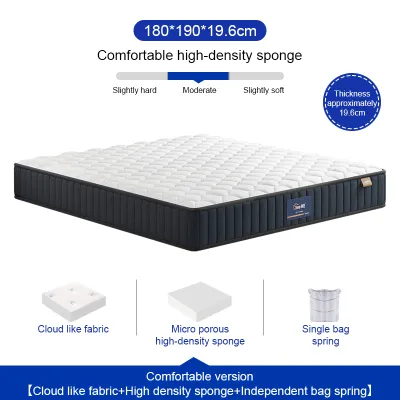
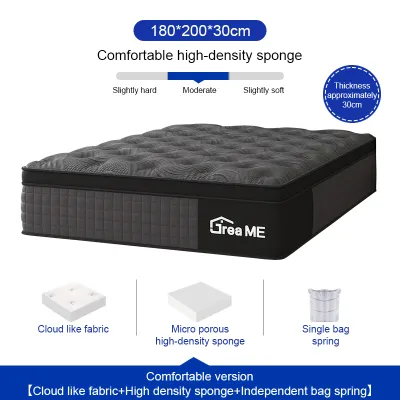
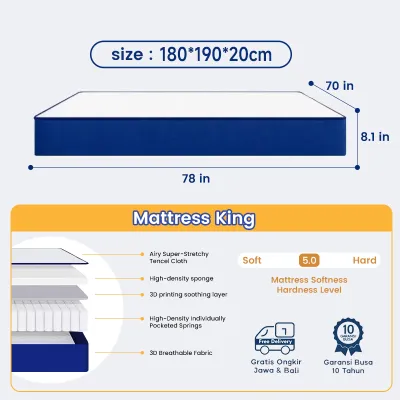
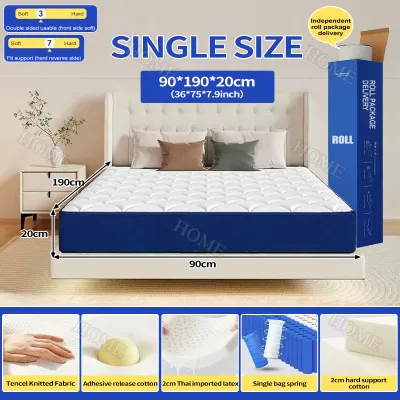
Prices are valid at publication and may change. Please refer to the product page for the latest price.
Furthermore, your entire sleep setup can exacerbate this thermal discomfort. A solid wooden or concrete bed base blocks air from escaping through the bottom of the mattress. If your bedroom lacks active ventilation, such as air conditioning or a well-positioned electric fan, the heat trapped within the foam has nowhere to go, creating a continuous cycle of heat buildup.
Signs Your Mattress Is Causing Nighttime Overheating
It can sometimes be difficult to tell whether your nighttime discomfort is caused by the tropical weather or your bed itself. One clear sign that your mattress is the culprit is waking up drenched in sweat even when your air conditioning is running. If your room is cool but your back and shoulders feel hot and damp, the foam is failing to dissipate your body heat.

Another simple test is to observe how the mattress surface feels after you have been lying down for about twenty minutes. If the bed initially feels comfortable but gradually transforms into a hot zone that retains heat long after you roll over, the material lacks thermal conductivity. In a breathable bed, heat should dissipate outward rather than pooling directly under your body.
You should also pay attention to your sleep patterns. If you find yourself constantly tossing, turning, and searching for a cooler spot on the bed, your body is actively fighting the heat trapped by the foam. This restlessness prevents you from entering deep, restorative sleep phases, leaving you feeling tired and sluggish the next morning.
Key Features to Check in a Tropical-Friendly Dream Foam Mattress
If you are set on enjoying the body-hugging comfort of a dream foam mattress, you must carefully inspect the manufacturer’s specifications to ensure it can handle tropical conditions. Modern foam technology has evolved, and many manufacturers now design mattresses specifically to address heat retention. Knowing what labels and materials to look for will help you select a model that keeps you cool.
First, look for cooling infusions within the comfort layers. Gel-infused memory foam uses gel beads to absorb and distribute heat away from your body. Other models use graphite or copper infusions, which are highly conductive materials that draw warmth downward and outward. Some premium mattresses also feature phase-change material covers that actively absorb and release heat to maintain a neutral surface temperature.
Second, examine the physical structure of the foam. Traditional memory foam has a closed-cell structure that acts like a solid block, trapping heat. Instead, look for open-cell foam, which features tiny, interconnected pathways that allow air to circulate freely. Additionally, check if the mattress utilizes convoluted or egg-crate support layers, as these textured designs create physical channels for internal airflow.
Third, pay close attention to the mattress cover. A heavy, synthetic cover made of polyester will trap heat and moisture regardless of how advanced the foam underneath is. Opt for covers made from breathable, moisture-wicking natural fibers such as bamboo-derived rayon, tencel, or organic cotton. These fabrics allow your skin to breathe and help sweat evaporate more quickly.
Finally, consider the thickness of the comfort layers. A very thick, multi-layer foam mattress allows your body to sink deeply into the bed. While supportive, it wraps your body in insulating foam, blocking air from reaching your skin. Choosing a mattress with a thinner comfort layer—around one to two inches—provides the pressure relief of memory foam without swallowing you in a heat-trapping pocket.
Alternative Mattress Types for Hot Sleepers
If you decide that memory foam is simply too warm for your sleeping habits, several alternative mattress types are highly suited for the hot and humid climate of the Philippines. Understanding these options allows you to find a balance between pressure relief and temperature regulation.
Innerspring and hybrid mattresses are excellent choices for hot sleepers. Hybrid mattresses combine a pocketed coil support system with a comfort layer of foam or latex. The open spaces between the steel coils act as natural air channels, allowing heat to escape through the sides and bottom of the bed. This continuous ventilation prevents heat from building up, making hybrids significantly cooler than solid foam beds.
Natural latex mattresses offer another highly breathable alternative. Harvested from rubber trees, natural latex is inherently open-celled and is typically manufactured with pin-core holes that run vertically through the mattress. This design allows air to circulate constantly. Unlike memory foam, natural latex does not rely on your body heat to contour to your shape, meaning it remains temperature-neutral throughout the night.
When transitioning from memory foam to these alternatives, you will notice a distinct difference in feel. Memory foam provides a “sinking in” sensation with slow responsiveness, which some sleepers find comforting but others find restrictive. Latex and hybrid mattresses offer a “sleeping on top” feel with more bounce. This makes it much easier to move around and change positions, preventing heat from pooling in one spot.
How to Keep Your Foam Mattress Cool and Dry
If you already own a foam mattress and want to improve its thermal performance, you can take several practical steps to manage heat and humidity. Adjusting your bedroom environment and mattress care routine can make a noticeable difference in your sleep comfort.
Controlling your room’s climate is the most effective way to keep your mattress cool. Running an air conditioner not only lowers the temperature but also extracts moisture from the air, reducing the humidity that makes foam feel sticky. If you rely on electric fans, position them to create cross-ventilation across the bed. Using a dedicated dehumidifier in your bedroom can also protect your mattress from absorbing excess moisture, which prevents mold and mildew growth.
Your choice of bedding plays a crucial role in temperature regulation. Avoid synthetic sheets made of polyester or microfiber, as they trap heat against your skin. Instead, invest in lightweight, breathable sheets made from natural fibers like cotton, linen, or bamboo. These materials allow air to flow freely and wick moisture away from your body, helping you stay dry.
Routine maintenance is also essential for keeping your mattress dry in a humid climate. Regularly strip your bed and let the mattress air out in a well-ventilated room. Avoid placing your mattress directly on the floor, as this blocks airflow underneath and traps moisture; instead, use a slatted bed frame. Finally, ensure your mattress protector is breathable; avoid cheap plastic protectors that block airflow, and opt for advanced, water-resistant covers designed for hot sleepers.
Frequently Asked Questions (FAQ)
Will a cooling mattress topper fix a hot memory foam mattress?
A cooling mattress topper made of gel-infused foam, latex, or breathable fiberfill can provide a temporary cooler surface feel when you first lie down. However, it is not a permanent cure. If the underlying mattress is a dense, traditional memory foam, it will eventually trap and reflect your body heat back through the topper as the night progresses.
Is it safe to use an electric blanket with a memory foam mattress?
While electric blankets are rarely needed in the Philippines, using direct, continuous heat sources on a memory foam mattress is generally not recommended. Memory foam is highly temperature-sensitive; excessive heat can break down its physical structure, causing it to lose its supportive properties permanently and potentially voiding the manufacturer’s warranty. Always check the specific care instructions and warranty guidelines of your mattress before using any heating appliances.

Community discussion
Share your experience or ask a question. Comments are reviewed before publication.