
Sleeping comfortably in the Philippines requires navigating year-round high temperatures and intense humidity. While memory foam is celebrated globally for its pressure-relieving contouring, its suitability for a tropical climate depends heavily on the specific construction of the mattress and your bedroom setup. If you sleep in a non-air-conditioned room, traditional dense memory foam can trap body heat, leading to uncomfortable, sweaty nights. However, modern foam formulations, such as open-cell structures or specialized options like a Dreame mattress foam, can perform exceptionally well when paired with active cooling strategies or consistent air conditioning. Deciding whether to invest in a foam mattress involves understanding how these materials interact with tropical humidity and evaluating alternative designs that might better suit your local sleeping conditions.
How Heat and Humidity Impact Memory Foam
Memory foam is viscoelastic, meaning its firmness and elasticity react directly to temperature. In the warm Philippine climate, ambient room temperatures can make traditional foam feel softer than it would in a colder region. Conversely, the material’s dense cellular structure acts as an insulator. When you lie down, your body heat is absorbed by the foam, but the lack of internal pathways prevents this heat from escaping, creating a warm envelope around your body.
Moisture absorption is another critical factor. During the wet monsoon season, relative humidity levels in the Philippines frequently exceed 80 percent. Dense polyurethane foam can absorb ambient moisture from the air and sweat from your body. If this moisture becomes trapped within the core of the mattress, it can degrade the material over time, leading to premature sagging and a loss of support.
Products mentioned in this guide
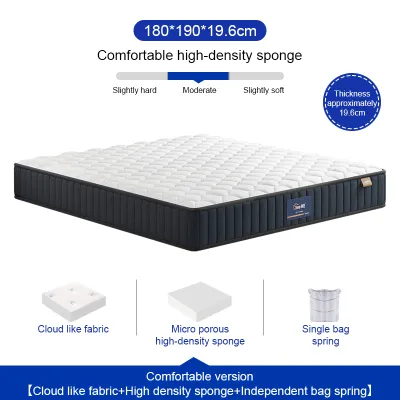
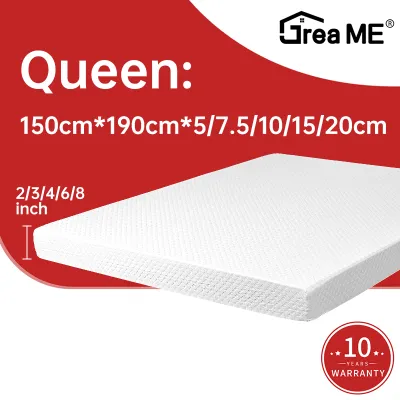
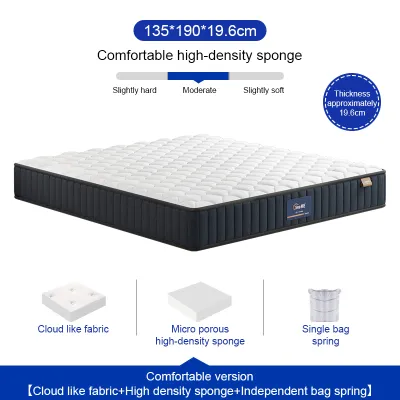
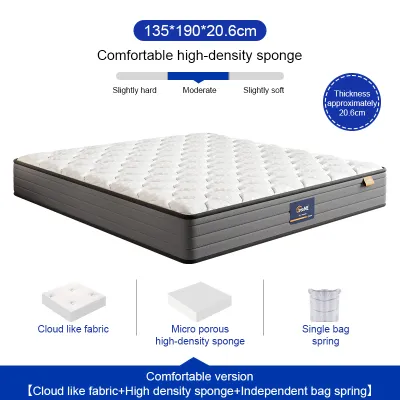
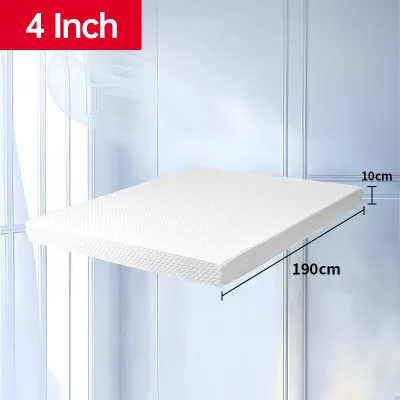
Prices are valid at publication and may change. Please refer to the product page for the latest price.
Air conditioning plays a transformative role in how these materials behave. If you run an air conditioner overnight, it lowers both the ambient temperature and the humidity level in your bedroom. This cooling effect keeps the memory foam at a stable, supportive firmness and prevents excessive heat buildup. However, if you rely primarily on an electric fan, the mattress must rely entirely on its passive ventilation features to dissipate heat, making the material’s internal structure a make-or-break factor for your comfort.
Essential Cooling and Breathability Features to Verify
When shopping for a foam mattress, such as a Dreame mattress foam or other modern alternatives, you must look past marketing buzzwords and verify the actual structural specifications. The most critical distinction is between traditional closed-cell foam and open-cell foam. Closed-cell foam contains tiny, sealed pockets that trap air, acting as an insulator. Open-cell foam features interconnected pores that allow air to flow through the material when compressed, helping to push warm air out and draw cooler air in as you move.

Many manufacturers incorporate conductive additives to manage heat. You will frequently see specifications highlighting cooling gel infusions, copper, or graphite. These materials are designed to conduct heat away from your body more rapidly than standard polyurethane. When evaluating these claims, check the manufacturer’s technical specifications to see if the gel is infused throughout the foam layer or merely applied as a surface coating, as infused designs generally offer more consistent thermal regulation.
The mattress cover is your first line of defense against heat and humidity. Look for covers made from breathable, moisture-wicking fibers such as Tencel, bamboo-derived rayon, or specialized cooling yarns. These materials help pull sweat away from your skin, allowing it to evaporate quickly in the humid air. Ensure the cover is removable and washable, as regular cleaning is essential in tropical climates to prevent sweat buildup from penetrating the deeper foam layers.
Weighing Memory Foam Against Tropical Alternatives
To make an informed decision, you must compare memory foam with other common mattress types available in the Philippines. Natural latex is a highly popular tropical alternative. Harvested from rubber trees, natural latex has an open, springy structure that does not retain heat the way synthetic foams do. It is also naturally resistant to mold and dust mites, making it excellent for humid environments. However, latex does not offer the same deep, body-hugging contouring as memory foam, and it tends to carry a significantly higher price tag.
Hybrid and traditional innerspring mattresses offer superior airflow. Because the core of these mattresses consists of steel coils rather than solid foam blocks, there is a vast amount of open space for air to circulate. Every time you move, the coils act like a bellows, pushing warm air out of the sides of the bed. If you want the contouring feel of foam but sleep hot, a hybrid mattress—which combines a pocketed coil base with a memory foam comfort layer—often provides the ideal balance of pressure relief and ventilation.
The trade-offs extend to motion isolation and edge support. Memory foam is unmatched in its ability to absorb movement, making it the perfect choice if you share a bed with a restless partner. However, solid foam beds often have weaker edge support compared to innerspring or hybrid models, which can make you feel like you are rolling off the bed if you sit or sleep near the edge. Consider whether motion isolation or edge stability is more critical for your daily comfort.
Maintenance Routines for High-Humidity Environments
Owning a memory foam mattress in a tropical climate requires proactive maintenance to prevent mold, mildew, and structural degradation. Proper air circulation is paramount. Ensure your bedroom has adequate ventilation, especially during the humid rainy season. Opening windows during dry, breezy days or keeping a ceiling fan running can help move stagnant air and prevent moisture from settling on your bedding.
Using a dehumidifier in your bedroom is one of the most effective ways to protect your investment. By keeping the indoor relative humidity below 60 percent, you create an environment where mold cannot easily thrive. While it might be tempting to drag your mattress outside to dry, you must avoid exposing memory foam to direct sunlight. Ultraviolet rays rapidly break down the chemical structure of polyurethane foam, causing it to crumble, yellow, and lose its supportive properties.
When spills or sweat stains occur, use safe, shallow spot-cleaning methods. Never saturate memory foam with water or liquid cleaners, as the dense material takes an exceptionally long time to dry internally, creating a breeding ground for rot. Instead, use a damp cloth with a mild, diluted detergent to gently dab the surface. Allow the mattress to air dry completely, assisted by an electric fan, before putting your sheets back on.
Final Evaluation Checklist Before Purchasing
Before finalizing your purchase of a Dreame mattress foam or any memory foam bed, run through a practical checklist tailored to your home. First, assess your typical sleeping environment. If you run your air conditioner nightly at a cool temperature, you can safely choose a wider variety of foam densities. If you rely on natural ventilation or a fan, prioritize hybrid models or highly breathable open-cell foams.
Carefully read the manufacturer’s warranty terms. In the Philippines, high humidity can accelerate wear, so you need to know exactly what is covered. Look for clauses regarding sagging depths—typically, warranties cover visible indentations of 1 to 1.5 inches that are not caused by an improper bed frame. Verify whether the warranty is voided by moisture damage, mold, or the use of specific non-breathable mattress protectors.
Finally, take advantage of sleep trials and physical testing. Many modern mattress brands offer home sleep trials ranging from 30 to 100 nights. This trial period is crucial in a tropical climate, as it allows you to experience how the mattress handles heat retention across different weather patterns. If you prefer to test mattresses in a showroom, spend at least 15 minutes lying on your preferred model to see how quickly your body heat builds up on the surface.
Frequently Asked Questions (FAQ)
Does memory foam attract dust mites or mold in humid weather?
Memory foam itself is relatively dense, which makes it difficult for dust mites to penetrate deep into the core compared to traditional fiber-filled mattresses. However, the high humidity and warmth of the Philippine climate can create a hospitable environment for mold and mildew on the surface of the mattress if moisture is allowed to accumulate. To prevent this, always use a breathable, water-resistant mattress protector that blocks sweat and spills while allowing air to circulate.
Can I use a standard bed frame with a memory foam mattress in the Philippines?
You can use most standard bed frames, but you must ensure they provide adequate support and ventilation. A slatted bed base is highly recommended for tropical climates because the spaces between the slats allow air to flow beneath the mattress, helping to dissipate heat and moisture. Ensure the slats are sturdy and spaced no more than 3 inches apart to prevent the foam from sagging through the gaps, which can damage the mattress and void your warranty. Avoid solid plywood platforms unless you actively manage room humidity, as they trap moisture at the bottom of the bed.
Will a cooling mattress topper fix a hot memory foam bed?
A cooling mattress topper can provide temporary surface relief, but it cannot completely fix a mattress that suffers from deep, structural heat retention. Toppers made from breathable materials like gel-infused memory foam, latex, or open-weave fibers create a buffer zone between your body and the dense mattress core. While this helps dissipate initial body heat, the underlying mattress will still eventually absorb and retain warmth over several hours. If your current bed runs extremely hot, investing in a highly breathable hybrid mattress is often a more effective long-term solution than adding layers on top.

Community discussion
Share your experience or ask a question. Comments are reviewed before publication.