
Does a quilted mattress top make hot, humid nights uncomfortable? In tropical climates like the Philippines, where nighttime temperatures and humidity remain consistently high, choosing the right mattress construction is essential for restful sleep. A radiant quilted mattress can be suitable for tropical climates, but its comfort depends heavily on the materials used in the quilting layer and the core support system beneath it. While the plush, textured surface of a quilted cover offers immediate cushioning, it can also trap body heat if it lacks proper ventilation or moisture-wicking properties.
Understanding how these design elements interact with your body and the surrounding environment is the key to making an informed decision. By evaluating the specific materials, stitching patterns, and internal support structures, you can find a mattress that provides both the plush comfort of a quilted top and the breathability required for warm nights.
How Quilted Construction Affects Sleep Temperature
A quilted mattress top is created by stitching the outer fabric cover together with underlying layers of foam, fiber, or wool. This stitching creates a textured, tufted, or patterned surface with raised sections and recessed channels. While these patterns are visually appealing and provide localized cushioning, the depth and density of the quilting significantly influence how air moves across the surface of the bed.
Products mentioned in this guide
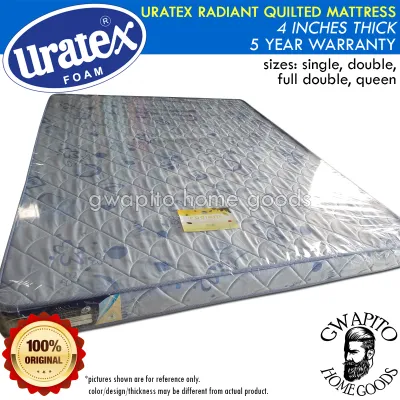
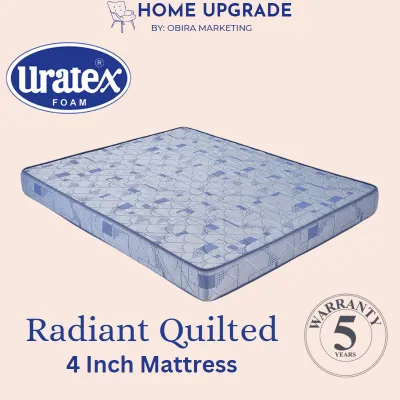
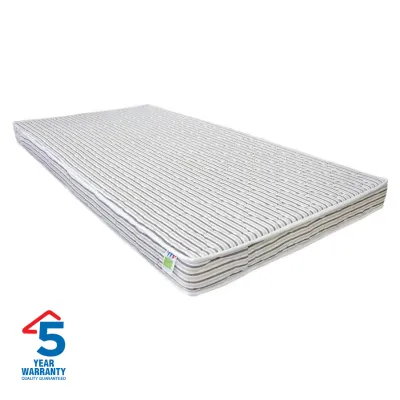
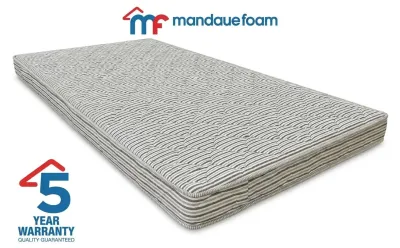
Prices are valid at publication and may change. Please refer to the product page for the latest price.
Deep quilting patterns and thick padding layers tend to wrap closely around your body when you lie down. This close contouring increases the surface area of contact between your skin and the mattress, which can restrict lateral airflow. Instead of allowing heat to escape, deep quilting channels can act as pockets that trap warm air close to your body, leading to a rapid rise in temperature during the night.
Because the quilted layer is the primary contact point between your body and the bed, it dictates the initial microclimate of your sleep setup. If the integrated padding consists of dense, non-breathable materials, moisture from sweat can accumulate quickly within the fabric. In a humid environment, this trapped moisture cannot evaporate efficiently, leaving the surface feeling damp, warm, and uncomfortable.
Furthermore, the tension of the quilting stitch itself can compress the underlying padding, reducing its natural breathability. When foam or fiber is tightly compressed by heavy stitching, the microscopic air pockets within the material are flattened. This reduction in open space limits the mattress’s ability to transfer heat away from your body, making the quilted surface feel warmer over hours of continuous contact.
Key Factors That Determine Mattress Breathability in Humid Weather
The overall breathability of a mattress is determined by its entire construction, starting from the core support system up to the top cover. Innerspring and pocket spring systems inherently offer superior airflow compared to solid foam cores. The open spaces between metal coils allow air to circulate freely throughout the mattress body, helping to dissipate heat that filters down from the sleeping surface. Conversely, solid memory foam or high-density polyurethane foam blocks tend to restrict airflow, acting as heat sinks that retain warmth unless specifically engineered with open-cell structures or ventilation channels.

The specific materials stitched inside the quilted top also play a critical role in temperature regulation. Synthetic polyurethane foams used in budget-friendly quilting layers often trap heat and resist moisture absorption. On the other hand, natural fibers like cotton, wool, or bamboo-derived rayon are highly breathable and naturally wick moisture away from the skin. These natural materials help maintain a dry surface, which is essential for cooling through sweat evaporation in humid tropical weather.
Finally, the outer ticking fabric—the actual cloth cover of the mattress—acts as the gatekeeper for airflow. Heavy, tightly woven synthetic fabrics like polyester can block air movement and trap humidity against your body. Lightweight, loosely woven, or knit fabrics made from natural or semi-synthetic fibers allow air to pass through easily, enhancing the performance of the underlying breathable layers.
Additionally, the weave pattern of the ticking fabric affects how quickly moisture can evaporate. A jacquard or double-knit fabric made with breathable yarns will facilitate much better air exchange than a dense, slick synthetic weave. When evaluating a mattress, feeling the texture and weight of the cover fabric can give you a practical indication of its breathability.
Evaluating a Radiant Quilted Mattress for Hot and Humid Nights
When shopping for a radiant quilted mattress in a tropical climate, you must look closely at the technical specifications of the top comfort layers. Check if the manufacturer utilizes open-cell foam formulations, gel-infused memory foam, or phase-change materials within the quilted stitching. These technologies are designed to absorb and dissipate heat more effectively than standard synthetic foams, helping to mitigate the natural heat-trapping tendencies of a quilted design.
Next, verify that the core support system beneath the quilted top is optimized for ventilation. A hybrid design that pairs a quilted comfort layer with a pocketed coil support system is generally much better suited for warm climates than an all-foam construction. The coil system ensures that any heat escaping the quilted top can flow out through the sides of the mattress rather than building up directly beneath your body.
Additionally, carefully review the product’s care labels and warranty terms regarding moisture and humidity. High ambient humidity can degrade certain foam materials over time and encourage mold growth if the mattress is not properly supported. Ensure the warranty covers moisture-related issues and check if the manufacturer specifies a particular type of slatted bed frame or breathable foundation to maximize under-bed ventilation.
It is also wise to inspect the quality of the stitching on the quilted top. Loose or uneven stitching can allow the internal padding to shift or bunch up over time, creating dense spots that trap more heat. A well-constructed quilted top with consistent, durable stitching ensures that the comfort layers remain evenly distributed, maintaining uniform airflow across the entire sleeping surface.
Practical Tips to Keep Your Quilted Mattress Cool and Dry
To maximize the comfort of a quilted mattress in a tropical climate, your choice of bedding is just as important as the mattress itself. Avoid heavy synthetic sheets, which block airflow and trap humidity. Instead, opt for lightweight, highly breathable sheets made from natural fibers such as percale cotton, linen, or bamboo. These fabrics allow air to reach the quilted surface and help wick away sweat, keeping the bed feeling dry and cool throughout the night.
Managing the indoor climate of your bedroom also plays a vital role in mattress performance. Using a ceiling fan or a standing fan helps circulate air across the bed, promoting evaporative cooling. If you live in an exceptionally humid area, running a dehumidifier or using air conditioning can significantly lower the moisture levels in the room, preventing the quilted layers from absorbing excess atmospheric dampness.
Regular maintenance is essential to keep your mattress fresh and dry in tropical conditions. Strip the bedding weekly and vacuum the quilted surface to remove dust, skin cells, and allergens that can clog the fabric pores and restrict airflow. If the mattress ever feels damp from high humidity or sweat, allow it to dry completely in a well-ventilated room with active air circulation before putting clean sheets back on.
Using a breathable, water-resistant mattress protector can also safeguard the quilted layers from sweat and humidity without completely blocking airflow. Look for protectors that utilize breathable membranes rather than solid plastic backings. This extra layer helps prevent moisture from seeping into the deep quilting stitches, extending the lifespan of the mattress and maintaining a hygienic sleeping environment.
When to Consider Alternative Mattress Constructions
If you consistently wake up feeling hot, sweaty, or clammy, or if you notice that the surface of your bed feels damp to the touch in the morning, your mattress is likely retaining too much heat and moisture. Over time, persistent dampness can lead to musty odors or mold development within the quilted layers. These are clear indicators that your current sleep setup is not compatible with your local climate or your personal sleep temperature.
In such cases, it may be time to consider alternative mattress constructions. Non-quilted, minimalist designs with smooth, thin covers allow for more direct contact with cooling comfort layers like natural latex. Natural latex is highly resilient, naturally open-celled, and does not contour as deeply as memory foam, which helps keep you lifted on top of the mattress where air can circulate freely. Alternatively, specialized cooling mattresses designed specifically for hot sleepers may offer the temperature regulation you need.
Before making a purchase, take advantage of in-store testing or home sleep trials. When testing a mattress in a showroom, lie on it for at least fifteen to twenty minutes to see if your body heat begins to build up on the surface. If you are buying online, look for brands that offer a risk-free home trial period of at least 90 nights, allowing you to evaluate how the mattress performs under real-world tropical weather conditions in your own home.
Ultimately, the goal is to find a balance between pressure relief and temperature control. If a quilted mattress top is a must-have for your comfort preferences, ensuring it is paired with a highly breathable pocket spring core and natural fiber ticking will help you enjoy a cool, dry, and restful night’s sleep even in the heart of the tropics.
Frequently Asked Questions (FAQ)
Do mattress toppers make a quilted mattress hotter?
Adding a mattress topper can significantly alter the temperature regulation of your bed. If you choose a thick topper made of traditional memory foam, it will likely trap more heat by contouring closely to your body and blocking the airflow of the underlying quilted layers. However, if you need extra cushioning, selecting a highly breathable topper made of natural latex or open-cell gel foam can provide comfort without severely restricting air circulation.
How often should I air out my mattress in a humid climate?
In a humid tropical climate, it is beneficial to air out your mattress at least once a month. Strip all sheets and mattress protectors, and let the bare mattress sit in a well-ventilated room with windows open or a fan running for several hours. While fresh air helps remove trapped moisture, avoid exposing the mattress to direct, prolonged sunlight unless the manufacturer’s care instructions explicitly permit it, as intense heat and UV rays can degrade certain foam and fabric materials.

Community discussion
Share your experience or ask a question. Comments are reviewed before publication.