
A single memory foam mattress can feel warm in the tropical climate of the Philippines, but it is not an automatic recipe for sleepless, sweaty nights. The material’s tendency to retain heat is a physical reality, yet your personal sleeping environment, the mattress’s specific construction, and your choice of bedding play massive roles in your overall comfort. Understanding how these elements interact allows you to make an informed decision before investing in a new bed.
While memory foam is celebrated for its pressure-relieving contouring, that very feature can contribute to a warmer sleep surface. By examining the material science behind the foam, evaluating your bedroom setup, and comparing alternative mattress types, you can determine whether a single memory foam mattress fits your lifestyle or if another option would better serve your sleep needs.
How Memory Foam Reacts to Tropical Heat and Humidity
Memory foam is made of polyurethane treated with chemicals to increase its density and viscosity, creating a material known as viscoelastic foam. This structure is highly sensitive to temperature and pressure. When you lie down, your body heat softens the foam, allowing it to mold closely to your physical shape. While this provides excellent support for your spine and joints, it also means the foam hugs your body, increasing the surface area of contact and trapping heat right against your skin.
Products mentioned in this guide
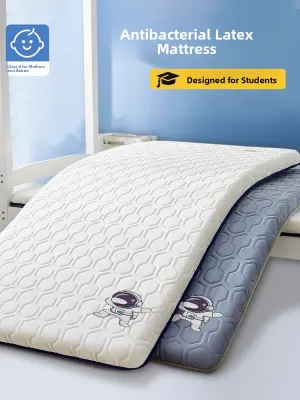
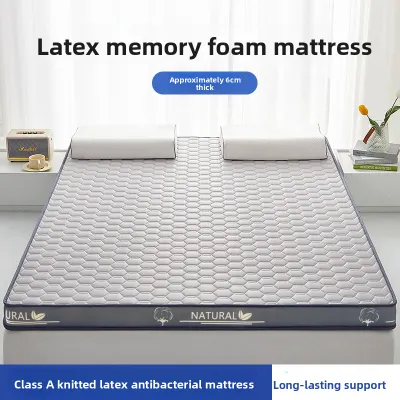
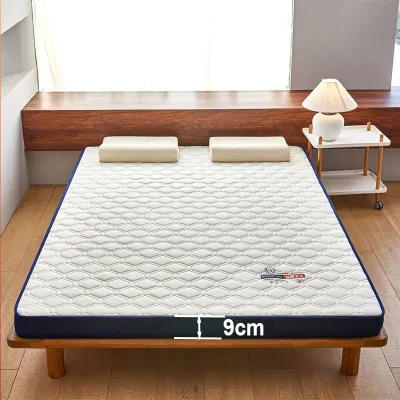
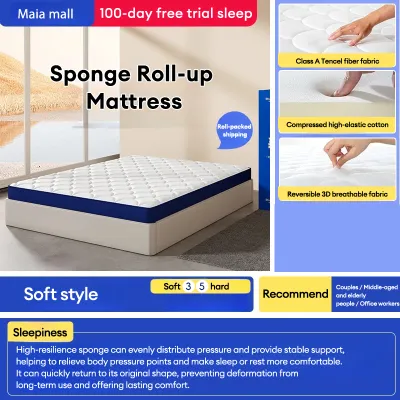
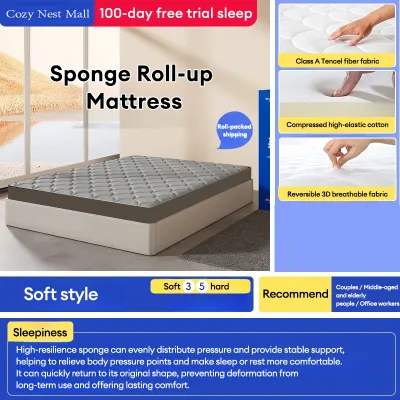
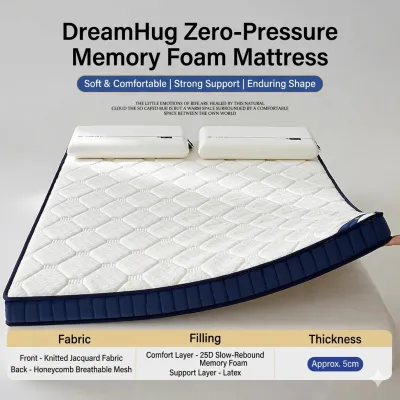
Prices are valid at publication and may change. Please refer to the product page for the latest price.
Because viscoelastic foam has a dense, closed-cell structure, it naturally lacks the open pathways needed for air to circulate freely. Once your body heat radiates into the mattress, the dense foam acts as an insulator, storing that warmth rather than letting it dissipate. In a cooler climate, this heat retention can feel cozy, but in a tropical environment, it can quickly lead to overheating.
This thermal challenge is compounded by the high relative humidity experienced year-round in the Philippines. High humidity levels in the air limit your body’s natural cooling mechanism, which relies on the evaporation of sweat from your skin. When you sleep on a material that traps heat, and the surrounding air is already saturated with moisture, sweat cannot evaporate efficiently, resulting in a sticky, humid microclimate in your bed.
It is important to distinguish between the inherent properties of the material and your individual heat sensitivity. Some sleepers naturally run hot and will find even a slightly warm mattress uncomfortable, while others are less sensitive to temperature fluctuations. If you know you tend to sweat or wake up warm during the night, the heat-retaining nature of standard memory foam is a critical factor to weigh before purchasing.
Key Factors That Influence Heat Retention in a Single Mattress
When shopping for a single memory foam mattress, the specific density and thickness of the foam layers are primary indicators of how much heat the bed will retain. High-density foams offer superior durability and contouring, but their tightly packed cell structure severely restricts airflow. A thinner comfort layer or a medium-density foam may retain less heat, though it might offer slightly less deep-tissue pressure relief.

To counteract heat buildup, many manufacturers incorporate specialized cooling technologies into their foam formulations. Gel-infused memory foam is a common option, where liquid gel or gel beads are mixed into the foam to help absorb and conduct heat away from your body. Other models use copper infusions or phase-change materials designed to regulate surface temperatures. When evaluating these options, check the manufacturer’s product specifications and labels to see how these materials are integrated, keeping in mind that these technologies typically provide temporary cooling relief rather than permanent heat dissipation throughout the entire night.
The cover of the mattress serves as the immediate barrier between your body and the foam layers. A mattress wrapped in a dense, synthetic fabric like polyester will trap heat and moisture, regardless of any cooling gel inside the foam. Look for covers made from highly breathable, moisture-wicking fibers such as bamboo-derived rayon, tencel, or open-weave cotton. A removable and washable cover is also highly beneficial in a humid climate, as it allows you to keep the sleep surface clean and free from sweat buildup.
Additionally, pay attention to the overall construction of the mattress. Some single memory foam mattresses feature convoluted foam layers, often referred to as egg-crate designs, which create channels for air to flow beneath the surface. Checking these structural details on the product’s specification sheet will give you a clearer picture of its potential breathability.
Evaluating Your Sleep Environment and Cooling Setup
Your bedroom’s climate control setup is often the deciding factor in whether a memory foam mattress will feel comfortable. If you run an air conditioner continuously throughout the night, the ambient temperature in the room will remain low enough to keep the memory foam cool and firm. The air conditioning unit also dehumidifies the room, which directly aids in sweat evaporation and prevents the mattress from feeling clammy.
If you rely primarily on natural ventilation or electric fans, a solid memory foam mattress may present a greater challenge. Without active cooling, the ambient room temperature will match the outdoor tropical heat, causing the foam to soften excessively and trap your body heat. In this scenario, the mattress can become uncomfortably warm, making it difficult to fall or stay asleep.
Your choice of bedding is another critical variable that you can easily control. Heavy, tightly woven sheets or synthetic materials like polyester and microfiber will lock in heat and moisture. To optimize your setup, pair your mattress with lightweight, breathable sheets made of natural fibers. Linen, bamboo, and low-thread-count percale cotton are excellent choices for tropical climates because they allow air to pass through easily and help wick moisture away from your skin.
Finally, consider the impact of mattress protectors and toppers. While a waterproof protector is essential for shielding your mattress from sweat and spills, cheap plastic or polyurethane backings can create a complete heat barrier, neutralizing any cooling features of your mattress. Look for breathable, membrane-free protectors or specialized toppers designed specifically to promote airflow rather than adding another insulating layer of foam.
Alternative Mattress Types for Hot Sleepers in the Philippines
If you decide that a traditional single memory foam mattress might run too hot for your sleeping style, several alternative mattress types are well-suited to a tropical climate. Innerspring and hybrid mattresses are excellent alternatives. Hybrid models combine a pocketed coil support core with a top layer of foam, giving you the contouring comfort of foam alongside the superior ventilation of an open coil system. The empty space between the steel coils allows air to circulate freely with every movement you make, preventing heat from becoming trapped.
Natural latex mattresses are another premium option for hot sleepers. Derived from rubber tree sap, natural latex has an open-cell structure that inherently allows for better airflow than synthetic polyurethane foam. Furthermore, latex mattresses are typically manufactured with pin core holes that run vertically through the comfort layers, creating a highly breathable sleep surface. Latex is also naturally resilient, offering a buoyant, “on-top-of-the-bed” feel rather than the sinking sensation of memory foam, which keeps more of your body exposed to the ambient air.
When comparing these options, you must weigh several key trade-offs:
- Pressure Relief: Memory foam remains the gold standard for deep contouring and pressure point relief, whereas latex and hybrids offer a more responsive, springy support.
- Motion Isolation: If you are buying a single mattress for solo sleep, motion isolation is less of a priority, but memory foam still excels at dampening movement compared to traditional innersprings.
- Price Points: Standard memory foam mattresses are often highly accessible, while natural latex and high-quality hybrid models generally require a larger upfront investment in Philippine Pesos (₱). However, the durability and cooling benefits of latex and hybrids can make them a more cost-effective choice over years of use in a humid climate.
Maintenance and Care for Memory Foam in Humid Conditions
Operating any mattress in high humidity requires diligent maintenance to prevent the growth of mold, mildew, and dust mites. Memory foam is highly porous and can act like a sponge, absorbing ambient moisture from the air as well as sweat from your body. To protect your investment, establish a routine of airing out your mattress. Every few weeks, strip off all bedding and let the mattress sit uncovered in a well-ventilated room with a ceiling fan or standing fan running to help draw out trapped moisture.
Avoid exposing your memory foam mattress to direct, harsh sunlight for extended periods. While sunlight is a natural disinfectant, the intense UV rays can degrade the chemical structure of polyurethane foam, causing it to crumble, yellow, and lose its supportive properties prematurely. Instead, opt for indirect sunlight in a bright, airy room.
If a spill occurs, or if the mattress absorbs a significant amount of sweat, address it immediately. Blot the area with a clean, dry towel to absorb as much liquid as possible. Always consult the manufacturer’s guidelines before applying any cleaning solutions. Never saturate memory foam with water or liquid cleaners, as drying the dense inner core of the mattress in a humid climate is incredibly difficult, and trapped moisture will quickly lead to internal mold growth.
Regularly inspect your mattress for signs of moisture damage. Musty odors, dark spots on the underside of the cover, or a sudden, localized softening of the foam can indicate mold or mildew development. If you suspect deep mold growth within the foam core, it is best to seek a professional assessment or consider replacing the mattress entirely to maintain a healthy sleep environment.
Frequently Asked Questions (FAQ)
Can I use a cooling mat on top of a memory foam mattress?
Yes, you can use a cooling mat, but it may alter how the mattress feels. Memory foam relies on your body heat to contour to your shape. Placing a thick cooling mat on top can block that heat transfer, making the mattress feel firmer and reducing its pressure-relieving benefits. If you choose to use one, check the manufacturer’s guidelines to ensure the mat’s materials will not trap moisture against the foam surface.
Does a single memory foam mattress sleep hotter than larger sizes?
No, the size of the mattress does not change the physical heat retention properties of the foam. However, a single mattress has less surface area available to dissipate heat compared to a double or queen-size bed. If you tend to stay in one position all night, heat will build up in that specific spot regardless of the mattress size. Your local bedroom temperature, bedding materials, and personal sleep habits play a far more significant role in temperature regulation than the dimensions of the bed.

Community discussion
Share your experience or ask a question. Comments are reviewed before publication.