
Deciding whether to invest ₱8,000 to ₱15,000 in a mid-range ergonomic home office chair or stick to a budget model under ₱3,000 is a common dilemma for remote workers and students in the Philippines. While a cheaper chair might seem like an easy way to save money upfront, the physical toll of sitting for hours on poorly designed support often leads to discomfort, fatigue, and premature wear. Upgrading to a mid-range chair is generally worth the investment if you spend more than four hours a day at your desk, as it provides adjustable support mechanisms and durable materials that cheaper alternatives simply cannot match.
However, the value of this upgrade depends heavily on your daily habits, body proportions, and workspace setup. Rather than looking at a chair as a luxury purchase, it is more practical to view it as a functional tool that directly impacts your daily productivity and physical well-being. By understanding what features actually change as you move up the price scale, you can make an informed decision that balances your budget with your long-term comfort.
What You Actually Get in the ₱8,000–₱15,000 Range
When you step into the ₱8,000 to ₱15,000 price bracket, you are primarily paying for advanced mechanical engineering and higher-grade materials. In this tier, chairs transition from static seating to highly customizable systems designed to support dynamic movement throughout the day.
Products mentioned in this guide
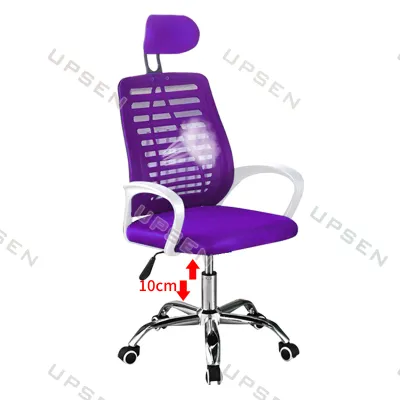
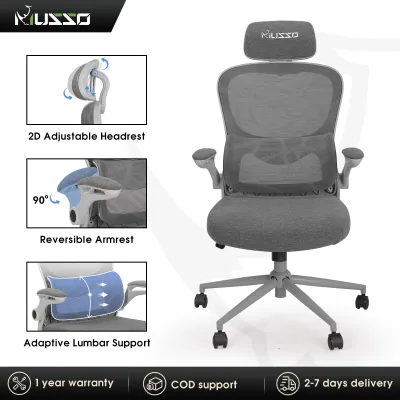
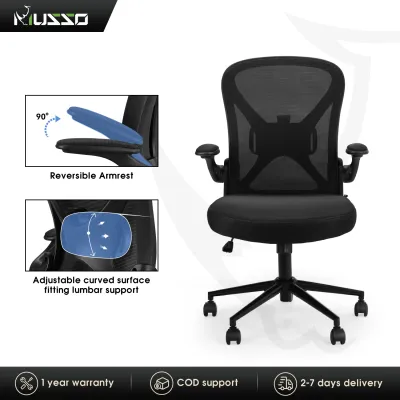
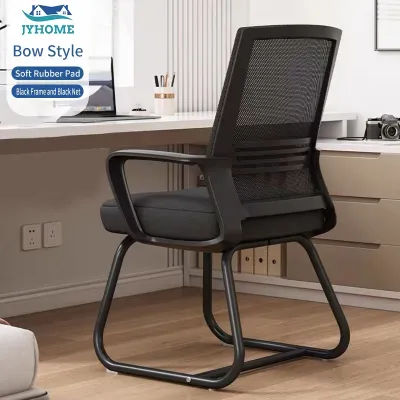
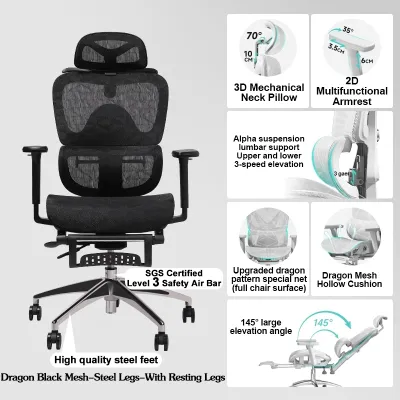
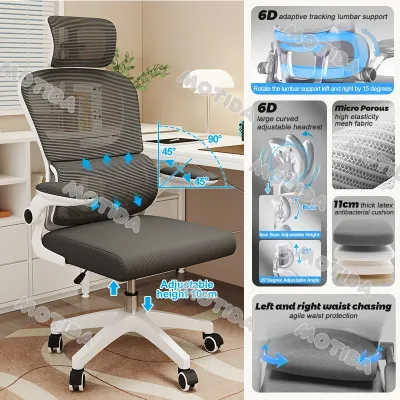
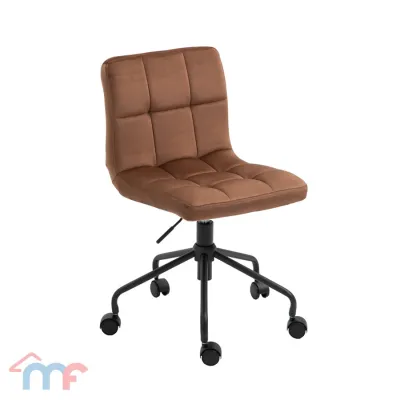
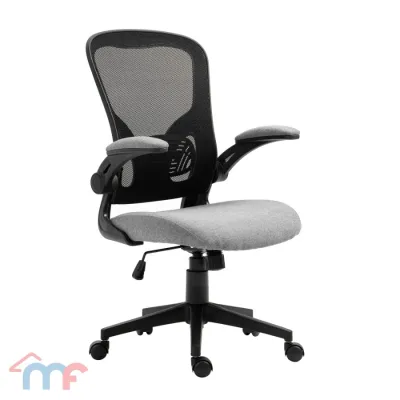
Prices are valid at publication and may change. Please refer to the product page for the latest price.
One of the most significant upgrades in this range is multi-dimensional adjustability. Unlike budget models that only allow you to change the seat height, mid-range chairs typically feature adjustable lumbar support that can be moved vertically and sometimes in depth to match the natural curve of your spine. You will also find 3D or 4D armrests that adjust not just up and down, but also forward, backward, sideways, and diagonally to keep your shoulders relaxed while typing.
Another critical feature is the seat depth slider, which allows you to move the seat pan forward or backward. This adjustment ensures that your thighs are fully supported without the front edge of the seat pressing into the back of your knees, which is essential for maintaining healthy blood circulation during long sitting sessions.
The tilt mechanism also undergoes a major upgrade in this price tier. Budget chairs often use a simple center-tilt mechanism where the entire chair tilts back like a rocking chair, lifting your feet off the floor and putting pressure on your thighs. Mid-range options usually feature a synchro-tilt mechanism, which tilts the backrest at a 2:1 ratio relative to the seat, allowing you to recline while keeping your feet flat on the floor and your spine properly aligned.
Material quality is another area where the mid-range investment becomes obvious. Instead of low-density foam that sags within months, these chairs utilize high-density molded foam that retains its shape and supportive properties for years. The mesh used in the backrest is also more resilient, featuring tight, high-tensile weaves that provide firm support without stretching out or tearing under constant tension.
Finally, mid-range chairs generally offer better structural integrity, often featuring reinforced nylon or aluminum bases and Class 4 pneumatic gas lifts. These components allow the chairs to safely support higher weight capacities, typically ranging from 120 to 150 kilograms, while offering longer manufacturer warranties that cover mechanical parts for several years.
Where Budget Alternatives Fall Short
To understand why mid-range chairs command a premium, it is helpful to examine the common failure points of budget options, which typically retail for under ₱4,000. These cheaper models are designed for occasional, short-term use rather than full-time office work, and their construction reflects these limitations.

The most immediate issue with budget chairs is the rapid degradation of the seat cushion. Manufacturers of cheap chairs often use low-density cut foam or recycled padding that quickly compresses under body weight. Within a few months of daily use, the cushion can flatten completely, leaving you sitting directly on the hard wooden or plastic seat pan underneath.
Lumbar support in budget models is frequently non-existent or poorly designed. Many cheap chairs feature a fixed plastic strip across the backrest that cannot be adjusted to fit different heights or body shapes. If this support does not align perfectly with your lumbar spine, it can actually force your back into an unnatural posture, leading to muscle strain and lower back pain over time.
The mechanical components of budget chairs are also highly simplified to keep production costs low. The recline function is often limited to a basic upright lock, meaning you cannot lock the chair at comfortable angles for different tasks. The pneumatic cylinders are typically lower-grade Class 2 or Class 3 lifts, which may lose pressure over time, causing the chair to slowly sink on its own during the day.
Furthermore, the frames of budget chairs are almost entirely made of thin, rigid plastics that are prone to cracking under stress. Because these materials wear out quickly, many users find themselves replacing a cheap chair every year or two. This frequent replacement cycle quickly erodes any initial cost savings, making budget options more expensive in the long run compared to a single, durable mid-range purchase.
How to Decide If the Mid-Range Premium Is Worth It
Deciding whether to spend ₱8,000 to ₱15,000 on a home office chair requires a realistic assessment of your daily routine, physical needs, and local environment. The investment is not equally necessary for everyone, so you should evaluate several key factors before making a purchase.
Your daily usage threshold is the most critical factor to consider. If you only use your home desk for an hour or two in the evening to check emails or pay bills, a budget chair or even a standard dining chair may be perfectly adequate. However, if you work remotely or study at your desk for six to eight hours a day, the physical benefits of a mid-range ergonomic chair become highly apparent, helping to prevent fatigue and long-term strain.
Your physical health and body proportions also play a major role in this decision. If you already experience chronic back pain, neck stiffness, or shoulder tension, a highly adjustable chair is crucial for customizing your posture and relieving pressure points. Additionally, if your height or weight falls outside of average ranges, the limited adjustments of a budget chair will likely cause discomfort, making the seat depth sliders and robust mechanisms of a mid-range chair necessary.
Environmental factors are particularly important in a tropical climate like the Philippines. High humidity and warm temperatures can make solid fabric or faux leather chairs incredibly uncomfortable, leading to heat buildup and sweating. A mid-range chair with a high-quality, breathable mesh backrest allows for optimal airflow, keeping you cool and comfortable even in non-air-conditioned rooms.
Lastly, you must consider your physical workspace and space constraints. Mid-range ergonomic chairs often have a larger footprint and wider armrests than compact budget models. You should measure your desk height, the distance between desk legs, and the available floor space to ensure the chair can slide fully under your desk when not in use, maintaining a clean and functional room layout.
Smart Shopping Checklist for Mid-Range Ergonomic Chairs
When shopping in the ₱8,000 to ₱15,000 price range on online marketplaces or at local furniture showrooms, it is easy to get overwhelmed by marketing jargon. To ensure you are getting a genuine upgrade rather than a marked-up budget chair, use this practical checklist to verify the specifications before buying.
First, inspect the exact tilt mechanism and gas lift specifications. Look for product descriptions that explicitly mention a “synchro-tilt” mechanism rather than a “tilt-lock” or “center-tilt.” Ensure the gas lift cylinder is rated as Class 4, which indicates a higher wall thickness and better pressure retention than lower classes, ensuring the chair will not sink over time.
Second, verify the manufacturer’s stated weight capacity and structural materials. A reliable mid-range chair should have a weight capacity of at least 120 kilograms, supported by a heavy-duty nylon or aluminum alloy base. Avoid chairs that use thin plastic bases or do not specify their weight limits, as these are common indicators of lower-quality construction.
Third, carefully review the logistics, warranty terms, and return policies. Check if the seller offers a warranty of at least two to three years on mechanical parts like the gas lift, tilt mechanism, and casters. Be sure to read the fine print regarding shipping fees for returns, as returning a heavy office chair can be expensive if the product arrives damaged or does not fit your body comfortably.
Fourth, take precise measurements of your home office setup. Measure the height from your floor to the underside of your desk to ensure the chair’s armrests can clear the desk frame. Also, check the width of the chair’s base against the clearance between your desk legs to guarantee you can sit close enough to your keyboard without your movement being restricted.
Frequently Asked Questions (FAQ)
Can I just use a lumbar pillow on a budget chair instead?
Using an aftermarket lumbar pillow on a budget chair can provide temporary relief, but it is rarely a complete substitute for a built-in, adjustable ergonomic system. External pillows often shift out of place when you move, requiring constant readjustment throughout the day. Furthermore, adding a thick pillow can push your body too far forward on the seat pan, reducing thigh support and causing you to sit in an awkward, unbalanced position. While a pillow is a helpful low-cost workaround for occasional use, a chair with built-in, adjustable lumbar support and seat depth adjustment is necessary for proper long-term spinal alignment.
Do mid-range ergonomic chairs require professional assembly?
Most mid-range ergonomic chairs do not require professional assembly and can be put together at home using basic tools. Manufacturers typically include all necessary screws, bolts, and an Allen wrench in the box, along with step-by-step visual instructions. The assembly process generally involves attaching the casters to the base, inserting the gas lift cylinder, securing the mechanism to the seat pan, and bolting on the backrest and armrests. While the components can be heavy—particularly the metal mechanisms and bases—most people can complete the setup within thirty to forty-five minutes without professional assistance.

Community discussion
Share your experience or ask a question. Comments are reviewed before publication.