
Choosing a PVC cabinet for clothes is a highly practical decision, particularly if you live in a tropical climate where humidity and pests constantly threaten traditional wooden furniture. Because polyvinyl chloride (PVC) is inherently waterproof and immune to termite damage, it offers a low-maintenance alternative to solid wood or engineered boards. However, whether a PVC wardrobe is the right fit for your bedroom depends on how the cabinet is constructed, the weight of your wardrobe, and the quality of the assembly hardware.
What PVC Actually Means in Cabinet Construction
When shopping for a pvc cabinet for clothes, it is essential to understand that not all PVC furniture is built the same way. Manufacturers generally use two distinct construction methods: solid PVC foam boards or PVC-laminated composite boards. Solid PVC foam boards are lightweight, entirely waterproof, and rust-free, making them highly durable in damp environments, though they can be slightly soft. PVC-laminated boards, on the other hand, feature a core of medium-density fiberboard (MDF), particle board, or plywood wrapped in a thin PVC plastic film.
To ensure you are buying a durable piece of furniture, always check the manufacturer’s specifications for panel thickness and density. Solid PVC panels should ideally be at least 15mm to 18mm thick to provide adequate structural rigidity for a clothing wardrobe. Thin, low-density panels are prone to flexing under pressure and may warp over time under the weight of hanging clothes.
Products mentioned in this guide
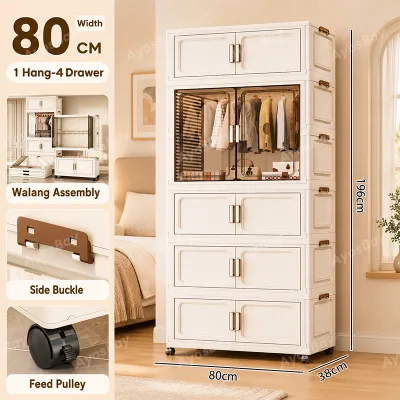
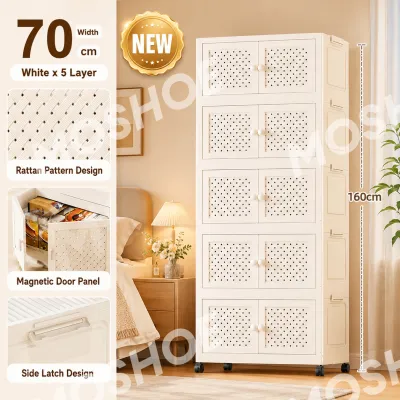
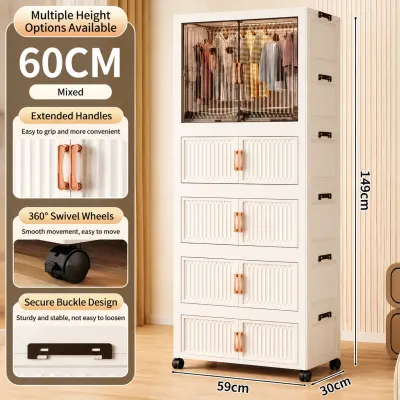
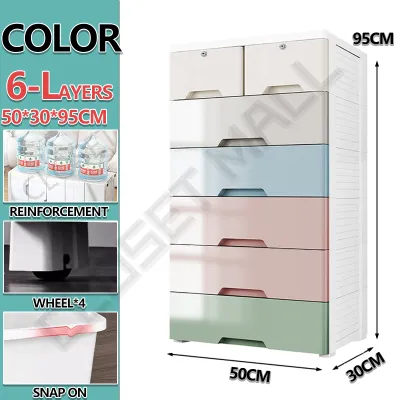
Prices are valid at publication and may change. Please refer to the product page for the latest price.
Hardware compatibility is another critical factor to verify before purchasing. Because PVC is softer than traditional hardwood, standard wood screws can easily strip the pre-drilled holes if the doors are opened roughly or if the cabinet is disassembled and rebuilt. Look for cabinets that utilize metal sleeve inserts, machine screws, or reinforced hinge mounting plates to ensure the doors and drawers remain securely attached over years of daily use.
Evaluating Moisture Resistance for Humid Climates
In tropical regions like the Philippines, high relative humidity can quickly ruin clothes and bedroom furniture. Mold, mildew, and musty odors are common struggles in coastal homes or rooms without continuous air conditioning. A solid PVC cabinet for clothes provides an excellent barrier against these issues because the material does not absorb moisture from the air, preventing the swelling, warping, and rotting that often plague cheap particle board wardrobes.

However, you must inspect the joints and edges of the cabinet carefully. If the wardrobe is made of laminated composite wood rather than solid PVC, any unsealed edge or gap in the lamination acts as an entry point for moisture. Once humid air or water spills penetrate the laminate, the inner wood core will swell and crumble, causing the PVC film to peel away.
When evaluating a cabinet in a showroom or upon delivery, run your fingers along the edge banding. The seams should be completely smooth, tight, and free of visible glue lines or lifting corners. High-quality edge sealing is the single most important factor in ensuring a laminated cabinet survives a highly humid environment.
Checking Weight Capacity and Shelf Durability
While PVC excels at resisting moisture, its load-bearing capacity is generally lower than that of solid wood, plywood, or steel. If you plan to store heavy items like thick denim, winter coats, or stacks of bed linens, standard PVC shelves may begin to sag over time. This sagging not only looks unsightly but can also compromise the alignment of the entire cabinet frame, making the doors difficult to close.
To prevent this, evaluate the shelf span. Shorter shelves (under 60 centimeters in width) are far less likely to bend under weight than wide, unsupported spans. If you are considering a wider cabinet, check if the manufacturer has included vertical support partitions or metal reinforcement brackets beneath the shelves.
Always verify the manufacturer’s rated weight limit per shelf before purchasing. When organizing your clothes, place your heaviest items—such as storage boxes, heavy bags, or folded jeans—on the bottom panel or lower shelves. This keeps the center of gravity low, which improves the overall stability of the cabinet and reduces the risk of accidental tipping.
Comparing PVC Against Wood and Metal Alternatives
Choosing the right wardrobe material requires balancing your local environment against your storage habits. Solid wood offers unmatched beauty, high weight capacity, and a long lifespan, but it is highly susceptible to termites, wood borers, and moisture damage in humid climates. Engineered wood (like MDF or particle board) is budget-friendly and widely available, but it swells and degrades rapidly when exposed to dampness.
Metal cabinets are incredibly strong and pest-proof, but they can rust in coastal areas and often have an industrial aesthetic that does not suit a cozy bedroom. PVC cabinets occupy a unique middle ground. They are completely immune to termites and water damage, making them the clear choice for damp ground floors, rental properties, or temporary housing.
However, they lack the premium, natural texture of solid wood and cannot support the same heavy loads. If you need a long-term, heavy-duty wardrobe for a formal master bedroom, solid wood or high-quality plywood with a protective finish remains superior. If you need a practical, low-maintenance, and budget-friendly solution for a humid room, a PVC cabinet is highly competitive.
Inspecting Finish Quality and Initial Odors
When your new PVC cabinet is delivered, perform a thorough physical inspection before filling it with clothes. New synthetic furniture often undergoes a brief period of off-gassing, which can leave a distinct chemical or plastic odor inside the closed compartments. To prevent this smell from transferring to your garments, leave the cabinet doors wide open in a well-ventilated room or near an open window for a few days before use.
Next, test the durability of the finish. Gently run your fingernail over inconspicuous areas to check for scratch resistance, and inspect the corners to ensure the PVC film is not already peeling or bubbling. Assemble the unit on a completely level floor and check its stability. Gently shake the cabinet from the side; there should be no noticeable wobble, sway, or loose joints.
If the unit feels unstable, check that all assembly screws are fully tightened and consider anchoring the cabinet to the wall, especially if you have children or pets. Finally, look for manufacturer labels or product documentation indicating compliance with indoor air quality or low-emission standards to ensure a safe home environment.
Daily Maintenance and Cleaning Rules
Maintaining a PVC cabinet is remarkably simple, but using the wrong methods can permanently damage the surface. For routine cleaning, use a soft microfiber cloth dampened with water and a mild, non-abrasive dish soap. Avoid harsh chemical solvents, bleach, or abrasive scrubbing pads, as these can scratch the smooth plastic surface or dissolve the protective topcoat, leading to permanent dullness.
Position your cabinet away from direct sunlight streaming through windows. Prolonged exposure to ultraviolet (UV) rays can cause white PVC to turn yellow, fade colored finishes, and weaken the adhesive holding laminated films in place. Keep the cabinet away from high-heat sources like freestanding room heaters or hot light fixtures, as excessive heat can warp the panels.
Finally, establish a simple routine to check the hardware every few months. Because PVC can flex slightly with temperature changes and daily use, cabinet hinges and door handles may gradually loosen. A quick turn with a screwdriver will keep the doors aligned and prevent the screws from stripping the soft mounting holes.
Frequently Asked Questions (FAQ)
Do PVC cabinets attract termites or pests?
No, pure PVC is an inorganic plastic material, meaning it does not contain cellulose and cannot serve as a food source for termites or wood-boring beetles. This makes it an exceptionally safe choice for pest-prone homes. However, while pests will not eat the cabinet itself, dark and undisturbed spaces inside any wardrobe can still become nesting grounds for insects if the surrounding room is infested. Keep your cabinet clean, dry, and regularly aired out to prevent pests from settling in.
Can I paint or refinish a PVC wardrobe?
Painting a PVC wardrobe is highly challenging because the non-porous, ultra-smooth surface of the plastic prevents standard household paints from adhering properly. If you attempt to paint it directly, the coat will likely bubble, run, or peel off with light contact. To successfully refinish PVC, you must use a specialized plastic primer and paint formulated specifically for vinyl or PVC surfaces. Before attempting any modifications, consult the manufacturer’s guidelines, as painting or sanding the panels will almost certainly void your warranty and could permanently ruin the finish.

Community discussion
Share your experience or ask a question. Comments are reviewed before publication.