
A Cossova foam mattress can be suitable for the Philippine tropical climate, but its performance depends heavily on the specific foam technology used in your model and how well you manage heat and humidity in your bedroom. In a country where night temperatures often remain high and relative humidity regularly exceeds 80 percent, standard foam mattresses can act like giant heat sponges. To ensure a comfortable, sweat-free sleep, you must verify whether your chosen mattress incorporates active cooling features and commit to a strict maintenance routine that prevents moisture accumulation.
Understanding Foam Mattresses in a Tropical Climate
Foam mattresses are highly valued for their pressure relief and motion isolation, but their physical structure presents unique challenges in a tropical environment. Traditional polyurethane foam and standard memory foam consist of dense, microscopic cells. When you lie down, these cells compress and trap your body heat, creating a warm microclimate directly beneath you. In the Philippines, where ambient temperatures are already elevated, this heat retention can lead to restless nights and excessive sweating.
Humidity further complicates how foam behaves. High moisture levels in the air can penetrate the open pores of the foam, temporarily altering its physical properties. You might notice that your mattress feels softer and less supportive during the rainy season, as the foam absorbs ambient moisture from the air. This softening is not necessarily a permanent defect, but it does change the sleeping experience and can accelerate the wear and tear of the internal support layers.
Products mentioned in this guide
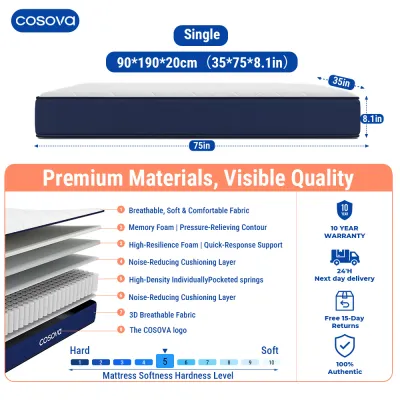
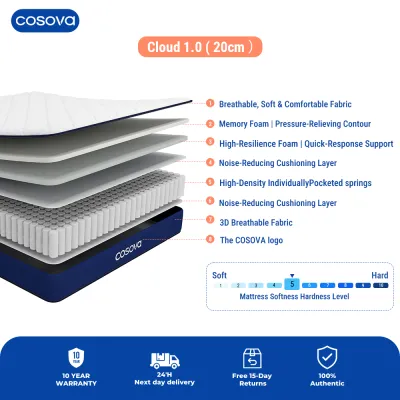
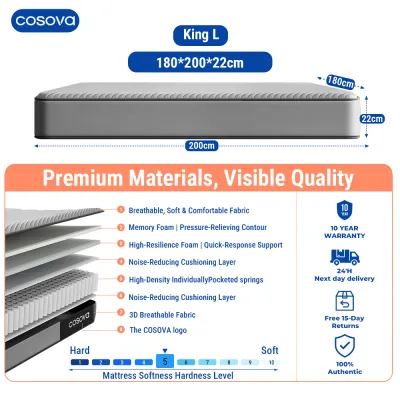
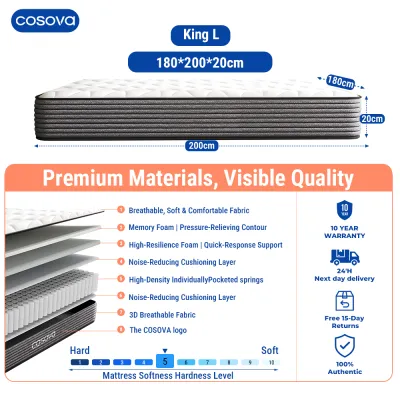
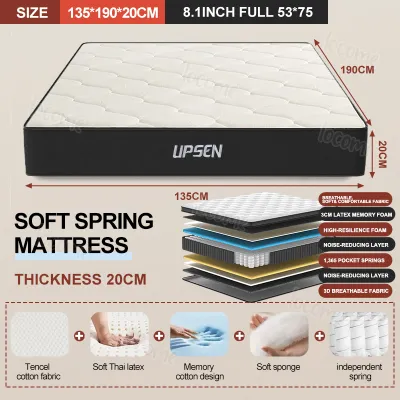
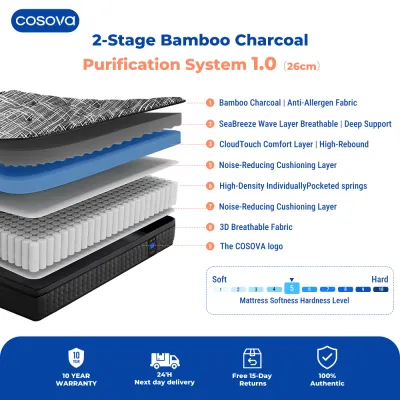
Prices are valid at publication and may change. Please refer to the product page for the latest price.
Furthermore, the combination of body heat, sweat, and high humidity creates an ideal breeding ground for microscopic organisms. When moisture becomes trapped within the dense layers of a standard foam mattress, it struggles to evaporate. Over time, this trapped dampness can lead to musty odors, yellow staining, and the development of mold or dust mites, which can compromise both the mattress structure and your respiratory health.
How to Verify Cooling Features on a Cossova Mattress
Because foam mattresses vary significantly in their construction, you should carefully inspect the specifications of your Cossova model to determine how it handles heat. Start by checking the product manual, law tag, or official manufacturer specifications for mention of cooling infusions. Manufacturers often incorporate materials like gel, graphite, or copper into the foam formulation. Gel infusions are designed to absorb initial body heat and disperse it, while graphite and copper act as thermal conductors to pull heat away from your body.

Next, look for indications of an open-cell or aerated foam structure. Standard memory foam has a closed-cell structure that restricts airflow, whereas open-cell foam features interconnected air pockets that allow heat to escape. Some mattresses also feature convoluted foam layers—often resembling egg crates—or targeted ventilation channels cut directly into the support core. These physical channels create pathways for air to circulate every time you move, helping to flush out warm air.
The mattress cover is your first line of defense against heat, so you must evaluate its material composition. Look for covers woven with breathable fibers such as rayon derived from bamboo, Tencel, or organic cotton, which naturally facilitate airflow and wick away sweat. Avoid synthetic polyester covers that lack specialized cooling weaves, as they tend to trap heat right at the surface, rendering any internal cooling foams far less effective.
Assessing Moisture and Mold Resistance
Sustained high humidity requires a mattress that can actively resist moisture buildup and the subsequent growth of mold. When evaluating a Cossova mattress, check the product details for antimicrobial, hypoallergenic, or anti-fungal treatments. These protective coatings are often applied to the fabric cover or infused directly into the top foam layers to inhibit the growth of bacteria and mold spores that thrive in warm, damp conditions.
A highly practical feature to look for is a fully removable and machine-washable cover. In the tropical climate of the Philippines, regular washing of the mattress cover is essential for hygiene, as it removes accumulated sweat, skin cells, and environmental dust. If the cover is non-removable, you will have to rely on spot cleaning, which can inadvertently introduce more moisture into the foam if not dried quickly and thoroughly.
You should also consider how the density of the foam layers affects moisture retention. High-density memory foam provides excellent contouring but has a tighter cell structure that holds onto moisture longer once it gets damp. Medium-to-low-density foams, or specialized latex-hybrid layers, tend to dry out much faster. Understanding this balance helps you anticipate how much ventilation your mattress will require to stay dry and fresh throughout the year.
Best Practices for Mattress Care in the Philippines
Maintaining a foam mattress in a tropical climate requires proactive care to prevent heat and moisture from destroying the materials from the inside out. The foundation you choose plays a critical role in this process. Avoid placing your mattress directly on the floor or on a solid plywood platform, as these surfaces block airflow completely, trapping sweat and humidity underneath the mattress. Instead, use a sturdy slatted bed frame with gaps of no more than three inches, which allows air to circulate freely beneath the bed and helps evaporate any trapped moisture.
Managing your bedroom environment is equally important for preserving your mattress. Whenever possible, promote cross-ventilation by opening windows and using ceiling or standing fans to keep air moving across the bed. If you live in an exceptionally humid area or during the peak of the monsoon season, running an air conditioner or a dedicated dehumidifier (which can range from a few thousand ₱ to larger units) can significantly lower the ambient moisture levels, protecting the foam from absorbing excess water vapor.
If you spill liquid on the mattress or sweat heavily, you must clean and dry the area immediately. Blot the moisture with a dry towel, spot clean with a mild detergent, and use a fan or a hair dryer on a cool setting to ensure the foam is completely dry before putting the sheets back on. Never saturate the foam with water or liquid cleaners, as deep moisture is incredibly difficult to extract and will almost certainly lead to internal mold growth.
Finally, establish a regular rotation schedule to ensure even wear and balanced air exposure. Rotate your mattress 180 degrees every three to six months. This practice prevents permanent sagging in the areas where your body weight and heat are concentrated, allowing compressed foam cells a chance to recover and air out.
Supplemental Cooling and Comfort Solutions
If your Cossova mattress still feels too warm despite its built-in features, you can make several simple adjustments to improve your sleeping temperature. Your choice of bed sheets is critical; swap out synthetic polyester or high-thread-count microfiber sheets for breathable, moisture-wicking fabrics. Bamboo, Tencel, and long-staple cotton sheets feature loose, breathable weaves that allow heat to pass through to the air rather than trapping it against your skin.
Another effective option is adding a specialized cooling mattress topper. Toppers made from open-cell gel memory foam, natural latex, or breathable fiberfill can add a supportive, airy layer between your body and the mattress core. Natural latex toppers are particularly effective in tropical climates because they are inherently breathable, highly resilient, and do not retain heat the way synthetic foams do.
If you find that you consistently sleep hot and suffer from humidity-related discomfort despite trying these solutions, it may be time to evaluate whether a pure foam mattress is right for you. In cases of severe heat retention, transitioning to an innerspring or hybrid mattress might be necessary. Hybrid models combine the pressure relief of foam top layers with the open, highly ventilated support of pocketed coils, offering a much cooler sleep profile in tropical environments.
Frequently Asked Questions (FAQ)
Does a foam mattress need a specific type of bed frame in humid climates?
Yes, a foam mattress absolutely requires a slatted bed frame when used in humid climates like the Philippines. Solid wooden platforms or placing the mattress directly on the floor prevents air from circulating underneath, which traps body heat and sweat inside the lower foam layers. To ensure proper ventilation, use a frame with wooden or metal slats spaced no more than two to three inches apart, allowing moisture to evaporate naturally.
How often should I air out my foam mattress in the Philippines?
You should air out your foam mattress at least once every two to three months, or more frequently during the rainy season. To do this, strip off all bed sheets and mattress protectors, open your bedroom windows, and turn on a fan to circulate air directly over the bare foam for several hours. Avoid placing the mattress in direct, harsh sunlight, as intense ultraviolet rays can degrade the chemical structure of the foam, causing it to crumble and lose its supportive properties.

Community discussion
Share your experience or ask a question. Comments are reviewed before publication.