
Deciding whether to integrate an Ecoco slipper rack into your closet organization system depends on your specific wardrobe layout, the materials of your closet panels, and the types of footwear you intend to store. While these compact, wall-mounted organizers are highly popular for maximizing vertical space, their performance inside an enclosed wardrobe requires careful planning. In tropical climates like the Philippines, where high humidity can affect both adhesive strength and closet materials, choosing the right storage setup is essential for protecting your investments.
A well-organized closet does more than just look tidy; it preserves the life of your garments and footwear by ensuring proper ventilation and easy access. Transitioning your slippers from floor clutter to a dedicated vertical rack can instantly open up floor space, making your entire wardrobe feel more spacious. However, before purchasing this specific organizer, you must evaluate how its physical specifications, installation requirements, and material composition align with your existing closet setup.
Assessing Space and Weight Requirements for the Ecoco Slipper Rack
Before purchasing any wall-mounted organizer, taking precise measurements of your closet’s interior is the most critical step. Use a metal measuring tape to determine the exact width, depth, and vertical clearance of the section where you plan to mount the rack. Keep in mind that slippers or shoes hanging from the rack will protrude outward; you must account for this extra depth to ensure your closet doors can close completely without pressing against your footwear. If you plan to mount the rack on the inside of a closet door, measure the clearance between the door and the internal shelves when closed to avoid blocking the door’s movement. Additionally, consider how tropical humidity might cause wooden closet doors to swell slightly, which can alter your clearance margins over time.
Products mentioned in this guide
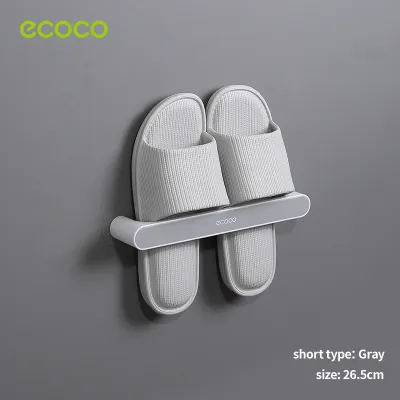
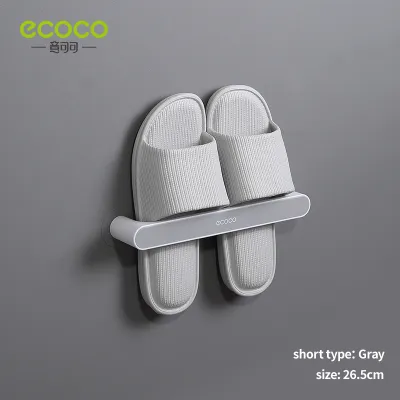
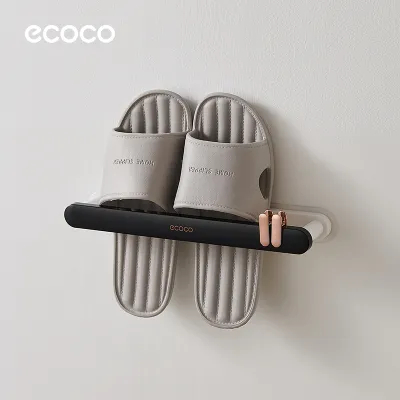

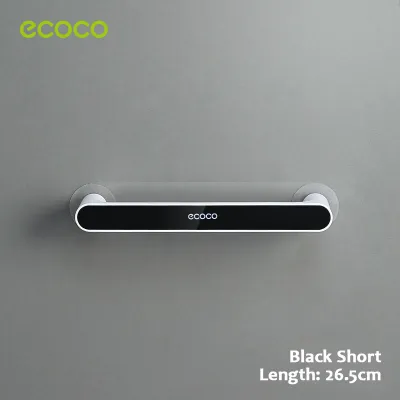
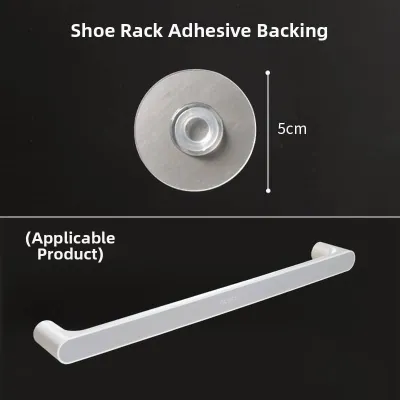
Prices are valid at publication and may change. Please refer to the product page for the latest price.
Weight capacity is another vital factor to consider, especially if you plan to store multiple pairs of shoes. Slipper racks are generally engineered for lightweight indoor footwear, such as rubber slides, fabric slippers, or light sandals. Check the manufacturer’s packaging or official product listing for the exact weight capacity before loading the rack. Overloading a wall-mounted organizer can cause it to sag, pull away from the mounting surface, or drop your footwear onto the closet floor, potentially damaging both the rack and your closet panels. If you plan to store heavier footwear, you will need to look for alternative heavy-duty storage solutions.
The material composition of the rack also plays a significant role in its long-term durability inside an enclosed wardrobe. High-quality ABS plastic or rust-resistant metals are ideal for enclosed spaces, particularly in humid environments where mold and mildew thrive. Poor-quality plastics can degrade over time or release unpleasant chemical odors, known as off-gassing, which can easily cling to your clean clothes. Ensuring the rack is made of stable, non-toxic materials will keep your closet smelling fresh and prevent any chemical damage to your garments.
Integrating the Rack into Your Existing Closet Layout
Integrating a slipper rack into your wardrobe requires a thoughtful analysis of how it will interact with your clothing. Pay close attention to the clearance between the rack and your hanging garments to prevent fabric from dragging on stored footwear. Long dresses, trousers, or coats should not brush against your slippers, as this can transfer dust, dirt, or moisture to your clean clothes. Leaving a generous buffer zone of empty space between the bottom of your hanging clothes and the top of the slipper rack is essential for maintaining hygiene.

Vertical placement is key to maximizing both accessibility and unused space within your closet. Plan to position the rack at a height that matches your daily routine, keeping frequently used indoor slippers within easy reach. Utilizing the lower or side panels of your wardrobe allows you to reclaim valuable floor space, which can then be used for larger items or left open to improve air circulation. If you have a tall closet, mounting the rack slightly higher on an unused side wall can keep your footwear off the ground and away from floor-level dust. In humid regions, keeping footwear elevated also helps protect it from the damp air that tends to settle near the floor.
To maintain a cohesive and uncluttered aesthetic, coordinate the slipper rack with your existing storage bins, drawers, or shelving units. If your closet already utilizes white plastic bins or minimalist gray organizers, choosing a rack with a matching color scheme will create a unified look. Grouping similar storage solutions together—such as keeping all footwear organizers in one dedicated column—helps establish a logical flow in your wardrobe, making it much easier to find what you need during busy mornings.
Installation Methods and Closet Board Safety
The method you use to secure the slipper rack depends heavily on the material and thickness of your closet boards. Solid wood or thick marine plywood panels can easily handle small screws, providing a highly secure, permanent hold that won’t budge over time. On the other hand, thin backing boards, hollow-core doors, or medium-density fiberboard (MDF) may not hold screws well, making heavy-duty adhesive a more practical choice. Always assess the structural integrity of your closet panels before deciding whether to drill or stick.
Using strong adhesives on painted, laminated, or veneered surfaces carries inherent risks that you must carefully evaluate. High-strength mounting tapes can bond so tightly to laminates or wood veneers that removing them later can peel away the surface layer, leaving permanent, unsightly damage. Before applying any adhesive, check the manufacturer’s warnings regarding surface compatibility and consider testing a small piece of tape in an inconspicuous area. If you are renting your home or want to protect expensive custom cabinetry, opting for damage-free, clean-removal adhesive strips is a safer alternative.
Routine maintenance and cleaning are essential to ensure the mounting points remain secure and the rack stays hygienic. Over time, dust, lint, and fibers from your clothing will inevitably accumulate on the rack and around the adhesive pads. Regularly wipe down the rack with a dry or slightly damp microfiber cloth to prevent buildup, and avoid using harsh chemical cleaners that could degrade the plastic or weaken the adhesive. Periodically inspect the mounting points to ensure they are still firmly attached, as high humidity can gradually compromise adhesive bonds over several months. To ensure a strong initial bond, always clean the mounting surface with isopropyl alcohol and let it dry completely before applying any adhesive.
Alternative Footwear Storage Solutions for Closets
If your closet dimensions, board materials, or rental agreement make a wall-mounted slipper rack unsuitable, several practical alternatives can keep your footwear organized. Over-door or wall-mounted pocket organizers made of breathable fabric or mesh are excellent for lightweight, flexible storage. These organizers hang from the top of your closet door using simple metal hooks, requiring zero drilling or adhesive while providing dozens of individual pockets for slippers, sandals, and flats.
For those who want to protect their footwear from dust while maximizing vertical space, stackable clear plastic shoe boxes are an outstanding choice. These boxes can be stacked neatly on existing closet shelves or the floor, allowing you to see your shoes clearly without exposing them to the open air. Clear boxes are particularly useful for protecting delicate or expensive shoes from the humid air and dust that can accumulate in open-air racks, and they can be easily rearranged as your collection grows.
If you prefer a highly customizable setup that does not touch your closet walls at all, consider freestanding or adjustable tension-rod shoe racks. These units stand independently on the closet floor or wedge securely between shelves using spring tension, requiring no permanent installation. They can be easily adjusted to fit irregular closet corners or expanded to accommodate more shoes, making them an incredibly versatile option for dynamic wardrobes.
Final Pre-Purchase Checklist for the Ecoco Slipper Rack
Before finalizing your purchase on your preferred e-commerce platform, run through this quick checklist to ensure a successful closet upgrade:
- Verify Dimensions: Cross-reference your physical closet measurements with the exact product dimensions listed by the seller, accounting for the depth of the shoes when stored.
- Check Included Hardware: Confirm whether the package includes the necessary adhesive pads or mounting brackets, or if you need to purchase separate damage-free hanging strips.
- Assess Closet Surfaces: Ensure your closet boards are compatible with the chosen mounting method (adhesive or screws) without risking surface damage.
- Review Return Policies: Check the seller's return policy and warranty terms so you can easily return or exchange the rack if it does not fit your space or meet your expectations.
Frequently Asked Questions (FAQ)
Can the Ecoco slipper rack hold heavy boots or just lightweight slippers?
The Ecoco slipper rack is primarily designed for lightweight indoor footwear, such as slippers, sandals, and light sneakers. To determine if it can support heavier footwear, always check the specific load-bearing limits provided in the product manual or online listing. Heavy outdoor boots can easily exceed the weight capacity of adhesive mounts, leading to structural failure, falling shoes, or damage to your closet panels.
Will adhesive mounting damage my closet's wooden panels?
Adhesive mounting can potentially damage closet panels, especially those with delicate finishes like paint, thin laminate, or wood veneer. Melamine and solid wood surfaces are generally more resilient, but strong adhesives can still leave stubborn residue or pull off finishes during removal. To minimize risk, test the adhesive on an inconspicuous area first, or use specialized, clean-removal mounting tapes designed for delicate surfaces.

Community discussion
Share your experience or ask a question. Comments are reviewed before publication.