
Choosing the right mattress in a tropical country like the Philippines means prioritizing temperature regulation. If you’re considering the popular Emma mattress, you’re likely wondering if its memory foam construction can provide a cool and comfortable sleep through the hot and humid nights. The answer depends on the specific Emma model’s features, your bedroom environment, and your personal heat sensitivity.
While traditional memory foam is known for retaining heat, many modern mattresses, including those from Emma, incorporate specific technologies to improve breathability. By understanding what to look for and how to optimize your sleep setup, you can make an informed decision.
How Memory Foam Reacts to Tropical Heat and Humidity
Memory foam is a viscoelastic material, which means it responds to your body heat and pressure to create a conforming, cradling feel. This property is excellent for pressure relief, but it has a downside: by contouring so closely to your body, it can reduce the amount of air circulating around you. This trapping of body heat is the primary reason memory foam has a reputation for sleeping warm.
Products mentioned in this guide
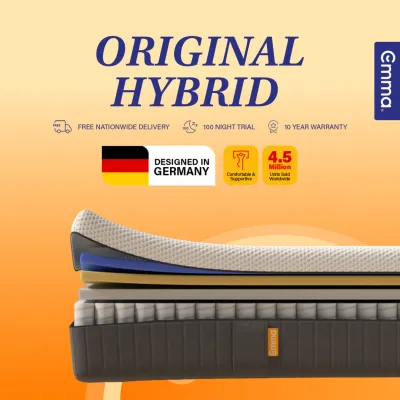
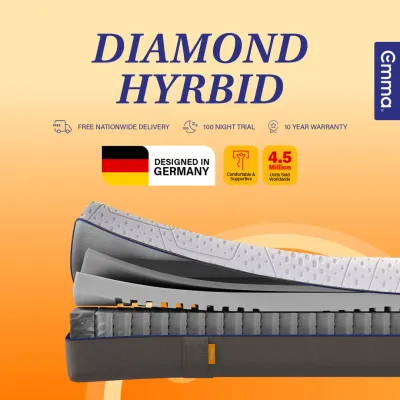
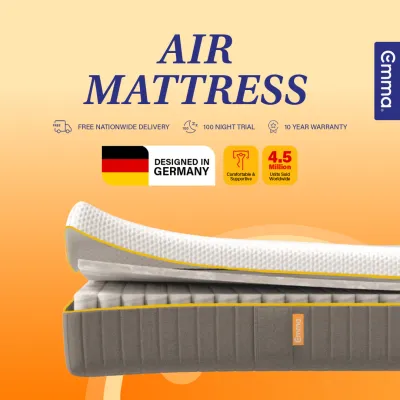
Prices are valid at publication and may change. Please refer to the product page for the latest price.
In the Philippines, high ambient humidity adds another layer of complexity. When the air is already saturated with moisture, it’s more difficult for your sweat to evaporate, which is your body’s natural cooling mechanism. A dense foam surface that isn’t designed for breathability can struggle to dissipate this moisture, potentially leading to a damp, clammy feeling over the course of the night, especially in rooms without air conditioning.
It’s important to set realistic expectations. While many manufacturers have developed innovative solutions to make memory foam cooler, the fundamental nature of the material means it will generally retain more heat than mattress types with significant internal airflow, such as innerspring or certain hybrid models. Understanding this helps you evaluate a specific mattress’s cooling features more critically.
Evaluating the Emma Mattress Specifications for Breathability
To determine if an Emma mattress is right for you, you need to move beyond general marketing claims and learn how to inspect its product specifications for features that directly address heat and humidity. Focus on the official manufacturer descriptions to verify the materials and construction.

Inspecting the Mattress Cover and Comfort Layers
The materials closest to your body have the most immediate impact on your sleep temperature. When reviewing the product details for an Emma mattress, pay close attention to the composition of its cover and top foam layers.
First, check the specifications for the mattress cover. Look for descriptions of the fabric, such as a breathable polyester blend or materials designed to be moisture-wicking. A removable and washable cover is also a practical feature for hygiene in a humid climate. The presence of mesh side panels can also indicate a design that prioritizes airflow.
Next, examine the descriptions of the upper comfort layers. Manufacturers use several techniques to counteract memory foam’s heat retention. Look for terms like “open-cell foam,” which has a less dense internal structure that allows air to move more freely. Other common features to check for are gel infusions or graphite particles, which are intended to draw heat away from the body, or aerated designs with small holes or perforations to improve ventilation. Always rely on the official product page for the specific model you’re considering, as features can vary.
Assessing the Support Core and Overall Airflow
The deeper layers of the mattress, known as the support core, play a crucial role in both durability and deep heat dissipation. A very thick, dense base can provide robust support but may also trap heat that has sunk through the comfort layers.
When you review the Emma mattress specifications, check for any features in the support foam designed to promote air circulation. Manufacturers often use computer-guided cutting to create channels, grooves, or zoned cutouts in the base layer. These structures are not just for ergonomic support; they create pathways for air to flow through the mattress, helping to vent out warm air and moisture.
Consider the trade-off here. A solid, high-density foam base is excellent for longevity and preventing sagging, but in a tropical environment, it absolutely requires a well-ventilated foundation to perform well. Without adequate airflow from below, heat can become trapped in the core of the mattress, gradually warming up your sleep surface throughout the night.
Optimizing Your Bedroom Setup to Prevent Heat and Moisture Buildup
Even with a technologically advanced mattress, your bedroom environment and accessories are critical for staying cool. Simple adjustments to your room and bedding can significantly improve your sleep quality on a memory foam mattress in a warm climate.
Choosing a Breathable Bed Base and Room Environment
The foundation your mattress rests on is just as important as the mattress itself for airflow. To maximize ventilation, it is highly recommended to use a slatted bed frame. Ensure the slats are sturdy and spaced no more than 2-3 inches apart to provide both adequate support and pathways for air to circulate underneath the mattress. This helps dissipate heat and allows any accumulated moisture to evaporate.
Avoid placing your memory foam mattress directly on the floor or on a solid platform bed. Both of these options completely block airflow from the bottom, creating a perfect environment for heat and moisture to get trapped. This can not only lead to a warmer sleep but may also risk mold or mildew growth over time in a consistently humid room.
Managing your room’s climate is also key. Using an air conditioner is the most effective way to control both temperature and humidity. If an AC unit isn’t an option, a ceiling fan or even a powerful stand fan can create airflow that helps with evaporative cooling. A dehumidifier can also be a worthwhile investment to keep ambient moisture levels in check, making the room feel more comfortable and reducing the burden on your mattress to manage moisture.
Selecting Cooling Bedding and Managing Humidity
Don’t sabotage a breathable mattress with the wrong bedding. Heavy, synthetic sheets like polyester or flannel can trap heat and moisture right against your skin. Instead, opt for sheets made from lightweight, natural fibers known for their breathability and moisture-wicking properties.
Look for bedding made from materials such as:
- Cotton: Percale weave cotton is particularly crisp and airy.
- Linen: Known for its exceptional coolness and ability to absorb moisture without feeling damp.
- Bamboo: Often praised for its soft feel and thermal-regulating properties.
Beyond your choice of sheets, simple daily habits can make a difference. In the morning, instead of making your bed immediately, pull back the duvet and sheets. This allows the mattress surface to air out and release any moisture and heat absorbed during the night. Finally, always follow the manufacturer’s care instructions for the mattress cover. Regular cleaning helps maintain hygiene and performance.
When to Consider Alternative Mattress Materials for Hot Sleepers
If you are a particularly hot sleeper or know that your bedroom has poor ventilation, memory foam—even an advanced model—might not be the ideal choice for you. If you’ve evaluated the Emma mattress and still have concerns, it’s worth understanding the main alternatives and how they compare on airflow.
Natural Latex mattresses are often recommended for hot climates. Latex foam naturally has an open-cell structure, and it is typically manufactured with pinholes (from the molding process) that create vertical channels for air to escape. This makes it inherently more breathable than most memory foams. It offers a more responsive, bouncy feel compared to the slow-sinking contour of memory foam.
Innerspring and Hybrid mattresses are typically the coolest options available. Innerspring mattresses have a core made entirely of steel coils with a thin comfort layer on top, creating a large, hollow interior with maximum airflow. Hybrid mattresses combine a supportive coil base with thicker top layers of foam or latex, offering a balance of pressure relief and breathability. The pocketed coil system in a hybrid still allows for significantly more air circulation than an all-foam construction.
Ultimately, the decision rests on your personal needs. If you prioritize the deep contouring and pressure relief of memory foam, an Emma mattress can work well in the Philippines, provided you choose a model with cooling features and optimize your sleep environment. However, if your top priority is maximizing coolness and airflow, exploring latex or hybrid options might lead to a more comfortable result. When you compare other brands, apply the same diligence: check the cover, the layers, and the support structure to verify their suitability for a tropical climate.
Frequently Asked Questions (FAQ)
Does memory foam attract mold in humid climates?
Memory foam itself is a synthetic material and is not an attractive food source for mold. However, it can trap moisture from sweat and high ambient humidity. If this moisture is combined with dead skin cells, poor ventilation, and warmth, it can create an environment on the mattress surface or within its cover where mold can grow. Using a slatted bed base, a waterproof and breathable mattress protector, and controlling room humidity are critical steps to prevent this.
Can I use a cooling mattress topper on an Emma mattress?
Yes, adding a cooling topper can be an effective way to adjust the temperature of your sleep surface. A topper made from a breathable material like perforated latex, or one infused with cooling gels, can add a layer of ventilation and heat dissipation. However, before purchasing one, it is very important to check the Emma mattress warranty. Some mattress warranties may be voided if the use of a third-party topper is found to have altered the mattress’s intended performance or caused damage.
How long does it take for a memory foam mattress to off-gas in a hot room?
New memory foam mattresses can release volatile organic compounds (VOCs), which have a distinct chemical odor. This process is called off-gassing. Higher temperatures can actually accelerate this process, meaning the smell might be more intense initially but may also dissipate faster in a hot room compared to a cold one. To manage this, unbox your new mattress in a well-ventilated room. Open windows and use fans to circulate air and help clear the odor, typically within the first 24 to 72 hours.

Community discussion
Share your experience or ask a question. Comments are reviewed before publication.