
Choosing a mattress in the Philippines is a unique challenge. With year-round high temperatures and relative humidity levels that frequently climb above 80 percent, a bed that feels comfortable in a showroom can quickly become a heat trap at home. The Emma mattress has emerged as a highly popular option in the local bedding market, praised for its pressure relief and motion isolation. However, because its signature models rely heavily on memory foam, many local shoppers wonder if this material can withstand the demanding tropical climate.
Quick Answer: Is the Emma Mattress Right for Tropical Climates?
While traditional memory foam is notorious for trapping body heat, the Emma mattress incorporates engineered design elements, such as open-cell foam layers, to actively promote breathability. Whether an Emma mattress is suitable for your home depends heavily on the specific model you choose and your bedroom’s cooling setup. For those sleeping in air-conditioned rooms, the all-foam models offer excellent comfort and pressure relief without excessive heat buildup. However, if you sleep in a fan-cooled room or are highly sensitive to heat, opting for an Emma hybrid model—which pairs foam with pocket springs—is highly recommended to ensure adequate airflow.
How Memory Foam Reacts to Heat and High Humidity
To understand how the Emma mattress performs in the Philippines, it helps to look at how viscoelastic memory foam behaves under tropical conditions. Standard memory foam is a dense, high-density polyurethane material that reacts to both pressure and temperature. When you lie down, your body heat softens the foam, allowing it to contour closely to your physical shape. While this provides excellent spinal alignment and pressure relief, the dense cellular structure of the foam inherently restricts airflow, trapping your body heat directly beneath you.
Products mentioned in this guide
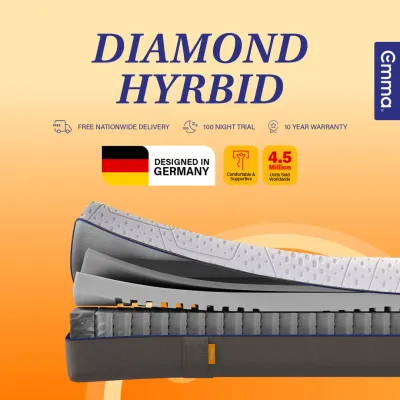
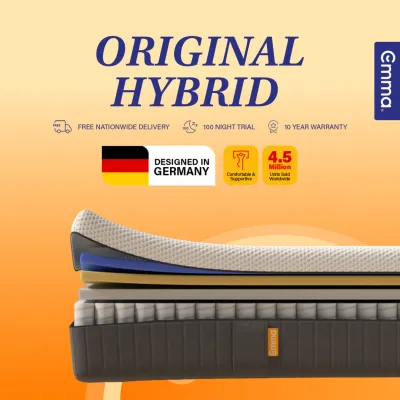
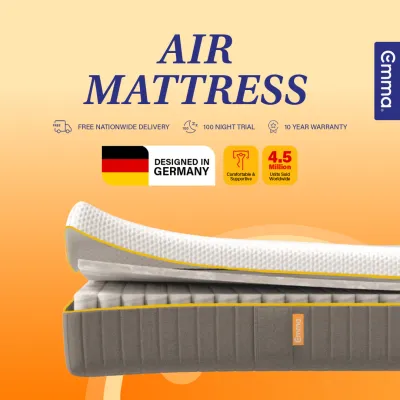


Prices are valid at publication and may change. Please refer to the product page for the latest price.

High ambient humidity adds another layer of complexity to memory foam performance. In the Philippines, particularly during the rainy season from June to November, the air carries substantial moisture. Because memory foam is porous, it can absorb ambient humidity along with body sweat. If this moisture cannot escape, the mattress surface can begin to feel clammy, heavy, and warm. Over time, trapped moisture does not just impact sleeping comfort; it can also affect the foam’s structural responsiveness, temporarily making it feel softer or less supportive than intended.
Evaluating Emma’s Cooling and Breathability Specifications
When shopping for an Emma mattress, it is essential to look beyond marketing claims and evaluate the specific cooling technologies and structural features listed on the product label or official manufacturer specifications.
Cover Materials and Airflow Design
The first line of defense against heat is the mattress cover. Emma mattresses typically feature a removable, washable top cover made from a polyester and elastane blend. This fabric is specifically engineered to be lightweight and moisture-wicking, helping to draw sweat away from your body.
Beneath the cover, look for specifications detailing the foam structure. Emma utilizes open-cell foam technology, often referred to as Airgocell foam. Unlike traditional closed-cell foams, which lock air inside tiny pockets, open-cell foam features an interconnected cellular structure that acts like a network of miniature ventilation shafts. This design allows air to circulate more freely when you move, helping to pump warm air out of the mattress. Some models also incorporate gel-infused layers, which use conductive gel particles to absorb and dissipate initial body heat. Because product specifications and layer compositions can vary by production batch and specific model lines, always verify the exact material breakdown on the product label before finalizing your purchase.
All-Foam vs. Hybrid Construction
One of the most critical decisions you will make is choosing between an all-foam construction and a hybrid design. The classic all-foam Emma mattress relies entirely on layers of memory foam and support foam. While this provides maximum motion isolation—preventing you from feeling a partner tossing and turning—it offers less space for natural ventilation.
In contrast, Emma’s hybrid models combine top foam layers with a core of pocket springs. This structural difference is highly consequential for tropical climates. The pocket spring layer is essentially a chamber of open air, allowing heat to escape downward and dissipate outward through the sides of the mattress. If you are a hot sleeper or live in a home without consistent air conditioning, a hybrid model is generally the superior choice because it physically prevents heat from pooling in the lower layers of the bed.
Matching the Mattress to Your Bedroom Environment
Your bedroom’s cooling setup is the single largest factor in determining how comfortable an Emma mattress will feel.
Air-Conditioned Rooms
If you consistently run an air conditioner in your bedroom, memory foam performs exceptionally well. When the ambient room temperature is maintained around 22°C to 24°C, the top layers of the mattress remain cool to the touch. The air conditioning actively strips moisture from the air, preventing the foam from absorbing excess humidity. In this environment, the heat-retaining properties of the foam are largely neutralized, allowing you to enjoy the deep contouring and pressure relief of an all-foam model without waking up hot.
Fan-Cooled or Naturally Ventilated Rooms
Sleeping in a room cooled only by ceiling or standing fans presents a different scenario. Without active climate control, the ambient temperature and humidity inside the room will match the outdoor tropical environment. In these conditions, the mattress’s ability to wick moisture and dissipate heat is put to the test. If you do not use air conditioning, we strongly advise choosing a hybrid model and pairing it with highly breathable bed sheets made from natural fibers like bamboo, tencel, or long-staple cotton. Avoid synthetic polyester sheets, which trap heat and will negate any cooling technology built into the mattress.
Delivery, Dimensions, and Space Planning
Before committing to any mattress model, it is crucial to measure your bedroom space and existing bed frame. Check the finished dimensions of the mattress—such as Queen (150cm x 190cm) or King (180cm x 190cm)—to ensure a perfect fit with your frame’s interior lip. Additionally, consider delivery logistics. Emma mattresses are shipped compressed in a compact box, which makes navigating narrow condominium corridors, tight stairwells, or small residential lifts much easier. However, once you cut the vacuum seal, the mattress will rapidly expand to its full height and weight. Ensure you have adequate floor space cleared for this expansion, and verify that your bed frame can support the weight of a heavy hybrid mattress.
Tropical Mattress Care: Preventing Moisture and Mold
Maintaining a mattress in a high-humidity environment requires proactive care to prevent the buildup of moisture, dust mites, and mold.
Ventilation and Moisture Control
A simple but highly effective habit is to avoid making your bed immediately after waking up. Pull the blankets and sheets completely back to the foot of the bed, leaving the mattress surface exposed to the open air for at least 30 to 60 minutes. This allows the heat and perspiration accumulated during the night to evaporate naturally.
On dry, sunny days, open your bedroom windows to encourage cross-ventilation. You can also periodically strip the bedding entirely and let the mattress air out in a well-ventilated room. However, never expose the bare foam layers to direct, harsh tropical sunlight, as ultraviolet rays can rapidly degrade the polyurethane structure, causing the foam to crumble and lose its supportive properties. During the humid monsoon season, running your air conditioner on “dry” mode or using a standalone dehumidifier in the bedroom can help keep indoor humidity levels within a safe, dry range.
Cleaning and Protecting the Surface
To safeguard your investment, always use a high-quality, breathable, and waterproof mattress protector. In a tropical climate, a standard non-waterproof cover is rarely enough to block sweat from seeping into the core foam layers. Look for protectors that utilize a breathable polyurethane membrane rather than a cheap PVC backing; this ensures liquid protection without creating a noisy, heat-trapping plastic barrier.
If you need to clean a spill or stain, always consult the manufacturer’s care instructions first. For general spot cleaning, use a mild detergent diluted with water and apply it gently with a damp, clean cloth. Never saturate the mattress, as foam acts like a sponge and is incredibly difficult to dry once thoroughly wet. If moisture remains trapped deep inside the foam, it creates an ideal breeding ground for mold and mildew. After spot cleaning, use a dry towel to press out excess moisture and allow the mattress to air-dry completely—assisted by a floor fan if necessary—before putting the sheets back on.
Alternative Mattress Materials for Hot Sleepers
If you are highly sensitive to heat and remain concerned about the thermal properties of memory foam, it is worth comparing Emma’s construction with alternative mattress materials.
- Natural Latex: Natural latex is harvested from rubber trees and features a naturally open-cell structure. It is highly resilient, bouncy, and does not contour as closely to the body as memory foam, meaning you sleep "on" the mattress rather than "in" it. This minimal body contact, combined with pincore ventilation holes molded into the latex, makes it one of the coolest sleeping surfaces available. However, natural latex mattresses are typically much heavier and carry a significantly higher price tag than memory foam or hybrid options.
- Traditional Innerspring: Traditional innerspring mattresses rely on a network of interconnected steel coils topped with thin layers of fiber padding. Because the interior of the mattress is almost entirely open air, they offer unmatched ventilation and heat dissipation. However, they lack the contouring pressure relief and motion isolation of memory foam. If you share a bed, you are much more likely to feel your partner's movements on a traditional innerspring.
- Memory Foam and Hybrids: Emma’s hybrid models attempt to bridge this gap, offering the contouring comfort of foam with the airflow benefits of pocket springs. While they may not sleep quite as cool as pure natural latex, they provide a balanced middle ground in terms of pressure relief, temperature regulation, and overall budget.
Frequently Asked Questions (FAQ)
Does the Emma mattress cover help with night sweats?
The cover of the Emma mattress is designed with breathable, moisture-wicking fibers that help draw sweat away from the skin and encourage evaporation. However, the cover alone cannot completely eliminate night sweats if the bedroom lacks adequate ventilation or if the underlying foam layers are trapping significant body heat. For the best results in hot weather, pair the mattress with lightweight sheets made from natural, breathable fibers like bamboo or tencel.
Will the Emma mattress sag faster in high humidity?
High ambient humidity does not directly cause high-quality foam to sag; sagging is primarily a result of physical weight, pressure, and the density of the materials used. However, if a mattress constantly absorbs and retains moisture from sweat and humid air without being allowed to dry, the internal fibers and foam structure can degrade more rapidly over time. Using a breathable waterproof protector and ensuring proper air circulation will help maintain the mattress’s structural integrity.
Is a bed frame with slats necessary for the Emma mattress in the Philippines?
Yes, using a slatted bed frame is highly recommended for any memory foam or hybrid mattress in a humid climate. Slats provide a sturdy support base while leaving open gaps that allow air to circulate beneath the mattress. This bottom-up ventilation is critical for dissipating trapped body heat and preventing moisture buildup, which can otherwise lead to mold growth on the underside of the mattress if placed on a solid platform or directly on the floor.

Community discussion
Share your experience or ask a question. Comments are reviewed before publication.