
A Jolly Foam single size mattress can be a practical and budget-friendly sleeping surface in the Philippines, but its suitability for hot and humid weather is highly conditional. Because the tropical climate brings both high temperatures and elevated relative humidity, any solid foam mattress requires careful selection and active maintenance. Standard polyurethane foam naturally tends to trap body heat and absorb moisture from the air, which can lead to a warm sleeping surface and an increased risk of mold or mildew if left unmanaged.
To ensure a comfortable night’s sleep, you must look beyond the brand name and evaluate the specific foam density, cell structure, and cover material of the model you choose. Your sleep comfort will also depend heavily on your bed frame setup, bedding choices, and daily maintenance habits. By understanding how foam behaves in tropical conditions and taking proactive steps to promote airflow, you can successfully use a single-size foam mattress without sacrificing comfort or hygiene.
Understanding Foam Mattresses in Tropical Climates
Different foam materials react uniquely to the intense heat and humidity characteristic of the Philippine climate. Standard polyurethane foam, which is the most common material in entry-level mattresses, consists of tiny closed or open cells that can trap pockets of warm air. Memory foam is even more notorious for heat retention because it responds to body heat to contour to your shape, often creating a “sink-in” effect that restricts air circulation around your body. In contrast, natural latex offers natural ventilation due to its open-cell structure and pincore holes, though it typically comes at a higher price point.
Products mentioned in this guide

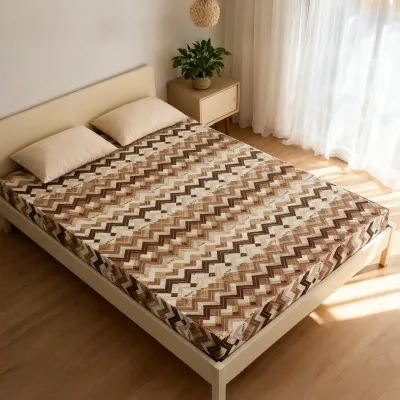
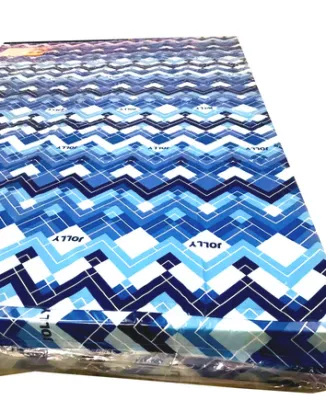
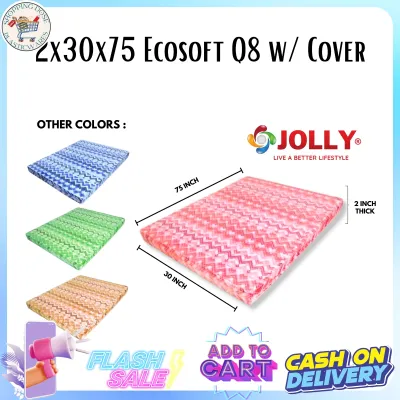
Prices are valid at publication and may change. Please refer to the product page for the latest price.
High ambient humidity also directly impacts the physical properties of foam mattresses. When the air is saturated with moisture, polyurethane foam can absorb this dampness, which temporarily softens the material and reduces its supportive recovery. This means your mattress might feel noticeably softer and less supportive during the rainy season than it does during the dry, cool months. Furthermore, trapped moisture on the surface of the foam creates an ideal breeding ground for dust mites, bacteria, and mold, which can compromise both the mattress’s lifespan and your respiratory health.
It is crucial to recognize that simply buying a mattress labeled with a specific material name does not guarantee a cool sleep. The actual deciding factors are the structural design of the foam and the presence of dedicated airflow pathways. For instance, an open-cell foam design allows air to pass through the material more freely when you move, helping to dissipate heat. Without these structural pathways or a highly breathable outer cover, even high-quality foam will eventually accumulate heat and moisture over the course of the night.
Key Specifications to Check on Your Jolly Foam Mattress
Before finalizing your purchase or setting up your new bed, you should carefully inspect the manufacturer’s label and product specifications to assess its climate suitability. Look closely for indications of foam density and cell structure. High-density foams generally offer better support and durability, but they can also trap more heat if they lack an open-cell structure. If you are shopping for a model with memory foam layers, check if the foam has been treated with cooling agents, such as gel infusions, which help absorb and distribute initial body heat away from the surface.

The mattress cover fabric is your primary line of defense against heat and sweat, making it a critical specification to verify. Look for covers made from breathable, moisture-wicking fibers like cotton, bamboo-derived rayon, or specialized cooling synthetics. A removable and washable cover is highly beneficial in a humid climate, as it allows you to regularly strip away accumulated sweat, skin cells, and oils that can clog the fabric and restrict airflow into the foam layers below.
Additionally, you must verify the exact dimensions of your single size mattress to ensure a proper fit on your bed frame. In the Philippines, a standard single mattress typically measures 36 inches by 75 inches (approximately 91 cm by 190 cm), but variations exist among different manufacturers and imported frames. Measuring both your mattress and the interior dimensions of your bed frame is essential; an oversized mattress that is squeezed into a tight frame will compress the foam edges, closing off vital air channels and trapping heat. Conversely, a mattress that overhangs the frame without proper support can warp over time and restrict under-bed ventilation.
Moisture and Mold Prevention: Daily Care and Maintenance
Preventing mold growth and extending the life of your foam mattress in a humid environment requires a consistent daily and weekly care routine. One of the simplest yet most effective habits is to avoid making your bed immediately after waking up. Instead, pull back the sheets and blankets for at least thirty minutes to allow the moisture accumulated from your body heat and sweat during the night to evaporate into the room. Keeping your bedroom well-ventilated by opening windows during dry hours or running a ceiling fan helps circulate fresh air and lower the relative humidity around the bed.
If you live in an exceptionally humid area or during the peak of the monsoon season, utilizing a dehumidifier in your bedroom can significantly protect your mattress. Dehumidifiers pull excess moisture from the air, keeping the indoor relative humidity closer to the ideal 30% to 50% range, which discourages mold spores from settling on your bedding. When cleaning spills, sweat stains, or accidental liquid messes, always use low-moisture cleaning methods. Avoid saturating the foam with water or liquid cleaners, as deep foam layers take an exceptionally long time to dry in humid weather; instead, spot-clean with a damp cloth and mild detergent, then use a dry towel to press out excess moisture.
Never remake the bed until the mattress is completely dry. You can speed up the drying process by placing a portable fan nearby or positioning the mattress in a well-ventilated room away from direct, harsh sunlight, which can degrade certain foam materials. Finally, establish a regular rotation schedule for your single mattress. Rotating the mattress 180 degrees every three to six months ensures even wear and tear, prevents permanent body impressions that can trap heat, and exposes different sections of the mattress to ambient airflow.
Room Setup and Bedding Choices for Better Airflow
The environment surrounding your mattress plays a massive role in how cool it sleeps and how well it resists moisture. To maximize ventilation, always pair your foam mattress with a slatted bed frame rather than a solid platform base or placing it directly on the floor. Slatted bases, whether made of wood or metal, allow air to circulate freely beneath the mattress, preventing body heat and rising humidity from becoming trapped in the bottom layers of the foam. Ensure the slats are spaced closely enough to provide adequate support—typically no more than three inches apart—to prevent the foam from sagging between them.
Your choice of bedding is just as critical as the mattress itself when it comes to temperature regulation. Avoid synthetic sheets made of polyester or microfiber, as these materials act as heat barriers that trap warm air and sweat against your skin. Instead, opt for breathable, natural-fiber bed sheets such as long-staple cotton, linen, or bamboo. These fabrics naturally wick moisture away from your body and allow air to pass through easily, enhancing the cooling properties of your mattress’s cover.
Managing your overall bedroom climate will also yield a much more comfortable sleep experience. If you use an air conditioner, setting it to a moderate, comfortable temperature can help lower both the room’s temperature and humidity levels, allowing the foam mattress to remain firm and supportive. For rooms relying solely on fans, positioning a floor fan or wall fan to blow air across the bed surface can facilitate evaporative cooling, helping to sweep away the envelope of warm, humid air that naturally builds up around your body while you sleep.
When to Consider Alternative Mattress Types
Despite your best efforts with maintenance and room setup, a solid foam mattress may not be the right fit for every sleeper in a tropical climate. If you consistently wake up drenched in sweat, experience chronic overheating, or notice a persistent musty odor that does not go away after airing out the mattress, these are clear signs that your current sleep setup is struggling with the local humidity. Persistent dampness or the visible appearance of small black spots on the underside of the mattress indicates that moisture is trapped, which can pose health risks and suggests it is time to evaluate other options.
For individuals who naturally sleep very hot, innerspring or hybrid mattresses generally offer enhanced airflow compared to solid foam models. Innerspring mattresses feature an open network of metal coils that allows air to move freely through the entire core of the bed, preventing heat from accumulating. Hybrid mattresses combine this breathable coil base with a thinner top layer of foam, giving you the contouring comfort of foam without the heat-trapping drawbacks of a solid foam block.
When evaluating alternative mattress options, use a simple checklist based on your budget, available space, and specific cooling needs. Consider whether you prefer the contouring feel of foam or the responsive bounce of springs, and check if your existing bed frame can support a heavier hybrid or innerspring mattress. If you decide to stick with a foam mattress due to budget constraints or space limitations in a small room, prioritize models that feature advanced open-cell technology, gel infusions, and highly breathable, natural-fiber covers to give yourself the best chance of staying cool and dry.
Frequently Asked Questions (FAQ)
Can I use a waterproof mattress protector in humid weather?
Using a standard, fully waterproof mattress protector in a hot and humid climate can be a double-edged sword. While it successfully shields the foam from sweat, spills, and moisture, non-breathable plastic or vinyl backings act as a vapor barrier that traps body heat and prevents air from circulating through the mattress. This can make your bed feel significantly hotter and cause you to sweat more. To balance protection and comfort, look for water-resistant protectors that feature a breathable polyurethane membrane paired with a natural fiber top layer, such as cotton terry or bamboo, which allows heat to escape while still blocking liquid penetration.
How often should I air out my foam mattress?
In the Philippines, you should aim to air out your foam mattress at least once a week by stripping off all bed sheets, protectors, and pillowcases for a few hours. This routine is especially important during the humid rainy season when moisture levels in the air are consistently high. During these damp months, try to coordinate your airing routine with dry, sunny days, keeping your bedroom windows open or running a fan to maximize indoor air circulation. During the dry season, airing the mattress once every two weeks is generally sufficient, provided your room remains well-ventilated and you do not experience excessive night sweats.

Community discussion
Share your experience or ask a question. Comments are reviewed before publication.