
Quick Answer: Evaluating the Hammock for Your Space
Determining whether the Lazy Hitch Hiker hammock is suitable for your home comes down to a few critical spatial and structural verifications. Because residential layouts in the Philippines vary widely—from compact high-rise condo balconies to spacious suburban gardens—there is no single answer.
Your success with this specific model depends entirely on matching its physical dimensions, required hanging span, and weight limits with your actual living environment. Before making a purchase, you must check the manufacturer’s official specifications for the exact clearance and anchor requirements.
The primary decision framework involves three steps: measuring your physical area, identifying certified load-bearing anchor points, and reviewing the product’s care labels to ensure the materials can withstand local tropical conditions. Taking these precautions prevents structural damage and ensures a safe, relaxing experience.
Products mentioned in this guide
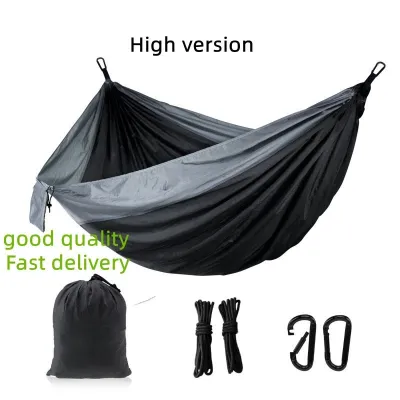
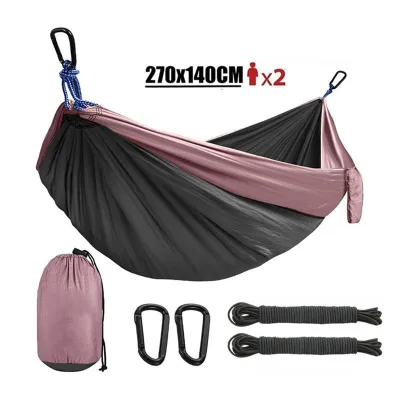
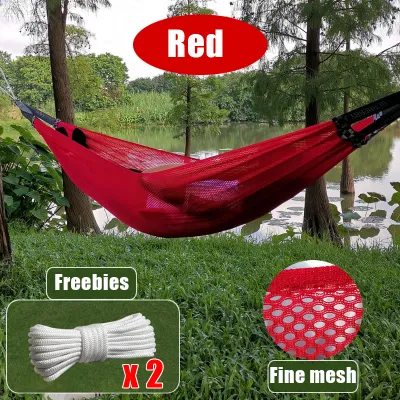
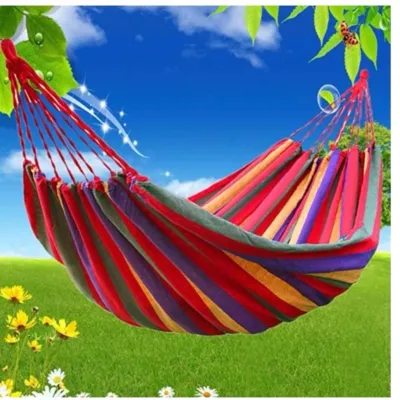


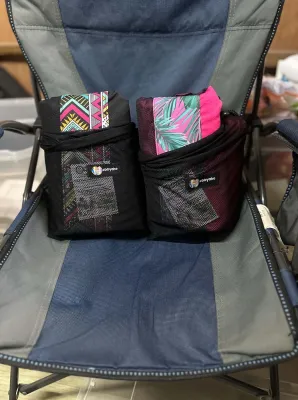
Prices are valid at publication and may change. Please refer to the product page for the latest price.
Space Planning: Measuring Your Balcony for Safe Clearance
Balcony installations require precise spatial planning to ensure safety and comfort. To begin, you must measure both the linear distance between your intended mounting points and the diagonal clearance of the space.

Many modern Philippine condominiums feature narrow balconies where sliding door tracks, structural columns, and built-in planters can significantly restrict your usable footprint. Use a metal measuring tape to map out these boundaries, keeping in mind that a hammock requires a specific distance to hang with a natural, comfortable sag.
Beyond the static length of the hammock, you must account for dynamic movement. When in use, a hammock naturally sways, requiring a generous buffer zone on either side.
Ensure there is sufficient clearance so that the fabric and your body will not collide with concrete walls, glass sliding doors, or balcony railings. A collision with glass panels is particularly hazardous, making it essential to maintain a safe distance from any glazed surfaces.
The layout of your balcony also dictates how the hammock affects your daily household flow. You must ensure that the fully extended hammock does not block pathways to emergency exits, laundry drying areas, or utility closets.
If your balcony serves as a primary exit route or houses air conditioning condenser units, a permanently hung hammock may create an inconvenient obstacle. Consider whether the hammock can be easily unhooked and stored when not in use to keep these high-traffic zones clear.
Finally, take note of the vertical clearance. Measure the height of your proposed anchor points from the balcony floor.
If the anchors are placed too low, the center of the hammock will sag to the ground under your weight. Conversely, placing them too high can make getting in and out of the hammock difficult and unsafe. Always cross-reference your vertical measurements with the manufacturer’s installation guidelines to find the ideal hanging height.
Garden Placement: Navigating Ground-Level Constraints
Setting up a hammock in a garden offers more spatial freedom than a balcony, but it introduces unique ground-level challenges. You must first decide whether to hang the hammock between existing structures or use a dedicated freestanding stand.
Utilizing mature trees or concrete fence posts can provide a classic, sturdy setup, but you must verify that these natural anchors are healthy and structurally sound. If you choose a freestanding stand, you must ensure you have a flat, level area large enough to accommodate the stand’s wide base.
Ground conditions play a critical role in garden safety. Unlike solid concrete balcony floors, garden soil can become soft and unstable, especially during the heavy rains of the wet season.
If you are using a hammock stand, place it on a paved patio, a stable deck, or well-compacted ground to prevent it from tipping or sinking into the mud. For tree-hung setups, ensure the ground beneath the hammock is free of sharp rocks, roots, or garden ornaments that could cause injury during entry or exit.
Overhead hazards are another crucial consideration in tropical gardens. Before finalizing your placement, look upward to check for low-hanging branches, roof eaves, or outdoor lighting fixtures.
Falling debris, such as dry leaves, twigs, or heavy tropical fruits, can pose a safety risk. Additionally, positioning the hammock directly under roof eaves may expose it to heavy water runoff during sudden downpours, leading to premature wear of the fabric and suspension straps.
Structural Safety: Verifying Anchor Points and Load Limits
Structural integrity is the most critical factor when installing any hanging furniture. Before drilling holes or wrapping suspension straps, you must verify the load-bearing capacity of your chosen support structures.
In typical Philippine homes, solid concrete columns, reinforced masonry walls, and thick, structural wooden posts are generally suitable for supporting dynamic loads. However, you must never assume a wall is load-bearing without verifying its construction.
It is extremely dangerous to anchor a hammock to non-structural elements. Balcony glass frames, lightweight drywall partitions, hollow concrete blocks without proper reinforcement, and decorative wooden panels are not engineered to withstand lateral tension.
When a person sits in a hammock, the horizontal force exerted on the anchors can be several times the user’s actual body weight. Attaching hardware to weak materials can result in sudden structural failure, causing severe injury and costly property damage.
If you live in a condominium or a managed subdivision, you must consult your building administration or homeowners’ association guidelines before proceeding. Many residential buildings have strict rules regarding drilling into exterior walls or altering balconies.
If you are unsure about the structural limits of your walls or lack the tools to perform a secure installation, hire a qualified local contractor or structural engineer to assess the site and install the mounting hardware safely.
When using suspension straps around trees or posts, inspect the surface texture. Rough concrete or abrasive tree bark can gradually wear down nylon or polyester straps through friction.
Consider using tree-protector sleeves or choosing hardware designed to minimize wear on both the anchor and the suspension system. Regularly check that all knots, carabiners, and wall anchors remain tightly secured and show no signs of slipping or loosening over time.
Climate Upkeep: Checking Weather Resistance and Care Labels
The Philippine climate presents a demanding environment for outdoor furniture, characterized by intense solar radiation, high humidity, and torrential rains. To ensure the longevity of your Lazy Hitch Hiker hammock, you must carefully review the manufacturer’s care labels and product tags.
Look for specific indications regarding UV resistance, water repellency, and mold or mildew prevention. Materials that lack these protective treatments can degrade rapidly when exposed to the elements.
Even if the hammock fabric is rated for outdoor use, implementing a seasonal storage routine is highly recommended. During the monsoon and typhoon seasons, high winds and prolonged moisture can saturate the fabric, leading to mold growth and weakened fibers.
To prevent this, unhook the hammock during heavy rains and store it in a dry, well-ventilated indoor space. If indoor storage is not feasible, invest in a high-quality, waterproof protective cover designed to shield the entire unit from moisture and debris.
Regular visual inspections are essential to maintaining a safe hanging setup. At least once a month, examine the hammock fabric for any signs of fraying, thinning, or color fading, which can indicate UV damage.
Inspect the suspension straps for worn stitching and check all metal hardware, such as carabiners, S-hooks, and wall mounts, for rust or corrosion. In coastal areas where salty air accelerates rusting, these inspections should be performed more frequently, and any compromised components must be replaced immediately.
Frequently Asked Questions (FAQ)
Can I hang the hammock on a standard balcony railing?
No, you should avoid hanging a hammock directly from a standard balcony railing. Most residential railings are designed to resist outward pushing forces to prevent falls, but they are not engineered to support the intense, concentrated lateral pull generated by a suspended hammock.
Attaching straps to a railing can bend the metal, loosen the anchor bolts securing the railing to the concrete, or cause a complete structural failure. Always use certified structural walls, concrete columns, or a dedicated freestanding stand instead.
Do I need a freestanding stand if my balcony lacks solid walls?
If your balcony lacks solid concrete walls or if building regulations prohibit drilling, a freestanding stand is an excellent alternative. However, you must carefully evaluate the stand’s physical footprint and weight before purchasing.
Typical hammock stands require a significant amount of floor space, which can easily overwhelm a small balcony and block essential walkways. Ensure that the stand’s dimensions allow for safe movement around it and that its total weight, combined with your body weight, does not exceed the allowable load limit of your balcony floor.

Community discussion
Share your experience or ask a question. Comments are reviewed before publication.