
Preparing for a lipat bahay in the Philippines requires a strategic approach to packing. Between navigating tight condo hallways, loading items into a moving truck, and dealing with unpredictable tropical weather, your choice of storage containers can make or break your moving day. While heavy-duty plastic bins and corrugated cardboard boxes are the traditional workhorses of relocation, many homeowners look to repurpose their existing home decor items to save money and reduce waste. The Nikko Magnolia rattan basket, a popular choice for home organization and aesthetic storage, often comes up as a candidate for this crossover role. However, using a decorative basket for transit requires a careful understanding of its structural limits and the unique demands of a house move.
To determine if a container is suitable for moving, you must evaluate how well it handles the physical stresses of loading, transport, and unloading. A successful move relies on containers that can withstand being stacked, protect their contents from environmental hazards, and remain easy to carry without breaking. While a premium woven basket looks beautiful on a living room shelf, its performance inside a moving vehicle is governed by different rules than those of a climate-controlled home. Understanding these differences is key to preventing damaged belongings and ruined storage pieces.
What Makes a Good Storage Container for a Lipat Bahay?
An effective moving container must fulfill several practical requirements to ensure your belongings arrive at your new home intact. First and foremost, it must offer excellent stackability. Moving trucks have limited floor space, meaning containers must be stacked vertically to maximize the load. A good moving bin features flat, rigid surfaces that can support the weight of other boxes without collapsing or shifting during transit.
Products mentioned in this guide
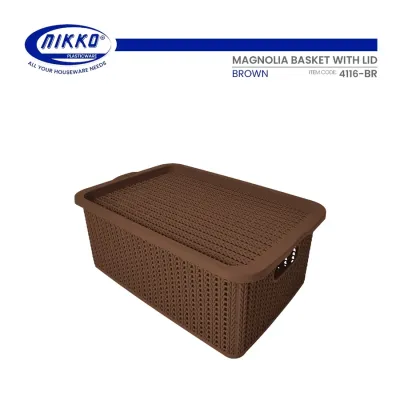
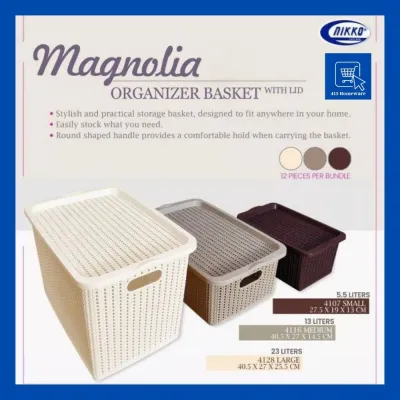
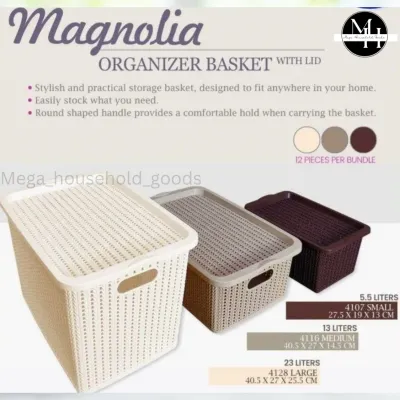
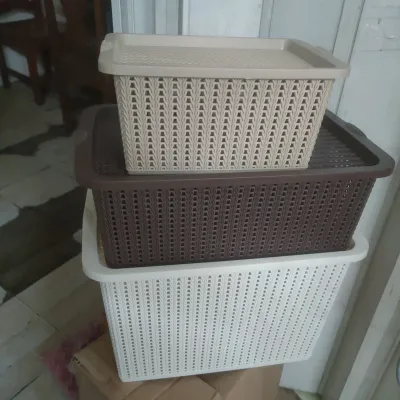
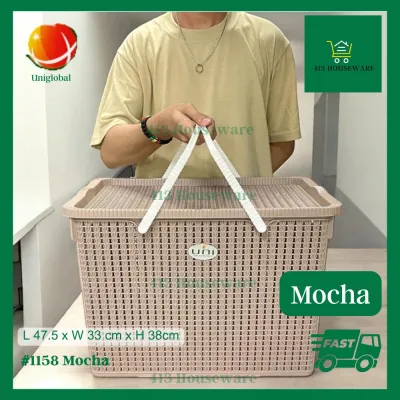
Prices are valid at publication and may change. Please refer to the product page for the latest price.
Weight distribution and structural integrity are equally critical. When a mover lifts a container, the handles and base must bear the concentrated weight of the contents without warping, tearing, or buckling. In the Philippines, where moves often involve navigating steep stairs, narrow doorways, and uneven pathways, a container must be robust enough to handle sudden movements and physical impacts.
Environmental protection is another major consideration. The local climate is characterized by high humidity, intense heat, and sudden tropical downpours, especially during the monsoon season. Road dust and exhaust fumes can also penetrate poorly sealed containers during transit. A reliable moving bin should shield your items from these external elements, keeping them dry, clean, and free from pests.
Decorative home storage items, such as woven baskets, are designed for static use, aesthetic appeal, and breathability. They excel at keeping everyday items organized and accessible while adding warmth to your interior decor. Heavy-duty transit bins, on the other hand, prioritize utility, impact resistance, and airtight seals. While it is possible to use decorative containers like the Nikko Magnolia rattan basket for a move, doing so requires matching them with the right types of cargo and taking extra protective measures.
Evaluating the Nikko Magnolia Rattan Basket for Moving
To decide whether the Nikko Magnolia rattan basket can handle the rigors of a lipat bahay, we must analyze its physical properties, structural design, and material characteristics against the demands of active transit.

Weight Capacity and Structural Durability
Natural rattan and high-quality synthetic rattan blends are celebrated for their impressive strength-to-weight ratio and natural flexibility. In home organization, these materials allow baskets to hold a variety of household items while maintaining their shape over years of use. However, woven structures distribute weight differently than solid plastic or wood. The strength of a rattan basket relies on the tightness of the weave and the integrity of its frame.
Before packing the Nikko Magnolia basket, you should inspect the manufacturer’s label or product documentation to verify its maximum weight capacity. Exceeding this limit during a move poses significant risks. When a heavily loaded woven basket is lifted, the concentrated stress on the handles can cause the fibers to unravel or snap. Furthermore, heavy contents can cause the bottom panel to sag, permanently distorting the basket’s shape or causing the base to blow out entirely if it bumps against a hard surface.
To safely assess the basket’s load limits, consider these steps:
- Inspect the frame: Gently press against the corners and rim to feel if the internal support frame is made of solid wood, thick rattan poles, or metal.
- Check the handle attachments: Examine how the handles are integrated into the weave. Handles that are woven directly into the main body frame are significantly stronger than those simply stitched or glued onto the exterior.
- Test the base flexibility: Place a light object inside and lift the basket. If you notice any visible bowing or sagging at the bottom, the basket is not suitable for carrying heavy or dense items.
Stackability and Space Optimization
Efficient space utilization is essential for minimizing the number of trips your moving truck has to make. Standard utility boxes are designed with straight, vertical walls and recessed lids that lock together when stacked. The Nikko Magnolia rattan basket, like many decorative woven pieces, may feature slightly tapered sides or a flared rim, which can create empty, unusable gaps when placed side-by-side in a tight cargo area.
Furthermore, the stackability of a basket depends heavily on its lid design. If the Nikko Magnolia model features a soft, unreinforced lid or an overhanging cover without a solid internal support structure, placing another heavy box on top of it will cause the lid to cave in. This can damage both the basket and the items stored inside.
If you plan to use this basket in a moving vehicle, follow these placement strategies:
- Top-tier placement: Position the basket at the very top of a stack of heavier, sturdier boxes so that no weight is pressed down upon its lid.
- Under-seat or cabin storage: If the basket contains delicate personal items, place it in the passenger cabin of the vehicle or under a seat where it is protected from shifting cargo.
- Secure blocking: Wedge the basket between flat, heavy boxes to prevent it from sliding or tipping over when the vehicle negotiates sharp turns or bumpy roads.
Protection Against Dust and Moisture
One of the greatest highlights of rattan is its natural breathability. The tiny gaps in the woven pattern allow air to circulate freely, which is excellent for preventing musty odors in your home. However, during a move, this breathability becomes a vulnerability. Road dust, soot, and insects can easily find their way through the weave, settling on your packed belongings.
Moisture is an even greater concern in the Philippines, where humidity levels are consistently high and sudden rain showers are common. If a rattan basket is exposed to damp conditions during loading or carried through a downpour, the woven material will absorb moisture. Unlike plastic, which can be easily wiped dry, damp rattan can trap water in its crevices, creating an ideal breeding ground for mold and mildew.
Because the Nikko Magnolia basket does not offer an airtight or watertight seal, it should never be treated as a primary shield against the elements. If you are moving during the rainy season or traveling a long distance, you must use secondary protective barriers to keep your items safe from water damage and dust accumulation.
What to Pack (and What to Avoid) in Rattan Baskets
To maximize the utility of your Nikko Magnolia rattan basket while preserving its condition, you must carefully select what goes inside. Matching the basket with the appropriate household goods ensures a smooth move and prevents damage to your belongings.
Ideal Items for Rattan Storage
The best items to pack in a rattan basket are those that are lightweight, bulky, and resilient. Because these items do not exert excessive downward pressure on the base, they allow you to utilize the basket’s volume without risking structural damage.
Consider packing the following items in your basket:
- Bedding and linens: Folded bedsheets, pillowcases, light blankets, and towels fit perfectly and help cushion the interior of the basket.
- Soft apparel: Use the basket for lightweight clothing, such as t-shirts, activewear, and children's clothes, which do not place heavy stress on the handles.
- Plush toys and pillows: Bulky but featherlight items like throw pillows and stuffed animals are ideal because they benefit from the basket's protective walls without adding weight.
The natural breathability of rattan is highly advantageous for these textiles. If your move takes a few days, storing fabrics in a breathable container prevents the buildup of trapped moisture and stale odors, ensuring your linens arrive smelling fresh.
Belongings That Require Alternative Packing
Certain household items should never be packed in a rattan basket. These items can easily damage the woven fibers, slip through the gaps, or exceed the basket’s weight capacity, leading to accidents during transit.
Avoid packing these items in your basket:
- Heavy media and books: Books, magazines, and vinyl records are incredibly dense. Packing them in a rattan basket will quickly overload the base and cause the handles to tear off.
- Fragile glassware and ceramics: Plates, mugs, wine glasses, and delicate porcelain require rigid, flat-sided boxes with specialized dividers. The uneven, textured interior of a rattan basket can scratch delicate surfaces, and the basket's flexible walls offer no protection against external impacts.
- Liquids and household chemicals: Perfumes, toiletries, cleaning agents, and cooking oils should always be packed in sealed plastic bins. A single leak can permanently stain the rattan, ruin its finish, and seep through the bottom onto other cargo.
- Small, loose items: Loose jewelry, keys, screws, or small office supplies can easily slip through the weave of the basket and get lost in the moving truck.
Tips for Protecting Your Belongings and the Basket During Transit
If you decide to use the Nikko Magnolia rattan basket for your upcoming move, taking a few simple, low-risk precautions will protect both your valuable belongings and the basket itself from damage.
First, always line the interior of the basket before packing. The inner surface of woven rattan can sometimes feature rough fiber ends or small splinters that can snag delicate fabrics like silk, lace, or fine knits. To prevent this, line the bottom and sides with a clean flat sheet, thick packing paper, or a heavy-duty plastic liner. This creates a smooth barrier that protects your clothes and linens from snags and tears.
Second, shield the exterior of the basket from the elements. If there is a chance of rain or if you are transporting your items in an open vehicle, wrap the entire basket in several layers of plastic stretch wrap. Alternatively, you can slide the entire basket into a large, heavy-duty clean trash bag and tie it securely. This simple step keeps road dust, mud splashes, and rainwater away from both the rattan and your packed goods.
Third, secure the lid safely. Do not use standard brown packing tape, duct tape, or heavy-duty packaging adhesives directly on the rattan. When you try to peel these tapes off at your new home, the strong adhesive can strip away the rattan’s protective varnish, paint, or outer fibers. Instead, use low-tack painter’s tape, or secure the lid by wrapping the entire basket in stretch wrap or tying it with a soft cotton rope.
Finally, practice safe lifting techniques. When moving the basket from your home to the vehicle, avoid carrying it solely by its handles if it contains a full load. Instead, place your hands underneath the solid base of the basket to support its weight from below. This relieves the stress on the woven handles and ensures that the basket remains structurally sound throughout your move.
Frequently Asked Questions (FAQ)
Can rattan baskets get damaged by humidity during a move?
Yes, natural rattan is highly sensitive to environmental moisture. Because it is an organic, fibrous material, it readily absorbs humidity from the air. During a lipat bahay in a humid tropical climate, leaving a rattan basket in a damp, unventilated moving truck or loading dock can cause the fibers to soften, warp, or develop mold and mildew. To prevent this, ensure the basket is completely dry before packing, wrap it in protective plastic if rain is expected, and unload it promptly into a well-ventilated, dry room at your destination.
Are rattan baskets better than plastic bins for long-term storage after moving?
It depends entirely on where you plan to store your items and what those items are. Rattan baskets are superior for open-shelf, active home organization in living areas because they are highly aesthetic and allow air to circulate, preventing musty odors in everyday linens and clothing. However, for long-term storage in dusty, humid, or pest-prone spaces like attics, garages, or under-bed compartments, sealed plastic bins are much better. Plastic bins offer an airtight, watertight barrier that protects your belongings from dust, humidity, insects, and rodents, whereas rattan cannot provide this level of isolation.

Community discussion
Share your experience or ask a question. Comments are reviewed before publication.