
Deciding whether a Somnio mattress is suitable for the tropical climate of the Philippines requires a close look at its specific model construction, material layers, and your bedroom’s ventilation. The Philippines experiences high relative humidity and elevated temperatures year-round, which can challenge any mattress. To ensure a comfortable sleep and protect your investment, you must evaluate how the mattress handles heat retention and moisture buildup.
A mattress that performs well in cooler, drier regions might struggle in a tropical environment if it lacks adequate airflow. Heat trapped in the comfort layers can lead to restless nights, while excess moisture from sweat and ambient humidity can encourage mold growth. Therefore, understanding how to inspect the materials and structure of your mattress is essential for maintaining a healthy sleep space.
By focusing on observable material characteristics, proper bed frame selection, and proactive maintenance, you can determine if a Somnio mattress will meet your needs. This guide provides a practical framework to evaluate these factors, helping you make an informed decision based on your specific living conditions.
Products mentioned in this guide
Prices are valid at publication and may change. Please refer to the product page for the latest price.
How to Check Somnio Mattress Materials for Tropical Heat
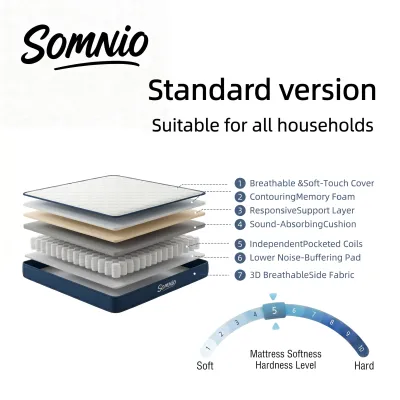
To assess how well a Somnio mattress manages tropical heat, start by inspecting the product label, user manual, or official specifications for the comfort layer materials. The comfort layer is the topmost section of the mattress that comes into direct contact with your body. In hot climates, look for materials designed to disperse heat, such as open-cell polyurethane foam, gel-infused memory foam, or natural latex. Open-cell structures and gel infusions help prevent heat from pooling directly beneath your body, while natural fibers tend to offer inherent breathability.
Next, evaluate the core support system of the mattress, as this structural layer dictates overall airflow. Hybrid and innerspring mattresses feature pocketed coils that create a large volume of open space inside the mattress, allowing air to circulate freely with your movements. Conversely, all-foam mattresses rely on solid blocks of support foam, which can restrict air passage unless they feature specialized ventilation channels or convoluted designs. Checking the manufacturer’s structural descriptions will help you identify whether the core supports or hinders heat dissipation.
Finally, review the specifications of the mattress cover fabric, which serves as the primary interface for moisture and heat transfer. Breathable fabrics like Tencel, bamboo-derived rayon, or lightweight cotton knits are highly suitable for tropical environments because they allow heat to escape and help wick away sweat. Avoid heavy, tightly woven synthetic covers that act as a barrier to airflow, as they can cause you to run hot regardless of the cooling technologies present in the underlying foam layers.
Evaluating Moisture Resistance and Mold Prevention
Managing moisture is a critical challenge in the Philippines, where indoor relative humidity can frequently exceed 80 percent. High humidity combined with body heat creates an environment where mold, mildew, and dust mites can thrive. When researching a Somnio mattress, check the product documentation for explicit mentions of antimicrobial, anti-fungal, or hypoallergenic treatments applied to the fabric or foam layers. These protective treatments help inhibit microbial growth, keeping the sleeping surface hygienic.

The density of the foam layers also plays a significant role in how the mattress interacts with moisture. High-density memory foams provide excellent pressure relief and durability, but their tightly packed cell structures can trap moisture if they are exposed to high humidity without adequate ventilation. If you choose a model with high-density foam, ensure your bedroom setup allows the mattress to release absorbed moisture back into the air rather than trapping it within the core.
Additionally, carefully review the manufacturer’s warranty terms regarding environmental damage and moisture exposure. Most mattress warranties specifically exclude coverage for mold, mildew, or physical degradation caused by high humidity, treating these issues as maintenance responsibilities rather than manufacturing defects. Understanding these warranty boundaries highlights the importance of maintaining a dry bedroom environment and following proper care guidelines to protect your investment.
Practical Setup and Maintenance for Hot and Humid Rooms
To optimize the performance of your mattress in a tropical climate, you must pair it with a compatible bed frame that promotes continuous airflow. A solid platform, solid box spring, or placing the mattress directly on the floor blocks air circulation underneath, trapping moisture at the base of the bed. Instead, opt for a high-quality slatted bed frame. Verify that the slat spacing complies with the manufacturer’s guidelines—typically between two and three inches—to provide robust support while allowing heat and moisture to escape from the bottom of the mattress.
Active room-level climate control is another essential strategy for protecting your mattress from the humid Philippine climate. Running an air conditioner not only cools the room but also extracts moisture from the air, lowering the relative humidity around your bed. If you prefer natural ventilation or ceiling fans, ensure your bedroom has consistent cross-ventilation to prevent stagnant, humid air from settling. Using a standalone dehumidifier during the rainy season can also help maintain an optimal indoor humidity level of around 50 to 60 percent.
Establishing a regular maintenance routine will further extend the lifespan of your mattress and keep it fresh. Rotate the mattress 180 degrees every three to six months to ensure even wear and allow different sections of the comfort layers to air out. When cleaning the mattress surface, avoid using liquid cleaners or soaking the fabric, as deep foam layers dry very slowly in humid conditions and can trap water. Instead, vacuum the surface regularly with a clean upholstery attachment and spot-clean spills immediately using a dry-foam method.
Signs Your Mattress Is Struggling with the Climate
Being proactive means recognizing the early warning signs that your mattress is reacting poorly to heat and humidity. Regularly inspect the mattress cover, seams, and the underside that rests on the bed frame. Look for small black, green, or grey spots, which are clear indicators of mold or mildew growth. Yellowish staining on the cover can also signal excessive sweat accumulation, suggesting that the mattress cover or comfort layers are retaining too much moisture and heat.
Pay close attention to any persistent odors coming from your bed. A musty, damp, or earthy smell that remains even after you have stripped the sheets and ventilated the room indicates that moisture has penetrated deep into the foam core. If left unaddressed, this trapped moisture can lead to internal mold growth, which compromises both the hygiene of your sleeping environment and the structural integrity of the mattress materials.
Finally, monitor the mattress for unexpected changes in firmness, support, or shape. High temperatures and prolonged exposure to humidity can accelerate the softening of polyurethane foams, leading to premature sagging or a loss of edge support. If you notice that you are sinking significantly deeper into the mattress than before, or if you experience new body aches due to a lack of support, the climate may have degraded the internal foam layers, indicating it is time to reassess your setup or consult a professional.
Frequently Asked Questions (FAQ)
Does a Somnio mattress need a specific type of bed frame in humid areas?
Yes, using a slatted bed frame is highly recommended for mattresses in humid areas like the Philippines to ensure adequate ventilation. Slatted frames allow air to flow freely beneath the mattress, preventing moisture from condensing and trapping between the bottom of the bed and the frame. When selecting a frame, check the manufacturer’s specifications for slat spacing, which should generally be no wider than three inches to prevent the mattress from sagging. Additionally, verify that the frame’s weight capacity can safely support both the mattress and the sleepers, and avoid placing the mattress directly on the floor where airflow is completely blocked.
How often should I air out my mattress in the Philippines?
The frequency of airing out your mattress depends on your bedroom’s climate control and local weather conditions. If you run an air conditioner daily, airing out the mattress every three to six months during regular deep cleaning is usually sufficient. However, in naturally ventilated rooms during the humid rainy season, it is best to air out the mattress every time you change your bedsheets. To do this safely, strip all linens, open your bedroom windows to promote cross-ventilation, and let the bare mattress sit for several hours. Avoid placing the mattress in direct sunlight, as harsh ultraviolet rays can degrade and discolor the foam layers; instead, rely on indirect light and active indoor air circulation.

Community discussion
Share your experience or ask a question. Comments are reviewed before publication.