
Deciding if an Xpanse office chair is worth the ₱3,000 to ₱15,000 price tag depends on how closely its physical specifications match your daily seating habits and body measurements. In this highly competitive mid-range market in the Philippines, a chair is only a worthy investment if it offers genuine ergonomic adjustability rather than just aesthetic appeal. By verifying key mechanical features, material standards, and seller terms before checkout, you can determine whether an Xpanse model or an alternative brand will better support your posture during long working hours.
Investing in an ergonomic chair within this price bracket requires a careful balance between cost and long-term physical health. A poorly fitting chair can lead to chronic back pain, neck strain, and poor circulation, making it essential to treat this purchase as a functional tool rather than a simple piece of study furniture.
What to Expect from the ₱3K–₱15K Ergonomic Chair Market
The ₱3,000 to ₱15,000 price range represents the most diverse and competitive segment of the office furniture market. Within this bracket, products transition from basic utility task chairs to highly adjustable, specialized ergonomic seating solutions. Understanding what features are realistic at each sub-tier prevents unrealistic expectations and helps you spot genuine value.
Products mentioned in this guide
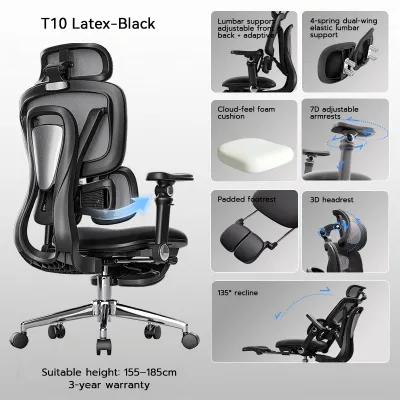
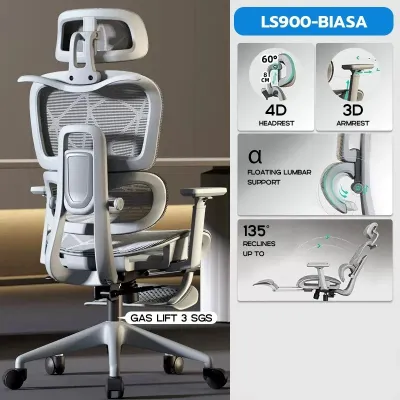
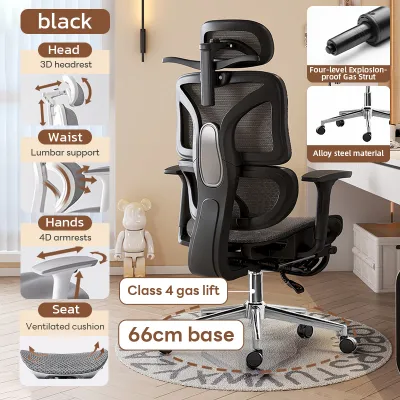
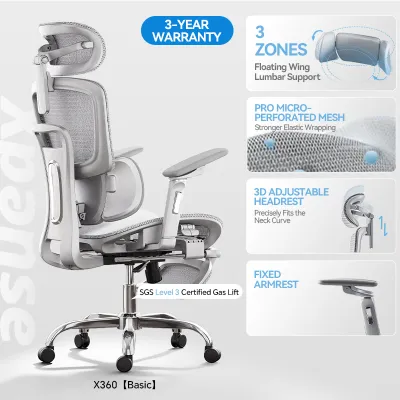
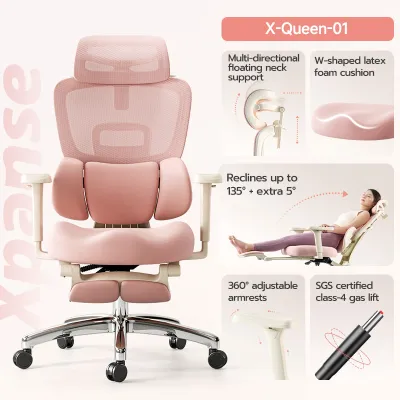
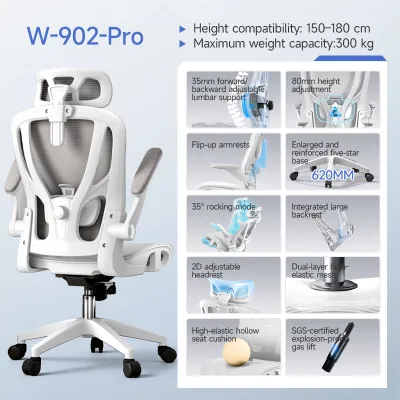
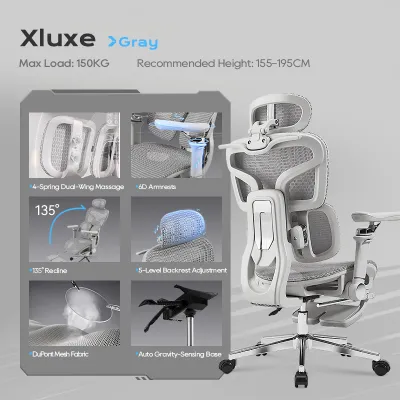
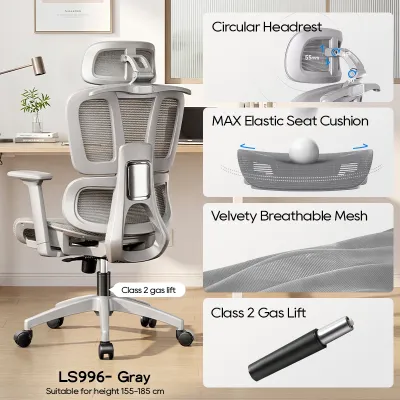
Prices are valid at publication and may change. Please refer to the product page for the latest price.
At the lower end of this spectrum, from ₱3,000 to ₱6,000, chairs typically offer basic adjustments such as pneumatic seat height control and a simple tilt-lock mechanism. The materials in this sub-tier usually consist of standard nylon frames, recycled foam seat cushions, and basic mesh backrests. While suitable for short study sessions, these models often lack the robust lumbar support and durability required for full-time remote work or long office hours.
Moving into the mid-to-high end of the bracket, from ₱7,000 to ₱15,000, you should expect a significant upgrade in both adjustability and material quality. Chairs in this range frequently feature dedicated, adjustable lumbar support, multi-directional armrests, and synchro-tilt recline mechanisms. The build quality also improves, incorporating high-density molded foam cushions, high-tensile elastomeric mesh, and reinforced steel or aluminum bases.
Warranty coverage and return policies also vary widely across this price tier on major online marketplaces. Lower-priced models may only offer a standard 7-day return window with no long-term warranty on moving parts. Conversely, reputable brands operating in the ₱10,000 to ₱15,000 range often provide a 1- to 3-year warranty covering critical components like the gas lift, tilt mechanism, and caster wheels. Always verify these terms before purchasing, as returning a bulky chair can incur high shipping fees.
Essential Ergonomic Adjustments to Verify in Xpanse Chairs
To determine if an Xpanse office chair is truly ergonomic, you must look past marketing buzzwords and verify the specific mechanical adjustments listed in the product specifications. The primary goal of an ergonomic chair is to support the natural curvature of your spine and distribute your body weight evenly.

First, examine the lumbar support mechanism. A fixed lumbar band rarely fits everyone because torso lengths vary significantly. Look for models that offer height-adjustable lumbar support, which allows you to position the cushion directly in the lordotic curve of your lower back. Some premium models in this price range also offer depth adjustment, allowing you to control how firmly the support presses against your spine.
Second, carefully analyze the seat dimensions against your physical measurements. Measure your thigh length from your hip to the back of your knee while sitting. The chair’s seat depth should be short enough to leave a two-inch gap between the front edge of the seat and the back of your knees to prevent circulation issues. Additionally, ensure the gas lift height range allows your feet to rest flat on the floor while keeping your knees at a 90-degree angle.
Third, evaluate the armrest adjustability. Fixed armrests can prevent you from pulling your chair close enough to your desk, forcing you to lean forward and strain your neck. Look for at least 2D (height and depth) or 3D (height, depth, and angle) adjustable armrests. This adjustability ensures your elbows are supported at a comfortable angle, reducing tension in your shoulders and upper back during long typing sessions.
Finally, check the recline and tilt mechanism. A basic center-tilt mechanism lifts your feet off the floor when you lean back, which can restrict blood flow in your legs. A synchro-tilt mechanism, where the backrest reclines at a faster rate than the seat, is highly preferred because it keeps your feet planted and maintains proper spinal alignment. Ensure the chair includes a tilt tension adjustment knob to customize the resistance to your body weight.
Assessing Build Quality and Material Durability
An ergonomic chair is a long-term investment, and its durability depends heavily on the quality of its materials. In the humid, tropical climate of the Philippines, material selection is even more critical to prevent premature wear, mold, or structural failure.
The seat cushion is the most common failure point in budget office chairs. Many lower-end models use cheap cut foam or recycled sponge that bottoms out within a few months of daily use, leaving you sitting directly on the hard wooden or plastic seat pan. Look for specifications that explicitly mention high-density molded foam, which is baked in a mold to retain its shape, elasticity, and support for several years.
The backrest material must balance breathability with structural support. Mesh is highly popular in tropical climates because it allows air to circulate, keeping you cool during hot afternoons. However, low-quality polyester mesh can stretch and sag over time, destroying the chair’s ergonomic support. Verify that the mesh is made of high-tensile elastomeric fibers and that the outer frame is constructed from thick, fiberglass-reinforced nylon to prevent warping.
The base and casters bear your entire weight and facilitate movement across your workspace. While heavy-duty nylon bases are perfectly acceptable and durable, aluminum alloy bases offer superior strength and a more premium aesthetic. Additionally, ensure the caster wheels are suitable for your flooring. Hard nylon casters are ideal for carpets but can scratch hardwood or tile floors; soft polyurethane (PU) coated casters are recommended for hard surfaces to ensure quiet, scratch-free movement.
Comparing Xpanse to Alternatives in the Same Budget Tier
When shopping in the ₱3,000 to ₱15,000 range on ecommerce platforms, you will encounter dozens of competing brands. To make an objective comparison, you must prioritize verifiable specifications and mechanical features over brand recognition or flashy designs.
Begin by comparing the maximum weight capacity and the class of the gas lift cylinder. A high-quality ergonomic chair should feature a Class 3 or Class 4 gas lift, which is certified to handle heavier loads and operate smoothly over thousands of cycles. If a competing model offers a certified Class 4 gas lift and a reinforced aluminum base at the same price point as an Xpanse model with a nylon base, the competitor may offer better long-term value.
Do not forget to factor in hidden costs that can significantly alter the final price of your purchase. Bulky furniture shipping fees in the Philippines can vary widely depending on your location, sometimes adding a substantial amount to your total bill. Additionally, check if the chair requires complex assembly and whether the package includes all necessary tools and clear instructions. Some sellers offer pre-assembled delivery for an extra fee, which may be worth considering if you lack the time or tools.
Finally, spend time analyzing verified user reviews, focusing specifically on feedback written after several months of ownership. Ignore superficial five-star reviews that only praise fast shipping or nice packaging. Instead, look for detailed reviews that discuss how the seat cushion holds up over time, whether the joints have started to squeak, and how responsive the seller’s customer service is when handling warranty claims or replacement parts.
Final Decision: When to Choose Xpanse and When to Look Elsewhere
Choosing an Xpanse office chair within the ₱3,000 to ₱15,000 range is a smart decision if the product’s specifications align perfectly with your physical dimensions and daily work habits. Look for key green flags, such as a detailed dimensional chart, high-density molded foam seating, adjustable lumbar support, and a clear warranty policy of at least one year on moving parts.
Conversely, you should look elsewhere if you encounter red flags such as vague material descriptions, a complete lack of dimensional data, or restrictive return policies that make it difficult to exchange a defective product. If you are exceptionally tall or heavy, a standard mid-range chair may not provide adequate support, and you may need to invest in a heavy-duty model specifically rated for your body type.
Before finalizing your purchase, take a few minutes to measure your current desk setup and verify the seller’s credentials. Measure the height of your desk from the floor to the underside of the tabletop to ensure the chair’s armrests will clear the edge. Send a direct message to the seller to ask about their warranty claim process; a quick, helpful response is a good indicator of reliable customer support after your purchase.
Frequently Asked Questions (FAQ)
How do I know if an office chair will fit under my desk?
To ensure an office chair fits under your desk, start by measuring the distance from the floor to the lowest point under your desk, including any drawers or keyboard trays. Next, check the chair’s specifications for its minimum seat height and maximum armrest height. If you want to slide the chair completely under the desk when it is not in use, the maximum height of the armrests must be lower than your desk’s clearance height. If you prefer to work with the armrests level with the desk, ensure the chair’s seat height allows your elbows to bend at a comfortable 90-degree angle while your feet remain flat on the floor.
Is a mesh back better than a cushioned back for long working hours?
In warm and humid environments, a mesh backrest is generally superior for temperature regulation because it allows air to circulate freely, preventing sweat and heat buildup. However, the choice depends on your comfort preferences and the quality of the materials. A high-quality mesh backrest provides excellent contoured support, but low-quality mesh can stretch and sag over time, losing its ergonomic shape. Conversely, a high-density foam cushioned backrest offers a more plush, enveloping feel and consistent support, but it tends to retain body heat. If you work in an air-conditioned room, a cushioned back is a comfortable option, but for non-air-conditioned spaces, a high-tension mesh back is highly recommended.

Community discussion
Share your experience or ask a question. Comments are reviewed before publication.