
To curate a serene and functional home, selecting the right sofa bed for your sala requires a thoughtful balance of form and utility. The ideal Japandi-style sofa bed features a low-profile silhouette, clean lines, and natural materials that honor both Japanese minimalism and Scandinavian warmth. By focusing on visual simplicity, concealed mechanisms, and breathable fabrics, you can find a dual-purpose piece that maximizes your living space without introducing visual clutter.
Choosing furniture for a tropical environment also means prioritizing air circulation and material resilience. A well-chosen sofa bed serves as an elegant daytime seating solution and a comfortable guest bed at night, anchoring your sala with quiet sophistication. By understanding the core design principles, material specifications, and spatial requirements of this style, you can make an informed investment that elevates your daily living experience.
Defining Japandi Aesthetics for Dual-Purpose Furniture
Japandi design is the harmonious fusion of Japanese rustic minimalism, often associated with the philosophy of wabi-sabi, and Scandinavian cozy functionality, known as hygge. While Japanese interiors emphasize simplicity, natural elements, and a connection to the earth, Scandinavian spaces introduce warmth, comfort, and practical utility. When these two philosophies meet in a single piece of furniture like a sofa bed, the result is a highly functional item that looks effortless and understated.
Products mentioned in this guide
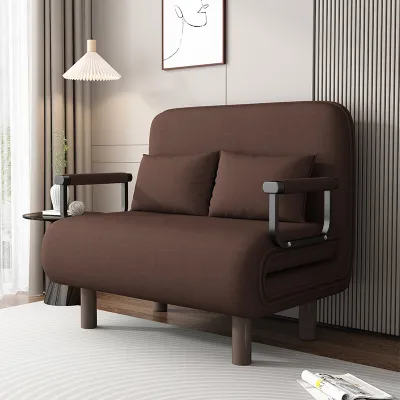
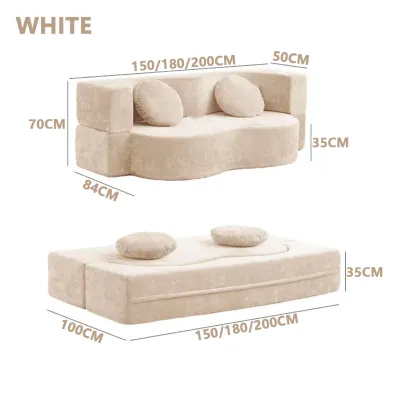
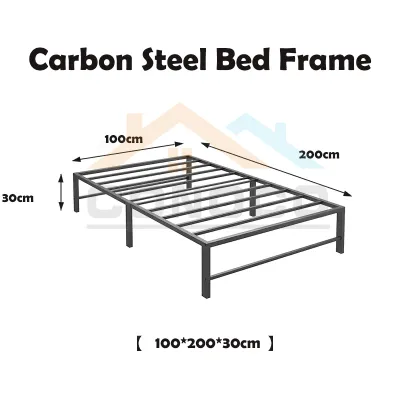
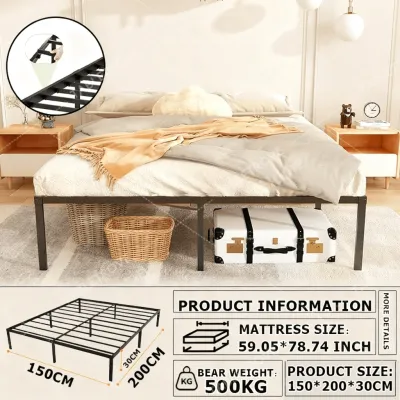

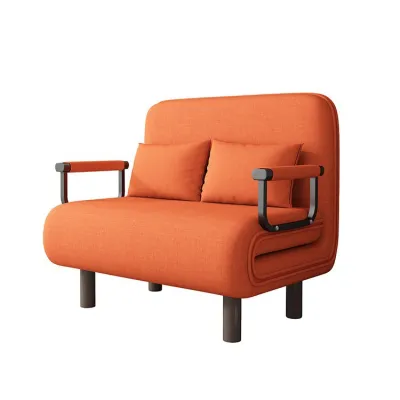

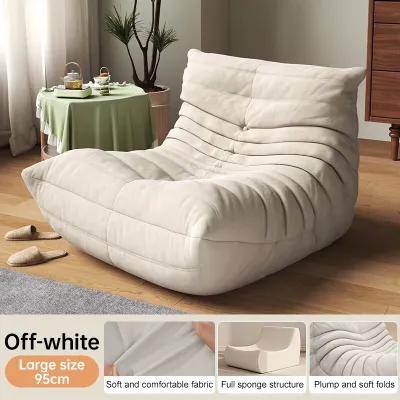
Prices are valid at publication and may change. Please refer to the product page for the latest price.
In a busy household, a dual-purpose piece can easily become a source of visual weight if it is too bulky or overly mechanical. Japandi aesthetics counter this by prioritizing visual lightness. This means choosing designs that sit slightly off the floor on tapered legs or feature low-profile frames that do not dominate the room’s sightlines. The goal is to keep the sala feeling open and airy, allowing light to flow freely across the space.
Achieving this balance relies heavily on the concept of negative space, or “ma” in Japanese design. This principle suggests that the empty space around an object is just as important as the object itself. When positioning your sofa bed, ensure it is not crowded by heavy side tables, large storage bins, or excessive decor. Giving the furniture room to breathe highlights its clean lines and natural textures, turning a practical sleeper sofa into a peaceful focal point.
Key Design Features to Look For
When shopping for a sofa bed for your sala, the silhouette is the first feature to evaluate. Look for low-profile bases that keep the seating close to the ground, which naturally makes ceilings feel higher and rooms feel more spacious. Clean, straight lines should dominate the design, though gentle, organic curves on the armrests or cushions can add a welcoming softness. Avoid any pieces with ornate carvings, rolled arms, or dramatic traditional shapes that disrupt the minimalist flow.

Color plays a vital role in establishing a calming, nature-inspired atmosphere. The ideal Japandi color palette consists of neutral, earthy tones that reflect the natural world. Consider warm whites, soft creams, sand, taupe, and muted grays for the main upholstery. If you want to introduce color, opt for quiet, desaturated tones like sage green, dusty terracotta, or pale ochre. These shades pair beautifully with natural wood finishes, such as light oak, ash, or pale rubberwood.
Hardware and structural details should remain as minimalist as possible. Look for sofa beds with concealed folding mechanisms that do not show metal bars, levers, or plastic components when the piece is closed. Avoid heavy button tufting, deep diamond stitching, or thick, bulky armrests that add unnecessary volume. Instead, seek out smooth cushion faces, neat French seams, or simple, flat-stitched borders that emphasize clean geometry and high-quality craftsmanship.
Evaluating Materials and Upholstery
To ensure your sofa bed withstands daily use while maintaining its natural aesthetic, you must carefully evaluate the frame construction. Check the manufacturer’s specifications to distinguish between solid wood frames and engineered wood with natural veneers. Solid wood frames, particularly those made from responsibly sourced hardwoods like oak or ash, offer excellent stability and longevity. If choosing engineered wood or veneer options, verify that the edges are well-sealed and the veneer is thick enough to resist peeling under humid conditions.
Upholstery selection is equally critical, especially in a tropical climate where humidity and temperature fluctuations are common. Natural fibers and high-quality blends are the preferred choice for Japandi furniture because they offer visual warmth and superior breathability. Look for linen, cotton-linen blends, or flat-woven textured fabrics. These materials allow air to circulate, preventing the sticky, uncomfortable feeling associated with synthetic leather or heavy, dense polyesters during warm afternoons.
Before finalizing your purchase, always verify the fabric care labels and the manufacturer’s cleaning instructions. Natural fibers can be sensitive to moisture, sunlight, and harsh chemical cleaners, making them prone to premature wear, fading, or staining if mismanaged. Check if the sofa bed features removable, dry-cleanable cushion covers, which make long-term maintenance significantly easier. If the covers are fixed, confirm whether the fabric has been pre-treated with a mild, non-toxic water repellent or if it requires specific solvent-based spot cleaning.
Space Planning and Functional Mechanisms
Before bringing a new sofa bed into your sala, precise spatial planning is essential to prevent a cramped layout. Begin by measuring the available floor space in your living room, keeping in mind that the furniture has two distinct footprints. Measure the dimensions when the piece is fully closed as a sofa, ensuring there is at least 60 to 90 centimeters of clearance for walking paths. Next, measure the fully extended bed footprint to confirm it does not block doorways, built-in cabinets, or collide with your television console.
Different sofa bed mechanisms offer distinct advantages for daily use and visual integration. A classic “click-clack” mechanism is often highly streamlined, but it typically requires you to pull the sofa away from the wall to flatten the backrest. Pull-out or trundle mechanisms keep the backrest stationary but require significant clear floor space in front of the unit. Fold-out futon styles with wooden slatted frames offer a very authentic rustic look but may require more physical effort to operate. Choose a mechanism that you can easily manage alone and that keeps the frame looking neat and cohesive when closed.
Do not overlook the logistics of delivery and assembly. Measure the width and height of your front door, apartment elevators, stairwells, and narrow hallway corners to ensure the packaged furniture can safely reach your sala. Many high-quality sofa beds are delivered flat-packed and require assembly on-site. Check if the retailer provides detailed assembly manuals online beforehand so you can assess whether you have the tools and space required, or if you should opt for professional assembly services.
Final Selection Checklist for Your Sala
To help you make the best decision for your home, use this structured checklist to evaluate your top sofa bed candidates before purchasing:
- Aesthetic Alignment: Does the sofa bed feature a low-profile, clean-lined design that complements your existing minimalist decor? Does it avoid bulky armrests and visible metal hardware?
- Comfort and Support: Have you verified the cushion density and mattress thickness? Look for high-resiliency foam or pocket-spring systems that offer firm, comfortable support for both sitting and sleeping.
- Material Suitability: Is the frame made of solid wood or high-grade veneer? Is the upholstery fabric breathable, natural, and suitable for a tropical climate?
- Spatial Clearance: Have you mapped out both the closed sofa footprint and the fully extended bed footprint in your sala, leaving adequate walking space around the perimeter?
- Budget and Value: Compare the retail price in ₱ against the build quality, frame materials, and warranty terms. A higher upfront investment in solid wood and durable fabric often yields a longer lifespan and better comfort.
- Retailer Policies: Review the manufacturer's return policy, delivery fees, and whether they offer professional assembly services to save you time and prevent assembly errors.
Frequently Asked Questions (FAQ)
Can I use a standard modern sofa bed in a Japandi sala?
Yes, you can adapt a standard modern sofa bed to fit a Japandi aesthetic by using thoughtful styling techniques. If the sofa bed has clean lines but lacks natural warmth, you can soften its appearance by draping a neutral, textured throw blanket made of waffle-weave cotton or linen over the backrest. Adding a few minimalist accent pillows in earthy tones like olive green or soft terracotta can also bridge the gap between modern utility and natural warmth.
To further integrate the piece, place a simple wooden side table nearby and keep the surrounding area free of clutter to emphasize negative space. However, keep in mind that if the underlying structure of the sofa bed is exceptionally bulky, features shiny chrome legs, or is upholstered in glossy faux leather, it may be too industrial or heavy to successfully blend into a serene Japandi environment.
How do I care for natural wood frames and linen upholstery?
Caring for natural wood frames requires regular, gentle maintenance to preserve the wood’s natural grain and finish. Dust the wooden components weekly with a dry, soft microfiber cloth to prevent dust buildup. Avoid using harsh chemical sprays or silicone-based polishes, which can leave a sticky residue; instead, use a damp cloth followed immediately by a dry one, or apply a manufacturer-approved natural wood conditioner once or twice a year.
For linen or cotton-blend upholstery, vacuum the fabric weekly using a soft brush attachment to remove loose dust and fibers before they settle into the weave. If a spill occurs, blot the area immediately with a clean, dry white cloth without rubbing, which can push the liquid deeper into the fibers. Always refer to the fabric care label for specific cleaning codes, and consider consulting a professional upholstery cleaning service for deep stains to avoid shrinking or water-spotting the natural fibers.

Community discussion
Share your experience or ask a question. Comments are reviewed before publication.