
Finding a dining table that balances the minimalist, serene aesthetic of Japanese design with the practical needs of a large Filipino family can be a rewarding design journey. In many Filipino households, the dining table is the heart of the home, serving not only as a place for daily meals but also as a hub for extended family gatherings, homework sessions, and remote work. A Japanese-style extendable dining table offers an elegant solution to this spatial puzzle, allowing you to maintain a clean, uncluttered dining room during the week while easily expanding the surface to comfortably seat six to ten people when relatives and guests arrive. By focusing on smart extension mechanisms, durable wood finishes, and precise spatial planning, you can find a versatile piece that honors both the beauty of Japanese minimalism and the warmth of Filipino hospitality.
Understanding Japanese-Style Extendable Tables for Large Gatherings
Japanese-style dining tables are celebrated for their clean lines, natural wood tones, and functional simplicity. Rooted in design philosophies like wabi-sabi—which appreciates natural textures, organic forms, and the beauty of simplicity—these tables typically feature tapered legs, smooth edges, and a lack of heavy ornamentation. This understated look helps create a calm, peaceful dining environment, making the room feel larger and more open than it actually is. By choosing light wood species such as oak, ash, or rubberwood, you can bring a sense of nature indoors, which complements both modern and traditional home designs.
While traditional Japanese dining often involves low-profile tables designed for floor seating, modern interpretations offer standard-height options that fit seamlessly into contemporary homes. Standard-height minimalist tables retain the warm wood aesthetics and clean profiles of traditional designs but allow you to use conventional dining chairs. This makes them highly practical for daily use while preserving the serene, uncluttered look characteristic of Japanese interiors. Understanding this distinction helps you choose a style that aligns with your family’s physical comfort and daily habits.
Products mentioned in this guide
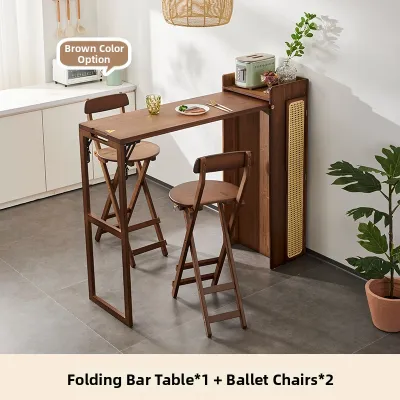
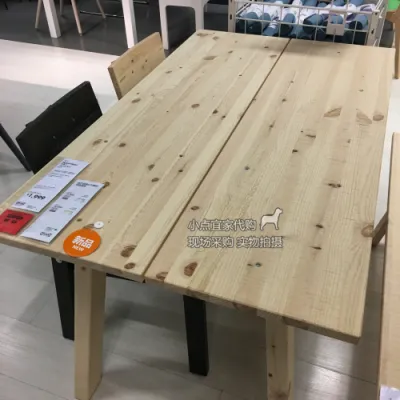
Prices are valid at publication and may change. Please refer to the product page for the latest price.
Extendable mechanisms are the key to adapting these minimalist designs for larger gatherings. By incorporating hidden leaves, drop-leaves, or sliding tracks, a table that comfortably seats four people for daily breakfast can quickly expand to accommodate six, eight, or even ten people. This flexibility is particularly valuable during family celebrations, Sunday lunches, or holiday gatherings where food sharing is central to the experience. The engineering behind these tables ensures that the extension process is quick and requires minimal effort.
In the Philippines, where urban homes and condominiums often feature compact or open-plan layouts, managing floor space is a daily priority. A permanently large dining table can block walkways, disrupt traffic flow, and make a home feel cramped. An extendable table solves this issue by keeping the dining area compact and easy to navigate during the week, then transforming into a spacious gathering hub only when needed. This adaptability makes it an excellent investment for families who love to host but value daily breathing room.
Key Selection Criteria for Extendable Dining Tables
To choose the right table, you must first measure your dining space when the table is fully extended. Allow at least 60 to 70 centimeters of width along the table edge for each seated person to ensure everyone has enough room to eat comfortably without bumping elbows. Additionally, maintain a clearance of at least 90 centimeters between the table edge and the nearest wall or furniture piece so family members can pull out their chairs and move around the room easily. Measuring these boundaries beforehand prevents spatial layout mistakes.

Structural stability is critical when a table is extended to its maximum length. Look for tables with legs positioned at the outer corners of the frame, as this configuration provides the most stable support and prevents the table from tipping when weight is applied to the ends. If you prefer a pedestal or trestle base, ensure the bottom plate is heavy and wide enough to balance the extended tabletop. Inspect the joints beneath the table to verify they are reinforced with metal brackets or solid wood corner blocks rather than simple wood screws.
The choice of material directly affects how well the table handles daily wear and environmental changes. Solid hardwoods like oak, ash, and rubberwood are highly durable and showcase beautiful natural grains, though they require proper sealing to resist moisture. High-quality engineered wood with wood veneers offers excellent resistance to warping in humid climates, provided the edges are tightly sealed. Look for water-resistant polyurethane or lacquer finishes that protect the surface from hot serving dishes, condensation from cold drinks, and accidental spills.
Before making a purchase, carefully measure all entry points in your home, including doorways, narrow hallways, stairwells, and elevator doors. Extendable tables are often heavy and may arrive in large, flat-packed boxes that require careful maneuvering. Check if the retailer provides professional delivery and assembly services, as properly aligning the extension tracks and locking mechanisms is essential for smooth, long-term operation. Professional installation also ensures that the structural warranty remains valid.
Matching Table Mechanisms to Your Family's Dining Habits
Drop-leaf and fold-down designs feature hinged panels on the ends of the table that hang vertically when not in use. This mechanism is highly efficient for small spaces, allowing you to quickly lift and support the leaves when extra guests arrive. However, because the hinges bear the weight of the extended sections, you must check the strength of the support brackets underneath. These tables are ideal for households that primarily need a compact table but want the option to expand for occasional visitors.
Butterfly and hidden-leaf extensions store the extra panels directly inside a compartment beneath the tabletop. To extend the table, you slide the two main halves apart, lift the folded leaf out of its storage slot, and flip it open to complete the surface. This design keeps the extension leaves protected and eliminates the need to find separate storage space for them. When evaluating these tables, test the sliding tracks to ensure they glide smoothly and check for secure locking latches that keep the table halves tightly joined.
Removable center leaves require you to pull the table ends apart and manually insert separate wooden panels into the center gap. This classic mechanism often provides the greatest extension capacity, making it the best choice if you frequently host large family gatherings of eight to ten people. Because the extra leaves must be stored elsewhere when not in use, you will need to dedicate closet space to keep them safe from dust and moisture. Ensure the table has alignment pins to keep the inserted leaves perfectly level with the rest of the tabletop.
Building Your Conditional Shortlist
If your dining area is part of a compact kitchen or a shared living space, prioritize a compact butterfly or drop-leaf table made of light-colored wood like rubberwood or light oak. Pairing this table with space-saving bench seating on one or both sides is an excellent way to maximize space. Benches can be slid completely under the table when it is unextended, keeping your walkways clear and open during the day. This setup is perfect for maintaining a minimalist, clutter-free aesthetic.
For homes with a dedicated dining room, a larger standard-height table with removable center leaves or a robust butterfly mechanism is a great fit. Focus on tables with thick, sturdy legs and a rich wood finish that serves as a warm focal point in the room. Pair this table with matching high-backed wooden chairs that offer comfortable support for long, leisurely family dinners and extended conversations. This configuration provides a more formal, traditional dining experience while retaining clean Japanese design lines.
If you prefer a multi-functional living area, consider a low-profile Japanese-style dining table. These tables sit low to the ground and are designed to be paired with floor cushions or low-slung chairs. This setup creates a relaxed, informal atmosphere and is highly versatile, allowing the table to double as a study desk, a tea station, or a play area for children when meals are over. It is an excellent choice for families who enjoy a casual, floor-based lifestyle.
Because furniture availability, wood species, and manufacturing details can vary, always verify the current stock, exact extended dimensions, and warranty terms directly with the retailer or official brand store. Aligning your budget in ₱ with the material quality and structural features ensures you make a lasting investment for your home. Taking the time to double-check these specifications prevents the hassle of returns and ensures the table fits your space perfectly.
Installation, Safety, and Long-Term Maintenance
When assembling your table, ensure it is placed on a completely level floor to prevent uneven stress on the extension tracks, which can cause them to warp or jam over time. Use high-quality felt or rubber protective pads under the table legs to protect your flooring and keep the table from sliding during use. Always engage the locking pins and latches underneath the tabletop before placing heavy items or serving dishes on the surface to prevent accidental collapsing.
Clean the wooden surface daily using a soft, slightly damp microfiber cloth to remove dust and crumbs. Avoid harsh chemical cleaners, abrasive scrubbing pads, or ammonia-based sprays, as these can strip away the protective lacquer or oil finish. In tropical climates, wipe up liquid spills immediately to prevent water rings or moisture from penetrating the wood grain, and always use coasters, placemats, and heat-resistant trivets under hot dishes to protect the wood from heat damage.
The moving parts of your extendable table require periodic inspection to ensure they continue to operate smoothly. Every few months, look underneath the table to check that the screws holding the tracks, hinges, and latches are secure. If the tracks begin to stick, clean away any dust or debris with a dry brush, and apply lubricants like silicone spray or paraffin wax only if explicitly recommended by the manufacturer’s care instructions.
For your family’s safety, never allow children to sit, climb, or lean heavily on the extended leaves of the table. If you notice the table wobbling significantly when extended, if the joints feel loose, or if the extension mechanism jams, stop using the table immediately. Consult the manufacturer’s manual or contact a qualified professional furniture repair service to inspect and secure the structural components before using it again.
Frequently Asked Questions (FAQ)
Can I use standard dining chairs with low-profile Japanese tables?
Standard dining chairs, which typically have a seat height of 45 centimeters, are not compatible with low-profile Japanese tables that stand around 30 to 40 centimeters high. Using them together creates an uncomfortable and ergonomically incorrect seating position. If you choose a low-profile table, you should pair it with traditional floor cushions, legless floor chairs, or low-slung benches designed specifically for low-height dining. If you prefer standard dining chairs, ensure you select a standard-height dining table that incorporates Japanese minimalist design elements.
How do I prevent extension leaves from warping in a humid climate?
In humid tropical environments, wood naturally absorbs and releases moisture, which can lead to warping, especially in separate, removable extension leaves that are stored away. To prevent this, store your removable leaves flat rather than propped upright on their sides, as vertical storage can cause them to bow over time. Keep them in a dry, well-ventilated closet away from direct sunlight, air conditioning vents, or damp walls. Using breathable fabric storage bags can help protect the wood from dust and minor moisture fluctuations. Always follow the manufacturer’s specific guidelines for wood acclimatization and care to maintain a perfect fit when the leaves are inserted.

Community discussion
Share your experience or ask a question. Comments are reviewed before publication.