
Deciding between a Jialange mobile cooking cart and a stationary storage cabinet comes down to how you use your kitchen, the size of your floor plan, and your specific storage needs. A mobile cooking cart offers dynamic flexibility, serving as an adjustable prep station that moves where you need it most. On the other hand, a stationary storage cabinet provides a high-capacity, enclosed environment designed to secure heavy pantry items and keep visual clutter out of sight.
In tropical climates where humidity levels fluctuate, choosing the right kitchen furniture requires balancing ventilation with protection. High humidity can affect how you store dry goods, while tight residential layouts—such as urban condominiums or townhouses—demand smart spatial planning. By evaluating your daily cooking habits, spatial constraints, and the physical specifications of each furniture type, you can select the unit that best optimizes your kitchen workflow.
Assessing Your Kitchen Space and Layout
Before purchasing any new kitchen furniture, you must accurately measure your available floor space and map out the physical footprint of the unit. Use a metal measuring tape to determine the exact width, depth, and height of the area where you plan to place the furniture. If you are considering a stationary storage cabinet, you must also account for the clearance required to open its doors and drawers fully. A cabinet that fits neatly against a wall when closed can easily block a doorway or collide with adjacent appliances when you open it to retrieve items.
Products mentioned in this guide
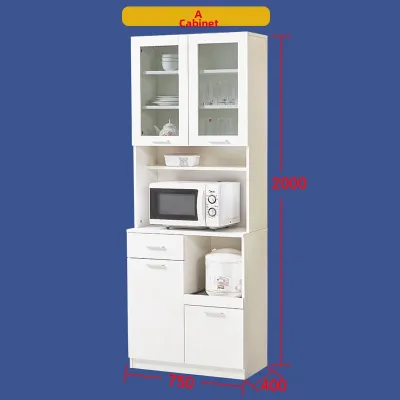
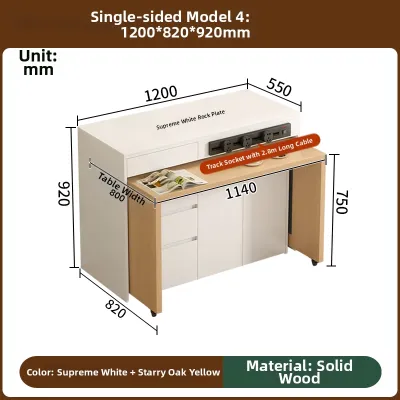
Prices are valid at publication and may change. Please refer to the product page for the latest price.
For a mobile cooking cart, the spatial requirements are different because the unit is designed to travel. You need to evaluate the pathways and traffic flow within your kitchen to ensure the cart can move smoothly without creating bottlenecks. Measure the width of your walkways and compare them to the cart’s dimensions to confirm there is enough clearance for you to push the cart past counters, refrigerators, and dining tables. If your kitchen is a narrow galley layout, a mobile cart can be parked in a corner and rolled out only during active meal preparation, keeping the main walkway clear during off-hours.
Your living situation also plays a major role in this decision, especially if you live in a rental property. Many lease agreements in the Philippines restrict tenants from drilling into walls or making permanent structural changes. Because tall stationary cabinets often require wall-anchoring hardware to prevent tipping, a mobile cooking cart is often the more practical, non-permanent alternative for renters. It provides immediate storage and workspace without risking your security deposit, and it is incredibly easy to pack up and transport when it is time to move to a new home.
Comparing Core Functions: Mobility vs. Fixed Storage
The primary functional difference between these two units lies in how they support your daily cooking routine. A mobile cooking cart functions as an active prep station, providing an extra countertop surface right next to your stove or sink. This is particularly useful when preparing complex meals that require multiple steps, such as chopping vegetables, marinating meats, and assembling ingredients. You can roll the cart directly to your prep area, use its top surface as a cutting station, and then move it out of the way when you are finished.

In contrast, a stationary storage cabinet is designed to act as a dedicated storage hub or an appliance garage. It excels at housing small kitchen appliances that you do not use every day, such as blenders, air fryers, or rice cookers, keeping them off your main countertops to reduce visual clutter. The enclosed design of a cabinet provides reliable protection against dust, grease, and pests, which is a crucial consideration in tropical environments. Keeping your dinnerware and dry pantry staples behind closed doors helps maintain a clean, organized kitchen environment.
Storage configurations also differ significantly between the two options. Mobile carts typically feature a mix of open shelving, towel bars, and side hooks, allowing you to access frequently used utensils, spices, and kitchen towels instantly. This open design promotes air circulation, which helps prevent moisture buildup on your cookware. Stationary cabinets, however, prioritize high-volume, enclosed shelving. This makes them ideal for storing heavy, bulky items like sacks of rice, large stockpots, and multi-packs of canned goods that you want to keep secure and out of sight.
Consider how you entertain guests or serve meals to your family. A mobile cooking cart can easily transition from a kitchen prep station to a serving trolley in the dining room or out on a covered patio during family gatherings. You can load it with plates, drinks, and serving dishes, wheel it directly to your guests, and lock the wheels in place. A stationary cabinet remains anchored in one spot, serving as a reliable, permanent anchor for your kitchen organization that you can rely on day after day.
Evaluating Jialange Specifications and Build Quality
To ensure your chosen furniture piece performs safely and lasts for years, you must carefully verify its physical specifications and build quality before making a purchase. Always check the manufacturer’s product labels, assembly manuals, and official specifications for exact dimensions and weight limits. Do not assume a shelf can support a heavy microwave or a large stand mixer without verifying the maximum weight capacity rated by the manufacturer. Overloading a shelf can lead to sagging, structural failure, or safety hazards.
When inspecting a mobile cooking cart, pay close attention to the wheel assembly and locking mechanisms. High-quality casters should roll smoothly across your kitchen flooring without leaving marks or scratches. At least two of the wheels should feature robust locking levers that, when engaged, prevent the cart from shifting while you are chopping ingredients or mixing dough on the top surface. Examine the frame stability by gently shaking the unit; a well-constructed cart should feel rigid and balanced, with its weight distributed evenly to prevent tipping during movement.
For stationary storage cabinets, especially taller models, structural safety is paramount. Check if the package includes a wall-anchoring kit, which is essential for securing the cabinet to the wall to prevent accidental tip-overs. This is a critical safety check if you have young children or pets in the home, or if you live in an area prone to seismic activity. Additionally, review the assembly instructions to understand the tools and effort required for setup. Ensure that the joints, hinges, and drawer slides are sturdy and operate smoothly, as these components bear the brunt of daily wear and tear.
Decision Framework: Which Jialange Unit Should You Choose?
To make your final decision, evaluate your kitchen needs against a clear set of condition-based rules. Choose the Jialange mobile cooking cart if your kitchen has limited counter space and you need a flexible, multi-functional prep area that can be moved out of the way when not in use. It is also the ideal choice if you live in a rental property where wall-anchoring is not permitted, or if you frequently need to transport food, utensils, and dishes between the kitchen and dining areas.
Conversely, choose the Jialange stationary storage cabinet if your primary goal is to maximize your storage capacity and hide visual clutter. It is a highly practical option for storing heavy pantry staples, large cookware, and small appliances that need protection from dust and pests. The cabinet is best suited for spacious kitchens with permanent layouts where you can safely anchor the unit to the wall for long-term stability.
Before finalizing your purchase on any online marketplace or ecommerce platform, perform one last verification step. Compare the documented dimensions of the Jialange model you are considering with your measured kitchen space, ensuring you have left ample room for door swings and walking pathways. Check the rated weight limits of the shelves against the actual weight of the heaviest items you plan to store, ensuring a safe, stable, and highly functional addition to your home.
Frequently Asked Questions (FAQ)
Can I use a mobile cooking cart as a permanent kitchen island?
Yes, you can use a mobile cooking cart as a semi-permanent kitchen island, provided you take the necessary safety precautions. First, ensure that the wheel locks are fully engaged to prevent the cart from sliding or shifting during daily use. It is also important to verify that your kitchen floor is level; uneven tiles or sloped floors can compromise the stability of a mobile unit. Always refer to the manufacturer’s guidelines regarding weight distribution, keeping heavier items on the bottom shelves to maintain a low center of gravity and prevent the cart from becoming top-heavy.
How do I prevent a tall storage cabinet from tipping over?
Preventing a tall storage cabinet from tipping over requires proper installation and smart loading habits. You should always install the wall-anchoring hardware provided by the manufacturer, securing the cabinet directly to a wall stud or using appropriate drywall anchors. In terms of organization, always place your heaviest items—such as large bags of rice, heavy cast-iron pots, or stacks of canned goods—on the lowest shelves. This lowers the cabinet’s center of gravity, significantly reducing the risk of a tip-over when you open the upper doors or drawers.

Community discussion
Share your experience or ask a question. Comments are reviewed before publication.