
Finding a mattress that supports your body while keeping you cool is a unique challenge in the Philippines, where tropical heat and high humidity persist year-round. As you browse popular local options like Joyce and Diana mattresses, you will quickly encounter three primary material types: latex, innerspring, and memory foam. Each of these materials interacts differently with ambient temperature and moisture, meaning the ideal choice depends heavily on your specific bedroom setup and personal sleeping habits. By understanding how these materials perform under tropical conditions, you can make an informed decision that ensures long-term comfort and durability.
Key Factors for Sleeping Comfort in the Philippines
Sleeping comfortably in a tropical climate requires a mattress that can manage both body heat and environmental moisture. If your bedroom relies primarily on a ceiling fan or open windows for ventilation, your mattress must facilitate passive heat dissipation to prevent warmth from building up beneath you. On the other hand, if you run an air conditioner throughout the night, you have more flexibility to choose materials that contour closely to your body, as the ambient air will help regulate the mattress surface temperature.
Your personal sleep profile also plays a critical role in determining the right mattress construction. Individuals who experience heavy night sweating or those who prefer sleeping on their stomach or side will interact with the mattress comfort layers differently. Sinking deeply into a mattress can trap heat against your skin, making responsive materials that keep you positioned on top of the bed highly advantageous for hot sleepers.
Products mentioned in this guide



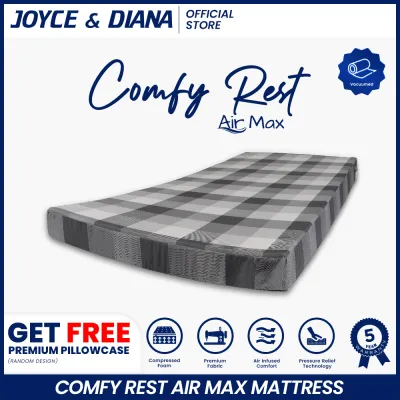
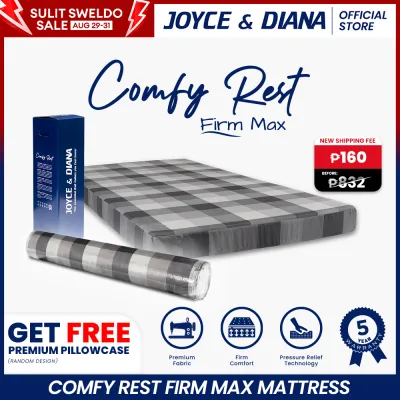


Prices are valid at publication and may change. Please refer to the product page for the latest price.
Furthermore, the high relative humidity in the Philippines increases the risk of moisture accumulation within the mattress layers. Without proper airflow, trapped sweat and ambient humidity can lead to musty odors, mold growth, and the premature breakdown of internal cushioning. Proactive humidity management, starting with the structural design of your bed, is essential for maintaining a hygienic sleep environment.
Comparing Latex, Spring, and Memory Foam Characteristics
Each mattress core material handles heat transfer, support, and moisture retention in its own distinct way. By examining the structural characteristics of latex, spring, and memory foam, you can identify which material aligns best with your bedroom’s microclimate and your personal comfort preferences.

Latex Mattresses
Latex is highly regarded for its natural elasticity and open-cell structure, which typically features manufactured pinholes designed to promote continuous airflow. When evaluating a Joyce and Diana latex mattress, check the product labels to verify whether the latex is natural, synthetic, or a blended formulation. Natural latex generally offers superior breathability and resilience compared to synthetic alternatives, making it highly suitable for warm climates.
The density rating of a latex layer influences both its firmness and its heat retention. Higher density latex provides robust, responsive support that keeps you positioned on top of the mattress rather than sinking into it, which minimizes the surface area of your body in contact with trapped heat. This responsive feel is excellent for sleepers who dislike the sinking sensation of traditional foam.
To maintain a latex mattress in humid conditions, you must ensure the room receives regular airflow. Latex requires a dry environment to prevent moisture from settling into its core, so keeping it elevated on a slatted frame is highly recommended. Be sure to check the manufacturer’s care instructions, as exposing latex to direct sunlight or excessive moisture can damage its structural integrity.
Innerspring Mattresses
Innerspring mattresses utilize a network of metal coils that inherently creates a large volume of open space inside the mattress. This open structure allows air to circulate freely with every movement, making spring systems highly efficient at dissipating body heat in warm climates. If maximum ventilation is your primary concern, an innerspring design is often the most reliable baseline.
When comparing spring options, look at the coil design, such as traditional interconnected Bonnell coils or individually wrapped pocketed coils. Pocketed coils offer localized support and reduce motion transfer between sleeping partners, while both designs maintain excellent internal ventilation. The choice between them often comes down to how much motion isolation you require.
The comfort layers stitched on top of the coils, such as a plush pillow top or a firmer tight top, will also affect temperature. A thinner, firmer tight top keeps you closer to the cooling coil system, while a thick pillow top provides more cushioning but may slightly reduce immediate airflow. Additionally, inspect the edge support system of the mattress; robust foam encasements or heavier-gauge border coils prevent the edges from sagging, ensuring the mattress retains its shape and structural stability over years of use.
Memory Foam Mattresses
Memory foam is known for its deep contouring and pressure relief, but its dense structure naturally tends to retain more body heat than spring or latex. To counter this, many modern memory foam layers incorporate specialized designs to enhance breathability. When reviewing memory foam options, check the product specifications for open-cell foam structures, gel infusions, or specialized cooling covers.
Foam density plays a dual role in memory foam mattresses. High-density foam offers excellent durability and body alignment but restricts airflow more than low-density alternatives. If you choose memory foam, be prepared for an initial off-gassing period where factory odors dissipate, requiring you to keep the room well-ventilated for the first few days.
Because memory foam reacts to body heat to contour to your shape, it performs best in consistently air-conditioned rooms. In a non-air-conditioned room in the Philippines, memory foam can soften excessively and trap heat, making it feel warmer and less supportive than intended.
Verifying Joyce and Diana Mattress Specifications
To make an informed decision, look past general marketing claims and carefully inspect the physical specifications of the Joyce and Diana mattress you are considering. Start by checking the law label or manufacturer tag attached to the mattress, which lists the exact percentage of materials used in each layer and details the fire-retardant methods applied.
Next, review the manufacturer’s warranty terms in detail. Pay close attention to what is covered under the warranty, noting any specific exclusions regarding sagging depths, moisture damage, or mold growth, which are common concerns in humid tropical regions. Understanding these terms beforehand helps you establish a proper maintenance routine.
Before finalizing your purchase, prioritize practical delivery and installation factors. Measure your doorways, stairwells, and lift access to ensure the finished dimensions of the mattress can be safely transported into your home. Additionally, verify the load capacity and stability of your bed frame; using an incompatible frame, such as a solid platform without ventilation holes, can trap moisture beneath the mattress and void your warranty, whereas a sturdy slatted frame supports both the mattress structure and healthy airflow.
Choosing the Right Mattress for Your Needs
Selecting the ideal Joyce and Diana mattress type comes down to matching your personal sleep environment with the material’s natural strengths.
Choose a latex mattress if you prefer a responsive, bouncy feel that keeps you lifted on the surface, and if your bedroom is well-ventilated or equipped with consistent climate control to manage humidity. This option is ideal for those who want a balance of pressure relief and easy movement without feeling trapped in the bed.
Choose an innerspring mattress if your primary goal is maximum airflow to combat hot nights, especially if you sleep in a room without air conditioning and prefer a traditional, supportive bounce. The open coil structure provides the most reliable cooling performance in naturally ventilated homes.
Choose a memory foam mattress if you require targeted pressure relief for joint comfort and sleep in a consistently air-conditioned space that can offset the material’s natural heat-retention tendencies. This setup allows you to enjoy the contouring benefits of foam without overheating.
Before finalizing your purchase, verify if the specific Joyce and Diana model you are viewing features breathable border fabrics, 3D mesh side panels, or specialized cooling covers that further assist with heat dissipation.
Frequently Asked Questions (FAQ)
How can I prevent mold on my mattress in a humid climate?
To protect your mattress from mold in high humidity, use a breathable, waterproof mattress protector that blocks sweat and spills while allowing air to circulate. Ensure your bedroom is well-ventilated by opening windows or running a dehumidifier during damp seasons, and always consult the manufacturer’s care guide before using any liquid cleaners on the mattress surface. Keeping the mattress elevated on a slatted bed frame also prevents moisture from pooling underneath.
Does a thicker mattress always mean it sleeps hotter?
Not necessarily. While a thicker mattress contains more material, its temperature regulation depends on the composition of the top comfort layers rather than the overall height. A thick mattress with an open-coil base and a thin, breathable top layer will sleep much cooler than a thinner, solid block of high-density memory foam. Always check the density and material type of the uppermost layers and ensure your bed frame’s slat spacing allows for adequate under-bed ventilation.

Community discussion
Share your experience or ask a question. Comments are reviewed before publication.