
Selecting a folding bed with foam for a child’s room requires balancing space-saving utility with strict safety, structural integrity, and physical support. Unlike adult guest beds that see occasional use, a child’s bed in an active household must withstand frequent handling, spontaneous play, and the unique physical demands of a growing body. In tropical climates where high humidity and ambient heat are daily realities, material selection becomes even more critical to prevent moisture retention and ensure long-term hygiene. By focusing on verifiable structural features, foam specifications, and practical dimensions, you can select a sleep solution that is both highly functional and safe.
Safety and Structural Checks for Children
The foundation of any reliable folding bed is its frame. When evaluating options for a child’s room, prioritize frames constructed from heavy-duty tubular steel or reinforced hardwood. Inspect the joints closely; welded connections or robust bolts are far more reliable than simple rivets, which can loosen over time under the stress of active use. Always verify the manufacturer’s stated weight capacity limit on the official product specification sheet rather than relying on vague marketing claims. A higher weight capacity often indicates a more stable frame design that resists flexing or warping when a child climbs onto the bed.
Pinch points represent a significant hazard in any folding furniture. Examine the hinges, folding joints, and moving brackets to identify potential areas where small fingers could become trapped. Look for models that incorporate recessed hinges, protective fabric sleeves, or safety guards that cover the folding mechanisms. The bed should also feature a reliable locking system that prevents the frame from folding or collapsing unexpectedly if a child jumps or shifts weight rapidly near the center hinge.
Products mentioned in this guide
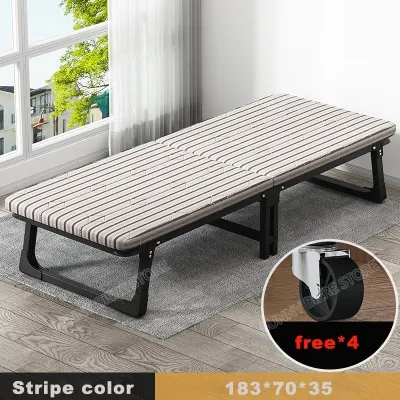
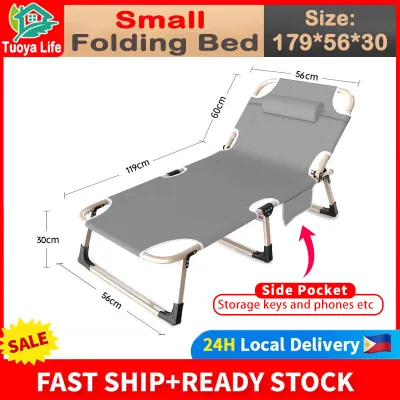
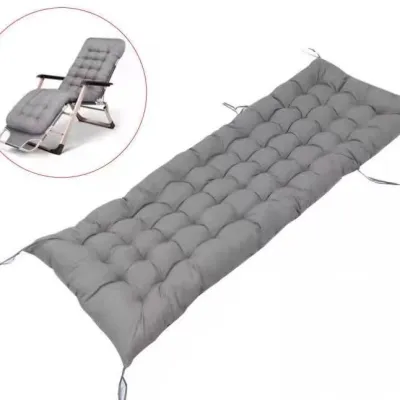
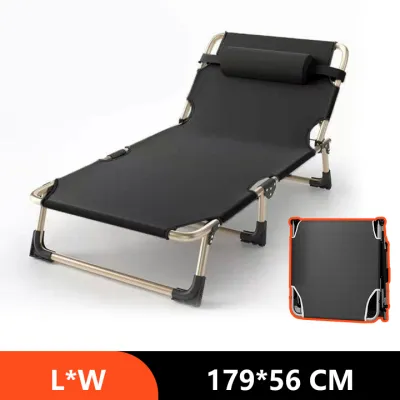
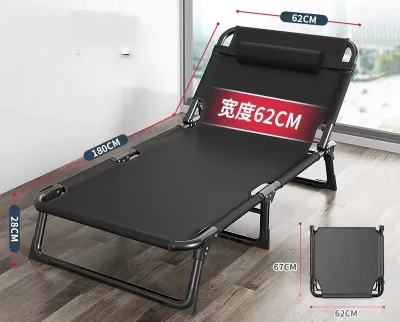
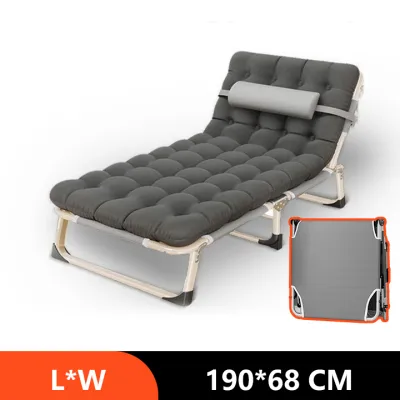
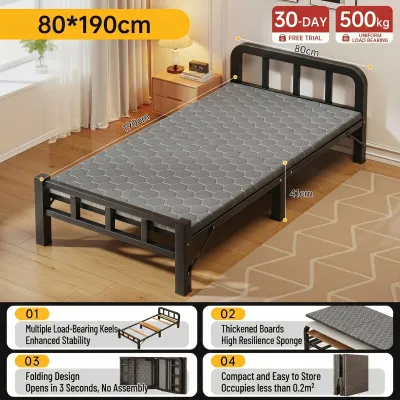
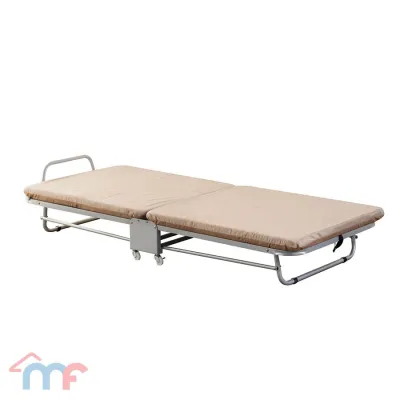
Prices are valid at publication and may change. Please refer to the product page for the latest price.
Edge protection and stability are equally vital for preventing minor injuries. Choose a frame with rounded corners or protective plastic end caps to minimize the impact of accidental bumps during playtime. The legs of the folding bed should be equipped with heavy-duty, non-slip rubber or polyurethane feet. These feet prevent the bed from sliding across smooth tile, polished wood, or laminate floors when a child tosses and turns, while also protecting your flooring from scratches.
Finally, assess the tip-over risks associated with the bed’s design. When fully extended, the bed should maintain a low center of gravity to prevent tipping if a child sits on the very edge. When folded and stored upright, the unit must be exceptionally stable. If the bed is stored in an area where children play unsupervised, consider using a wall-anchoring strap or placing the folded bed inside a secure closet to eliminate any risk of it falling forward.
Evaluating Foam Support and Cover Materials
The quality of the foam mattress directly impacts your child’s sleep quality and spinal alignment. Check the manufacturer’s product label or technical specifications for the foam density, which is typically measured in kilograms per cubic meter. For growing children, a medium-firm to firm foam is generally recommended to provide adequate support for the spine and joints. Avoid excessively soft foam that allows the child’s body to sink completely, as this can lead to discomfort and poor sleep posture. The thickness of the foam should also be verified; a minimum thickness of 5 to 8 centimeters is usually necessary to prevent the sleeper from feeling the hard support slats or metal mesh underneath.

In warm, humid environments, heat retention is a common issue with standard foam mattresses. To ensure a comfortable sleeping temperature, look for foam designed with open-cell technology or ventilation channels that facilitate airflow. Some manufacturers offer gel-infused or breathable polyurethane foams that help dissipate body heat more effectively than traditional high-density memory foam. Proper airflow not only keeps the child cool but also helps prevent the accumulation of moisture within the mattress core.
The mattress cover plays a crucial role in maintaining hygiene and extending the lifespan of the bed. Look for covers made from durable, tightly woven fabrics that offer water resistance or stain-release properties to handle accidental spills or bedwetting. A removable cover with a high-quality, full-length zipper is highly desirable, as it allows you to easily remove the fabric and wash it in a standard household washing machine. Ensure the cover fabric is breathable to complement the airflow design of the foam core.
Before purchasing, verify the material composition and care instructions provided by the manufacturer. Avoid materials that require harsh chemical cleaners, dry cleaning, or specialized solvents, as these can leave behind strong odors or chemical residues that are unsuitable for a child’s sleeping environment. Opt for covers that can be cleaned with mild, child-safe detergents and warm water, ensuring a healthy and allergen-free sleep surface.
Assessing the Folding Mechanism and Usability
Folding beds come in several distinct styles, each with its own operational footprint and storage requirements. Bi-fold frames fold in half at a central hinge, creating a flat, upright profile that can slide into deep closets or behind large furniture. Tri-fold mattresses, which often do not require a metal frame, fold into three neat sections to form a compact cube that can double as a low play bench or seat when not in use. Roll-up foam mats offer the simplest design but require secure straps to remain compact and must be stored horizontally or propped securely in a corner.
Safety locks are a critical feature that must be verified before any purchase. Look for beds equipped with manual locking pins, spring-loaded safety latches, or automatic gravity locks that engage when the frame is fully extended. These mechanisms lock the frame in the open position, ensuring that the bed cannot fold shut if pressure is applied to the head or foot of the bed. Avoid models that rely solely on the weight of the sleeper to keep the frame open, as active children can easily shift the balance.
Consider the physical weight of the folded unit and who will be responsible for setting it up. While some lightweight aluminum frames are easy to maneuver, they may lack the structural stability of heavier steel frames. Conversely, a heavy steel frame provides excellent stability but can be dangerous if a child attempts to unfold it unsupervised. It is best to establish a clear household rule that only adults should operate the folding mechanism, and the bed should be stored out of reach or locked when folded.
Familiarize yourself with the exact steps required for setup and takedown. The mechanism should operate smoothly without requiring excessive physical force, jerking, or awkward lifting angles. Smoothly operating joints reduce the risk of muscle strain for the parent and minimize the chance of the frame snapping shut unexpectedly during handling.
Verifying Dimensions for Room and Storage
Accurate physical measurements are essential to ensure the folding bed integrates seamlessly into your child’s room. Begin by measuring the clear floor space available in the room when the bed is fully extended. You must allow for a clear walkway of at least 60 centimeters around the sides and foot of the bed to ensure safe nighttime navigation and prevent your child from bumping into walls or other furniture. Consider the swing clearance of closet doors, bedroom doors, and desk chairs to ensure they can still open fully when the bed is in use.
Next, measure the folded dimensions of the bed—including its height, width, and depth—and compare them directly to your intended storage location. If you plan to store the bed under an existing frame, verify the vertical clearance of the opening. If storing it in a closet, ensure the shelf height or floor space is sufficient to accommodate the folded unit without forcing the door shut. For tri-fold models used as seating, verify that the folded height is appropriate for your child to sit comfortably.
Do not overlook the path required to bring the bed into your home and move it daily. Measure the width of doorways, narrow hallways, staircases, and any tight corners the boxed or folded unit must pass through. A bed that is easy to store but difficult to maneuver through the hallway will quickly become a source of frustration.
Ensuring adequate clearance around the bed also contributes to a safer sleep environment. Keep the extended bed away from electrical cords, wall heaters, window blind cords, and low-hanging shelves. Proper spatial planning ensures that the temporary sleeping arrangement does not introduce new hazards to the room.
Building and Comparing Your Candidate Shortlist
To make an informed decision, construct a simple comparison matrix of your top candidates. Create columns for key specifications, including frame material, locking mechanism type, foam density, open and folded dimensions, weight capacity, and price in ₱. This structured approach allows you to compare options based on objective safety and structural criteria rather than persuasive marketing language or unverified online rankings.
Gather these specifications directly from official manufacturer websites or verified brand stores on reputable online marketplaces. Avoid relying on third-party listings that use vague descriptions or omit technical details. If a manufacturer does not provide clear information regarding weight limits, foam density, or safety certifications, treat this as a significant red flag and remove the option from your shortlist.
Other red flags to watch out for include frames with exposed, unguarded hinges, mattresses with non-removable covers, and listings that fail to mention any locking mechanism. A lack of clear care instructions or vague material compositions should also prompt caution, as these products may use low-grade foams that degrade rapidly or release unpleasant odors.
Finally, evaluate the warranty terms and return policies offered by the seller. A reliable manufacturer should offer a warranty that covers frame welds and premature foam sagging under normal use conditions. Set a realistic budget in ₱ that reflects the cost of quality materials; while it may be tempting to choose the least expensive option, investing in a bed with robust safety locks and high-density foam ensures a safer, more durable, and more comfortable sleep surface for your child.
Frequently Asked Questions (FAQ)
Can a folding foam bed replace a standard mattress for everyday use?
No, a folding foam bed is not recommended as a permanent replacement for a standard everyday mattress. Folding beds are engineered for temporary or occasional use, and their frames and thinner foam profiles do not provide the continuous, zoned spinal support that growing children require for daily development. Over time, continuous daily use can lead to premature foam degradation, resulting in permanent indentations, sagging, and a loss of support. Check the manufacturer’s guidelines, which typically specify that these beds are intended for guest use or short-term sleep arrangements. Regularly inspect the foam for visible sagging or softening, which indicates it is time to replace the mattress.
How do I clean and maintain the foam and cover safely?
To maintain hygiene and prolong the life of the bed, establish a regular cleaning routine. If the bed features a removable cover, unzip it and wash it on a gentle cycle using a mild, child-safe detergent, then air-dry it completely. For the foam core, spot-clean any spills immediately using a damp cloth and a mild soap solution, taking care not to saturate the foam. Excess moisture trapped inside the foam can lead to mold and mildew growth, especially in humid tropical climates. Allow the foam to air-dry completely in a well-ventilated room away from direct sunlight, which can degrade the polyurethane structure. To deodorize the mattress safely, sprinkle a thin layer of baking soda over the surface, let it sit for an hour, and vacuum it thoroughly using an upholstery attachment.

Community discussion
Share your experience or ask a question. Comments are reviewed before publication.