
Selecting the perfect glass-front window cabinet storage for your dishes and dinnerware is a balancing act between elegant presentation, structural safety, and spatial harmony. A well-designed display cabinet keeps your ceramic plates, heirloom porcelain, and delicate glassware safe from dust while transforming everyday dining items into a beautiful visual focal point. However, because dinnerware is exceptionally heavy and fragile, choosing the wrong cabinet can lead to sagging shelves, structural instability, or even catastrophic breakage.
To make an informed investment, you must evaluate specific physical features, material properties, and structural details. From verifying interior clearances to checking the safety ratings of the glass panels, every detail contributes to a storage solution that is both functional and secure. This guide outlines the essential features and practical checks you should perform before purchasing a display cabinet for your dining room or kitchen.
Measure Your Space and Cabinet Dimensions
Before browsing styles, establish the physical boundaries of your dining area. Measure the designated floor space, ensuring there is ample room for people to walk past when the cabinet doors are fully open. Also, measure the clearance of your home’s entryways, hallways, and doorways to guarantee the delivery team can safely transport the unit into your dining space without damaging the walls or the cabinet.
Products mentioned in this guide
![[24-hour shipping]Mocoo Bay window cabinet Wardrobes Drawers Simple Sideboard Sideboard Cabinets Storage Cabinets Wardrobes TV cabinet shoe cabinet](https://img.lazcdn.com/g/p/9aead3867d69bb64696396a5b5433575.jpg_400x400q80.jpg_.webp)
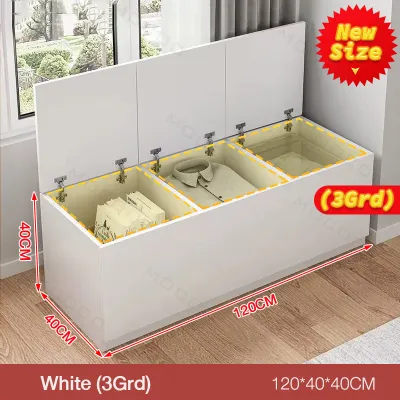
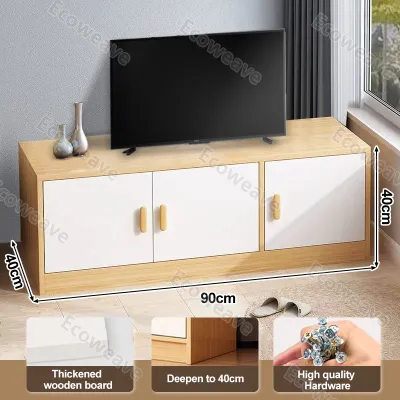
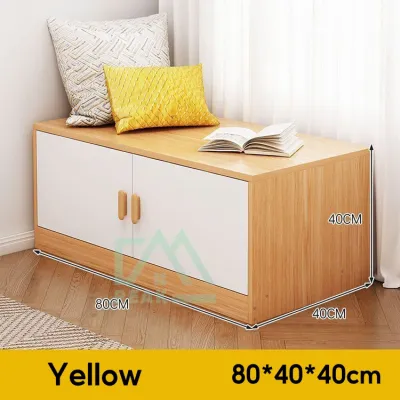
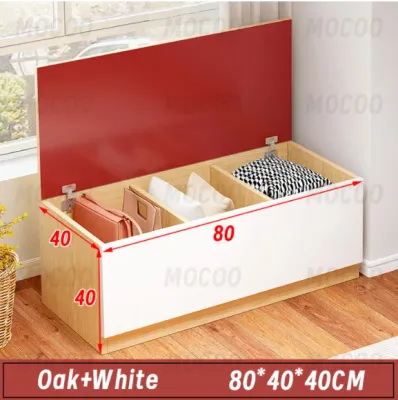
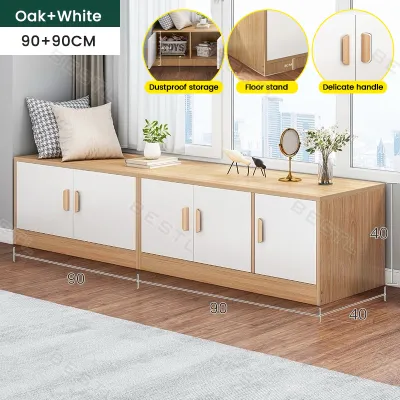
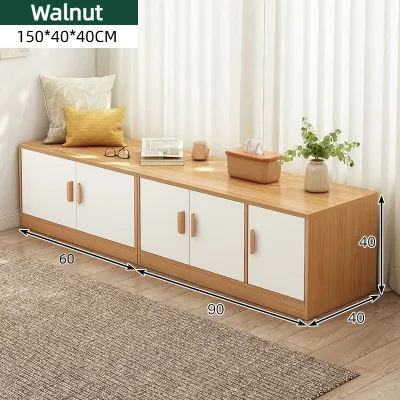
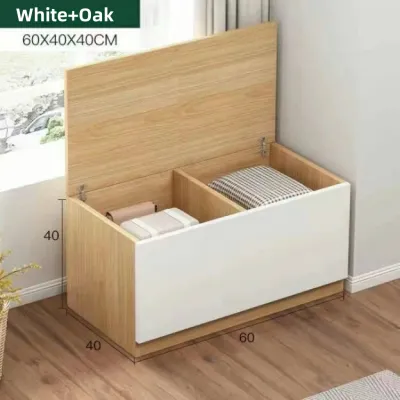
Prices are valid at publication and may change. Please refer to the product page for the latest price.
Interior dimensions require even closer scrutiny. Standard dinner plates often range from 25 to 30 centimeters in diameter, while large serving platters and salad bowls can easily exceed these dimensions. Measure your largest tableware items and compare them directly against the cabinet’s interior depth specification. If the interior depth is too shallow, you will not be able to close the glass doors completely, rendering the cabinet impractical.
Finally, consider vertical space. In homes with high ceilings, a tall cabinet maximizes vertical storage. However, check the clearance around ceiling fans, air conditioning vents, and hanging light fixtures. Ensure the top of the cabinet does not block airflow or cast unwanted shadows over your display, and verify that any built-in lighting can easily reach a power outlet without exposing unsightly cords.
Evaluate Shelf Strength and Adjustability
The weight of ceramic plates, stoneware, and glassware accumulates rapidly. A single stack of ceramic dinner plates can easily weigh several kilograms, putting immense localized pressure on a cabinet shelf. Therefore, evaluating shelf strength is a critical safety step. Look for shelves made of thick tempered glass—ideally 6 to 8 millimeters thick—or solid wood. Inspect the shelf support brackets; heavy-duty metal pins or threaded support sleeves are far more reliable than thin plastic pegs, which can become brittle and shear over time under heavy loads.

Adjustability is another essential feature. Your collection likely includes items of varying heights, such as tall wine glasses, stacked soup bowls, shallow dessert plates, and upright serving pitchers. Fixed shelves limit your storage efficiency, forcing you to leave large gaps of wasted vertical space or stack items dangerously high. Look for cabinets featuring adjustable shelf tracks or closely spaced pinholes, allowing you to customize the interior layout to match your specific dinnerware collection.
Always check the manufacturer’s specified weight capacity per shelf before purchasing. If this information is not readily available on the product label or specification sheet, contact the retailer or manufacturer directly. For safety, plan to load shelves well below their maximum rated capacity, placing the heaviest stoneware and serving platters on the bottom shelf or the solid base of the cabinet to maintain a low center of gravity.
Inspect Glass Quality and Door Mechanisms
Because a display cabinet relies on large glass panels to showcase your collection, glass quality is paramount. Standard annealed glass can shatter into sharp, dangerous shards if struck by a stray plate or chair. For a household environment, always verify that the cabinet uses tempered safety glass. Tempered glass is significantly stronger than standard glass and, in the rare event of breakage, crumbles into small, relatively harmless granular pieces. Look for small etched safety certification marks in the corners of the glass panels to confirm its tempered status.
The door mechanisms and hardware directly affect how easily and safely you can access your dinnerware. High-quality hinges are essential for heavy glass-front doors. Look for soft-close hinges or magnetic dampening systems that prevent the doors from slamming shut. A sudden impact from a slammed door can send vibrations through the entire cabinet, causing delicate wine glasses to rattle against each other or slide off their positions.
You must also choose between hinged and sliding doors based on your room’s layout. Hinged doors offer complete, unobstructed access to the cabinet’s interior, making it easy to organize large platters. However, they require clear floor space in front of the cabinet to swing open. Sliding doors are an excellent alternative for tight dining spaces or narrow walkways, as they glide parallel to the frame and do not obstruct foot traffic, though they only allow you to access one side of the cabinet at a time.
Check Interior Lighting and Dust Protection
Proper interior lighting elevates a simple storage unit into a museum-quality display. Built-in LED lighting is the preferred choice for modern display cabinets because LEDs emit minimal heat, consume very little energy, and have a long lifespan. High heat from traditional halogen bulbs can warm the air inside a sealed cabinet, potentially causing structural expansion or affecting delicate finishes. Look for cabinets with integrated LED strip lights or recessed puck lights, and check that the wiring is neatly concealed within the cabinet frame or pre-drilled grooves.
In tropical climates, dust accumulation is a constant challenge. A cabinet that lacks proper sealing will require frequent cleaning, increasing the risk of accidental chips and breakage as you repeatedly handle your dinnerware. Look for cabinets designed with tight-fitting doors, minimal gaps around the frame, or integrated dust-proof seals such as magnetic gaskets or brush strips along the door joints. These protective features keep the interior clean and reduce maintenance.
Additionally, consider the placement of the cabinet relative to natural light sources. If your dining area receives direct sunlight, prolonged exposure to ultraviolet (UV) rays can fade colored glazes or damage wooden frames. While some premium cabinets offer UV-protective glass treatments, a practical alternative is to position the cabinet away from direct sunlight or use window treatments to filter the incoming light.
Verify Structural Stability and Material Finishes
A fully loaded dinnerware cabinet is incredibly heavy, making structural stability a non-negotiable safety requirement. Examine the overall frame construction and joint quality. High-quality cabinets feature sturdy joinery, such as mortise-and-tenon joints or reinforced corner blocks, rather than simple glue and staples. Gently nudge the empty cabinet in the showroom to check for wobbling or lateral sway; a stable cabinet should feel rigid and grounded.
Because of the high center of gravity when top shelves are loaded with glassware, tall display cabinets pose a serious tip-over risk. This hazard is especially critical in busy households. Ensure the cabinet comes with dedicated anti-tip wall anchoring hardware, and follow the manufacturer’s installation instructions to secure the unit firmly to a wall stud. Never skip this step, as even a slight bump can cause an unanchored, top-heavy cabinet to fall forward.
Finally, check for adjustable leveling feet on the base of the cabinet. Uneven floors are common in many homes, and even a minor slope can cause the cabinet frame to twist slightly over time. This twisting can lead to misaligned doors, sticking hinges, and uneven weight distribution across the shelves. Adjustable levelers allow you to compensate for uneven flooring, ensuring the cabinet remains perfectly upright, stable, and safe for years to come.
Frequently Asked Questions (FAQ)
How do I prevent glass shelves from sagging under heavy dinnerware?
To prevent glass shelves from bowing or sagging, always distribute the weight of your dinnerware evenly across the surface rather than stacking everything in the center. Place heavier items, such as ceramic serving bowls and large plates, closer to the sides of the shelf where the support brackets are located. If you have a large collection of heavy stoneware, consider upgrading to thicker tempered glass shelves (at least 8 millimeters) or replacing some glass shelves with solid wood alternatives that offer higher load-bearing capacities.
Is it better to have a glass-front cabinet with solid wood or engineered wood framing?
The choice depends on your budget and environmental conditions. Solid wood framing offers exceptional durability, classic beauty, and high structural strength, but it can expand and contract in response to seasonal humidity changes, which may cause doors to stick if not properly sealed. High-quality engineered wood, such as medium-density fiberboard (MDF) with a moisture-resistant finish or wood veneer, is highly stable and less prone to warping in humid climates. When choosing engineered wood, inspect the edges and laminates carefully to ensure there are no gaps where moisture could enter and cause swelling.

Community discussion
Share your experience or ask a question. Comments are reviewed before publication.