
To survive the intense humidity and sudden downpours of the Philippine rainy season, a heavy-duty folding table must combine a rust-resistant frame with a non-porous, seamless tabletop and robust, locking hardware. While many tables are marketed as “heavy-duty” based solely on their weight capacity, true outdoor survival in a tropical climate requires specific weather-resistant barriers. Without these protective features, the combination of high moisture and heat will quickly degrade structural integrity, turning a convenient utility item into a safety hazard.
When selecting a folding table for outdoor events, backyard dining, or semi-sheltered garage use, understanding how materials interact with water is essential. The rainy season brings prolonged periods of high humidity, where moisture hangs in the air even when it is not actively raining. This constant dampness penetrates unprotected surfaces, weakens joints, and initiates oxidation on metal components. By focusing on specific material standards and construction details, you can select a table that remains stable, clean, and functional year after year.
Understanding the Rainy Season's Impact on Outdoor Furniture
The climate in the Philippines during the wet season presents a unique set of challenges for outdoor furniture. Frequent, heavy downpours can saturate surfaces within minutes, while the subsequent warm, humid intervals create a greenhouse effect on uncovered patios and yards. When water pools on a tabletop, it seeks out any microscopic crack, seam, or pore. Over time, this standing water penetrates the material, leading to internal swelling, warping, and a gradual breakdown of the structural core.
Products mentioned in this guide
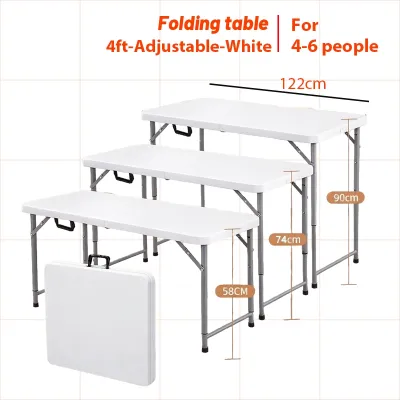
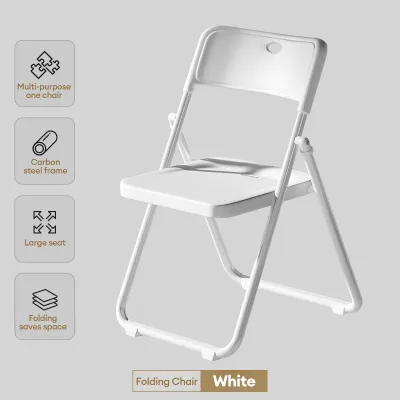
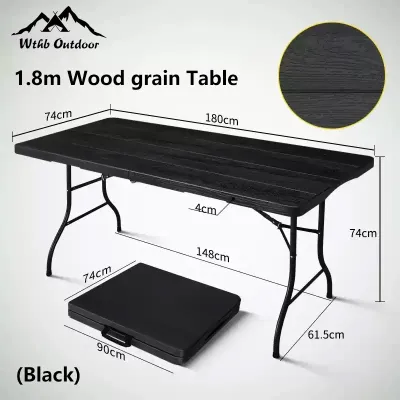
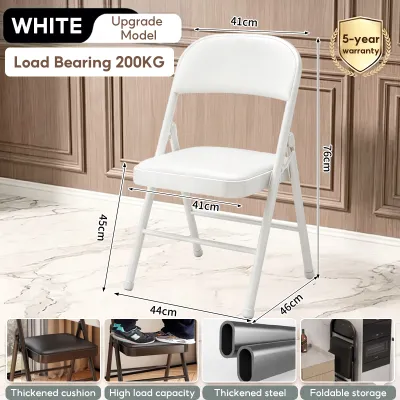
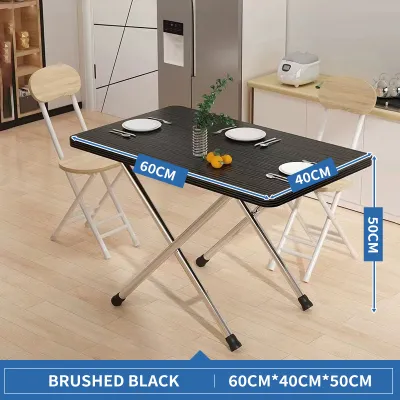
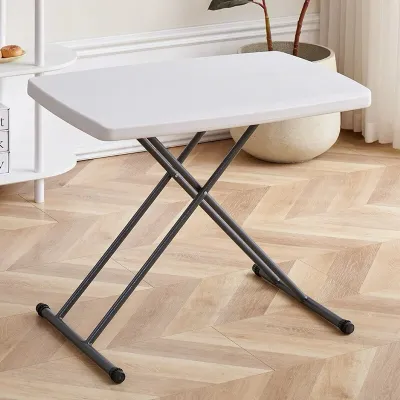
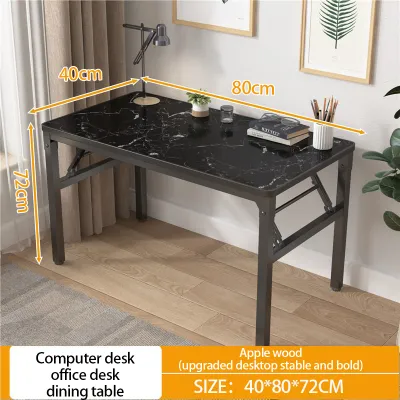
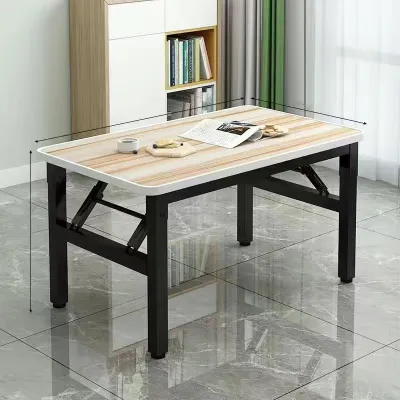
Prices are valid at publication and may change. Please refer to the product page for the latest price.
High humidity is equally destructive, acting as a catalyst for chemical and biological degradation. On untreated or poorly coated metals, moisture in the air reacts with oxygen to form iron oxide, commonly known as rust. This oxidation process does not merely ruin the appearance of the table; it actively eats away at the metal’s thickness, compromising the load-bearing capacity of the legs and supports. Concurrently, warm and damp conditions provide the perfect breeding ground for mold, mildew, and fungi, which can permanently stain porous surfaces and create unpleasant odors.
It is crucial to distinguish between a table that is simply “heavy-duty” and one that is weather-resistant. A heavy-duty rating typically indicates that the table can support substantial weight under ideal, dry conditions. However, if the frame lacks a protective barrier and the tabletop is made of absorbent materials, that high weight capacity will rapidly decline once exposed to seasonal rains. To ensure long-term durability, you must look for products where heavy-duty structural design is explicitly paired with specialized weatherproofing treatments.
Essential Frame and Leg Materials for High Humidity
The frame serves as the skeleton of your folding table, bearing the brunt of both physical loads and environmental exposure. When shopping for a table that will face tropical humidity, you should never assume that a metal frame is naturally protected against rust. Instead, carefully inspect the product specifications for explicit mentions of protective finishes. The most reliable options feature powder coating, hot-dip galvanization, or anodization, which create a physical barrier between the raw metal and the moisture-laden air.

Powder coating is particularly effective for outdoor folding tables because it involves electrostatically applying a dry powder that is then cured under heat to form a hard, continuous skin. When evaluating these coatings, check the manufacturer’s descriptions for details regarding the thickness or grade of the finish. A high-quality, multi-layered powder coat resists chipping and scratching, which is vital because any break in the coating allows moisture to reach the underlying steel and begin the rusting process from the inside out.
Beyond the flat surfaces of the legs, the joints and connection points require close inspection. Welded joints generally offer superior structural integrity compared to bolted connections, provided the welds are smooth and fully coated. If the table utilizes bolts and screws, these hardware components must be checked for rust-resistant plating, such as zinc or stainless steel. Exposed bolt threads are notorious for trapping water, making them the first place rust tends to develop if they are left untreated.
Finally, always cross-reference the manufacturer’s stated weight capacity with the physical design of the frame. A truly heavy-duty table will feature thick-gauge steel tubing and a well-engineered support structure, such as a wishbone leg design or center-folding reinforcement. This structural robustness ensures that even when the ground becomes soft or muddy from heavy rain, the frame will not bend or buckle under a heavy load.
Tabletop Surfaces That Resist Water and Mold
The tabletop is the most exposed part of the furniture, receiving direct impact from rain, wind, and intense tropical sunlight. To prevent water absorption and subsequent mold growth, you should prioritize non-porous materials. High-density polyethylene (HDPE) is a highly recommended choice for rainy climates because it is inherently waterproof, does not absorb moisture, and is resistant to chemical staining. However, simply seeing the word “plastic” or “polyethylene” is not enough; you must verify that the product is labeled as weather-resistant or waterproof.
One of the most common failure points in folding tabletops is the edge construction. If a table is constructed from composite wood, laminate, or layered plastics, water can easily seep through the seams where the top meets the side banding. Once moisture enters these seams, the inner core swells, causing the surface to bubble, peel, or split. To avoid this, look for tabletops with seamless, blow-molded construction or integrated edge banding that leaves no gaps for water penetration.
Untreated wood, medium-density fiberboard (MDF), and low-grade particle board should be avoided for outdoor use during the rainy season. These materials act like sponges when exposed to high humidity, rapidly losing their structural strength and becoming prime targets for mold colonization. If you prefer the aesthetic of wood, ensure the manufacturer explicitly states that the surface has been treated with a marine-grade sealant or a specialized outdoor polyurethane coating, and be prepared to follow a strict resealing schedule.
Additionally, the transition between heavy rain and intense tropical sun can accelerate material degradation. Ultraviolet (UV) rays can weaken plastics, causing them to become brittle, fade, or crack over time. When cracks form on the surface, they create new pathways for rainwater to enter. Therefore, it is essential to verify that the tabletop material includes UV-inhibitors or UV-resistant stabilizers, ensuring the table can withstand both the scorching afternoon sun and the sudden evening downpours.
Structural and Hardware Checks for Heavy-Duty Stability
A folding table relies on moving parts to function, and these mechanisms are highly vulnerable to the elements. When moisture enters the folding joints, hinges, and locking pins, it can cause them to rust, seize, or become difficult to operate. Before purchasing, check that the hardware is constructed from corrosion-resistant materials or treated with protective plating. Gravity rings, spring-loaded locking pins, and slide locks should slide smoothly without catching, even when exposed to damp air.
Stability is another critical factor, especially when using the table on outdoor surfaces like grass, soil, or wet concrete patios. Heavy rain can soften the ground, making it uneven and unstable. To counteract this, look for folding tables that feature reinforced cross-bracing, heavy-duty gussets, and locking leg braces. These structural elements distribute weight evenly across the frame, preventing the legs from splaying or collapsing when the table is loaded on a soft, wet surface.
The feet of the table play a double role in protecting both the furniture and the ground it stands on. Ensure the table legs are equipped with durable, non-slip, and non-marking foot caps. These caps, typically made of heavy-duty rubber or high-density plastic, prevent the metal legs from making direct contact with wet ground, which reduces the risk of water wicking up into the hollow tubes of the frame. They also provide essential traction on slick, wet tiled floors or smooth concrete.
While shopping, pay close attention to user feedback and product specifications regarding the folding mechanism’s long-term performance. If reviews frequently mention that the hinges stiffen, squeak, or rust after a few months of use, it indicates that the hardware lacks adequate weather protection. A reliable heavy-duty table should maintain a smooth, reliable folding action, allowing you to set it up and pack it away quickly when a sudden tropical storm approaches.
Maintenance and Storage Practices to Extend Lifespan
Even the most durable, weather-resistant folding table requires proper care to maximize its lifespan during the wet season. Routine maintenance should begin with regular cleaning to remove dirt, fallen leaves, and organic debris. When left on the table, these materials can trap moisture against the surface, creating microclimates that encourage mold growth and slowly wear down protective coatings. A simple wipe-down with a soft cloth and mild soapy water is usually sufficient to keep the table clean.
After a heavy rain or a thorough cleaning, never fold and store the table while it is still wet. Trapping moisture inside the folded frame or between the collapsed tabletop surfaces creates a highly humid environment with zero airflow. This enclosed dampness is a primary cause of rapid mold development and accelerated hardware corrosion. Always allow the table to dry completely in a well-ventilated, shaded area before folding it up for storage.
When performing maintenance, always consult the specific product manual for approved cleaning agents and care instructions. Avoid using harsh chemical solvents, abrasive scrubbing pads, or high-pressure washers unless the manufacturer explicitly states they are safe. These aggressive cleaning methods can strip away the protective powder coating or degrade the UV-resistant outer layer of the tabletop, leaving the underlying materials vulnerable to rust and water damage.
Finally, make it a habit to inspect your table periodically for early signs of wear and tear. Look closely for small chips in the paint or powder coating, minor surface rust around joints, or hairline cracks on the tabletop. Addressing these minor issues early—such as applying a touch-up rust-inhibitive paint to a chipped frame—can prevent the damage from spreading. If you notice significant structural damage, such as a severely rusted joint or a bent frame, stop using the table immediately and consult the manufacturer for repair options.
Pre-Purchase Checklist for Weather-Resistant Tables
To help you make an informed decision when shopping online or visiting local home improvement stores, use this practical checklist to evaluate your options:
- Verify Physical Dimensions: Ensure the open dimensions fit your intended space, and check the folded clearance to confirm it can be stored easily in your garage, closet, or utility area.
- Confirm Weight Capacity: Look for a certified heavy-duty load rating that matches your intended use, whether for heavy catering equipment, workshop tools, or large family gatherings.
- Check for Weatherproof Labels: Look for explicit product descriptions stating "waterproof," "rust-resistant," "UV-protected," or "suitable for outdoor use" on both the frame and the tabletop.
- Inspect the Frame Finish: Confirm the metal legs are treated with a high-quality powder coating, galvanization, or anodization, and check that welded joints are smooth and fully covered.
- Examine the Tabletop Edge: Ensure the tabletop has a seamless, molded edge or high-quality edge banding to prevent water from seeping into the core material.
- Evaluate the Hardware: Check that hinges, locking rings, and pins are made of corrosion-resistant materials and operate smoothly without binding.
- Review the Warranty: Read the seller's warranty terms to understand what is covered, paying close attention to clauses regarding manufacturing defects, structural failures, or weather-related wear.
Frequently Asked Questions (FAQ)
Can I leave a heavy-duty folding table outside all year round?
While high-quality weather-resistant folding tables are designed to withstand outdoor conditions, leaving them exposed to the elements year-round will inevitably shorten their lifespan. Continuous exposure to heavy rain, high humidity, and intense tropical sunlight accelerates the natural wear of protective coatings and materials. To maximize the life of your table, check the manufacturer’s care instructions regarding prolonged outdoor exposure. It is highly recommended to use a waterproof furniture cover or store the table in a sheltered, dry area during periods of prolonged non-use or severe monsoon weather.
How do I remove early rust spots from the table frame?
If you notice minor, superficial rust spots developing on the metal frame, consult your product manual before attempting any repairs to avoid voiding the warranty. For light surface rust, you can gently clean the area using a soft-bristled brush or a non-abrasive cloth dipped in a mild vinegar solution, which helps dissolve the iron oxide. Once the rust is removed, rinse the area with clean water, dry it completely with a towel, and apply a thin coat of rust-inhibiting touch-up paint or a protective silicone spray as recommended by the manufacturer. If the rust has penetrated deeply into the metal or caused the frame to bend, stop using the table and contact the manufacturer for guidance.

Community discussion
Share your experience or ask a question. Comments are reviewed before publication.