
Choosing an extendable wooden dining table set for 6 to 10 people requires looking beyond aesthetics to evaluate structural integrity, spatial clearance, and mechanical durability. An extendable table must serve two distinct roles: it must remain compact enough for comfortable daily use by a household of six, yet expand seamlessly to accommodate up to ten guests during large family gatherings. To make a sound investment, you must prioritize a smooth and reliable extension mechanism, verify the stability of the frame when fully extended, inspect the wood material and finish for resistance to local humidity, and measure your dining area to ensure adequate clearance.
Measuring Your Space for 6 to 10 Seats
Before browsing designs, you must establish the physical limits of your dining room. A standard wooden dining table set for 6 typically requires a length of about 150 to 180 centimeters to allow three diners on each side to sit comfortably without bumping elbows. When expanding the table to seat 10 people, the length must increase to at least 220 to 240 centimeters, depending on whether you plan to place chairs at the table ends. You must also account for standard chair widths, which generally range from 45 to 50 centimeters. Ensuring each diner has at least 60 centimeters of lateral space is essential for a comfortable dining experience, especially during long, multi-course family meals.
Beyond the table’s footprint, spatial clearance around the perimeter is critical for movement. You should maintain a minimum clearance of 90 centimeters between the edge of the table and the nearest wall, sideboard, or doorway. This distance allows diners to pull their chairs out and sit down without feeling cramped. For high-traffic dining areas, increasing this clearance to 120 centimeters is highly recommended, as it provides enough space for another person to walk comfortably behind seated guests to serve food or move between rooms.
Products mentioned in this guide
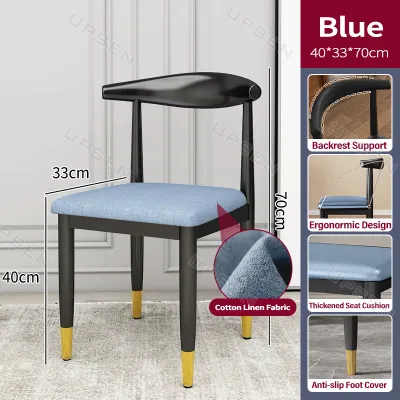
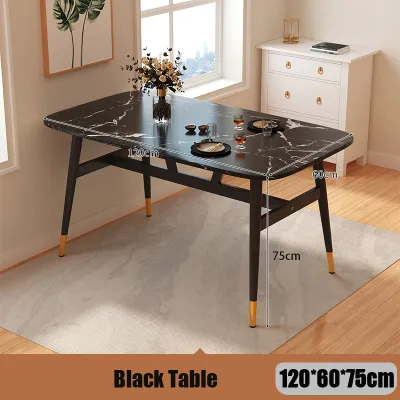
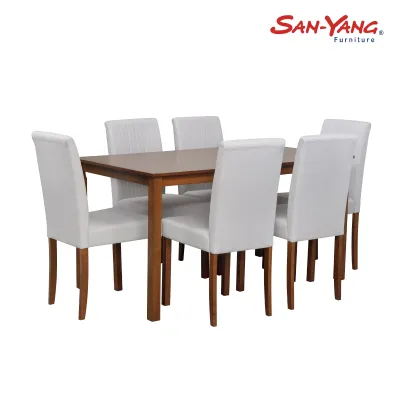
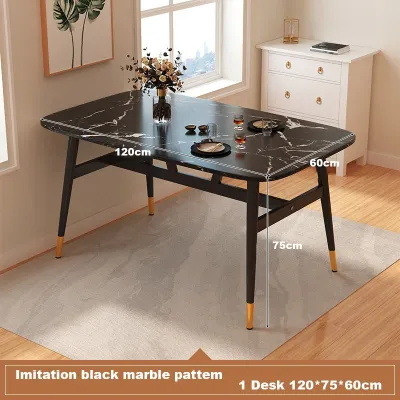
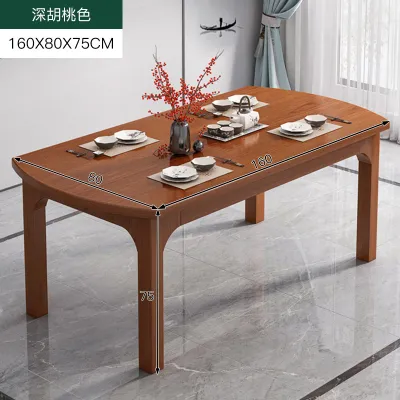
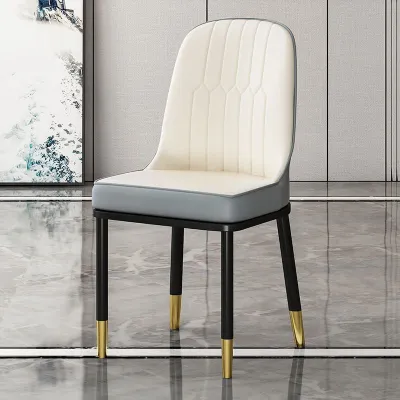
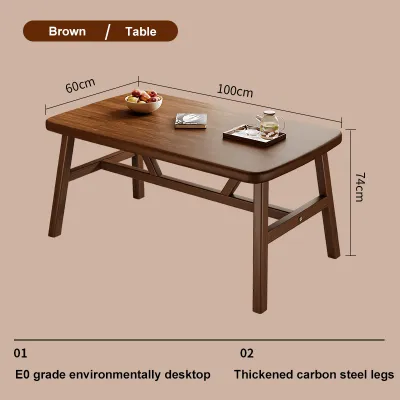
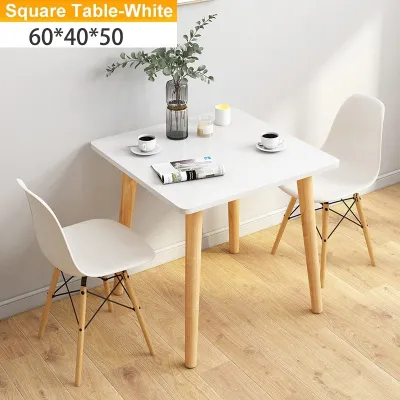
Prices are valid at publication and may change. Please refer to the product page for the latest price.
Finally, do not overlook the logistics of delivering and assembling a large piece of furniture. You must measure the width and height of all entry points, including front doors, narrow hallways, stairwells, and elevator cabins. An extendable table, particularly one made of solid wood, can be exceptionally heavy and bulky even when disassembled. Verifying these dimensions beforehand prevents the frustration of a delivery that cannot physically enter your home, ensuring a smooth transition from the delivery truck to your dining room.
Comparing Extension Mechanisms for Daily vs. Occasional Use
The mechanism that facilitates the table’s expansion determines how easily and frequently you can transition between seating capacities. A butterfly leaf mechanism is highly favored for its convenience and self-contained design. With this system, the extension leaves are hinged and folded flat beneath the tabletop. When you slide the two halves of the table apart, the leaf rotates and unfolds like butterfly wings to fill the gap. Because the leaves are stored internally, you do not need to find extra closet space for them, and the mechanism is often smooth enough for a single person to operate.

In contrast, tables with removable leaves (often called draw leaves or insert leaves) require you to store the extra tabletop sections separately when they are not in use. This design is highly suitable for occasional holiday hosting, where the table remains at its base size for months at a time. However, installing these leaves usually requires two people to pull the table ends apart and carefully align the pegs and holes of the loose insert. You must also ensure you have a safe, dry storage area, such as a closet or under-bed space, where the loose leaves will not warp or suffer damage from ambient humidity.
Drop-leaf tables offer another space-saving alternative, where the hinged ends of the table hang vertically when collapsed and lift up to be supported by pull-out brackets. While highly efficient for tight spaces, you must carefully inspect the hinge quality and the flatness of the extended surface. Any misalignment at the seams can cause plates or glassware to wobble.
Regardless of the mechanism type, you must inspect the slide tracks and locking hardware. Heavy-duty metal tracks with ball bearings offer greater longevity and smoother operation than wooden slides, which can swell and stick in humid tropical climates. Look for robust under-table latches or tension locks that secure the tabletop sections tightly together, preventing the seams from separating or sagging under the weight of serving dishes.
Evaluating Wood Materials and Surface Finishes
The choice of wood material directly impacts the table’s weight, longevity, and maintenance requirements. Solid wood tables, crafted from hardwoods like mahogany, teak, or acacia, are highly valued for their natural beauty, exceptional durability, and repair potential. If a solid wood surface gets scratched or stained, it can be sanded down and refinished multiple times. However, solid wood is susceptible to natural expansion and contraction in response to changes in humidity, which can cause minor warping or joint movement over time if the wood was not properly kiln-dried.
Engineered wood, such as medium-density fiberboard (MDF) topped with a high-quality wood veneer, offers a more stable alternative that resists warping in humid environments. Veneered tables are often lighter and more budget-friendly than solid wood options, making them easier to move and extend. The trade-off is that thin veneers cannot be sanded down repeatedly, meaning deep scratches or water damage can be difficult or impossible to repair. When choosing engineered wood, inspect the edge banding carefully to ensure there are no gaps where moisture could penetrate and cause the core material to swell.
The surface finish is your table’s primary defense against spills, heat, and daily wear. In a dining environment, you should review the manufacturer’s care instructions to confirm the finish’s resistance to hot serving dishes and liquid spills. Polyurethane and lacquer finishes provide a hard, protective barrier that is easy to wipe clean, making them highly practical for busy households. Oil and wax finishes offer a more natural, matte appearance but require periodic reapplication and are more vulnerable to water rings and heat marks.
Additionally, pay close attention to the visual continuity of the wood grain. When the table is fully extended, the grain pattern on the extension leaves should ideally align with or complement the main tabletop. High-quality manufacturers take care to cut the leaves from the same wood batch to ensure consistent color and grain direction, preventing the extended table from looking mismatched.
Checking Stability and Weight Distribution When Fully Extended
An extendable table must remain perfectly stable and level when fully expanded to its 10-seat capacity. The leg configuration plays a critical role in how weight is distributed and how comfortably guests can sit. Traditional four-legged tables offer excellent stability at the corners, but the legs can restrict chair placement and legroom, especially near the extension seams.
Central pedestal or trestle bases are highly popular for extendable tables because they eliminate corner legs, allowing you to slide chairs in freely anywhere along the perimeter. However, a pedestal table must have a wide, heavy base to prevent tipping when guests lean on the extended ends. For tables extending to 240 centimeters or more, verify whether the design includes integrated drop-down support legs. These auxiliary legs remain hidden under the frame when the table is closed but fold down to support the center when extended, preventing the middle of the table from sagging under the weight of heavy serving platters.
You must also examine the connecting hardware underneath the table. Look for heavy-gauge steel brackets, bolts, and reinforced corner blocks rather than simple wood screws or glue. As the table is repeatedly extended and closed, these joints experience significant stress. Opt for designs with anti-loosening hardware, and plan to inspect and tighten the bolts periodically as part of your routine home maintenance to ensure the frame remains wobble-free.
Matching Table Features to Your Household Needs
To narrow down your options, match the table’s features to your specific lifestyle and household dynamics. If you host large family gatherings frequently and have a dedicated, spacious dining room, prioritizing a solid wood pedestal table with an integrated butterfly leaf and heavy-duty metal tracks is a wise investment. This setup allows you to transition from a 6-seat daily configuration to a 10-seat festive layout in minutes, without the hassle of storing loose leaves.
For homes with limited daily space where large gatherings are occasional, a compact drop-leaf table or an engineered wood table with removable leaves is highly practical. This choice keeps your dining area open and airy for daily activities while still providing the capability to host when needed. Choosing a lighter veneer or engineered wood construction also makes the table easier to move if you need to reposition it within the room for larger events.
If your household includes young children or active pets, safety and durability should guide your selection. Look for tables with rounded edge profiles rather than sharp corners to minimize the risk of bumps and bruises. Additionally, prioritize highly durable, scratch-resistant polyurethane finishes that can withstand spilled juices, toy cars, and frequent sanitizing without degrading. Ensure the base is heavy and tip-resistant, particularly when the table is fully extended.
Before making your final purchase, go through a pre-purchase checklist with the retailer. Confirm the assembly conditions—whether professional assembly is included or if you will need specialized tools. Inquire about the warranty coverage, specifically regarding the extension mechanism and wood warping. Finally, check the retailer’s policy on replacing lost or damaged extension leaves, as securing a matching replacement years down the road can be difficult if the model is discontinued.
Frequently Asked Questions (FAQ)
How do I maintain the wood finish when the table is frequently extended?
To maintain the wood finish, always follow the manufacturer’s specific cleaning instructions. Use a soft, slightly damp microfiber cloth to wipe down the surface, and immediately dry any moisture that gets trapped in the extension seams to prevent the wood from swelling. Avoid using harsh chemical cleaners, abrasive pads, or silicone-based polishes, which can degrade the protective finish over time. Additionally, apply a recommended lubricant, such as a dry silicone spray or paraffin wax, to the metal or wooden slide tracks once or twice a year to ensure the mechanism continues to operate smoothly without sticking.
Can I add a table protector or glass top to an extendable wooden table?
While a custom-cut glass top offers excellent protection against scratches and spills, it is typically only feasible for a fixed table size. A single glass sheet cannot expand with the table, and storing multiple heavy glass panels for the extended sections is highly impractical. Instead, consider using a flexible, cut-to-size clear PVC protector or a high-quality padded table pad during large gatherings. If you use a plastic protector, verify that the underside is breathable or remove it promptly after use; leaving non-breathable plastic on a wooden surface for extended periods can trap humidity, potentially damaging the wood finish underneath.

Community discussion
Share your experience or ask a question. Comments are reviewed before publication.