
Preparing for a newborn involves managing an overwhelming volume of tiny items, from onesies and swaddles to diapers and receiving blankets. A reliable baby clothes cabinet serves as the organizational anchor of your nursery, keeping these daily essentials within arm’s reach. However, selecting the right cabinet requires looking beyond aesthetics to evaluate structural safety, interior adaptability, and material resilience. By focusing on specific design features, you can find a storage solution that keeps your baby’s room orderly and safe from infancy through the toddler years.
Because infant garments are small and frequently changed, nursery storage needs to be highly accessible and exceptionally organized. A well-designed cabinet minimizes the time spent searching for clean clothes during late-night changes, allowing you to focus on your baby. Evaluating key features before purchasing ensures that the furniture fits your physical space, matches your daily routine, and adapts to your child’s changing needs over time.
Prioritize Safety and Stability in the Nursery
Safety must be the primary consideration when selecting any nursery furniture. Because babies quickly grow into curious toddlers who pull on drawers and attempt to climb, a cabinet’s stability is paramount. Look for units that explicitly include anti-tip anchoring hardware. In many homes, securing the cabinet to the wall is the single most effective way to prevent tip-over accidents. When evaluating a cabinet, check whether the manufacturer provides clear instructions and heavy-duty brackets for wall mounting, especially if you have concrete or drywall partitions.
Products mentioned in this guide
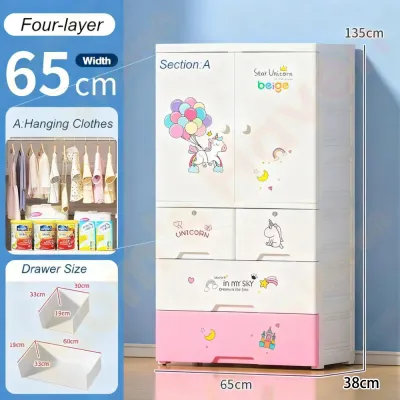
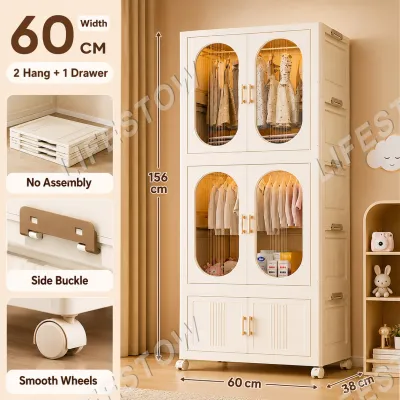
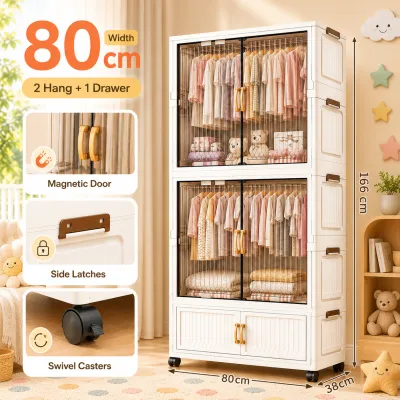
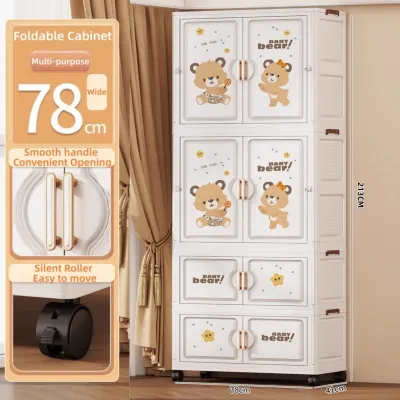
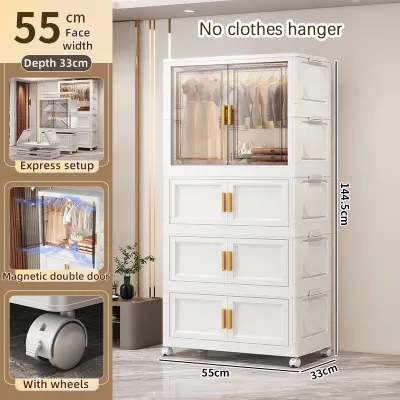
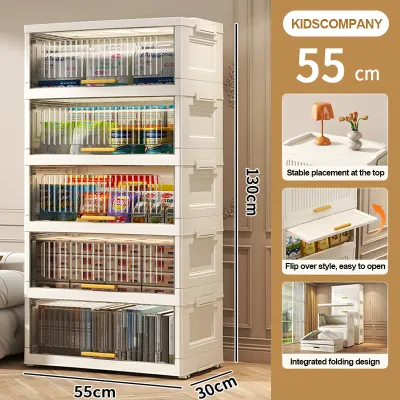
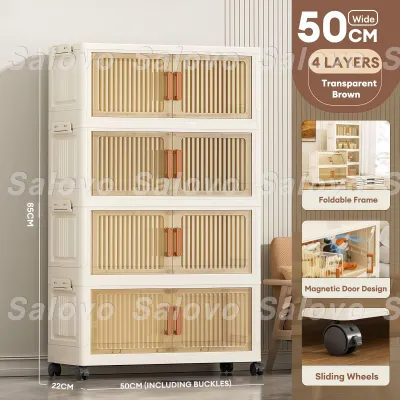
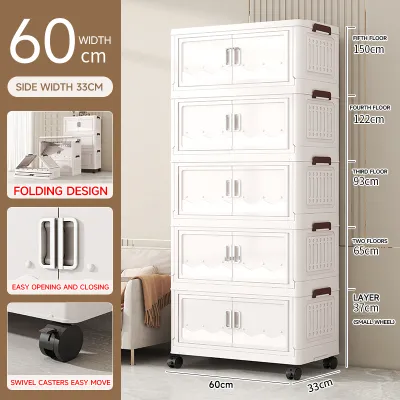
Prices are valid at publication and may change. Please refer to the product page for the latest price.
The physical design of the cabinet also influences its overall stability. A wide base and a low center of gravity naturally reduce the risk of tipping. When inspecting drawers, verify that they are equipped with built-in drawer stoppers. These safety mechanisms prevent a drawer from being pulled completely out of the frame, which could otherwise fall on a child or cause the entire unit to lose balance. Additionally, run your hands along the edges and corners of the cabinet to ensure they are rounded rather than sharp, minimizing the risk of injury during active play.
Surface finishes require close inspection to protect your baby’s developing respiratory system. Look for cabinets that specify non-toxic, low-VOC (volatile organic compound) finishes or lead-free paint certifications. Since infants frequently explore their environment by touching and teething, verifying these material certifications on the product label or manufacturer website is essential. Avoid products with strong chemical odors upon unboxing, as this often indicates high levels of off-gassing that can irritate sensitive airways.
Evaluate Compartment Design and Accessibility
An effective baby clothes cabinet must accommodate garments that are incredibly small but highly numerous. Standard adult wardrobes often feature deep, wide spaces that lead to cluttered piles of tiny clothes. To maximize efficiency, prioritize cabinets with adjustable shelving. Removable or repositionable shelves allow you to customize the interior layout, creating short compartments for folded onesies now and taller spaces for jackets and toys later.

Hanging rods are equally important for keeping tiny outfits organized and wrinkle-free. Because newborn clothes are short, a cabinet with double hanging rods—one positioned above the other—can double your hanging capacity without taking up extra floor space. Ensure the depth of the cabinet is sufficient to accommodate baby-sized hangers without forcing the doors to stay slightly open. A depth of at least 40 to 45 centimeters is generally adequate for infant clothing hangers while keeping the overall footprint compact.
The quality of the drawer glides directly impacts your daily care routine. During diaper changes or late-night feedings, you will often need to retrieve clean clothes or swaddles with only one hand free. Look for drawers equipped with smooth, ball-bearing metal glides rather than basic plastic runners or wood-on-wood tracks. Metal glides allow the drawers to slide open effortlessly and quietly, preventing loud squeaks or sudden jerks that could wake a sleeping infant. Soft-close mechanisms are an excellent additional feature, as they prevent fingers from getting pinched and ensure quiet operation.
Assess Dimensions, Space, and Assembly Requirements
Before finalizing your purchase, precise physical measurements are necessary to ensure the cabinet fits your nursery layout. Measure the designated floor footprint, keeping in mind the clearance required for cabinet doors and drawers to open fully without obstructing walkways or hitting the crib. Consider the height of the cabinet as well; while taller units offer more vertical storage, you must ensure you can comfortably reach the top shelves or any storage baskets placed on top.
Logistical constraints can turn a great purchase into a delivery headache. Measure your home’s entryways, hallway widths, and any stairwells or elevator doors to confirm that the packaged boxes can pass through safely. Many modern cabinets are delivered as flat-pack furniture, which requires navigating heavy, long boxes through tight corners. If you live in a multi-story home or a condominium, verifying these dimensions beforehand prevents delivery failures at your doorstep.
Assembly requirements vary significantly between brands and models. Review the manufacturer’s product description to understand the complexity of the assembly process, the tools required, and the estimated time commitment. If you are not comfortable using power drills, leveling tools, or securing wall anchors, look for retailers that offer professional assembly services. A professional installation ensures that the cabinet is put together correctly, all joints are secure, and the critical anti-tip hardware is properly anchored to your wall.
Verify Material Durability and Maintenance Needs
The tropical climate in the Philippines introduces unique challenges for wooden furniture, making material selection and maintenance critical. High humidity levels can cause low-quality engineered wood, such as unsealed particleboard, to absorb moisture, swell, and eventually sag or develop mold. To prevent these issues, look for cabinets constructed from solid wood or high-density fiberboard (HDF) with fully sealed back panels and edge banding. These protective barriers help shield the inner materials from moisture penetration.
Maintenance should be straightforward, as nursery furniture is prone to spills, spit-up, and baby oil stains. Check the manufacturer’s care instructions to ensure the surfaces are wipeable and can withstand regular cleaning. A durable, water-resistant finish allows you to clean the cabinet easily using a damp microfiber cloth and mild, baby-safe soap. Avoid cabinets with rough, unsealed surfaces or intricate carvings that can trap dust and allergens, making routine cleaning more difficult.
Hardware durability is another key factor in humid environments. Inspect the quality of the hinges, handles, and screws, looking for rust-resistant materials such as stainless steel or treated brass. Loose joints or squeaky hinges are common signs of poor construction. Checking that the cabinet joints are reinforced with dowels, metal brackets, or sturdy screws rather than simple glue ensures the structure remains stable and durable through years of daily opening and closing.
Build Your Shortlist and Finalize the Purchase
To make an informed decision, organize your findings into a practical buying matrix that separates your absolute must-have features from optional conveniences. For instance, anti-tip hardware, non-toxic finishes, and smooth drawer glides should sit firmly in the must-have category for safety and usability. Features like specialized drawer dividers, decorative handles, or specific paint colors can be classified as nice-to-have options that you can customize later.
Establish a realistic budget in Philippine Pesos (₱) that reflects both the quality of the materials and the longevity of the furniture. While budget-friendly plastic drawers are widely available, investing ₱8,000 to ₱20,000 in a sturdy wooden cabinet often provides better long-term value, as the piece can transition into a toddler wardrobe or general bedroom storage. When comparing prices, factor in any additional costs for delivery, professional assembly, and wall-anchoring hardware.
Finally, protect your investment by reviewing the retailer’s warranty terms and post-purchase policies. Look for warranties that cover structural defects, broken drawer glides, or damaged hardware for at least one to two years. Verify the return policy, especially regarding items damaged during transit or missing assembly parts. Choosing a reputable retailer with responsive customer support ensures that any issues during delivery or assembly are resolved quickly, allowing you to focus on preparing for your newborn’s arrival.
Frequently Asked Questions (FAQ)
Do I really need a dedicated baby clothes cabinet, or can I use a regular wardrobe?
While a standard adult wardrobe can store baby clothes, it often lacks the specialized compartment sizes and safety features required for nursery use. Standard wardrobes typically feature deep hanging spaces and large drawers that make organizing tiny socks, onesies, and mittens highly inefficient. Dedicated baby cabinets are designed with shallower depths, adjustable low-level shelving, and child-safe features like drawer stoppers and rounded corners. However, if you choose a regular wardrobe, you can adapt it by adding modular drawer organizers, installing a second hanging rod, and ensuring it is securely anchored to the wall to prevent tipping.
How can I organize a baby clothes cabinet to maximize space as the child grows?
Maximizing your cabinet’s storage capacity requires a combination of modular organizers and adjustable hardware. Start by placing fabric storage bins or plastic dividers inside the drawers to categorize tiny items like swaddles, bibs, and socks, which easily become cluttered. As your baby grows and their clothing sizes increase, you can remove these dividers to accommodate larger garments. Utilize adjustable shelves to create taller compartments for folded pants and sweaters, and adjust the height of the hanging rod upward as dresses and jackets grow longer, ensuring the cabinet remains functional throughout their childhood.

Community discussion
Share your experience or ask a question. Comments are reviewed before publication.