
Selecting a steel sliding cabinet for your bedroom requires balancing structural durability, smooth mechanical operation, and efficient space utilization. Unlike traditional wooden wardrobes, steel cabinets offer exceptional resistance to pests, warping, and moisture—making them highly practical for tropical climates with high humidity. However, finding the right model involves looking beyond basic aesthetics to evaluate the technical specifications of the steel, the engineering of the sliding tracks, and the safety features of the unit. By focusing on these core elements, you can select a wardrobe that provides reliable, long-term storage while maximizing your bedroom’s floor space.
Evaluating Steel Quality and Surface Finish
When evaluating steel quality, the thickness of the sheet metal is the primary indicator of structural integrity. Instead of relying on vague marketing terms like “heavy-duty” or “ultra-durable,” look for the manufacturer’s specified steel gauge or thickness in millimeters. For bedroom wardrobes, a steel thickness between 0.6 mm and 0.8 mm generally provides a reliable balance of strength and weight, preventing the panels from bowing under pressure. Thinner sheets may feel flimsy and are more prone to denting during daily use.
The surface treatment of the steel determines how well the cabinet resists rust and scratches over time. In humid environments, untreated steel quickly oxidizes, leading to structural degradation and stained clothing. Verify that the cabinet features a high-quality powder-coated finish or a galvanized base layer. Powder coating involves electrostatically applying a dry powder and curing it under heat, creating a thick, resilient barrier that resists chipping, moisture, and wear far better than standard liquid paint.
Products mentioned in this guide






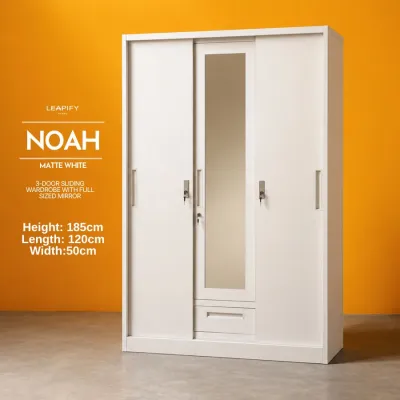

Prices are valid at publication and may change. Please refer to the product page for the latest price.
Carefully inspect the edge finishing and seam welding of the cabinet panels. High-quality manufacturing processes ensure that all edges are folded, deburred, or hemmed to eliminate sharp surfaces that could snag delicate fabrics or cause accidental cuts. Examine the weld joints along the corners and internal frame; smooth, continuous welds indicate superior craftsmanship and structural stability, whereas spotty or rough welds can become failure points under heavy loads.
Review the manufacturer’s care instructions to ensure the finish aligns with your maintenance routine. Most powder-coated steel surfaces require only a simple wipe-down with a soft, damp microfiber cloth and a mild, non-abrasive detergent. Avoid harsh chemical cleaners, steel wool, or abrasive scrubbing pads, as these can scratch the protective coating, exposing the raw steel underneath to moisture and eventual rust.
Choosing a Reliable Sliding Door Mechanism
The longevity of a sliding cabinet depends heavily on the engineering of its door tracks. Sliding doors operate on either top-hung or bottom-rolling systems, each with distinct characteristics. Top-hung systems suspend the doors from an upper track, keeping the bottom floor area clear of heavy tracks and reducing dust accumulation, but they require a highly rigid top frame to prevent sagging. Bottom-rolling systems distribute the door’s weight along the floor track, offering excellent stability and smoother movement for heavier steel doors, though the lower tracks require regular cleaning to prevent debris from obstructing the rollers.

To prevent the doors from jumping off their tracks during sudden or vigorous movements, look for built-in anti-jump devices. These mechanical guides or spring-loaded clips keep the rollers securely locked within the track channel. Additionally, physical rubber stoppers or dampeners at both ends of the track prevent the doors from slamming violently against the side panels, protecting the frame from impact damage and keeping the doors properly aligned.
The materials used in the roller assemblies directly influence how quietly and smoothly the doors glide. Look for rollers made of high-density nylon or polyoxymethylene (POM) paired with sealed steel ball bearings. Nylon rollers absorb vibrations and glide quietly across metal tracks, whereas cheap plastic rollers wear down quickly, flatten over time, and create a grinding noise. Sealed bearings prevent dust and lint from entering the rolling mechanism, ensuring long-term, maintenance-free operation.
Before purchasing, check how easily the tracks can be accessed for routine maintenance. Dust, pet hair, and clothing fibers naturally settle into sliding tracks over time, increasing friction and causing the doors to stick. A well-designed track system features open channels or removable guide rails that allow you to vacuum or wipe away debris easily without needing to lift or disassemble the heavy steel doors.
Configuring the Internal Storage Layout
An effective internal storage layout must match your specific wardrobe needs. Begin by assessing your clothing collection to determine the ideal ratio of hanging space to shelving. If your wardrobe consists mostly of formal wear, long dresses, or suits, prioritize configurations with full-height hanging rods. For folded garments, activewear, and bed linens, a higher proportion of wide, deep shelves is more practical.
Because storage needs change over time, look for cabinets with adjustable shelving systems. These systems utilize pre-drilled peg holes or vertical track slots along the inner walls, allowing you to raise, lower, or remove shelves entirely. This modular flexibility is essential for accommodating seasonal wardrobe shifts, such as storing bulky blankets in the off-season or making room for taller storage boxes.
Evaluate the inclusion and design of built-in drawers or pull-out accessories. Drawers are ideal for organizing smaller items like undergarments, socks, and accessories. Check that the drawers are equipped with smooth metal runner slides—preferably ball-bearing slides—which prevent the drawers from sticking or dropping when fully extended. Ensure the drawer fronts do not protrude past the inner frame, as this would block the sliding doors from closing.
A critical but often overlooked specification is the internal depth of the cabinet. Standard adult clothes hangers require a minimum internal depth of 50 to 55 centimeters to hang freely. If the cabinet’s internal depth is too shallow, the sleeves of your hanging clothes will rub against the sliding doors, causing friction, fabric wear, and potentially preventing the doors from sliding smoothly or closing completely.
Verifying Space and Clearance Requirements
Accurate spatial planning is vital to ensure your steel sliding cabinet fits seamlessly into your bedroom. Measure the exact width, height, and depth of the designated installation area using a metal tape measure. Do not rely on general room dimensions; account for protruding baseboards, wall trim, ceiling moldings, light switches, electrical outlets, and window frames that could obstruct the cabinet’s placement or block access to power sources.
Verify the levelness of your bedroom floor before finalizing your purchase. Steel sliding cabinets require a perfectly level surface to function correctly; even a minor slope can cause the sliding doors to drift open on their own, bind in the tracks, or fail to seal shut. Use a spirit level to check the floor along the planned cabinet line. If the floor is uneven, look for cabinets equipped with adjustable leveling feet, or plan to use sturdy, non-slip shims during installation.
Consider the logistical path from your home’s entrance to the bedroom. Steel cabinets can be exceptionally heavy and rigid, especially if delivered pre-assembled. Measure the width and height of all doorways, narrow hallways, stairwells, and elevator cabins to ensure the components can be safely maneuvered. If access is tight, opting for a flat-pack, knock-down steel cabinet that is assembled directly inside the bedroom is often the safest and most practical choice.
Confirm the required side and top clearances specified by the manufacturer. Leaving a small gap of 2 to 5 centimeters between the cabinet and adjacent walls or ceilings is highly recommended. This clearance not only provides the necessary physical space to maneuver the panels during assembly and track installation but also promotes healthy air circulation. In humid climates, adequate ventilation behind the cabinet prevents moisture buildup and mold growth on both the wall and the steel surface.
Ensuring Stability and Safety Features
Ensuring structural safety is paramount when introducing heavy steel furniture into a bedroom. Always review the manufacturer’s stated weight capacity for individual shelves and hanging rods. Overloading a shelf can cause the steel to bow permanently or slip from its supports, while overloading a hanging rod can compromise the entire frame. Distribute heavier items, such as storage boxes or winter coats, on the bottom shelves to keep the cabinet’s center of gravity low.
Because steel sliding cabinets are tall and front-heavy when the doors are opened or loaded, they present a potential tip-over hazard. This risk is especially critical in households with young children or pets who might attempt to climb the shelves. Check if the cabinet includes an anti-tip kit or wall-anchoring brackets. Securing the cabinet to a wall stud or solid masonry wall using appropriate anchors is a vital safety step that prevents accidental tipping.
Inspect the door edges for safety features such as soft-close mechanisms or integrated finger guards. Soft-close dampers slow down the door’s momentum as it nears the side frame, preventing loud metal-on-metal clanging and protecting fingers from being pinched. If soft-close is not built-in, check if the doors feature recessed, flush-mount handles that eliminate protruding edges, reducing the risk of catching clothing or bumping into the cabinet in tight spaces.
Verify the structural integrity of the base frame or plinth. The base supports the entire weight of the steel cabinet and its contents, transferring the load to the floor. Look for a reinforced bottom panel or a heavy-duty steel plinth design that resists sagging. If the cabinet uses legs, ensure they are made of thick-gauge steel or heavy-duty reinforced polymer, and check that they are securely welded or bolted to the main chassis to maintain long-term stability.
Frequently Asked Questions (FAQ)
Do steel sliding cabinets require special floor preparation?
Yes, steel sliding cabinets perform best on a level, hard, and stable surface. Because the sliding doors rely on precise track alignment, any floor slope or unevenness can cause the doors to drift, slide open automatically, or bind within the tracks. Before installation, check the floor levelness using a spirit level. If you are installing the cabinet on slightly uneven tiles, hardwood, or laminate, look for models with built-in adjustable leveling feet to compensate for the variance. For carpeted floors, a solid sub-flooring board or low-profile shims may be required to prevent the bottom track from sinking into the carpet pile, which can restrict door movement. Always consult the manufacturer’s installation guidelines regarding specific flooring materials.
How can I reduce noise from steel sliding doors?
Reducing noise starts with selecting high-quality components during your initial purchase, specifically focusing on doors equipped with nylon or polymer-coated rollers and sealed ball bearings rather than bare metal wheels. For ongoing maintenance, the most effective way to keep sliding doors quiet is regular track cleaning. Use a vacuum crevice tool or a stiff brush to remove accumulated dust, lint, hair, and debris from the track channels every few weeks, as these particles create friction and grinding noises. If the doors still squeak, check your user manual before applying any lubricants; some manufacturers explicitly forbid wet lubricants because they attract dust, which worsens friction. If lubrication is permitted, apply only a tiny amount of dry silicone spray or graphite lubricant to the roller bearings, wiping away any excess immediately.

Community discussion
Share your experience or ask a question. Comments are reviewed before publication.