
Finding enough space to chop vegetables, organize condiments, and store bulky cookware is a constant challenge in many Philippine households. Whether you are navigating a compact condominium kitchen in Metro Manila or looking to streamline a busy family kitchen, a mobile counter kitchen cart offers a highly flexible, non-permanent solution. By combining a durable flat prep surface with integrated storage compartments, these versatile units allow you to expand your culinary workspace without the high cost or structural commitment of a permanent kitchen renovation.
How a Counter Kitchen Cart Upgrades Your Workflow
A dedicated mobile cart fundamentally changes how you interact with your kitchen by introducing an adaptable zone for daily meal preparation. In many homes, counter space is quickly consumed by essential appliances like rice cookers, microwave ovens, and dish racks, leaving very little room for actual food prep. Introducing a rolling cart immediately reclaims this lost workspace, providing a dedicated area where you can chop ingredients, assemble dishes, or set down hot plates right next to your main stove.
Beyond expanding your immediate workspace, these carts serve as highly efficient storage hubs that keep your most-used tools within arm’s reach. Instead of constantly walking back and forth between distant cabinets or rummaging through deep, unlit shelves, you can organize your daily cookware, knives, spices, and dry goods directly within the cart’s drawers or open shelves. This centralized setup minimizes unnecessary movement, allowing you to maintain focus on the cooking process itself.
Products mentioned in this guide
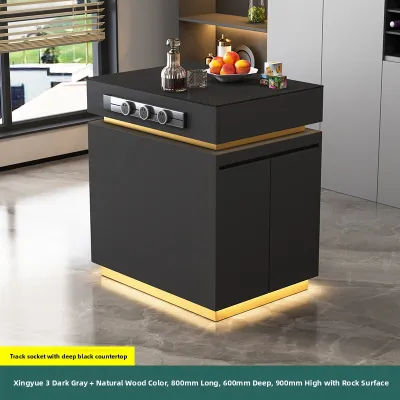
Prices are valid at publication and may change. Please refer to the product page for the latest price.
Furthermore, the mobility of a rolling cart allows you to dynamically adjust the traffic flow of your kitchen depending on the task at hand. During busy meal times or family gatherings, you can easily roll the cart to the center of the room to act as a central prep station, and then glide it back against a wall or into a corner once the cooking is finished. This flexibility is particularly valuable in open-plan layouts or narrow galley kitchens, where maintaining clear pathways is essential for safety and comfort.
Critical Features to Check Before You Buy
Selecting the right kitchen cart requires a close examination of the materials used for the countertop, as this surface will bear the brunt of your daily food preparation. Solid wood tops, such as rubberwood or acacia, offer a classic look and a sturdy surface for light prep work, but they require regular conditioning with food-safe mineral oil to prevent drying and cracking in air-conditioned spaces or swelling in high tropical humidity. Stainless steel tops provide an exceptionally hygienic, easy-to-clean surface that resists heat and moisture, making them ideal for heavy-duty cooking, though they can be prone to showing fingerprints and minor scratches over time. High-pressure laminates offer a budget-friendly, low-maintenance alternative with a wide variety of finishes, but you must inspect the edge banding carefully to ensure moisture cannot seep into the underlying particleboard or medium-density fiberboard (MDF).

Storage configurations should be carefully matched to the specific items you plan to store. If you intend to house small appliances like blenders, mixers, or heavy clay pots, look for carts featuring deep lower cabinets or adjustable open shelves that can accommodate taller profiles. Drawers are highly beneficial for keeping utensils, cutlery, and small kitchen gadgets organized and dust-free, while integrated side accessories—such as towel racks, spice shelves, and knife blocks—maximize the cart’s external footprint. Before purchasing, take inventory of your current kitchen clutter to determine whether you require the dust protection of closed cabinet doors or the quick accessibility of open wire baskets.
The structural integrity of any mobile cart relies heavily on its casters and overall frame construction. Look for heavy-duty, 360-degree swivel wheels made of durable materials like polyurethane or rubber, which glide smoothly over tile, vinyl, or wood floors without leaving scuff marks. It is absolutely critical that at least two of these casters feature robust locking mechanisms to secure the cart firmly in place during active chopping or mixing. Always verify the manufacturer’s stated weight capacity limits for both the top prep surface and the individual shelves; overloading a cart can warp the frame, strain the joints, and make the unit difficult or dangerous to roll.
Matching Cart Styles to Your Kitchen Layout
The physical layout of your kitchen and your primary cooking habits should dictate the style of cart you choose. For compact studio apartments, tight galley kitchens, or cozy condominiums, a slim, narrow utility cart is often the most practical choice. These space-saving models typically feature a small footprint with multiple vertical tiers, allowing them to slide easily into the unused gap between your refrigerator and the counter. While they may not offer a massive surface for elaborate meal prep, they excel at holding frequently used spices, oils, and small pantry items, keeping your main countertops completely clear.
If your culinary routine involves intensive meal preparation, baking, or heavy chopping, a heavy-duty prep station is a far more suitable investment. These robust carts are characterized by thick, solid wood butcher block tops or reinforced stainless steel work surfaces supported by a substantial, wobble-free frame. They are designed to absorb the kinetic energy of kneading dough or chopping root vegetables without shifting or vibrating. Because these stations are heavier and wider, they require a more generous floor plan where they can remain semi-permanent fixtures, serving as a reliable secondary work zone.
For households that require maximum versatility in a limited space, multi-tier utility carts equipped with drop-leaf extensions offer an excellent compromise. A drop-leaf mechanism allows you to fold down a portion of the countertop when the cart is not in use, keeping the kitchen pathways clear and unobstructed. When you need extra space for rolling out pastry, plating multiple dishes, or even sitting down for a quick breakfast, you simply lift and lock the extension into place. This dual-purpose design makes the cart a highly functional hybrid of a prep station, a storage cabinet, and a casual dining bar.
Safety, Stability, and Clearance Verifications
Before finalizing your purchase, it is essential to perform precise physical measurements of your home to ensure a seamless delivery and setup process. Measure the width of your kitchen doorways, entry hallways, and any tight corners the cart must pass through, especially if you are purchasing a pre-assembled model. For those living in high-rise condominiums or apartments, do not forget to verify the dimensions of the building’s elevator and common corridors to guarantee the boxed or assembled unit can actually reach your front door without obstruction.
Once the cart is in your kitchen, maintaining proper weight distribution is paramount to ensuring long-term safety and stability. Always store your heaviest items—such as cast-iron pans, stacks of ceramic plates, or bulk bags of rice—on the lowest shelves or bottom cabinets to keep the cart’s center of gravity as low as possible. When performing active kitchen tasks like chopping, slicing, or mixing, always engage the locking casters on the wheels to prevent the cart from shifting unexpectedly, which could lead to accidental slips or injuries.
Long-term durability also depends on consistent maintenance and adherence to the manufacturer’s care guidelines. Periodically inspect the cart’s structural joints, screws, and caster attachments, tightening any hardware that may have loosened from regular movement and vibration. Clean the surfaces using mild, non-abrasive detergents, and avoid letting standing water pool on wood or laminate tops, particularly in humid tropical environments where moisture can quickly degrade finishes and weaken structural adhesives.
Navigating Online Listings and Delivery Checks
When shopping for kitchen carts on online furniture retailers in the Philippines, navigating the listings with a clear strategy will help you find the best value for your budget. Set your search filters within your realistic price range in ₱, but keep in mind that larger or heavier wooden and metal carts may incur additional shipping fees due to their bulk. Always read the product description carefully to confirm whether the price includes professional assembly, or if the unit will arrive flat-packed, requiring you to provide your own tools, such as screwdrivers, hex keys, or rubber mallets.
Take the time to thoroughly verify the exact dimensions listed on the product page, comparing them directly against the physical space available in your kitchen. Pay close attention to the retailer’s warranty terms and return policies, especially regarding transit damage or missing hardware components. Reading customer reviews can provide valuable, real-world insights into how easy the cart is to assemble, the actual quality of the materials, and how well the wheels perform on different flooring surfaces.
When your delivery arrives, conduct a thorough inspection of the package before the delivery personnel leave, if possible, or immediately upon unboxing. Carefully check the structural joints, the alignment of the pre-drilled holes, the smoothness of the drawer glides, and the overall finish of the countertop for any cracks, dents, or scratches sustained during transit. Testing the casters immediately to ensure they spin freely and lock securely will save you the hassle of dealing with a defective unit once the cart is fully loaded with your kitchen essentials.
Frequently Asked Questions (FAQ)
Can a kitchen cart be used as a permanent island?
Yes, a kitchen cart can serve as a highly effective semi-permanent island, provided you keep the casters securely locked and ensure there is at least 90 to 120 centimeters of walking clearance on all sides for comfortable movement. However, unlike a built-in kitchen island, a mobile cart cannot easily accommodate hardwired electrical outlets, built-in cooktops, or direct plumbing connections for a sink. It is best utilized as a flexible surface for food preparation, dry storage, and casual serving rather than a complete replacement for a fully plumbed utility island.
How do I protect a wood countertop cart from water damage?
To safeguard a solid wood countertop from moisture and humidity, you should regularly apply a food-safe sealant, such as food-grade mineral oil or beeswax, according to the manufacturer’s specific care instructions. Always wipe up liquid spills, condensation from cold drinks, and food juices immediately with a dry microfiber cloth to prevent the wood from warping or staining. Additionally, never place hot pots, pans, or rice cooker inner pots directly onto the bare wood surface; always use heat-resistant trivets or silicone mats to protect the finish from heat damage.

Community discussion
Share your experience or ask a question. Comments are reviewed before publication.