
Selecting the right kitchen storage cabinet and mobile cart setup requires balancing limited floor space, high tropical humidity, and the demands of daily home cooking. In many households, the kitchen serves as a high-traffic hub where heavy cookware, rice dispensers, and small appliances must coexist. Finding the ideal storage solution involves analyzing your physical space, verifying material durability against moisture, and choosing configurations that streamline your meal preparation. By focusing on structural stability, precise measurements, and practical hardware, you can create an organized, efficient culinary space that withstands daily wear and tear.
Assessing Your Kitchen Layout and Storage Needs
Every efficient kitchen begins with a clear understanding of its physical boundaries. Urban homes, particularly condominiums and townhouses in busy metropolitan areas, often feature compact galley kitchens or single-wall layouts. In these narrow spaces, floor area is at a premium, making aisle width a critical factor. A tight walkway can quickly become congested if cabinet doors or drawers block the path when opened. Conversely, open-plan layouts integrate the kitchen with the dining or living area, requiring storage furniture that is both highly functional and visually cohesive with the rest of the home. Independent or traditional closed kitchens offer more wall space but still require careful planning to ensure smooth traffic flow between the sink, stove, and refrigerator.
To determine how much storage volume you actually need, take an inventory of your daily cooking habits and household items. Filipino culinary traditions often involve heavy-duty cookware, large stockpots for soups, and essential appliances like rice cookers, blenders, and air fryers. Additionally, storing bulk dry goods—such as multi-kilogram sacks of rice, canned preserves, and condiments—requires sturdy, accessible shelving. If your countertops are constantly cluttered with small appliances and ingredient jars, it is a clear sign that your kitchen lacks dedicated storage zones. Categorizing your items into daily essentials, weekly necessities, and occasionally used specialty tools will help you map out where each item should reside.
Products mentioned in this guide
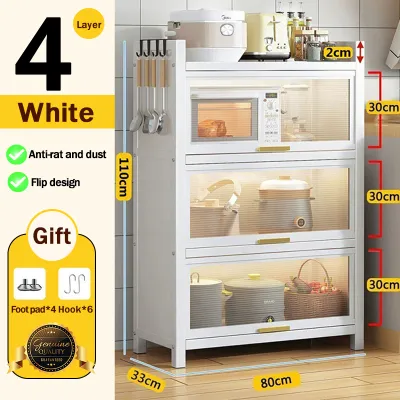
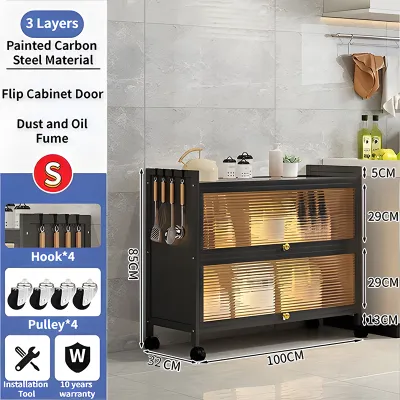
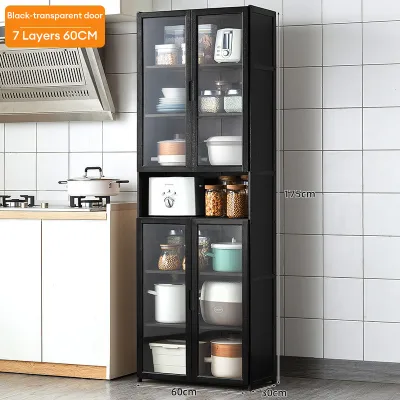
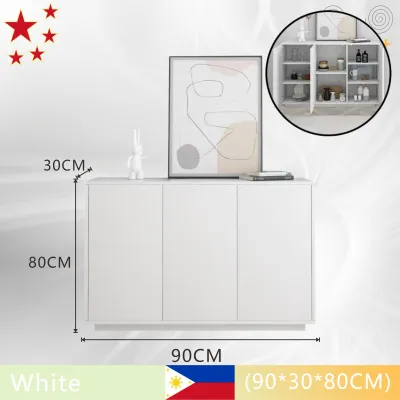
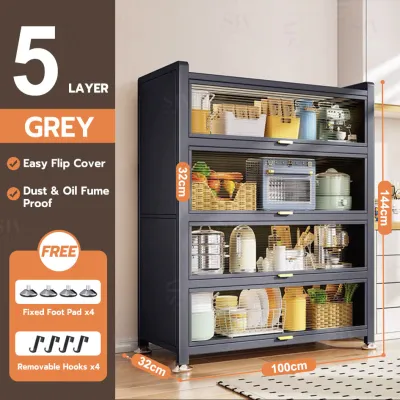
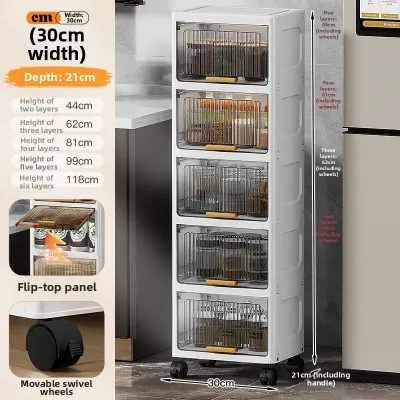
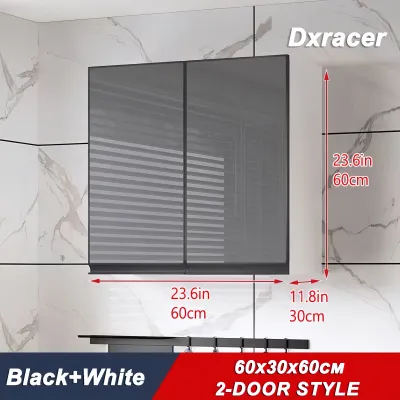
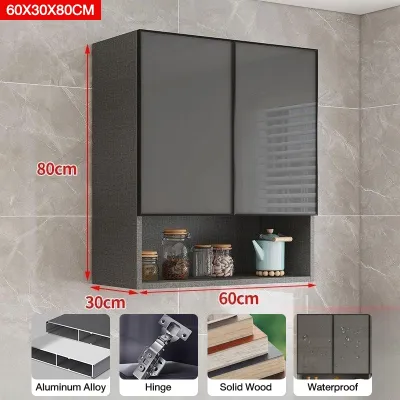
Prices are valid at publication and may change. Please refer to the product page for the latest price.
Understanding the functional boundaries between fixed and mobile storage is key to optimizing your layout. Fixed kitchen cabinets serve as the structural backbone of your storage system, designed to hold heavy, permanent items and anchor the room’s design. They utilize vertical wall space and provide deep, stable shelving for large pots and bulk groceries. Mobile kitchen carts, on the other hand, act as dynamic, flexible supplements. They offer temporary counter space for meal prep, serve as transportable coffee or beverage stations, and can be rolled away when you need to clear the floor. Balancing these two elements allows you to maximize storage capacity without sacrificing the physical maneuverability needed for comfortable cooking.
Evaluating Fixed Kitchen Storage Cabinets
Fixed cabinets are categorized into base, wall, and tall units, each offering distinct advantages and spatial trade-offs. Base cabinets form the foundation of your kitchen layout, supporting heavy countertops and housing large, heavy items like cast-iron pans and mixing bowls. Wall cabinets utilize underused vertical space, keeping everyday items like plates, cups, and spices at eye level. However, wall units must be installed securely to prevent structural failure, and they can make a small kitchen feel visually heavy if they extend too far from the wall. Tall pantry cabinets offer maximum vertical storage within a compact footprint, making them excellent for organizing dry goods, but they require a dedicated, uninterrupted floor area that may not be available in smaller layouts.

Inside your cabinets, the choice of accessories directly impacts how easily you can retrieve items. Standard deep shelves often lead to forgotten items cluttering the back corners. Integrating pull-out wire baskets or deep drawer slides allows you to pull the contents forward, making everything visible and accessible. Drawer dividers keep utensils and small tools organized, preventing them from shifting during use. For L-shaped or U-shaped kitchen layouts, corner cabinets can become dead zones; installing corner carousels or pull-out blind corner organizers solves this issue by bringing hidden storage space into easy reach. When selecting these accessories, prioritize heavy-duty metal runners and smooth ball-bearing slides that can handle the weight of your cookware.
Door opening mechanisms also play a vital role in narrow kitchen walkways. Traditional hinged doors require sufficient clearance to swing outward, which can easily block a narrow aisle or collide with adjacent appliances. In tight spaces, sliding cabinet doors are a highly practical alternative, as they glide parallel to the cabinet frame without consuming external floor space. For overhead wall cabinets, lift-up doors that swing upward and hold their position are excellent for keeping walkways clear while you work. Whichever mechanism you choose, ensure the hinges and tracks are of high quality, as cheap hardware is prone to misalignment and sagging over time under the weight of daily use.
Choosing Mobile Kitchen Carts for Flexible Spaces
Mobile kitchen carts provide an adaptable solution for dynamic households that require extra workspace on demand. A mobile cart can serve as an auxiliary prep station when chopping vegetables, a dedicated home for your microwave or air fryer, or a rolling serving trolley when hosting guests. Because they can be repositioned at will, they are particularly useful in multi-functional spaces where the kitchen transitions into the dining area. When not in use, a compact cart can be tucked against a bare wall or rolled into a pantry corner, instantly restoring floor space for daily foot traffic.
To ensure safety and stability, the quality of the caster wheels is paramount. Mobile carts must feature high-quality, heavy-duty casters, with at least two locking wheels to secure the unit firmly in place during food preparation. On hard, tiled, or anti-slip kitchen floors common in tropical homes, cheap plastic wheels can slip, crack, or leave unsightly scuff marks. Look for casters made of non-marking polyurethane or soft rubber, which glide smoothly over grout lines and provide excellent grip when locked. Regularly inspect the locking mechanisms to confirm they hold tight under lateral pressure, preventing the cart from shifting unexpectedly while you are slicing ingredients or operating an appliance.
Before placing appliances on a mobile cart, you must verify the countertop material and the manufacturer’s specified weight limits. Placing a heavy microwave, toaster oven, or air fryer on a cart with a weak top shelf can cause the surface to bow, warp, or even collapse. Check the product specifications for the maximum weight capacity of both the top surface and the individual lower shelves. The countertop should be constructed from a durable, heat-resistant, and moisture-resistant material that can handle occasional spills and warm appliance bases. If you plan to use the cart surface for direct food preparation, ensure the material is food-safe, non-porous, and easy to sanitize.
Checking Materials, Weight Capacity, and Maintenance
In high-humidity tropical climates, kitchen furniture is constantly exposed to moisture, steam, and airborne grease. Consequently, relying solely on generic material names is not enough to guarantee longevity. When evaluating wood-based cabinets, look for moisture-resistant board specifications, such as moisture-resistant medium-density fiberboard (MR MDF) or high-density fiberboard (HDF) treated with water-resistant resins. If choosing solid wood, verify that it has been treated with a high-quality, protective polyurethane or lacquer finish to prevent warping and swelling. Stainless steel and aluminum are exceptionally durable options for wet kitchens, offering natural resistance to rust, pests, and moisture, provided they are constructed from high-grade alloys specified for kitchen environments.
To prevent structural sagging or catastrophic failure, always consult the manufacturer-provided maximum weight capacity labels rather than estimating strength based on visual thickness. A thick shelf made of low-density particle board may sag under a lighter load than a thinner, well-engineered plywood or metal shelf. Manufacturers test their products under specific load distributions; look for these certified weight ratings in the product manual or on the packaging. When organizing your cabinet kitchen setup, distribute weight evenly, placing the heaviest items like cast-iron pots, rice sacks, and canned goods on the bottom shelves of base cabinets, while keeping lighter items like plastic containers and glassware on upper shelves.
Hardware components like hinges, drawer slides, and handles are the most vulnerable to wear, rust, and corrosion in humid environments. Salty air in coastal regions or persistent moisture from cooking steam can quickly degrade low-quality metal hardware, leading to squeaking, sticking, or complete failure. Prioritize hardware made of stainless steel or components treated with specialized anti-rust coatings. For routine maintenance, wipe down hardware with a dry or slightly damp microfiber cloth to remove grease buildup, and avoid using harsh chemical cleaners that can strip away protective coatings. Periodically check and tighten loose screws on hinges and drawer tracks to maintain proper alignment and smooth operation.
Measuring Space and Preparing for Installation
Accurate pre-purchase measurements are the single most effective way to avoid delivery headaches and installation failures. Begin by measuring the three-dimensional space where the cabinet or cart will stand, noting the exact width, depth, and height. Do not rely on visual estimates; use a metal measuring tape and measure at multiple points, as walls and floors are rarely perfectly straight. Ensure you leave adequate safety margins for door swings, drawer extensions, and comfortable human movement. A good rule of thumb is to allow at least 90 to 120 centimeters of open walkway space in front of cabinets and appliances to ensure you can bend down, open doors fully, and pass by safely.
Beyond the final installation spot, you must verify the delivery pathway to guarantee the furniture can actually reach your kitchen. Measure the clearance dimensions of all entry doors, narrow hallways, stairwell turns, and elevator doors. This is especially critical for high-rise condominium residents, where tight elevator cabs and strict building association rules can complicate the delivery of large, pre-assembled furniture units. If a cabinet cannot fit through your doorway or elevator, you may need to opt for flat-pack units that can be assembled directly inside the kitchen, or confirm if the retailer offers disassembly and reassembly services.
For fixed wall cabinets or heavy base units, verifying the installation conditions of your walls is a crucial safety step. Wall-mounted cabinets must be anchored into solid structural elements, such as concrete walls or wall studs behind drywall; never hang heavy cabinets directly onto unsupported plasterboard. Before drilling, use a stud finder or consult your home’s architectural blueprints to locate concealed plumbing pipes and electrical conduits to avoid dangerous punctures. If you are anchoring base cabinets to prevent tip-over accidents, ensure the anchoring hardware is compatible with your wall type and installed according to the manufacturer’s precise instructions.
Frequently Asked Questions (FAQ)
Can I assemble freestanding kitchen cabinets without professional help?
Yes, many freestanding kitchen cabinets are designed as flat-pack furniture suitable for self-assembly, provided you have the right tools and patience. Basic assembly typically requires a screwdriver, a rubber mallet, a measuring tape, and a spirit level to ensure the unit stands perfectly flat. However, if the cabinet is exceptionally tall, heavy, or requires wall-anchoring and precise leveling on uneven floors, having a second person to assist is highly recommended. Always review the manufacturer’s assembly instructions beforehand; some warranties may be voided if the product is damaged due to improper self-installation or unauthorized structural modifications.
How do I prevent mobile cart wheels from scratching my floor?
To protect your kitchen flooring from scratches and wear, ensure your mobile cart is equipped with soft, non-marking wheels made of polyurethane or thermoplastic rubber rather than hard, rigid plastic. Regularly inspect the wheels and clean the axles, as hair, dust, and kitchen debris can wrap around the wheel mechanism, causing it to drag and scratch the floor instead of rolling smoothly. Additionally, keeping your kitchen floor swept and free of abrasive grit or sand prevents the wheels from grinding debris into the floor surface. If you plan to keep the cart stationary for long periods, placing small, felt-bottomed caster cups or protective rubber pads under the locked wheels can provide an extra layer of protection.

Community discussion
Share your experience or ask a question. Comments are reviewed before publication.