
Choosing between an L-shaped and a modular sofa bed for a large living room in the Philippines depends on whether you prioritize structured, seamless hosting or dynamic, adaptable seating. For spacious homes that frequently welcome extended family, both options offer distinct advantages. An L-shaped sofa bed provides a dedicated, clean-lined anchor that maximizes corner space and offers a traditional, continuous sleeping surface. In contrast, a modular sofa bed delivers unmatched versatility, allowing you to break the sofa apart into individual seats during large gatherings and reassemble them when it is time for guests to sleep.
Evaluating your household’s daily habits, hosting frequency, and the physical constraints of your room will help you determine which configuration offers the right balance of comfort and utility.
Space and Layout Considerations for Large Rooms
In large, open-plan living rooms, defining distinct zones is crucial for creating a cohesive home environment. An L-shaped sofa bed acts as a natural room divider, separating the lounge area from the dining room or kitchen without the need for physical walls. By placing the longer section against a wall or letting it float to frame the space, you create an inviting, cozy nook. This configuration keeps central pathways clear, ensuring smooth foot traffic during busy family gatherings or daily routines.
Products mentioned in this guide
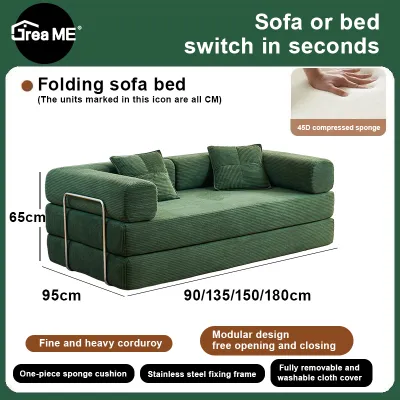
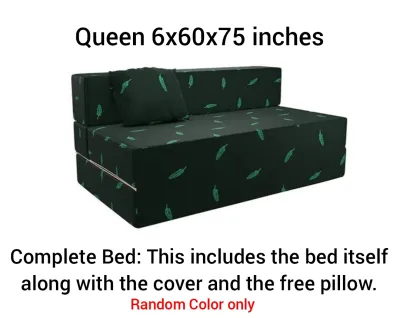
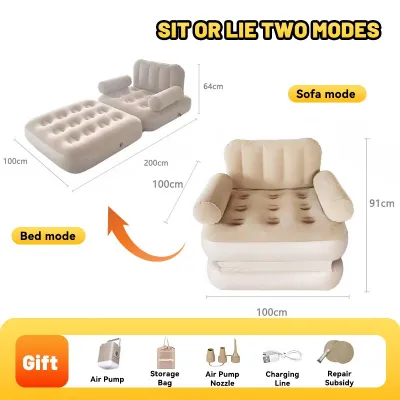
Prices are valid at publication and may change. Please refer to the product page for the latest price.
Modular sofa beds offer a different spatial logic. Instead of being confined to a single corner or fixed angle, you can disperse the individual modules throughout a large room. For instance, you can place two modules opposite each other to create an intimate conversation circle, or line them up against a long wall for a grand, expansive seating arrangement. This flexibility is particularly useful in homes with irregular architectural features, large windows, or multiple entry points where a fixed L-shape might block natural light or walkways.
Regardless of the configuration, precise measurements are essential before making a purchase. You must measure the fully extended footprint of the sofa bed to ensure it does not block doorways, hallways, or access to balconies when deployed. In tropical climates, maintaining adequate clearance around furniture is also vital for air circulation, helping to prevent moisture buildup and mold in humid conditions. Ensure there is at least 60 to 90 centimeters of walking space around the bed when it is fully opened, and verify that coffee tables or side tables can be easily moved aside to accommodate the sleeping setup.
Seating and Sleeping Capacity Compared
When hosting large family gatherings, seating capacity is a primary concern. An L-shaped sofa bed offers continuous, unified seating, allowing family members to sit close together. The corner seat, often a favorite spot, provides a cozy place to lounge. However, because the seating is fixed, guests are forced into a linear or perpendicular orientation, which can sometimes limit face-to-face conversation. Modular systems, on the other hand, allow you to arrange individual seats to face one another, fostering a more interactive and engaging social environment. You can easily move a corner module or an ottoman to serve as a standalone seat, accommodating more guests without making the room feel cramped.

The sleeping experience differs significantly between the two designs. A typical L-shaped sofa bed features a pull-out mechanism, where a continuous mattress emerges from beneath the main seating frame. This design provides a flat, uniform sleeping surface that closely mimics a traditional bed, making it highly comfortable for overnight guests. Modular sofa beds, conversely, require you to push multiple individual sections together to form a bed. While this can create a massive sleeping area—sometimes larger than a standard queen bed—it relies on the alignment of separate cushions, which can lead to shifting during the night.
To ensure a comfortable night’s sleep, it is crucial to check the manufacturer’s specifications for mattress thickness and support mechanisms. For L-shaped pull-outs, look for sturdy metal or wooden frames that deploy smoothly without straining. For modular setups, inspect the connection mechanisms, such as heavy-duty alligator clips or interlocking brackets, which keep the units from sliding apart. Because modular beds are made of individual cushions, you may feel the seams or gaps between sections. To mitigate this, consider using a thick mattress topper or a continuous mattress pad to smooth out the surface and provide a more cohesive sleeping experience.
Flexibility and Long-Term Adaptability
An L-shaped sofa bed has a fixed orientation—either left-facing or right-facing—which limits your ability to rearrange your living room layout. Once you choose a configuration, you are committed to that specific setup, making it difficult to adapt if you decide to redecorate or move to a new home with a different floor plan. Moving a large, heavy L-shaped frame through tight stairwells, narrow corridors, or condominium elevators can also be a significant challenge, requiring careful planning and sometimes professional disassembly.
Modular sofa beds excel in long-term adaptability. Because they consist of independent, lightweight sections, you can easily rearrange them to suit your changing needs. If your family grows, you can purchase additional modules from the same product line to expand your seating. If you move to a smaller home, you can split the modules across different rooms, using some in the living room and others in a study or guest bedroom. This modularity makes them a highly sustainable investment for dynamic households.
Maintenance is another area where modular designs offer a distinct advantage. If a single section of a modular sofa bed gets stained, damaged, or worn out, you can often repair, reupholster, or replace just that specific module without having to replace the entire sofa. With a fixed L-shaped unit, damage to one section usually requires reupholstering the entire piece to ensure fabric and color consistency, which can be costly and time-consuming. When choosing fabrics, look for durable, easy-to-clean options that can withstand the high humidity and daily wear typical of busy households.
Decision Framework: Which Configuration Should You Choose?
Choose an L-shaped sofa bed if you prefer a structured, permanent layout that clearly defines your living space. This option is ideal if you prioritize a seamless, traditional sleeping surface for frequent overnight guests and have a dedicated corner or wall that can accommodate a fixed footprint. It offers a classic, tidy appearance that keeps your living room looking organized and cohesive.
Choose a modular sofa bed if you value versatility and anticipate changing your room layout or moving in the future. This configuration is perfect for active households that host diverse gatherings, as it allows you to customize the seating arrangement on the fly. It is also highly practical for homes with challenging access points, such as narrow staircases or small elevators, where a large, single-frame sofa would be impossible to deliver.
Before finalizing your purchase, always verify the delivery path. Measure the width and height of all doorways, hallways, stairwells, and elevator cabins to ensure the packaged sofa sections can safely pass through. Additionally, check the weight capacity of your flooring, especially if you live in a multi-story home or a condominium, as large sofa beds with heavy pull-out mechanisms can exert concentrated pressure on the floor structure.
Frequently Asked Questions (FAQ)
Can I add more seats to an L-shaped sofa bed later?
Most L-shaped sofa beds are built with a fixed, non-expandable frame, meaning you cannot add integrated seating sections later. However, you can check if the manufacturer offers matching standalone ottomans, armchairs, or footstools from the same collection to expand your seating capacity. If future expandability is a priority, it is best to confirm this with the retailer before purchasing, or opt for a modular system designed for growth.
Do modular sofa beds have gaps when converted into a bed?
Yes, because modular sofa beds are formed by pushing individual seating sections together, seams and minor gaps between the cushions are common. To prevent these sections from drifting apart during sleep, ensure the model features secure interlocking brackets or heavy-duty connectors. To maximize comfort and eliminate the feel of gaps, it is highly recommended to use a continuous mattress topper or a padded bed protector over the assembled modules.

Community discussion
Share your experience or ask a question. Comments are reviewed before publication.