
When preparing for a Lipat Bahay (home relocation) in the Philippines, choosing the right large clear storage box organizer is a balancing act between visibility, structural integrity, and environmental resilience. Clear plastic containers are highly valued because they allow you to identify contents instantly without unpacking every box at your new destination. However, the physical stress of loading, transporting over bumpy roads, and stacking inside a moving truck requires boxes that go beyond basic home organization. The best clear storage boxes for a Philippine move are those made of thick, impact-resistant polypropylene (PP) featuring secure multi-point latches, deep interlocking lid grooves for stacking stability, and integrated molded handles. Selecting the right containers requires evaluating these structural features against the tropical heat, high humidity, and transit conditions of your specific move.
To ensure your belongings survive the transition intact, you must look past generic marketing labels like “heavy-duty” and focus on verifiable physical specifications. A successful move relies on matching the right box design to your specific household items, planning your packing density, and inspecting your containers for hidden defects before they are loaded onto the truck.
Key Features to Evaluate for Moving Storage Boxes
Evaluating the physical construction of a storage box is the first step in preventing costly cracks and spills during transit. Not all clear plastics are created equal; some are designed purely for static closet storage, while others can withstand the dynamic forces of a vehicle move. When shopping at local department stores or online marketplaces, you should systematically assess four critical structural elements.
Products mentioned in this guide
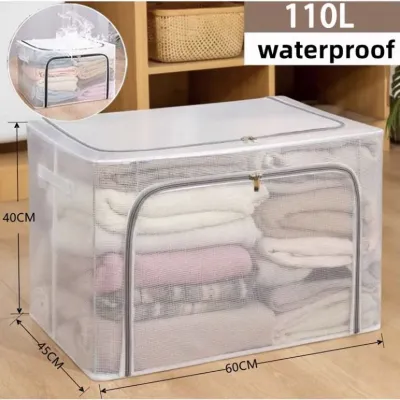
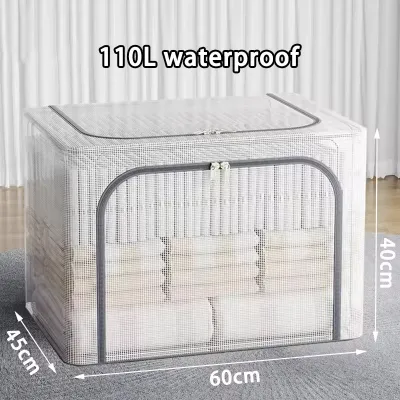
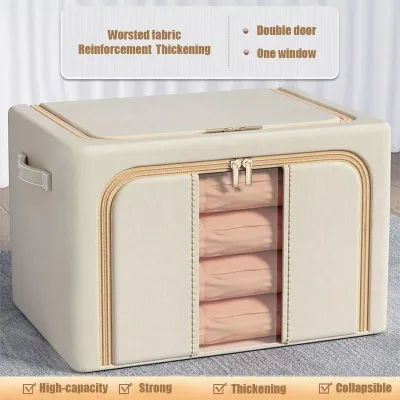
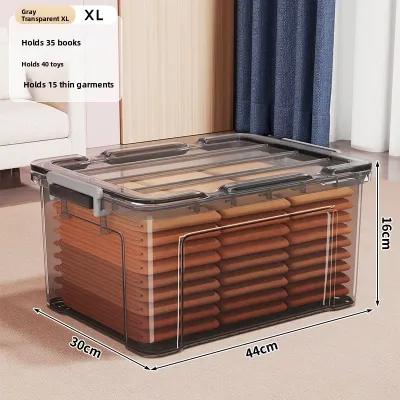
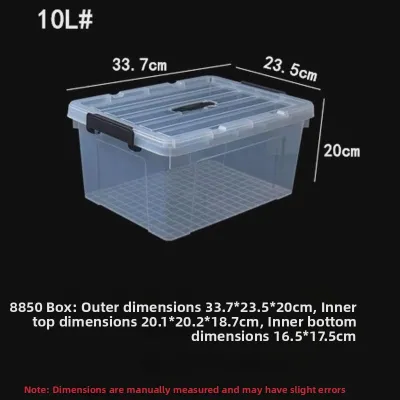
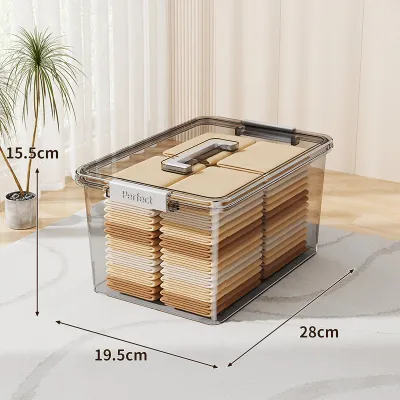
Prices are valid at publication and may change. Please refer to the product page for the latest price.
First, verify the material thickness and composition. Most clear storage boxes are manufactured from polypropylene (PP), which is favored for its flexibility and resistance to fatigue. However, the wall thickness can vary significantly. Thinner, budget-friendly boxes will bow outward when filled, which compromises their structural integrity and makes them prone to cracking under pressure. Look for boxes that list their load-bearing capacity or display visible reinforcement ribs along the corners and base. Avoid highly rigid, crystal-clear plastics like polystyrene (PS), as they are brittle and can shatter easily when subjected to sudden impacts on rough roads.
Second, analyze the stacking design of the lids and bases. During a Lipat Bahay, boxes are stacked multiple layers high to maximize truck space. A safe stacking box must feature deep, interlocking lid grooves that match the footprint of the box’s bottom. This design prevents the upper boxes from sliding off during sudden stops or sharp turns. Additionally, inspect the bottom of the box for anti-slip textures or molded feet that increase friction against the lid below it.
Third, evaluate the lid locking mechanisms. Simple snap-on lids that rely on friction alone are highly unreliable for moving. Under the pressure of stacked weight or shifting contents, these lids can easily pop open, exposing your items to dust, moisture, or physical damage. Prioritize boxes equipped with robust multi-point latches—ideally heavy-duty plastic buckles that clamp securely over the lid rim on both ends. These latches keep the lid tightly sealed even if the box is tilted or subjected to vibration.
Fourth, inspect the handle structures. Many clear boxes feature separate plastic handles that clip onto the sides or are attached directly to the lid. These add-on handles are common failure points under heavy loads. Instead, look for integrated molded handles that are part of the box’s main body. Recessed handholds or reinforced molded rims distribute the lifting force across the entire structure of the container, reducing the risk of the plastic snapping while being carried by movers.
Sizing and Space Planning for Your Belongings
Selecting the right box dimensions is crucial for optimizing the space inside your moving vehicle and ensuring that the loaded containers remain manageable to carry. A common mistake is purchasing oversized boxes under the assumption that fewer containers make for an easier move. In reality, oversized boxes often lead to overloading, physical strain, and wasted space.

To plan effectively, map common large capacities to specific categories of household items. Large clear boxes typically range from 50 liters to over 100 liters. A 50L to 70L box is highly versatile and suitable for medium-weight items such as toys, kitchen utensils, folded clothes, and small electronics. Boxes larger than 80L to 100L+ should be reserved strictly for lightweight, bulky goods. These include pillows, blankets, comforters, winter wear, and plush toys. Packing dense items into a 100L box will make it dangerously heavy and prone to structural failure.
Before purchasing any large organizers, you must measure the physical pathways of both your current home and your new destination. Measure the width of door frames, narrow hallways, stairwells, and elevator doors. If you live in a high-rise condominium, check the elevator weight and size limits. Furthermore, measure the cargo area of your rented Lipat Bahay vehicle. Knowing these dimensions beforehand prevents the frustration of buying extra-large boxes that cannot fit through your doorways or must be transported awkwardly on their sides.
Finally, apply strict weight distribution principles to your packing strategy. The golden rule of moving is to pack heavy items in small containers and light items in large containers. When using large clear boxes, always place a layer of lighter items at the top if you must include heavier items at the bottom. Never exceed the manufacturer’s recommended weight limit, and ensure that no single box weighs more than what a single person can safely lift without straining.
Condition-Based Shortlist: Matching Boxes to Moving Scenarios
Different household items present unique packing challenges during a move. To help you select the right specifications, consider how different categories of belongings interact with the physical design of clear storage boxes. Matching the box features to the specific scenario ensures maximum protection for your goods.
For fragile and heavy items, such as glassware, ceramics, or small kitchen appliances, structural rigidity is paramount. These items require boxes with reinforced bases that do not flex when lifted. Because clear boxes do not typically come with built-in dividers, you should plan to use internal cardboard dividers, bubble wrap, or crumpled packing paper to prevent items from shifting and colliding. The box must have secure, heavy-duty latches to prevent any accidental opening.
Clothing, bedding, and linens require maximum volume and protection from environmental elements. In the tropical climate of the Philippines, humidity and sudden rain showers during transit can ruin fabrics. For these scenarios, choose large-capacity boxes (80L to 100L) with tight-fitting lids that create a dust-proof seal. High transparency is beneficial here, as it allows you to easily locate specific clothing items or bedding when unpacking at your new home without having to open multiple sealed containers.
For mixed household items, such as toys, office supplies, and decorative pieces, standard large dimensions (50L to 75L) offer the best balance. These boxes should feature high transparency for quick identification and a highly stable interlocking lid design, as they will likely be stacked in various configurations inside the moving truck.
| Moving Scenario | Recommended Box Capacity & Features | Packing Limits | Key Verification Check |
|---|---|---|---|
| Fragile & Heavy Items (Glassware, small appliances) | 30L to 50L; reinforced base; thick PP walls; secure latches | Max 15 kg; use internal padding and dividers | Check for base flexing when lifted with a simulated load |
| Clothing & Bedding (Linens, pillows, garments) | 80L to 120L; dust-resistant lid fit; high volume | Max 20 kg; do not compress items to the point of bulging | Verify lid seal flushness to block humidity and dust |
| Mixed Household Items (Toys, office supplies, decor) | 50L to 75L; high transparency; interlocking lids | Max 18 kg; distribute weight evenly | Test stacking stability of three loaded boxes on a flat surface |
Pre-Purchase and Pre-Pack Inspection Checklist
Before you begin packing your belongings, it is essential to perform a thorough quality inspection of each clear storage box. Manufacturing defects or damage sustained during retail transit can severely compromise a box’s strength, leading to catastrophic failures during your move.
First, inspect the plastic body for physical defects. Hold the box up to a bright light source and look for micro-cracks, especially along the bottom corners, seams, and handle attachments. Look closely for “stress whitening”—areas where the plastic has turned a cloudy white color. This discoloration indicates that the plastic has already been bent or stressed to its limit and is highly likely to crack under the pressure of a heavy load.
Second, test the functionality of the lids and latches. Place the lid on the box and engage the latches. They should snap shut with a firm, audible click and require a deliberate effort to open. If the latches feel loose, slide off easily, or fail to pull the lid down flush against the box rim, do not use that box for heavy or sensitive items. A loose lid allows dust, moisture, and pests to enter during transit.
Third, verify the stacking stability of the empty containers. Stack three empty boxes on top of each other on a level floor. Gently push the top box from the side. The stack should remain stable, and the bottom of the upper boxes should not slide out of the lid grooves of the boxes beneath them. If the boxes wobble significantly or slide off with minimal force, the interlocking design is inadequate for a moving truck environment.
Fourth, perform an odor check. Open the box and smell the interior. High-quality polypropylene should have little to no odor. A strong, pungent chemical or burnt plastic smell is a sign of low-grade recycled plastics or excessive chemical plasticizers. In the hot, humid climate of the Philippines, these chemicals can outgas rapidly inside a closed moving truck, transferring unpleasant odors and potentially harmful residues to your clothes, bedding, and documents.
Packing and Stacking Safety During Lipat Bahay
Once your boxes have passed inspection, safe packing and loading practices are required to protect both your belongings and the movers. Proper weight distribution and securing techniques prevent boxes from collapsing or shifting during transit.
Always implement the bottom-heavy, top-light stacking principle. When loading the moving truck, place the heaviest, most rigid boxes at the very bottom of the stack. Lighter boxes containing bedding or clothing should go on top. This keeps the center of gravity low, reducing the risk of the entire stack tipping over when the truck navigates sharp turns or uneven roads. Never stack clear plastic boxes directly adjacent to heavy, sharp metal items or unsecured furniture that could shift and puncture the plastic walls.
Even with high-quality latches, you should secure the lids of fully loaded boxes before loading them onto the truck. Use heavy-duty stretch wrap (cling wrap) or packing tape to wrap around the perimeter of the lid and the latches. This extra layer of security prevents the latches from accidentally catching on other items and popping open during handling. If you use tape, ensure it does not leave a sticky residue that ruins the transparency of the box for future use.
During the packing process, actively monitor the boxes for visual signals of overloading. If you notice the sides of the plastic box bulging outward, or if the lid is bowing upward in the center, the box is overloaded. Overloading puts immense stress on the seams and latches, making the box highly susceptible to cracking if it bumps against another object. If you see these signs, immediately remove some items and redistribute the weight to another container.
Finally, coordinate the use of moving equipment with the dimensions of your boxes. If you or your professional movers are using hand trucks, dollies, or pushcarts, ensure that the base plate of the cart is wide enough to support the entire bottom of the lowest box. An overhanging box can easily tilt, slip off, or crack at the base under concentrated pressure. Secure the stacked boxes to the hand truck using bungee cords or straps before moving them down ramps or across uneven pavement.
Frequently Asked Questions (FAQ)
Can I use regular clear storage boxes for heavy books and appliances?
Regular clear storage boxes are not recommended for heavy books, tools, or dense appliances. Standard clear boxes are designed for distributed, lightweight household storage. When filled with dense, heavy items, the concentrated weight puts extreme pressure on the center of the plastic base. When lifted, the base will flex significantly, which can cause the plastic to split or the integrated handles to snap off.
For heavy books and appliances, it is much safer to use smaller, reinforced plastic crates or heavy-duty, double-walled cardboard moving boxes. If you must use a clear box for these items, choose a smaller capacity (under 30 liters) specifically rated for high load capacities, and fill the remaining space with lightweight packing materials to prevent the items from sliding around.
How do I prevent clear plastic boxes from cracking in hot delivery trucks?
Extreme heat inside closed moving vans or delivery trucks can affect the physical properties of plastic. High temperatures can cause certain types of polypropylene to soften slightly, making the boxes more pliable and less capable of supporting heavy stacked loads. Conversely, rapid temperature shifts or exposure to direct tropical sunlight can accelerate the aging of the plastic, making it brittle over time.
To prevent thermal stress cracking, avoid leaving loaded plastic boxes in direct sunlight on the driveway or sidewalk during the loading process. When packing the truck, try to place plastic boxes away from the metal walls of the vehicle, which conduct intense heat. Leave slight expansion gaps inside the boxes by not packing items tightly against the outer walls, and consider using a closed van with proper ventilation or scheduling your transport during the cooler morning hours to minimize heat exposure.

Community discussion
Share your experience or ask a question. Comments are reviewed before publication.