
When sleeping in the intense heat and high humidity of the Philippines, choosing the right mattress structure is the difference between a restful night and waking up drenched in sweat. Generally, traditional innerspring mattresses sleep the coolest because their open-coil design allows air to flow freely through the core. Latex mattresses follow closely, utilizing natural or synthetic open-cell structures and manufactured pinholes to promote ventilation while resisting deep body sinkage. Traditional memory foam typically retains the most heat due to its dense, contouring nature, though modern hybrid designs and specialized cooling covers can mitigate this effect. Ultimately, the coolest sleep comes down to verifying specific structural features, cover materials, and your own bedroom ventilation rather than relying solely on a material’s name.
How Mattress Structures Influence Heat Retention
To understand why some beds feel like furnaces, you must look at how different mattress cores manage thermal energy. When you lie down, your body transfers heat directly into the comfort layers beneath you. If a material hugs your body closely, it creates a seal that traps warm air against your skin and prevents ambient room air from circulating.
The physical design of the support core determines whether this trapped heat has an escape route. Solid blocks of dense foam act as barriers, forcing heat to accumulate at the surface where you sleep. In contrast, suspended coil systems create a vast, hollow chamber where air can move dynamically, carrying warmth away from your body. However, a material’s name alone does not guarantee a cool night; you must evaluate the density, layer thickness, and manufacturing methods of each model.
Products mentioned in this guide
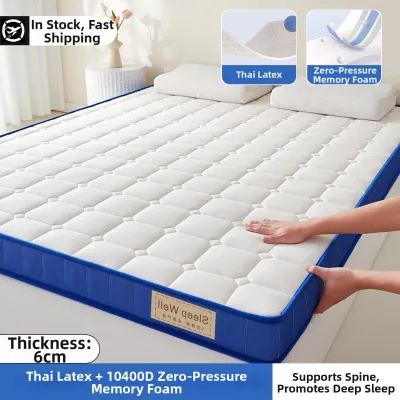

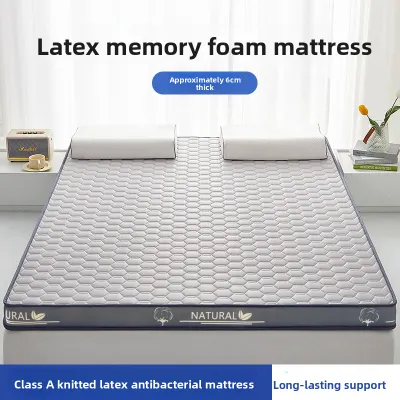
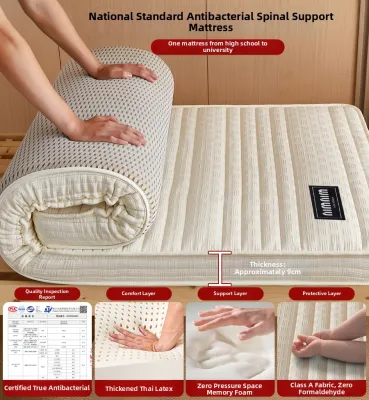
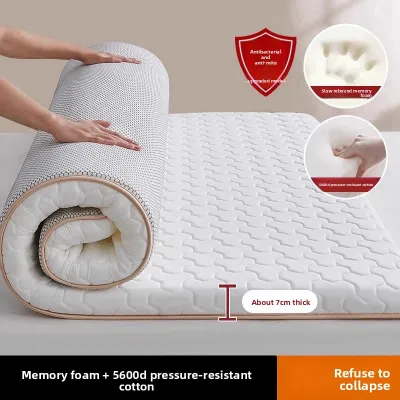
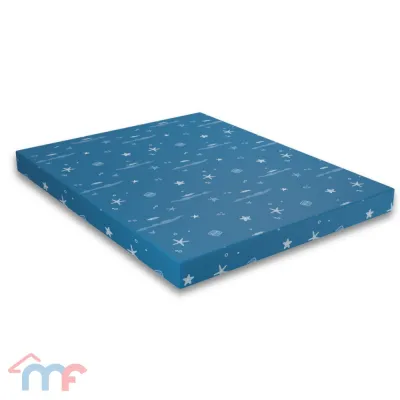
![[Vacuumed Comfy Rest Sky Max] Joyce & Diana Comfy Rest Sky Max Mattress 4/6 inches Foam Mattress](https://img.lazcdn.com/g/ff/kf/S1a9825f945734f95974019b7300801b5e.png_400x400q80.png_.webp)
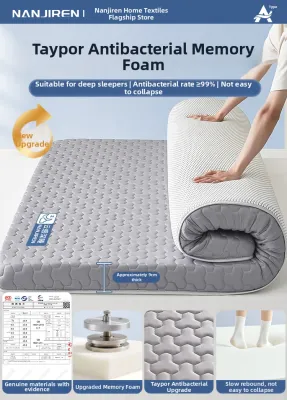
Prices are valid at publication and may change. Please refer to the product page for the latest price.
Innerspring and Open-Coil Designs
Innerspring mattresses excel at temperature regulation primarily because of the generous open space between their steel coils. Whether the mattress uses interconnected open coils or individually wrapped pocket springs, the core is mostly empty space. This structural void allows warm air pushed down by your body weight to escape out the sides of the mattress rather than reflecting back toward your skin.
However, the cooling efficiency of an innerspring mattress is heavily influenced by the comfort layers stacked on top of the coils. If a manufacturer places a thick, dense layer of traditional foam directly under the fabric cover, it can block the airflow to the springs below. When shopping, look for models that pair pocketed coils with thin, breathable comfort layers or aerated materials to ensure the open-coil system can actually do its job.
Latex Foam and Pinhole Structures
Latex mattresses offer a balanced alternative for sleepers who want the pressure relief of foam without the intense heat retention. Natural and synthetic latex possess an inherent open-cell structure that is far more breathable than conventional polyurethane foams. Additionally, during the manufacturing process, latex cores are molded with vertical pinholes that run through the entire depth of the comfort layer, creating built-in ventilation shafts.
Another key cooling advantage of latex is its high elasticity and responsiveness. Unlike memory foam, which allows you to sink deep into the mattress, latex pushes back and keeps you positioned on top of the sleeping surface. By preventing deep sinkage, latex minimizes the surface area of your body in direct contact with the bed, allowing ambient air from a ceiling fan or air conditioner to circulate freely around you.
Memory Foam and Body Contouring
Traditional memory foam is notorious for trapping heat because of how it achieves its signature pressure relief. This material reacts to your body heat and weight, softening to contour precisely to your unique shape. While this cradles your joints, it also creates a deep pocket of dense foam around your body, acting as an insulator that seals in heat and blocks lateral airflow.
To address this issue, manufacturers often modify memory foam by infusing it with gel particles, copper, or graphite, or by engineering it with larger open cells. While these technologies aim to conduct heat away from the surface, their real-world effectiveness in a humid tropical climate can vary. It is essential to verify these claims by checking the product specifications for open-cell certifications and looking at user reviews that specifically mention sleeping temperatures in non-air-conditioned rooms.
Comparing Cooling Features and Breathability
To make an informed decision, it helps to compare how these three mattress types handle heat across different structural dimensions. Surface airflow, deep-core breathability, and the speed of heat dissipation all play critical roles in keeping your sleeping surface comfortable throughout the night.

| Mattress Type | Structural Airflow | Contouring Depth | Common Cooling Technologies |
|---|---|---|---|
| Innerspring / Pocket Coil | Excellent (Open steel coil chambers) | Shallow to Moderate (Responsive support) | Breathable knit covers, hybrid coil-and-latex layers |
| Latex Foam | Good to Very Good (Pinhole ventilation) | Shallow (High bounce, active push-back) | Natural organic cotton covers, aerated channels |
| Memory Foam | Poor to Moderate (Dense cell structure) | Deep (Slow-response body contouring) | Gel infusions, open-cell foam, phase-change covers |
While the core structure dictates deep-core breathability, the mattress cover fabric is your first line of defense against heat and humidity. A highly breathable cover made from natural fibers like cotton, bamboo-derived rayon, or specialized cooling yarns can wick away sweat and provide an immediate cooling sensation. Even the most breathable coil system will feel warm if it is wrapped in a tight, synthetic polyester cover that traps moisture against your skin.
Adjusting for Your Bedroom Environment and Sleep Style
Your mattress does not exist in a vacuum; its thermal performance is deeply tied to your bedroom’s microclimate and your personal sleep habits. In the Philippines, where nighttime temperatures and humidity levels remain high for much of the year, your cooling strategy must adapt to your room’s setup. If you rely primarily on open windows and a ceiling fan, an innerspring or highly aerated latex mattress is crucial, as these structures maximize natural air movement without requiring active refrigeration.
If you run an air conditioner nightly, your options expand slightly, but you must still consider how your sleep position and body type affect heat generation. Side sleepers and heavier individuals tend to sink deeper into comfort layers, which increases the surface area wrapped in foam and can lead to localized hot spots. If you tend to sweat heavily at night, prioritizing a mattress with moisture-wicking cover materials and a firmer, more responsive comfort layer will help keep you dry and comfortable.
By matching your mattress choice to your actual bedroom environment, you can avoid overpaying for high-end “active cooling” marketing gimmicks. For instance, a highly ventilated hybrid mattress paired with a simple ceiling fan often provides a more comfortable, dry sleep than an expensive gel-infused foam mattress in a poorly ventilated room. Focus on structural airflow first, and use your room’s cooling appliances to handle the ambient temperature.
What to Verify Before Purchasing
Before you commit to a new mattress, it is vital to look past flashy marketing buzzwords like “ice-cool” or “space-age cooling” and verify the actual specifications of the product. Start by checking the manufacturer’s detailed material breakdown. Look for specific mentions of open-cell foam structures, the density of the comfort layers, and the exact composition of the cover fabric, prioritizing natural or highly breathable fibers over cheap synthetic blends.
Because temperature perception is highly subjective and heavily influenced by local humidity, a mattress that feels cool in an air-conditioned showroom might feel completely different in your home. For this reason, always verify the terms of the sleep trial period before making a purchase. Ensure the manufacturer offers a risk-free trial of at least 30 to 100 nights, and carefully read the return policy to check for hidden costs, such as return shipping fees or restocking fees that can range from ₱1,000 to ₱3,000.
Additionally, take the time to read independent customer reviews, focusing specifically on feedback from buyers living in tropical climates. Look for mentions of how the mattress performs during the hottest months of the year and whether the cooling properties degrade over time. Verifying these structural details and purchase protections beforehand will safeguard your investment and ensure you achieve sweat-free, restorative sleep.
Frequently Asked Questions (FAQ)
Does a cooling mattress topper actually reduce heat retention?
A cooling mattress topper can provide a helpful surface buffer and improve initial airflow, but it cannot completely solve the heat retention of a dense mattress core. If your existing mattress is made of thick, traditional memory foam that traps heat, adding a thin, breathable topper will only delay the warming process rather than eliminate it. If you decide to use a topper as a temporary solution, verify that it features open-cell construction, pinhole ventilation, or a highly breathable cover fabric to maximize its effectiveness.
Is a firmer mattress cooler than a softer one?
In most cases, a firmer mattress will sleep cooler than a softer one because it limits how deep your body sinks into the comfort layers. When you remain positioned on top of the mattress surface, more of your skin is exposed to the ambient air and room ventilation, allowing heat to dissipate quickly. However, you should not choose a mattress based on firmness alone; ensure the bed still provides adequate pressure relief and proper spinal alignment for your preferred sleeping position.

Community discussion
Share your experience or ask a question. Comments are reviewed before publication.