
Quick Answer: Which Foam is Better for Hot and Humid Nights?
When selecting the ideal foam for single bed setups in the Philippines, the choice between latex and memory foam often comes down to how well each material manages the country’s relentless tropical heat and humidity. Natural latex generally offers far superior inherent breathability and temperature neutrality compared to traditional memory foam, making it an excellent candidate for hot and humid nights.
Because natural latex features an open-cell structure—often enhanced by physical pinholes created during manufacturing—it allows air to circulate freely. This prevents body heat from becoming trapped within the core of the mattress. In contrast, traditional memory foam relies on a dense, viscoelastic structure that reacts to body heat to contour. While this provides excellent pressure relief, it also tends to trap heat, creating a warm sleeping surface that can feel uncomfortable in naturally ventilated rooms.
Modern memory foams with open-cell designs, gel infusions, or specialized cooling covers have narrowed this performance gap significantly. However, they still struggle to match the natural temperature neutrality of latex in high-humidity environments. Ultimately, the best choice depends on your specific sleeping arrangements. If you sleep in a naturally ventilated room with only a fan, natural latex is highly recommended. If you run an air conditioner consistently and prefer a deep, cradling sensation, a high-quality cooling memory foam mattress may suit your needs perfectly.
Products mentioned in this guide
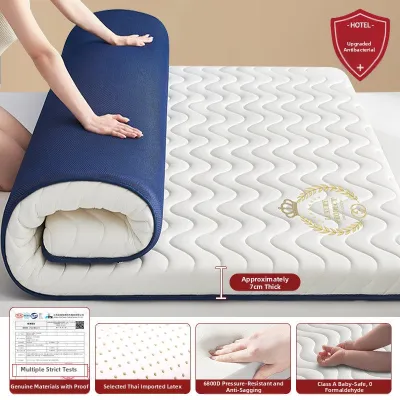
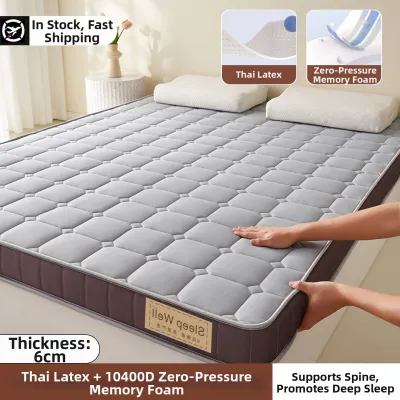
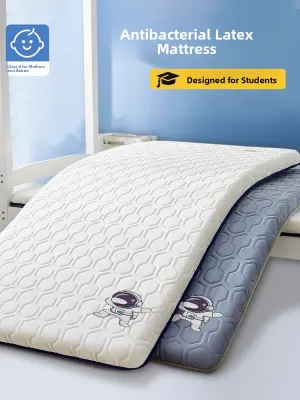
Prices are valid at publication and may change. Please refer to the product page for the latest price.
Understanding the Contenders: Latex vs Memory Foam
To make an informed decision, it is essential to understand what these two popular bedding materials actually are and how their physical structures differ. Latex foam used in mattresses can be sourced naturally from the sap of the rubber tree (Hevea brasiliensis), manufactured synthetically from petrochemicals, or created as a hybrid blend of both. The raw liquid is whipped into a foam and baked using either the Dunlop process (resulting in a denser, firmer foam) or the Talalay process (resulting in a softer, highly uniform structure). Regardless of the method, latex naturally maintains an open-cell matrix that resists compression and facilitates continuous airflow.

Memory foam, scientifically known as viscoelastic polyurethane foam, is an entirely synthetic material. It was originally developed to improve seat cushioning and crash protection before being adapted for commercial bedding. Its defining characteristic is its slow recovery time; when you press your hand into memory foam, it retains the impression for a few seconds before slowly returning to its original shape. This viscoelasticity allows the foam to contour precisely to your body shape, distributing your weight evenly and minimizing pressure on your joints.
However, consumers must understand that material names alone do not guarantee a specific level of performance, durability, or comfort. When shopping, you must verify product labels for specific foam density (typically measured in kilograms per cubic meter, or kg/m³), the composition of the outer cover, and any certified manufacturing treatments. Do not rely solely on vague marketing terms. Always consult the manufacturer’s care instructions, as improper handling or exposure to direct sunlight and moisture can permanently damage both materials.
Key Comparison Dimensions for Tropical Climates
Breathability and Heat Retention
In the Philippines, where nighttime temperatures can remain high and relative humidity often exceeds 80 percent, heat retention is a critical consideration for sleep quality. Natural latex excels in this category due to its physical structure. Because it does not rely on body heat to soften or contour, it remains temperature-neutral throughout the night. The air channels and pinholes inherent in latex mattress cores act as a natural ventilation system, allowing warm air and body heat to escape rather than building up beneath your body. This makes latex an incredibly comfortable option during the sweltering dry season.
Traditional memory foam operates on the opposite principle. It requires ambient warmth and direct body heat to become pliable and contour to your shape. As the foam warms up, it softens and conforms closely to your body, which effectively seals off airflow around your skin. In a humid room without air conditioning, this close contouring creates an insulating barrier that traps heat, leading to restless, sweaty nights.
To combat this issue, mattress manufacturers have developed various cooling technologies for memory foam. When evaluating memory foam options, look for open-cell polyurethane formulations, which allow more air to pass through the foam layers. Gel-infused memory foams incorporate microscopic gel beads designed to absorb and dissipate initial body heat. Some high-end models utilize phase-change materials (PCM) or cool-to-the-touch covers woven with polyethylene fibers. While these technologies help mitigate heat retention, they perform best in air-conditioned spaces where the ambient air can cool the mattress surface between uses.
Moisture Resistance and Mold Risk
High humidity and heavy perspiration create a breeding ground for biological allergens, including dust mites, mold, and mildew. This makes moisture management a vital factor in determining the lifespan and hygiene of your mattress. Natural latex is highly resilient in humid environments. It is naturally hypoallergenic and resistant to dust mites, mold, and bacteria. Because it does not easily absorb or retain moisture from the air or from sweat, it remains dry and hygienic even during the wet, rainy monsoon season.
Memory foam, due to its dense and highly absorbent polyurethane structure, is much more vulnerable to moisture accumulation. If you sweat during the night, the moisture can seep into the dense foam layers. Over time, trapped moisture can degrade the chemical bonds of the polyurethane, causing the foam to soften prematurely, lose its supportive properties, and develop unpleasant, musty odors. In severe cases, persistent moisture combined with high ambient humidity can lead to mold growth inside the mattress core, which poses respiratory risks.
To protect your investment and maintain a healthy sleep environment, look for mattresses that feature removable, washable outer covers. These covers act as a primary barrier against sweat and skin oils. Additionally, ensure your single bed frame is designed to support airflow; a slatted wooden or metal base is highly preferable to a solid plywood platform, as the gaps between the slats allow moisture to evaporate from the bottom of the mattress. If you notice any spills or excessive moisture, refer to the manufacturer’s care instructions immediately to dry the foam safely without applying direct heat.
Support, Motion Isolation, and Comfort
The physical sensation of sleeping on latex is fundamentally different from sleeping on memory foam. Latex is highly responsive, elastic, and buoyant. When you lie down on a latex mattress, you experience an immediate “push-back” support that keeps your body floating on top of the bed. This buoyancy makes it incredibly easy to roll over, change positions, or get in and out of bed, which is highly beneficial for active sleepers or those who dislike feeling restricted.
Memory foam offers a slow-response, contouring sensation often described as a deep “hug” or “sink.” It molds precisely to the unique curves of your shoulders, hips, and lower back, distributing your body weight across a wider surface area. This pressure-relieving capability is highly effective at reducing joint pain, lower back stiffness, and muscle tension. However, this deep contouring can make changing positions require more physical effort, as you must roll “out” of the body impression you have created.
Because a single bed is designed for individual sleepers, you do not need to worry about partner motion transfer—a category where memory foam typically excels by absorbing vibrations. Instead, your choice should align with your primary sleeping position and comfort preferences:
- Side Sleepers: Usually benefit from the deep contouring of memory foam, which cushions the shoulders and hips, preventing pressure points and keeping the spine aligned.
- Back and Stomach Sleepers: Generally require the firmer, upward support of latex to prevent the pelvis and lower back from sagging too deeply, which can cause lumbar strain.
- Combination Sleepers: Often prefer the responsive bounce of latex, which allows them to transition between different sleeping positions smoothly throughout the night.
Space and Practicality: Choosing Foam for Single Bed Setups
When selecting a foam for single bed dimensions, physical space and practical handling are highly relevant. In the Philippines, single beds (typically measuring 36 by 75 inches) are standard fixtures in studio condominiums, boarding houses, guest rooms, and children’s bedrooms. These spaces often feature tight corners, narrow hallways, and limited room for maneuverability.
The physical weight of the mattress material plays a significant role in daily practicality. Natural latex is an exceptionally dense, heavy, and flexible material. A high-quality single latex mattress can be surprisingly heavy and difficult to lift, bend, or carry. This makes transporting it up narrow stairwells or rotating it during routine maintenance a challenging, two-person task. Memory foam, particularly low-to-medium density varieties, is significantly lighter and more pliable. Many memory foam mattresses are shipped compressed and rolled in a compact box, making delivery and initial setup in high-rise condominiums or tight spaces incredibly simple.
Edge support is another critical factor for single bed dimensions. Because the sleeping surface is relatively narrow, you are highly likely to sleep close to the edge of the mattress. Furthermore, single beds are frequently used as casual seating areas during the day. Natural latex inherently provides firmer, more consistent edge support, preventing you from feeling like you are sliding off when sitting or sleeping near the perimeter. Many memory foam mattresses, unless specifically engineered with reinforced foam borders, compress deeply under concentrated edge weight, reducing the usable sleeping surface and making the edges feel unstable.
Before making a purchase, always measure your bed frame’s interior dimensions carefully to ensure a perfect fit. Additionally, check the load capacity and stability of your bed frame. Because latex is substantially heavier than memory foam, your bed frame must be sturdy enough to support both the weight of the heavy mattress and the sleeper without bowing or creaking.
Price, Value, and Lifespan in the Local Market
Evaluating the financial aspect of your purchase requires looking beyond the initial retail price to consider the long-term cost per year of use. In the Philippine market, natural latex mattresses are positioned as premium investments. The complex harvesting and manufacturing processes of natural rubber sap make these mattresses significantly more expensive upfront compared to synthetic foam alternatives.
However, natural latex offers exceptional durability. It is highly resistant to sagging, softening, and permanent body indentations, easily maintaining its supportive properties for 10 to 15 years. It also withstands the degrading effects of high humidity and heat much better than synthetic foams. When viewed as a long-term investment, a natural latex mattress often provides excellent value, as you will not need to replace it nearly as quickly as a lower-quality alternative.
Memory foam mattresses are highly accessible, with a wide range of price options starting from budget-friendly entry-level models to premium cooling gel varieties. This makes memory foam an attractive option for students, temporary renters, or those with immediate budget constraints. However, lower-density memory foams (typically under 40 kg/m³) are prone to rapid degradation in warm, humid climates. Within a few years, they can develop permanent body impressions and lose their supportive qualities, requiring premature replacement.
To ensure you are getting genuine value, systematically evaluate the manufacturer’s specifications rather than relying on price alone:
- Verify Foam Density: For memory foam, look for a density of at least 50 kg/m³ for adult use to ensure reasonable longevity.
- Check the Warranty: A reputable mattress should come with a warranty of at least 10 years covering significant sagging or physical defects.
- Look for Sleep Trials: Many modern mattress brands offer a risk-free home sleep trial (ranging from 30 to 120 nights). This is highly valuable, as it allows you to test how the material performs in your specific bedroom temperature and humidity before committing permanently.
The Decision Framework: Which Should You Choose?
To finalize your decision, consider your specific sleeping environment, physical comfort needs, and budget. Use the following structured framework to guide your purchase.
Choose Natural Latex if:
- You sleep hot, suffer from night sweats, or live in a naturally ventilated room without consistent air conditioning.
- You prefer a responsive, buoyant feel that keeps you positioned on top of the mattress rather than sinking into it.
- You are a back or stomach sleeper who requires firm, consistent spinal support.
- You want a highly durable, hygienic mattress that resists mold, dust mites, and sagging for over a decade.
- You have a flexible budget and view your mattress as a long-term health investment.
Choose Memory Foam if:
- You sleep primarily in an air-conditioned bedroom where you can control the ambient temperature.
- You prefer a deep, cradling "hug" that conforms closely to your body and provides maximum pressure relief for sore joints.
- You are primarily a side sleeper who needs extra cushioning for your shoulders and hips.
- You are working with a stricter budget or need a lighter mattress that is easy to move, transport, and set up.
Final Verification Check: Before checking out, always verify the product’s physical dimensions to ensure compatibility with your bed frame. Check the manufacturer’s care instructions to understand the specific cleaning requirements, and confirm the exact terms of the warranty and return policy to protect your purchase.
Frequently Asked Questions (FAQ)
Can I use a memory foam mattress without air conditioning in the Philippines?
Yes, you can use a memory foam mattress in a naturally ventilated room, but you must take active steps to manage heat retention. Traditional memory foam traps body warmth, which can make hot nights uncomfortable. To mitigate this, pair your mattress with a highly breathable, moisture-wicking mattress protector and bedsheets made from natural, lightweight fibers such as cotton, bamboo, or linen. Additionally, ensure your bedroom has excellent cross-ventilation, and position a ceiling or stand fan to maintain continuous airflow directly across the bed surface to help dissipate heat.
How often should I rotate a single latex or memory foam mattress?
You should rotate your single mattress 180 degrees (head-to-toe) every 3 to 6 months. Regular rotation helps distribute your body weight evenly across the surface, preventing localized softening and permanent body impressions. Since single beds cannot be flipped over (as most modern foam mattresses are constructed with a specific top comfort layer and a bottom support layer), head-to-toe rotation is the most effective way to extend the lifespan of the foam. This maintenance step is especially critical for memory foam, which is naturally more susceptible to sagging and body indentations over time.

Community discussion
Share your experience or ask a question. Comments are reviewed before publication.