
Sleeping comfortably in a humid tropical climate requires bedding that can handle both high ambient temperatures and heavy moisture. When your existing mattress feels too firm or lacks support, adding a foam pad is a practical upgrade, but the material you choose determines whether you sleep cool or wake up drenched in sweat. Choosing between a latex and a memory foam mattress pad in these conditions depends on balancing breathability with contouring support. While both options alter the feel of your bed, they interact with tropical humidity in fundamentally different ways.
Before making a purchase, it is essential to understand how these materials perform under local environmental pressures. This guide compares latex and memory foam pads across temperature regulation, support profiles, maintenance needs, and long-term value. By verifying specific product labels and assessing your bedroom’s ventilation, you can select a pad that enhances your sleep quality without trapping unwanted heat.
Understanding Foam Pads in Humid Environments
High relative humidity directly impacts how mattress pads retain heat and moisture throughout the night. In tropical regions, the air is already saturated with water vapor, which slows down the evaporation of sweat from your skin and bedding. If your mattress pad lacks adequate ventilation, moisture becomes trapped within the core material, leading to a clammy sleeping surface and accelerated physical degradation of the foam.
Products mentioned in this guide
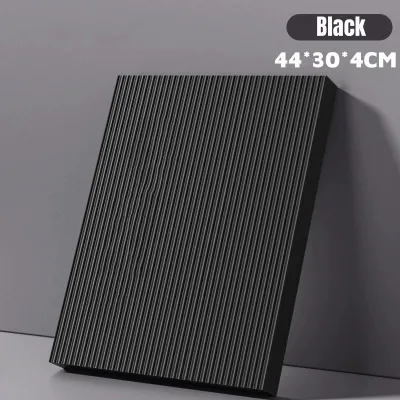
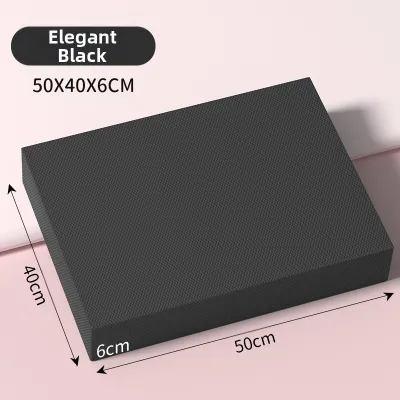
Prices are valid at publication and may change. Please refer to the product page for the latest price.
To mitigate these issues, look beyond basic marketing terms and inspect product specifications for structural features that promote airflow. When evaluating memory foam, check the product specifications for an open-cell structure, which allows air to pass through the material more freely than traditional closed-cell foam. For latex pads, look for molded aeration channels, often referred to as pinholes, which are created during the manufacturing process to facilitate continuous ventilation. Additionally, prioritize pads that feature breathable cover materials, such as cotton or bamboo-derived fabrics, which help draw moisture away from the body.
The performance of any foam pad is also heavily influenced by your overall bedroom environment and bed setup. Furthermore, the design of your bed frame plays a critical role; a solid platform base restricts airflow from the bottom of the mattress, whereas a slatted frame allows air to circulate freely beneath the bed, helping to keep the pad dry.
Temperature Regulation and Airflow
Temperature regulation is often the most critical factor when choosing bedding for tropical climates. Traditional memory foam is viscoelastic, meaning it responds to body heat to soften and contour to your shape. While this provides excellent pressure relief, the dense molecular structure of standard memory foam tends to trap heat, creating a warm “envelope” around your body. To counter this, manufacturers often incorporate cooling gels or copper infusions into the foam, which are designed to conduct heat away from the sleeper. When shopping, verify whether these cooling technologies are integrated throughout the foam or merely applied as a surface coating, as integrated solutions generally offer more consistent performance.

In contrast, latex possesses a naturally resilient, springy structure that does not rely on body heat to conform to your shape. Because it does not contour as deeply as memory foam, less of your body surface is enveloped by the material, allowing ambient air to circulate more freely around you. Natural latex is inherently more breathable due to the open-cell structure of the rubber sap and the physical pinholes molded into the pad. These channels act as a natural ventilation system, pumping warm air out and drawing cooler air in whenever you move.
The thickness of the pad and the composition of its cover also play vital roles in heat dissipation. A thicker pad, whether latex or memory foam, contains more material to absorb and retain heat, so a moderate thickness of 2 to 3 inches is often ideal for tropical climates. Natural fibers like organic cotton, bamboo-derived rayon, or specialized phase-change materials are highly effective at managing heat and moisture, whereas synthetic polyester covers tend to trap heat and exacerbate sweating.
Comfort, Support, and Pressure Relief
Beyond temperature, your choice of foam pad must align with your preferred sleeping position and support requirements. Memory foam is highly regarded for its deep contouring ability, which distributes body weight evenly and relieves pressure on sensitive joints, such as the shoulders and hips. This makes it a popular choice for side sleepers who need extra cushioning. Additionally, memory foam excels at motion isolation; if you share a bed, the material absorbs movement, preventing vibrations from transferring across the mattress when your partner shifts.
Latex offers a completely different physical sensation, characterized by buoyant support and a responsive bounce. Instead of sinking into the pad, you sleep “on top” of latex, which keeps your spine aligned without restricting your movement. This responsive pushback is highly beneficial for back and stomach sleepers, as well as individuals who change positions frequently throughout the night and dislike the “stuck” feeling associated with deep-contouring memory foam.
Because comfort is highly subjective, relying solely on product descriptions can be risky. Whenever possible, utilize sleep trial policies and flexible return conditions offered by manufacturers to test the pad in your own home. If a trial is not available, in-store testing can provide a helpful initial impression of the material’s firmness and responsiveness.
Durability, Care, and Moisture Management
In humid tropical environments, proper maintenance is essential to prevent the growth of mold, mildew, and dust mites, which thrive in warm, damp conditions. Before purchasing, carefully read the manufacturer’s care labels to understand the cleaning requirements. Most foam pads, whether latex or memory foam, cannot be machine washed or submerged in water, as moisture can trap inside the core and cause the material to crumble or rot. Instead, maintenance is typically limited to washing the removable cover and spot-cleaning the foam core with a damp cloth and mild detergent.
Drying the pad thoroughly after spot-cleaning or during periods of high humidity is critical. Never expose latex or memory foam to direct sunlight, as ultraviolet rays rapidly degrade the physical structure of both materials, causing them to become brittle and lose their supportive properties. Instead, air dry the pad indoors in a well-ventilated room, preferably with a fan or dehumidifier running nearby.
It is also wise to inspect the manufacturer’s warranty terms before finalizing your decision. Look for specific clauses regarding sagging, permanent indentations, and material breakdown. Be aware that many warranties explicitly exclude damage caused by improper support, excessive moisture, or mold growth. Ensuring your bed frame meets the manufacturer’s support guidelines is often a prerequisite for keeping the warranty valid.
Evaluating Price and Long-Term Value
When comparing the financial aspect of latex and memory foam pads, it is important to weigh the upfront cost against the expected lifespan of the product. In the local market, prices can vary significantly based on the materials used. Natural latex pads represent a premium investment, with prices often starting around ₱8,000 to ₱15,000 or more for high-quality, certified organic options. Synthetic or blended latex pads offer a mid-range alternative, while standard memory foam pads are highly accessible, often priced between ₱3,000 and ₱7,000 depending on thickness and cooling features.
While memory foam is more budget-friendly initially, it generally has a shorter lifespan in humid conditions compared to natural latex. Over time, the combination of body heat, moisture, and pressure causes memory foam to soften and lose its resilience, requiring more frequent replacement. Natural latex is highly durable and resistant to sagging, meaning it can maintain its supportive properties for many years, potentially offering better long-term value despite the higher initial cost.
Be cautious of unusually low-priced options on online marketplaces. Extremely cheap foam pads often lack standard safety and environmental certifications, such as CertiPUR-US for polyurethane foams or OEKO-TEX for latex. These certifications verify that the materials are free from harmful levels of chemicals and heavy metals, which is particularly important for products you breathe near for hours every night.
Decision Framework: Choosing Your Ideal Pad
To make your final decision, evaluate your personal sleep preferences and bedroom conditions against the following practical guidelines.
Choose Latex if:
- You prefer a buoyant, responsive sleeping surface that allows you to move and turn easily without feeling stuck.
- You sleep hot and require maximum airflow, which is supported by the natural open-cell structure and molded pinholes of latex.
- You are willing to make a higher upfront investment for a durable, long-lasting product made from natural materials.
- You prefer a material that naturally resists dust mites and mildew in humid environments.
Choose Memory Foam if:
- You experience joint pain and require deep contouring pressure relief that cradles your shoulders, hips, and lower back.
- You share a bed and need excellent motion isolation to prevent sleep disruptions from a partner's movements.
- You prefer a cozy, "sinking" sensation that conforms closely to your body shape.
- You are working with a moderate budget and want an accessible comfort upgrade.
Verify First if:
- Your bed frame has adequate slat spacing (typically under 3 inches apart) to support the pad and allow proper airflow from below.
- The manufacturer offers a clear sleep trial or return policy, allowing you to test the material's heat retention in your actual home environment.
- The exact dimensions of the pad match your mattress size to ensure a secure fit without overhang or shifting.
- The product carries reputable safety certifications on its label to ensure a healthy sleeping environment.
Frequently Asked Questions (FAQ)
Can I use a waterproof protector with a cooling foam pad?
Using a traditional, non-breathable plastic waterproof protector can severely restrict the airflow of a cooling foam pad, trapping heat and moisture directly against your body. To protect your pad without sacrificing cooling performance, look for water-resistant protectors that feature a breathable thermoplastic polyurethane (TPU) membrane paired with a natural fiber top layer, such as bamboo-derived rayon or cotton terry. These materials allow air to circulate while still shielding the foam from sweat and accidental spills.
How do I know if my foam pad has developed mold?
In highly humid climates, you should regularly inspect your mattress pad for signs of mold or mildew. Visual indicators include small black, grey, or green spots appearing on the cover or directly on the foam core, particularly on the underside that rests against the mattress. A persistent musty, damp, or earthy odor is also a strong sign of mold growth. If mold has penetrated deep into the foam core, it is generally safest to discard the pad, as deep-seated mold is extremely difficult to clean completely and can trigger respiratory issues. For minor surface spots, consult the manufacturer’s specific cleaning guidelines immediately.

Community discussion
Share your experience or ask a question. Comments are reviewed before publication.