
Upgrading a single bed with a high-quality topper is one of the most practical ways to transform your sleep experience without the expense of buying an entirely new mattress. In tropical climates where heat and humidity are daily factors, choosing the right material is essential for staying cool and comfortable. The ideal bed topper for a single bed depends on your sleeping position, temperature preferences, and budget.
If you prioritize a cool sleep surface, natural bounce, and long-term durability, a latex topper is your best option. For those seeking deep pressure relief, joint cushioning, and a cozy, contouring feel on a budget, memory foam is highly effective. If you prefer a traditional, highly responsive feel with maximum airflow and strong edge support, an innerspring (micro-coil) topper is the ideal choice.
Core Characteristics of Latex, Memory Foam, and Innerspring Toppers
Before purchasing a topper from an online marketplace or local furniture store, it is important to understand how each material is constructed. The physical composition of a topper dictates how it responds to your body weight, how much heat it retains, and how long it will last. By learning the core characteristics of these three materials, you can easily verify manufacturer specifications and choose a product that matches your specific comfort needs.
Products mentioned in this guide
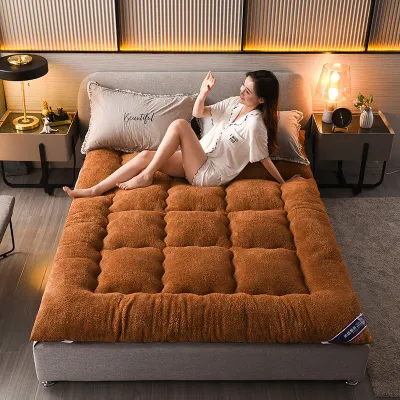
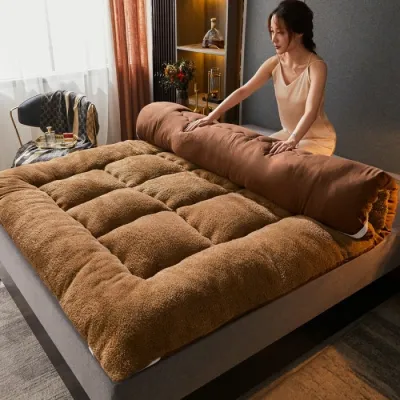
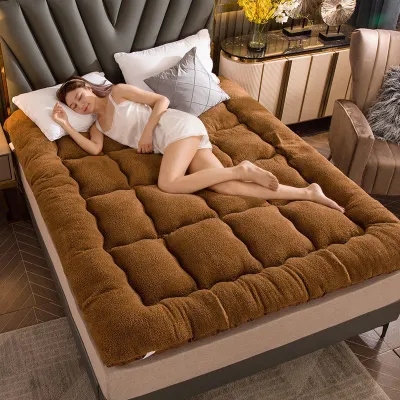
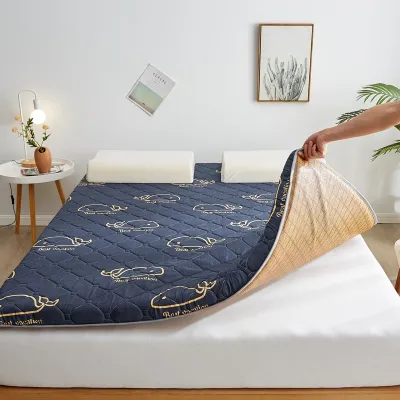
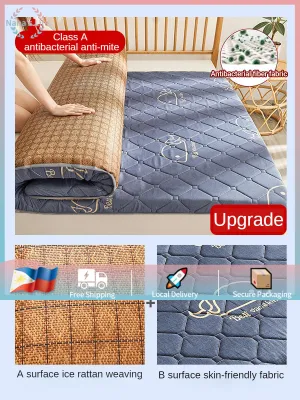
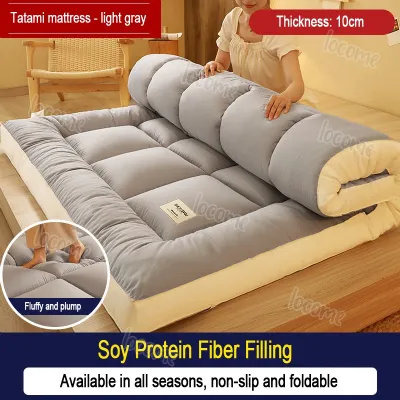
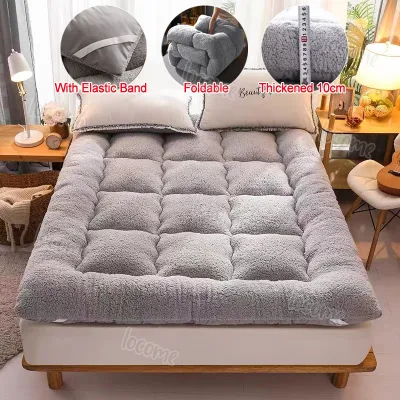
Prices are valid at publication and may change. Please refer to the product page for the latest price.
Latex Toppers
Latex toppers are highly regarded for their resilience, natural elasticity, and open-cell structure. When shopping, you will generally find three types of latex: natural, synthetic, and blended. Natural latex is harvested from rubber tree sap and is often certified by independent ecological standards, while synthetic latex is made from petroleum-based compounds. Blended options combine both to offer a balance of durability and affordability, so it is crucial to check the product label to verify the exact composition.
One of the most recognizable features of a latex topper is its bouncy, responsive feel. Unlike materials that sink and hold your body in one position, latex immediately pushes back, making it easy to turn over on a single bed. Additionally, most latex toppers are manufactured with pincore holes—small, vertical air channels created during the molding process. These holes facilitate continuous air circulation, which helps prevent heat from building up around your body during warm nights.
Because latex is a dense, heavy material, it adds substantial weight to your sleeping setup. Even in a single bed size, a thick latex topper can be difficult to lift and move. Before buying, check your single bed frame’s weight capacity and ensure your bed slats are spaced closely enough to support the combined weight of the mattress, the heavy topper, and your body without sagging.
Memory Foam Toppers
Memory foam, or viscoelastic foam, is designed to soften in response to body heat and pressure, allowing it to contour precisely to your physical shape. This material is highly effective at distributing body weight evenly, making it a popular choice for individuals who experience shoulder, hip, or back discomfort. The performance of a memory foam topper is largely determined by its density and thickness, which you should verify in the product specifications.
In humid, tropical environments, standard memory foam can sometimes trap body heat, leading to an uncomfortably warm sleep surface. To address this, many manufacturers offer modified foams featuring gel-infusions, open-cell structures, or specialized breathable covers. When browsing options, look for these cooling features on the product label to ensure the topper can help disperse heat rather than trapping it.
Another characteristic to keep in mind is the slow-response feel of memory foam, which creates a cradled sensation. When you press down on the foam, it takes a few seconds to return to its original shape. Additionally, new memory foam toppers often undergo a temporary off-gassing process, releasing a mild chemical smell when first unpacked. Check the manufacturer’s instructions regarding ventilation, as you will typically need to let the topper air out in a well-ventilated room for 24 to 48 hours before placing it on your single bed.
Innerspring (Micro-Coil) Toppers
Innerspring toppers, often referred to as micro-coil toppers, are a unique alternative to solid foam options. Instead of relying entirely on foam layers, these toppers utilize a core of miniature, individually pocketed steel coils. This construction provides a highly responsive, springy support system that mimics the feel of a traditional mattress while remaining thin enough to serve as a comfort layer.
Because the core of an innerspring topper consists of open space between steel coils, air can flow through the unit with virtually no resistance. This makes micro-coil toppers exceptionally breathable, as they do not retain body heat the way dense foams can. However, because you cannot sleep directly on metal coils, you must check the quality of the comfort layer quilted above the springs. Manufacturers typically use a thin layer of foam, fiberfill, or wool to cushion the surface, and the quality of this top layer will determine the initial softness of the topper.
When using an innerspring topper on a single bed, keep in mind that edge support and noise can vary based on construction. High-quality micro-coil toppers feature fabric-encased coils that minimize squeaking and prevent motion transfer. However, because single beds have a narrow surface area, you will often sleep close to the edge. Check whether the topper has a reinforced border or a non-slip casing to prevent the coils from shifting or compressing too easily when you sit on the edge of the bed.
Comparing Performance for a Single Bed Setup
Evaluating how these materials perform in a real-world single bed setup requires looking at environmental factors, spatial limitations, and daily usability. A single bed is compact, meaning every inch of sleeping surface matters, and the local climate will directly influence how comfortable each material feels throughout the year.

Temperature Regulation
Managing heat and humidity is a primary concern for sleepers in tropical regions. Innerspring toppers offer the highest level of natural ventilation because the open space around the micro-coils allows warm air to escape easily. Latex follows closely, utilizing its natural open-cell structure and manufactured pincore holes to promote airflow. Memory foam naturally retains the most heat, meaning you must actively check for gel-infused formulations or breathable bamboo-derived covers to ensure a comfortable sleeping temperature.
Motion Isolation and Edge Support
While motion isolation is often associated with double or queen beds, it still plays a role for single bed sleepers who toss and turn. Memory foam excels at absorbing movement, ensuring that shifting your position does not create a bouncy, disruptive rebound. However, memory foam often lacks strong edge support, compressing significantly when you sleep near the perimeter. Latex and innerspring toppers provide much better edge resistance, maintaining a flat, supportive surface across the entire width of a single bed, which prevents the sensation of rolling off the side.
Thickness and Bed Height
Adding a topper will increase the height of your single bed by 2 to 4 inches. This added height can make your existing bedding fit poorly. Before purchasing, measure the combined height of your mattress and the prospective topper, then check your fitted sheet pocket depth to ensure they can wrap securely around both layers. If your single bed is part of a bunk bed or has safety rails, verify that the added height of the topper does not reduce the safety clearance of the rails.
Evaluating Price and Long-Term Value
When planning your budget, understanding the price hierarchy of these materials helps you set realistic expectations. Generally, natural latex toppers represent the highest upfront investment, followed by specialized innerspring options, while memory foam toppers are typically the most budget-friendly. For a single bed size, entry-level memory foam options can often be found for under ₱3,000, whereas premium natural latex toppers can range from ₱6,000 to over ₱12,000.
To determine the true value of your purchase, look beyond the initial price tag and check the manufacturer’s warranty and expected lifespan. Natural latex is exceptionally durable, often resisting sagging and body impressions for over seven to ten years, which can make its higher cost more economical over time. Memory foam and micro-coil toppers generally have a shorter lifespan of three to five years before the materials begin to soften or lose their supportive qualities.
Additionally, consider potential hidden costs associated with maintenance and protection. For instance, latex cannot be exposed to direct sunlight or washed, meaning you will need to purchase a high-quality, removable protector to shield it from sweat and moisture. Memory foam is also highly sensitive to liquids, making a waterproof cover a wise investment to protect your topper from humid air and accidental spills, ensuring it lasts as long as possible.
Final Decision Framework: Choosing Your Single Bed Topper
To finalize your decision, review this practical checklist to match your personal sleeping habits and bedroom setup with the right topper material.
- Choose Latex if: You want a highly breathable, cool sleep surface that handles tropical humidity well. You prefer a responsive, bouncy feel that makes moving around easy, and your single bed frame is sturdy enough to support a heavier topper.
- Choose Memory Foam if: You need targeted pressure relief for your shoulders, hips, or lower back. You enjoy a cradled, contouring sensation, and you want an affordable comfort upgrade that fits a modest budget.
- Choose Innerspring if: You sleep exceptionally hot and require maximum airflow through the core of your topper. You prefer a traditional, springy feel with active pushback and reliable edge support across the entire surface of your single bed.
- Verify First if: You have specific material allergies, such as a latex sensitivity. Always inspect the structural integrity of your current single mattress; if the mattress is severely sagging or has broken springs, a topper will not resolve these underlying issues.
Frequently Asked Questions (FAQ)
Can I use a bed topper to fix a sagging single mattress?
No, a bed topper cannot fix a sagging single mattress. Toppers are designed to alter the surface comfort of a mattress, adding either softness or temporary firmness, but they conform to the shape of the bed underneath them. If your single mattress has a deep sag, a broken spring, or a worn-out support core, any topper you place on top of it will eventually sink into that same depression. Before purchasing a topper, inspect your mattress and bed frame slats to ensure they are flat and structurally sound; if the base is compromised, replacing the mattress is the only effective solution.
How do I keep a bed topper from sliding on a single bed?
Because single beds are lightweight and have a smaller surface area, toppers can easily shift or slide when you get in and out of bed. To prevent this, check if the topper you are buying includes built-in elastic corner straps or a textured, non-slip bottom surface. If your topper does not have these features, you can secure it by placing a high-quality, deep-pocket fitted sheet over both the topper and the mattress. Alternatively, using a zippered mattress encasement or placing a rubberized non-slip pad—similar to those used under area rugs—between the mattress and the topper will keep it firmly in place.

Community discussion
Share your experience or ask a question. Comments are reviewed before publication.