
Quick Answer: Can You Use Any Mattress on a Folding Bed?
When looking for a folding bed mattress only, you cannot simply throw any standard mattress onto a folding frame. Standard mattresses are engineered to remain flat, relying on rigid border wires, thick comfort layers, and stiff base materials that resist bending. Forcing a standard mattress to fold puts immense stress on the frame’s hinges and can permanently warp or tear the mattress core.
To ensure a proper fit, you must prioritize flexibility, weight, and structural integrity at the fold lines. A mattress that is too stiff will prevent the frame from closing, while one that is too heavy can strain the folding mechanism or cause the bed to tip. Additionally, using a non-flexible mattress on a folding base almost always voids the manufacturer’s warranty, leaving you unprotected if the materials fail.
Why Folding Beds Require Specialized Mattress Features
Folding beds, whether they are rollaways, tri-folds, or wall-mounted units, operate under unique mechanical constraints that standard beds never encounter. The most critical of these is hinge and fold-line stress. Every time you fold the bed, the mattress undergoes compression on the inside of the bend and tension on the outside. Over time, this repeated physical stress can cause internal materials to shift, bunch up, or crack, leading to uncomfortable lumps and sagging.
Products mentioned in this guide
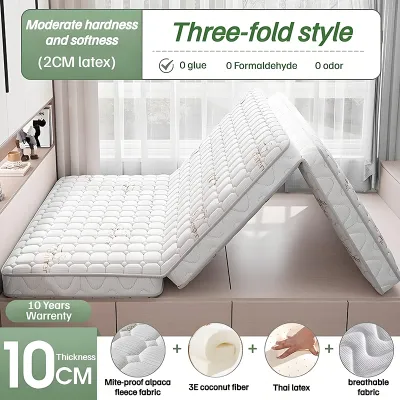
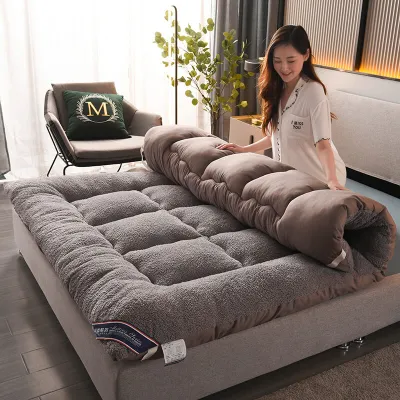
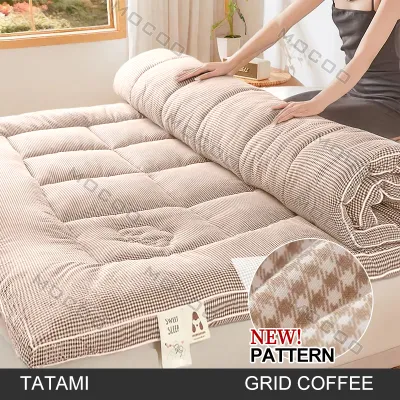
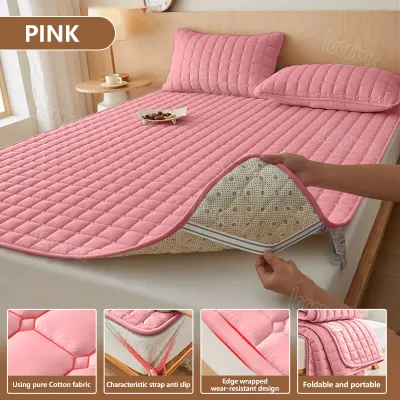

Prices are valid at publication and may change. Please refer to the product page for the latest price.

Weight and portability are equally important. Folding beds are designed to be mobile, often rolled into closets or moved between rooms. A heavy mattress makes this process physically taxing and puts extra strain on the frame’s casters and joints. If the mattress is too heavy, it can even cause the frame to bow or buckle over time.
Thickness limits also dictate your options. Most folding frames have a maximum clearance when closed. If your mattress is too thick, the frame cannot lock shut, which can damage the locking clips or bend the metal hinges.
Finally, tropical climates present a unique challenge. In hot, humid environments like the Philippines, folding a bed traps air, sweat, and ambient moisture within the folded layers. Without proper cover breathability and moisture resistance, this trapped humidity quickly becomes a breeding ground for mold, mildew, and dust mites.
Comparing Mattress Materials for Folding Bed Frames
Selecting the right material requires balancing comfort with the physical demands of a folding frame. Different materials react uniquely to being bent, compressed, and stored. To help you evaluate your options, we have compared latex, memory foam, and innerspring mattresses across four critical performance areas.
| Material | Flexibility | Weight | Hinge Durability Checks | Breathability Features |
|---|---|---|---|---|
| Latex | Moderate to High | Heavy | Check for tearing along fold lines | Natural open-cell structure |
| Memory Foam | High | Light to Moderate | Check for permanent creasing | Requires gel or open-cell design |
| Innerspring | Low (unless specialized) | Moderate to Heavy | Check for coil warping or protrusion | High natural airflow |
These criteria are based on the physical properties of each material and standard manufacturer specifications. Before making a purchase, always verify these details against your specific folding frame’s requirements.
Latex Mattresses
Latex is highly regarded for its natural elasticity and responsive bounce. When used on a folding bed, natural latex can bend easily and return to its original shape without retaining permanent creases. However, synthetic or blended latex options may be stiffer, so it is essential to check the material composition before buying.
The primary drawback of latex is its weight. Latex is a dense, heavy material. You must verify if your folding frame’s maximum load capacity can handle the weight of a latex mattress in addition to the sleeper’s weight. A heavy latex mattress can make folding and transporting the bed a strenuous chore, potentially straining the frame’s wheels and hinges.
For durability, inspect the mattress regularly for micro-tearing along the fold lines. Because latex is dense, the outer edge of the fold experiences high tension. Always check the manufacturer’s guidelines to ensure the specific latex model is rated for use on flexible or adjustable bases.
Memory Foam Mattresses
Memory foam is highly adaptable, making it one of the most popular choices for folding beds. It contours closely to the body and compresses easily, allowing the mattress to fold smoothly without internal breakage or permanent structural damage.
However, you must pay close attention to thickness and density limits. High-density memory foam can be surprisingly heavy and may resist folding, causing the frame to spring open or putting excessive pressure on the locking mechanism. Conversely, an overly thin or low-density foam mattress may bottom out, meaning you will feel the metal support bars or slats of the frame underneath you.
Airflow is another critical factor, especially in humid tropical climates. Standard memory foam tends to retain body heat. To prevent sleeping hot and to manage humidity, verify that the mattress features open-cell structures, gel infusions, or a highly breathable cover that allows moisture to escape when the bed is folded and stored.
Innerspring Mattresses
Traditional innerspring mattresses are generally incompatible with folding beds. Standard interconnected coil systems (such as Bonnell coils) rely on a rigid border wire and helical wires that connect the springs. Forcing these coils to bend will permanently warp the steel, ruin the mattress support, and potentially damage the bed frame’s hinges.
If you prefer the feel of springs, you must look for flexible alternatives. Pocketed coils, which are individually wrapped and move independently, are much more accommodating to bending. However, you must still verify that the specific pocketed coil mattress is explicitly approved by the manufacturer for folding beds or adjustable bases.
There are also comfort trade-offs to consider. Because a folding innerspring mattress must remain relatively thin to allow the frame to close, the comfort layers over the coils are often minimal. Over time, you may begin to feel the individual coils or the underlying frame hinges, which can compromise sleep quality.
Critical Specifications to Verify Before Purchase
Before purchasing a folding bed mattress only, you must measure and verify several physical specifications to ensure compatibility and safety. Whether you are budgeting ₱3,000 for a basic foam replacement or over ₱10,000 for natural latex, always verify these details first.
- Maximum Thickness: Measure the clearance of your folding frame when it is fully closed. Most folding beds are designed for mattresses between 4 and 6 inches thick. Exceeding this limit can jam the folding mechanism, bend the frame, or tear the mattress cover.
- Weight Capacity: Cross-reference the weight of the mattress with the maximum load limit of your folding bed frame. Remember that the frame's weight capacity must support both the mattress and the sleeper. A mattress that is too heavy reduces the safe weight limit for the user.
- Cover Flexibility: Ensure the mattress cover has enough stretch or features built-in gussets. A rigid, non-stretch cover will pull tightly at the seams when the mattress is folded, leading to premature splitting and exposed foam or coils.
- Warranty Conditions: Always read the fine print of the mattress warranty. Look for explicit statements confirming that the mattress is approved for use on folding frames, rollaway beds, or adjustable bases. Using a mattress on an unapproved frame will void your warranty.
Decision Framework: Which Material Fits Your Needs?
To make the right choice, consider how you plan to use the folding bed and the specific environment it will be stored in.
- Choose Memory Foam if: Your top priorities are lightweight portability, easy folding, and a mattress that conforms perfectly to the frame's hinges. This is the best option for guest beds that are frequently set up and packed away, especially in compact spaces.
- Choose Latex if: You prefer a responsive, bouncy feel and natural materials, and you have a heavy-duty folding frame that can support the extra weight. Ensure you are comfortable lifting a heavier mattress when storing the bed.
- Choose Innerspring if: You require traditional edge support and a cooler sleep surface, but only after verifying that the coil system is explicitly rated for folding mechanisms. Be prepared for a slightly firmer feel due to the thinner comfort layers.
- Verify First: Before buying, check if your folding bed frame has a proprietary mattress requirement or an unusual hinge placement that might interfere with standard replacement mattresses.
Frequently Asked Questions (FAQ)
Can I use a regular mattress on a folding bed temporarily?
Using a regular, non-flexible mattress on a folding bed, even temporarily, is not recommended. Standard mattresses are built to remain flat; forcing them to bend can warp internal coils, crack foam cores, and strain the bed frame’s hinges. If you must use one temporarily, do not fold the bed frame with the mattress inside. Keep the frame flat, and store the mattress separately. Inspect the hinges and the mattress regularly for signs of bowing or fabric strain, and stop use immediately if you notice any structural warping.
How do I maintain a folding bed mattress in a humid climate?
In humid tropical climates, moisture can easily become trapped inside a folded mattress, leading to mold and mildew. To maintain your mattress, perform regular visual inspections along the fold lines and the underside for dampness or dark spots. Check the manufacturer’s label for approved cleaning agents and ventilation requirements. To dry the mattress, unzip the cover if it is removable, and let it air out in a well-ventilated room with a fan or dehumidifier running. Avoid exposing memory foam or latex to direct, intense sunlight, as UV rays can degrade the materials.

Community discussion
Share your experience or ask a question. Comments are reviewed before publication.