
Innerspring mattresses generally offer the highest level of airflow and heat dissipation due to the open space between their coils, making them highly effective at managing tropical heat. Latex mattresses follow closely, utilizing natural open-cell structures and pinhole ventilation to resist heat retention while offering superior resistance to mold and dust mites in humid conditions. Standard memory foam tends to trap the most body heat due to its dense, contouring structure, though modern variations with verified cooling infusions and open-cell designs can help mitigate this issue. Choosing the right queen size bed foam for a warm climate requires balancing these material properties with your personal comfort preferences and local humidity levels.
How Tropical Heat and Humidity Impact Mattress Performance
Sleeping comfortably in a tropical climate like the Philippines requires a mattress that can actively manage both high temperatures and heavy humidity. When you lie down, your body continuously radiates heat and releases moisture through sweat. In a poorly ventilated mattress, this heat becomes trapped within the core materials, causing the temperature of the sleep surface to rise steadily throughout the night.
Humidity compounds this issue by limiting the rate at which moisture can evaporate from your skin and the mattress surface. When moisture is absorbed into dense, non-breathable foam layers, it creates a damp environment that is highly conducive to the growth of mold, mildew, and dust mites. Over time, this moisture accumulation can degrade the structural integrity of the mattress, leading to premature sagging and a breakdown of support.
Products mentioned in this guide
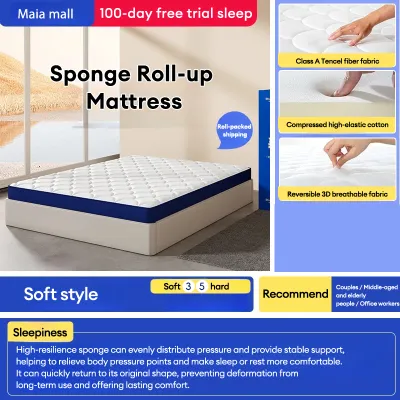
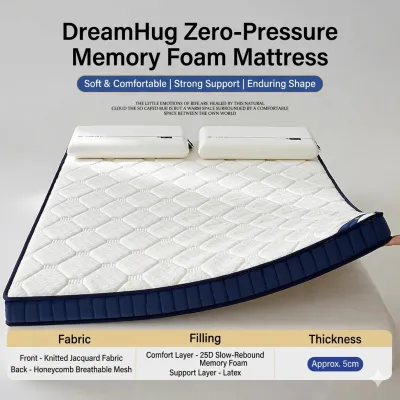

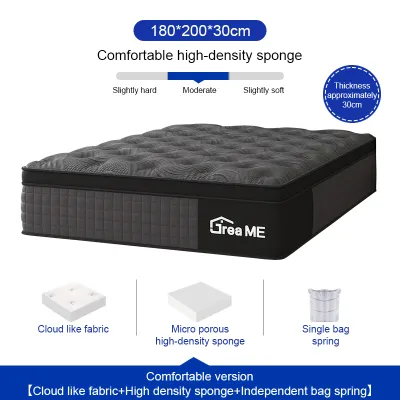
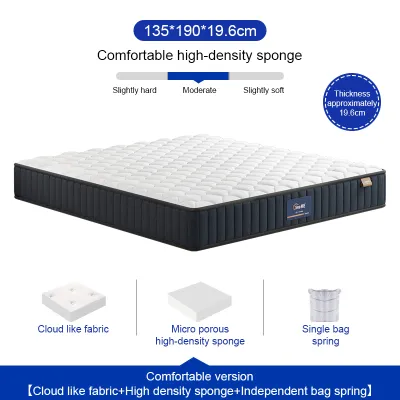
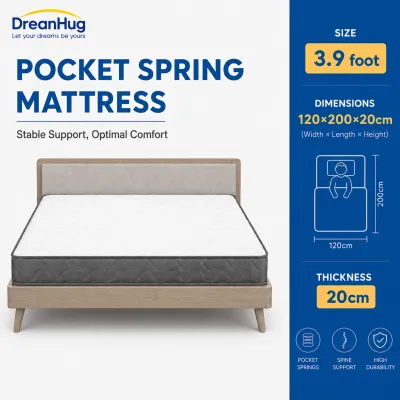
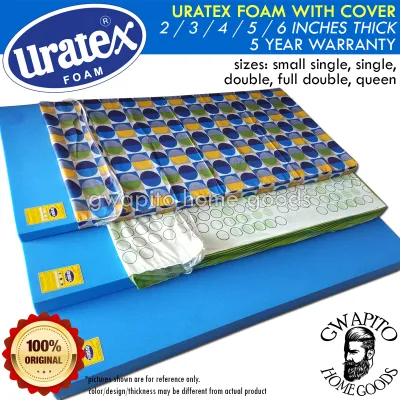
Prices are valid at publication and may change. Please refer to the product page for the latest price.
The physical density of the mattress materials plays a critical role in how heat is retained. High-density foams contain more material mass per cubic foot, which naturally creates a larger thermal mass that stores heat. When body heat warms these dense structures, they retain that energy for longer periods compared to open, low-density structures or hollow coil systems.
Comparing Mattress Materials for Hot and Humid Conditions
To find the most comfortable sleep surface for warm nights, it is helpful to compare latex, memory foam, and innerspring systems across specific structural criteria. We must look at how each material manages airflow, handles moisture, and responds to ambient room temperatures. Each construction method offers a distinct pathway for heat dissipation, meaning your choice will directly affect how cool the bed feels when the air conditioning is off.

By examining the internal architecture of these three common mattress types, you can make an informed decision that aligns with your sleep style. The way these materials are manufactured determines whether they act as a heat sink or a ventilation pathway. Let us look closely at how each material behaves when subjected to consistent body heat and high tropical humidity.
Latex Mattresses: Natural Breathability and Structure
Latex mattresses are highly regarded for their natural breathability, which stems directly from their physical structure. During the manufacturing process, latex foam is typically molded with a grid of vertical pins, creating permanent ventilation channels known as “pinholes.” These pinholes allow air to circulate freely throughout the mattress core, carrying away warm air every time you move.
The material itself features an open-cell molecular structure that does not trap heat in the way synthetic foams often do. Natural latex, derived from the sap of rubber trees, is inherently more breathable than synthetic latex blends, though both types benefit from pinhole ventilation designs. When shopping, it is wise to check the manufacturer’s specifications to verify whether the latex is natural, synthetic, or a hybrid blend, as natural latex also offers natural resistance to mold and dust mites—a major benefit in humid regions.
To ensure optimal cooling, you should also verify the density of the latex layers. While denser latex provides firmer support, it may restrict airflow slightly more than softer, lower-density layers. Checking for certified ventilation features and open-cell claims on the product label will help you confirm that the specific latex mattress you are considering is optimized for airflow rather than heat retention.
Memory Foam: Heat Retention and Cooling Technologies
Traditional memory foam, or viscoelastic foam, is notorious for trapping heat due to its dense, body-hugging nature. As you lie on memory foam, the material responds to your body heat and weight, softening to contour closely to your shape. While this provides excellent pressure relief, it also creates a deep cradle that wraps around your body, restricting airflow across your skin and trapping heat directly beneath you.
To address this inherent limitation, manufacturers often incorporate various cooling modifications into modern memory foam mattresses. When reviewing product labels, look for open-cell memory foam, which features a more porous structure that allows air to pass through more easily than traditional closed-cell foam. You will also find foams infused with gel beads, copper, or graphite, which are designed to conduct heat away from the body, though their real-world effectiveness often depends on the thickness and breathability of the layers above them.
Another critical factor to verify is the cover material surrounding the memory foam. A cooling foam layer can be completely negated if it is wrapped in a thick, tightly woven synthetic cover that blocks air circulation. Look for covers made from moisture-wicking fabrics like bamboo-derived rayon, tencel, or lightweight cotton. These materials help pull sweat away from your body, allowing the cooling technologies within the foam to function more effectively.
Innerspring Mattresses: Airflow and Coil Structures
Innerspring mattresses inherently offer highly effective cooling performance among the three types due to their open internal architecture. The core of an innerspring mattress consists of steel coils, leaving a vast amount of empty space where air can flow completely unobstructed. As you move during the night, the compression and expansion of the coils act like a “bellows,” actively pushing warm air out of the mattress and drawing cooler room air in.
However, the overall temperature regulation of an innerspring mattress is heavily influenced by its comfort layers. Many modern innerspring beds feature thick pillow tops or comfort layers made of foam, fiberfill, or memory foam stitched to the top of the coil system. If these upper layers are dense and non-breathable, they can trap heat right at the surface, preventing your body heat from ever reaching the ventilated coil core.
When evaluating an innerspring mattress for a humid environment, you should also check the coil specifications for long-term durability. High humidity can accelerate the rusting of low-quality steel coils if they are not properly treated or encased. Look for pocketed coils that are individually wrapped in breathable fabric sleeves, and check for rust-resistant coatings or high-tensile wire specifications to ensure the mattress remains supportive and squeak-free over years of humid tropical nights.
Essential Specifications to Verify Before Buying
Before purchasing a queen size bed foam or mattress, relying on general material categories is not enough; you must verify specific technical details on the product tag or manufacturer specification sheet. Start by examining the cover fabric, which is the layer in direct contact with your skin. Avoid heavy polyester or synthetic blends that trap moisture and heat. Instead, look for breathable, moisture-wicking textiles such as organic cotton, linen, or bamboo-derived rayon, which actively assist in evaporative cooling.
Next, pay close attention to the foam density and Indentation Load Deflection (ILD) ratings if you are choosing a foam-based mattress. Foam density is measured in pounds per cubic foot (PCF) or kilograms per cubic meter, and while higher density generally indicates better durability, it also means a denser cell structure that can restrict airflow. ILD measures the firmness of the foam; a lower ILD means a softer foam that contours more deeply, which can increase the surface area of contact with your body and trap more heat. Balancing a medium-firm ILD with an open-cell foam structure is often a highly effective compromise for tropical climates.
You should also look for reputable third-party certifications on the product labels to ensure safety and material quality. Certifications such as CertiPUR-US guarantee that polyurethane foams are made without harmful ozone depleters, heavy metals, or formaldehyde, and have low volatile organic compound (VOC) emissions, which can prevent unpleasant off-gassing odors that are often intensified by heat and humidity. OEKO-TEX Standard 100 certification is another valuable label to look for, ensuring that the textiles used in the cover are free from harmful levels of toxic substances.
Finally, always verify the trial periods, warranty terms, and return policies offered by local retailers. Because a mattress can feel very different in a showroom compared to your actual bedroom on a humid night, a risk-free trial period of at least 30 to 100 nights is highly beneficial. Ensure that the return policy covers shipping or pickup fees and outlines clear conditions for returning or exchanging the mattress if it proves to sleep too hot in your home environment.
Decision Framework: Choosing the Right Mattress for Your Sleep Style
To make your final decision, you must weigh your personal sleep preferences, budget, and thermal needs against the structural characteristics of each mattress type. If your absolute priority is staying as cool as possible on warm nights without relying heavily on air conditioning, an innerspring mattress is an excellent option. The open coil structure provides unmatched ventilation, though you must verify that the comfort layers on top are thin or made of highly breathable materials to avoid trapping heat at the surface.
If you prefer a responsive, contouring feel that supports your body without making you feel stuck, a latex mattress is the ideal choice. Latex offers excellent natural breathability and temperature neutrality, making it highly suitable for tropical climates. When choosing latex, verify that the core features pinhole ventilation channels and check whether the material is natural or synthetic to match your sustainability preferences and budget.
You should choose a memory foam mattress only if you prioritize deep pressure relief and motion isolation above all else, and are willing to carefully verify its cooling features. If you go this route, ensure the mattress utilizes open-cell foam, gel or mineral infusions, and a highly breathable, moisture-wicking cover. Avoid traditional, dense memory foams without these modifications, as they are highly likely to sleep hot in humid conditions.
Regardless of the mattress type you choose, always inspect the overall construction for potential heat traps. A thick, plush pillow top made of synthetic fiberfill can turn even a highly ventilated innerspring mattress into a hot sleep surface. By focusing on open-cell structures, breathable cover fabrics, and verified ventilation features, you can select a queen size bed foam that keeps you cool, dry, and comfortable all night long.
Frequently Asked Questions (FAQ)
Does a mattress topper help cool down a hot memory foam bed?
A mattress topper can help cool down a hot memory foam bed, but only if it is made from highly breathable materials that create a functional buffer zone between your body and the heat-trapping foam below. Toppers made from natural latex with pinhole ventilation or open-cell gel-infused foams can improve airflow and prevent your body from sinking too deeply into the warm memory foam core. However, adding a cheap, dense synthetic foam topper will likely worsen the heat retention, so it is crucial to check the topper’s material specifications, cover fabric, and ventilation design before buying.
How can I maintain my mattress to prevent mold in high humidity?
To prevent mold and mildew in high tropical humidity, you should use a breathable, waterproof mattress protector that shields the core from sweat and spills while allowing air to circulate. Ensure your bedroom is well-ventilated by opening windows during dry periods, using ceiling fans, or running a dehumidifier to keep indoor humidity levels below 60 percent. Additionally, place your mattress on a slatted bed frame rather than a solid platform to allow air to flow underneath, rotate the mattress regularly according to the manufacturer’s instructions, and vacuum the surface periodically to remove dust and moisture-binding organic matter.

Community discussion
Share your experience or ask a question. Comments are reviewed before publication.