
Selecting the perfect king size mattress for a tropical climate requires balancing personal comfort with environmental realities. No single material is universally superior for hot and humid conditions; the ideal choice depends on specific cooling technologies, material density, and airflow designs that you must verify on the product label. In regions with high ambient temperatures and heavy humidity, a mattress must do more than cushion your body—it must actively manage heat retention and moisture buildup to prevent restless nights and premature wear.
Core Criteria for Evaluating Mattresses in Tropical Conditions
Ambient humidity and high temperatures significantly affect sleep quality by disrupting the body’s natural thermoregulation. During sleep, your body temperature needs to drop slightly to facilitate deep, restorative rest. When the surrounding air is warm and saturated with moisture, sweat cannot evaporate efficiently, leading to a sticky, uncomfortable sleeping environment that causes frequent nighttime awakenings.
Beyond sleep disruption, tropical conditions pose a direct threat to mattress longevity. High humidity accelerates the breakdown of internal cushioning materials, particularly low-density foams, leading to premature sagging and loss of support. Furthermore, the combination of body heat, sweat, and environmental moisture creates an ideal breeding ground for mold, mildew, and dust mites within the mattress core.
Products mentioned in this guide
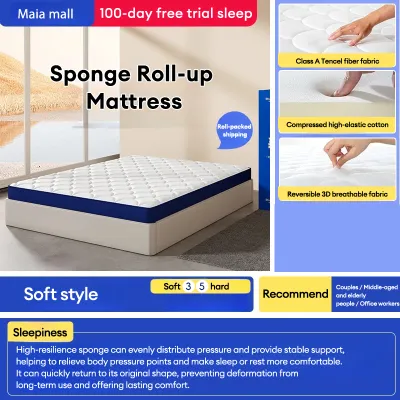
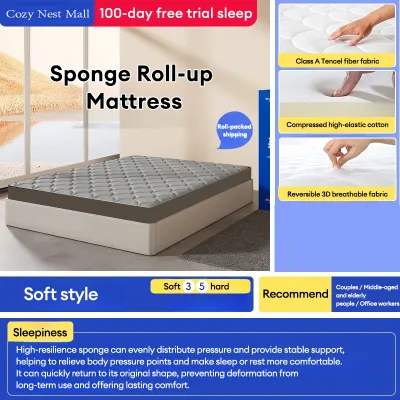
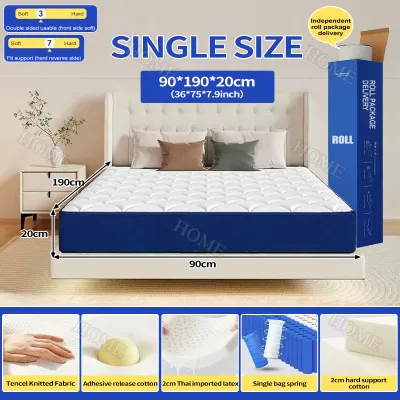
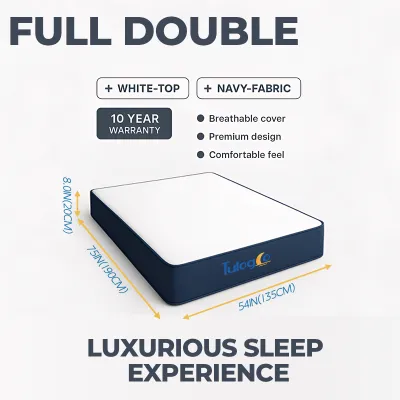
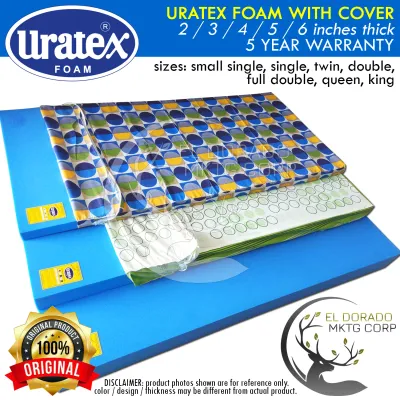
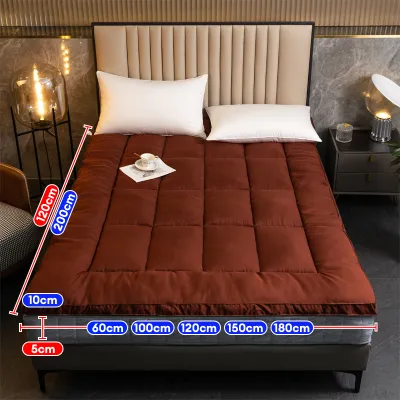
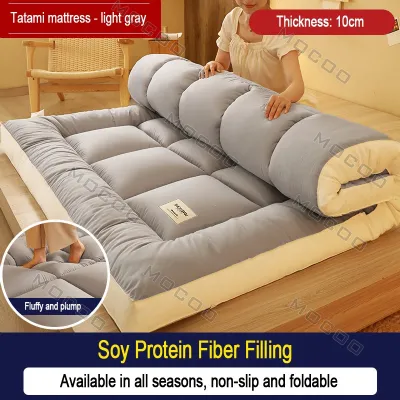
Prices are valid at publication and may change. Please refer to the product page for the latest price.
To combat these environmental challenges, you must look beyond marketing buzzwords and inspect the technical specifications on product labels. Key material properties to verify include open-cell structures in foam layers, which allow air to pass through rather than trapping it. You should also check for gel infusions designed to absorb and dissipate initial body heat, and evaluate the coil gauge and spacing in spring systems to ensure adequate structural support and ventilation.
Finally, always verify the manufacturer’s warranty terms specifically regarding mold, mildew, and sagging in humid climates. Some warranties carry strict clauses that void coverage if the mattress is not paired with a compatible, well-ventilated bed base or if it is kept in an unconditioned room with high humidity. Understanding these terms beforehand helps protect your investment and ensures you maintain the mattress according to the manufacturer’s guidelines.
Latex Mattresses: Breathability and Moisture Resistance
Latex mattresses are highly regarded for their natural breathability, which stems primarily from their manufacturing process. During production, latex is molded with a pin-core structure—a grid of small, vertical channels running through the material. These channels facilitate continuous passive air circulation, allowing heat to escape every time you move or shift positions during the night.

In addition to superior airflow, latex possesses inherent hypoallergenic properties that make it exceptionally well-suited for humid environments. Natural latex is highly resistant to dust mites, mold, and mildew without the need for harsh chemical treatments. This natural resistance helps maintain a hygienic sleeping surface, even during the peak of the rainy season when indoor humidity levels rise significantly.
When shopping for a latex mattress, it is essential to check the density of the core and the composition of the outer cover. High-density latex provides excellent contouring support and durability, but it requires a highly breathable cover to maximize its cooling potential. Look for covers woven from moisture-wicking, natural fibers such as bamboo-derived rayon, organic cotton, or tencel, which help draw sweat away from your skin.
Memory Foam Mattresses: Density, Infusions, and Heat Trapping
Traditional memory foam, or viscoelastic foam, is notorious for trapping body heat, making it a challenging choice for warm climates. Because memory foam relies on your body heat to soften and contour to your physical shape, it naturally absorbs and retains thermal energy. High-density memory foam has a dense, closed-cell structure that restricts airflow, creating a warm envelope around your body as you sleep.
To address these heat-retention issues, modern manufacturers incorporate various cooling modifications into their foam formulations. When evaluating memory foam, look for open-cell structures where the cell walls are intentionally broken to allow air to flow more freely. Additionally, gel-infused foams, copper additives, or graphite particles are often integrated into the top layers to help conduct heat away from the sleeping surface.
However, you should remain cautious of surface-level cooling technologies, such as specialized cool-to-the-touch fabric covers. While these covers provide immediate, temporary relief when you first lie down, they cannot compensate for a dense, unventilated foam core. If the underlying support layers lack adequate breathability, the mattress will eventually heat up over the course of the night once the surface cover reaches thermal equilibrium with your body.
Innerspring and Hybrid Mattresses: Airflow and Structural Support
Innerspring and hybrid mattresses offer a distinct advantage in tropical climates due to their open internal construction. The vast amount of empty space between the steel coils allows for maximum passive air circulation throughout the mattress core. As you move, air is pushed through the coil network, effectively venting heat and moisture out through the sides of the bed.
When choosing a coil-based system, it is important to understand the difference between traditional Bonnell coils and modern pocketed coils. Bonnell coils are interconnected, creating a highly durable and bouncy surface, but they offer limited motion isolation and can transfer movement across a king size bed. Pocketed coils are individually wrapped in fabric sleeves, allowing them to compress independently to isolate motion while providing targeted support and robust edge reinforcement.
To ensure optimal temperature regulation, pay close attention to the thickness and material composition of the top comfort layer. Hybrid mattresses combine a supportive coil base with foam comfort layers on top. If this top comfort layer consists of thick, dense, unmodified memory foam, it can act as a thermal barrier, blocking your body heat from reaching the breathable coil system below and negating the cooling benefits of the spring base.
King Size Dimensions, Weight, and Room Logistics
Upgrading to a king size mattress offers unparalleled personal space, but it requires careful spatial planning. A standard king size mattress in the Philippines typically measures 72 inches wide by 78 inches long (approximately 183 centimeters by 198 centimeters). Before purchasing, measure your bedroom to ensure you have at least 60 to 90 centimeters of clearance on all three open sides of the bed, allowing for comfortable walking paths and room to open wardrobe doors or drawers.
The physical weight of a king size mattress is another critical factor, especially if you select a dense natural latex or a multi-layered hybrid model. These mattresses can be exceptionally heavy and require a sturdy, compatible bed frame that will not sag under the weight. If you use a slatted frame, ensure the slats are made of solid wood or metal and spaced no more than 7 to 10 centimeters apart to provide adequate support while still allowing air to circulate from underneath.
Logistical challenges during delivery are common when handling large king size items. You must measure your home’s entryways, hallway corners, stairwells, and elevator dimensions to ensure the delivery team can safely transport the mattress to your bedroom. If your home has tight corners or narrow staircases, consider purchasing a roll-packed “bed-in-a-box” model that can be easily transported in its compressed state and unboxed directly in your bedroom.
Decision Framework: Matching Material to Your Sleep Profile
To select the ideal mattress material for your home, consider how your sleep habits, physical environment, and budget align with each material’s characteristics.
Choose Latex if:
- You prefer a responsive, buoyant sleeping surface rather than a deep, sinking sensation.
- You prioritize natural, chemical-free materials with inherent resistance to mold and dust mites.
- You are willing to make a larger upfront financial investment in ₱ for a highly durable mattress that maintains its structural integrity for many years.
Choose Memory Foam if:
- You require deep pressure relief for joint pain or prefer a closely contoured, hugging feel.
- You sleep with a partner and require excellent motion isolation to prevent sleep disruptions.
- You run an air conditioner regularly in your bedroom, which helps mitigate the foam's natural tendency to retain heat.
Choose Innerspring or Hybrid if:
- You sleep exceptionally hot and require maximum airflow through the mattress core to stay cool.
- You prefer a traditional, bouncy feel with strong edge support that makes it easier to get in and out of bed.
- You want a balanced sleeping surface that combines the contouring comfort of foam with the breathability of coils.
Verify first if:
- The retailer offers a comprehensive sleep trial period and a clear return or exchange policy, allowing you to test the mattress's heat retention in your actual home environment.
- The product tag displays recognized certifications, such as CertiPUR-US for foam safety or OEKO-TEX for textile purity, ensuring the materials are free from harmful emissions.
To prolong the life of your mattress in a humid climate, establish a consistent maintenance routine. Always use a breathable, waterproof mattress protector to shield the core from sweat and ambient moisture without trapping heat. Rotate the mattress 180 degrees every three to six months to ensure even wear, and keep your bedroom well-ventilated by opening windows on dry days or using a dehumidifier to keep indoor humidity levels below 60 percent.
Frequently Asked Questions (FAQ)
Does a higher price guarantee a cooler mattress?
A higher price tag does not guarantee superior cooling performance. Premium pricing often reflects factors such as luxury fabric finishes, proprietary support technologies, or extended warranty periods rather than active temperature regulation. A moderately priced hybrid mattress with a breathable coil system can sleep significantly cooler than an expensive, high-density memory foam mattress that lacks proper ventilation channels. Focus on verifying the structural design and material breathability on the product label rather than relying on price as an indicator of cooling quality.
How can I prevent mold on my mattress in a humid environment?
To prevent mold growth, never place your mattress directly on the floor, as this traps moisture and restricts airflow underneath the bed. Always use a slatted bed frame with adequate spacing to promote continuous air circulation. Protect your mattress with a breathable, water-resistant protector to block sweat and environmental humidity from penetrating the core. Additionally, maintain good room ventilation by using ceiling fans, running an air conditioner, or utilizing a dehumidifier to keep indoor humidity levels within a safe, dry range.

Community discussion
Share your experience or ask a question. Comments are reviewed before publication.