
Sleeping comfortably in a tropical climate requires a mattress that actively manages both heat and humidity. For a single bed, which is often placed in smaller bedrooms or condo units where airflow might be restricted, choosing the right material is crucial. Innerspring mattresses typically offer the best inherent airflow due to their open structure, while natural latex provides a breathable, responsive alternative that resists heat retention. Traditional memory foam tends to trap body heat, making it less suitable for warm nights unless it features verified open-cell structures, cooling infusions, or specialized covers. Ultimately, finding the right mattress for your space involves balancing these material properties with your personal support needs, room ventilation, and budget.
How Latex, Memory Foam, and Innerspring Handle Heat
To understand how a mattress will perform during a warm, humid night, you must look at how its core materials interact with body heat and allow warmth to dissipate.
Innerspring mattresses excel at temperature regulation because of their open design. The core consists of steel coils surrounded by open space, allowing air to move freely with every movement you make. When you shift on a single bed, warm air is pushed out through the sides, and cooler air is drawn in. This continuous ventilation prevents heat from building up directly beneath your body, making innersprings a highly reliable option for rooms that rely on ceiling fans rather than continuous air conditioning.
Products mentioned in this guide
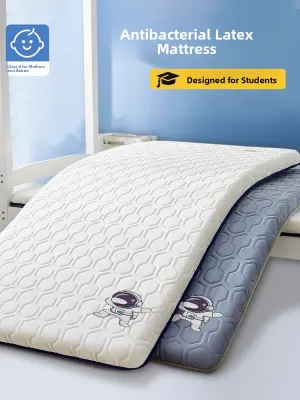
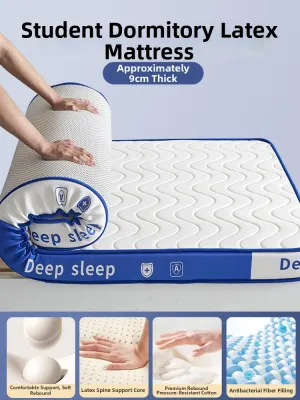
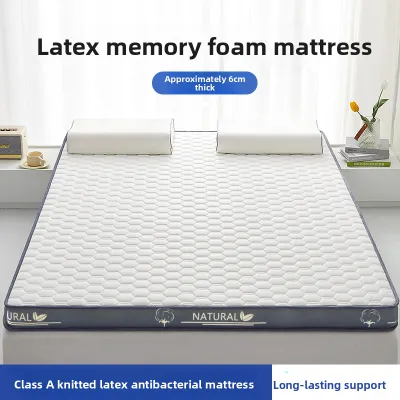
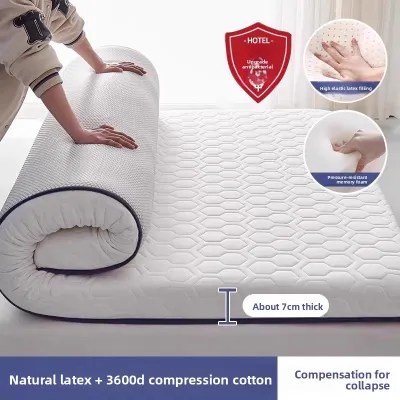
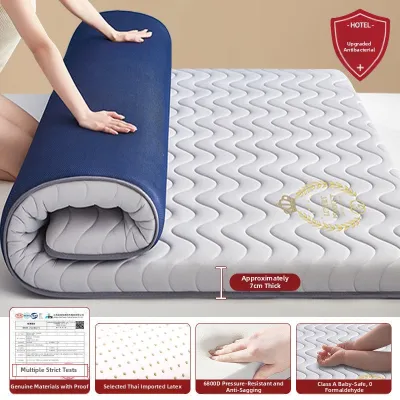
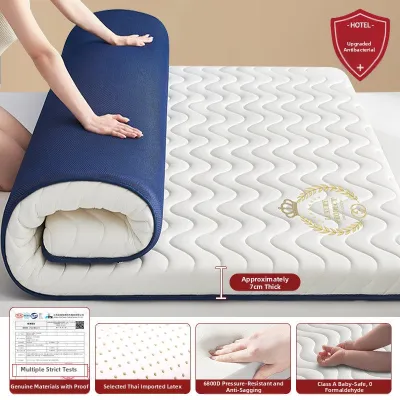
Prices are valid at publication and may change. Please refer to the product page for the latest price.
Latex mattresses offer a different approach to breathability, relying on vertical pinholes created during the molding process to circulate air through the comfort layer. However, the origin of the latex matters significantly. Natural latex, derived from rubber tree sap, is inherently more breathable than synthetic latex blends, which tend to retain more heat. If you are considering a latex single bed, verifying whether the material is natural, synthetic, or a hybrid blend is essential for predicting its thermal performance.
Memory foam, or viscoelastic foam, is historically known for trapping heat because its dense, closed-cell structure contours closely to your body and acts as an insulator. To combat this, modern manufacturers use engineered variants like open-cell memory foam, which features a more porous structure, or gel-infused foams designed to conduct heat away. While these technologies help, they still require a breathable cover and adequate room ventilation to perform effectively in tropical conditions.
Managing Humidity and Longevity in a Tropical Environment
In a tropical climate like that of the Philippines, high humidity can seep into your mattress, leading to structural degradation, mold growth, and hygiene issues over time.

Innerspring mattresses face unique risks in high-humidity environments because the steel coils can rust if moisture penetrates the outer layers. To prevent this, look for coils with protective coatings and ensure your bed frame allows excellent under-bed ventilation. Additionally, the comfort layers surrounding the coils must be breathable; if the outer foam encasement traps moisture, it can compromise both the coils and the overall hygiene of the bed.
Latex is naturally resistant to mold, mildew, and dust mites, which thrive in warm, damp conditions, making natural latex an exceptionally hygienic choice for tropical bedrooms. However, if a latex mattress is placed directly on a solid floor or a non-breathable platform bed in a humid room, moisture can still accumulate at the base. To maximize the lifespan of a latex single bed, it should always be paired with a slatted bed frame that promotes continuous airflow underneath.
Memory foam is highly susceptible to moisture retention, particularly high-density variants. When humidity levels rise, the dense foam structure can absorb ambient moisture, making the mattress feel heavier and softer over time, which can lead to musty odors and allergens. If you choose a memory foam mattress, it is vital to verify that it includes a breathable base layer or specialized moisture-wicking fabric covers. Using a high-quality, breathable waterproof mattress protector is also highly recommended to shield the foam from sweat and humidity.
Matching Support and Comfort to a Single Bed Sleeper
Beyond temperature and humidity control, your mattress must provide the right physical support for your body weight and sleeping style. Because single beds are compact, maximizing the usable sleep surface—including the edges—is critical for overall comfort.
For side sleepers, pressure relief is the primary goal. Memory foam excels in this area, contouring precisely to your body’s curves to distribute weight evenly and relieve pressure points. If you prefer a soft, cradling sensation and sleep primarily on your side, a memory foam mattress with active cooling features can provide the necessary comfort without causing you to overheat.
Combination sleepers, who frequently change positions throughout the night, often find the responsive bounce of latex more comfortable. Latex responds instantly to your movements, allowing you to turn over easily without feeling “stuck” in the mattress. This ease of movement is particularly beneficial on a single bed, where space is limited, and quick adjustments are common. The buoyant support of latex keeps you positioned on top of the mattress rather than sinking into it, which also helps keep your body exposed to ambient air currents for better cooling.
Back and stomach sleepers require firm pushback to keep their spine aligned and prevent their hips from sinking too deeply. Innerspring mattresses, especially those with robust coil systems, provide excellent upward resistance and structural stability. This firm support prevents the lower back from sagging, which can cause morning discomfort. Furthermore, innersprings offer superior edge support compared to all-foam alternatives. On a single bed, strong edge support effectively expands your usable sleeping area, preventing you from feeling like you might roll off the side of the bed.
When selecting a single bed mattress, also consider the practical logistics of your living space. Before purchasing, verify the finished dimensions of the mattress to ensure it fits your bed frame and leaves enough available space in your room. If you live in a high-rise condo or apartment, check the doorway and lift access dimensions to ensure the mattress can be easily delivered and installed without damage. Additionally, verify the load capacity and stability of your bed frame, as a heavy latex or high-density foam mattress requires a sturdy, well-assembled base to prevent sagging and ensure safety.
Essential Specifications to Verify Before Purchase
When shopping for a single bed mattress, manufacturer marketing terms can be confusing. To ensure you are getting a mattress that will perform well in a tropical climate, you should look past the promotional claims and verify specific technical details on the product label or specification sheet.
First, examine the cover materials. Look for covers made from natural, moisture-wicking fibers such as organic cotton, bamboo-derived rayon, or Tencel, which excel at absorbing sweat and allowing it to evaporate quickly. Some high-tech mattresses feature phase-change materials (PCM) in the cover to actively regulate surface temperature. Avoid synthetic polyester covers that lack ventilation channels, as they will trap heat regardless of the mattress core.
Second, check the foam metrics. For memory foam, look for density ratings; higher density offers better durability but can retain more heat unless paired with open-cell technology or gel infusions. For latex, verify the Indentation Load Deflection (ILD) rating, which indicates firmness. Additionally, look for independent safety certifications such as CertiPUR-US or OEKO-TEX to verify that the materials are free from harmful chemicals and have low volatile organic compound (VOC) emissions.
Third, analyze the coil specifications. A lower coil gauge indicates thicker, firmer coils, while a higher gauge is thinner and more contouring. Pocketed coils are individually wrapped in fabric sleeves to compress independently for better motion isolation. Bonnell coils are interconnected, offering a highly durable, traditional bouncy feel with maximum open space for airflow.
Finally, read the warranty conditions carefully. A reliable warranty should cover sagging depth under normal use. In humid climates, pay close attention to clauses regarding mold, mildew, or moisture-related damage. Many manufacturers void warranties if the mattress is not supported by an approved bed frame or shows signs of moisture accumulation. Ensure your planned bed base meets the manufacturer’s requirements to keep your warranty valid.
Making Your Final Mattress Decision
Choosing the right single bed mattress for a tropical climate involves matching your personal comfort preferences with your bedroom’s environmental conditions to ensure restful, cool sleep.
Choose an innerspring mattress if your primary goal is maximum airflow and you prefer a traditional, bouncy feel with strong edge support. This option is highly suitable for rooms that rely on fans, as the open coil system prevents heat buildup.
Choose a latex mattress if you prioritize natural, eco-friendly materials, long-term durability, and a responsive, buoyant support profile. Natural latex offers excellent inherent breathability and resistance to mold, making it a highly hygienic choice for humid environments when paired with a slatted frame.
Choose a memory foam mattress if you require deep pressure relief for side sleeping, provided you verify that the model incorporates active cooling technologies like open-cell structures, gel infusions, and a highly breathable cover.
Before purchasing, evaluate your bedroom’s environment. If your room lacks consistent air conditioning, prioritize highly breathable, moisture-resistant materials like innersprings or natural latex, and always elevate your single bed on a slatted frame to prevent moisture from gathering underneath.
Frequently Asked Questions (FAQ)
Does a mattress topper improve cooling on a single foam bed?
A cooling mattress topper can provide temporary surface relief, but it cannot fix a fundamentally hot mattress core. If your single foam bed has a dense, heat-trapping core, a thin gel-infused or latex topper will only create a minor barrier. For a topper to be effective, it should be at least two to three inches thick and made of highly breathable materials like natural latex. However, if the underlying mattress lacks ventilation, moisture and heat will still accumulate over time.
How often should I air out my mattress in a humid climate?
In a highly humid tropical climate, you should air out your mattress at least once every three to six months to prevent moisture buildup. Strip all bedding and position the mattress near a window with indirect sunlight and good cross-ventilation for several hours. Avoid placing latex in direct sunlight, as UV rays degrade natural rubber. If your bedroom feels consistently damp, using a household dehumidifier or running your air conditioner on the ‘dry’ mode can help extract deep-seated moisture.

Community discussion
Share your experience or ask a question. Comments are reviewed before publication.