
In the tropical climate of the Philippines, where high humidity and warm nighttime temperatures are a year-round reality, choosing the right bedding is essential for a comfortable night’s sleep. A thick mattress topper can instantly transform a stiff or aging bed, but adding several inches of dense material to your sleep setup also introduces a major challenge: heat retention. Without proper ventilation, a topper can act as a thermal insulator, trapping your body heat and leaving you waking up hot and uncomfortable.
To find a topper that keeps you cool, you must look beyond generic marketing claims and examine the physical properties of the materials. Latex, memory foam, and innerspring or micro-coil toppers all interact with heat and airflow in fundamentally different ways. Understanding these structural differences allows you to make an informed decision that balances plush comfort with reliable heat dissipation.
Understanding How Topper Structure Affects Nighttime Cooling
When evaluating a thick mattress topper, thickness itself is a primary factor in heat retention. A thicker profile means your body sinks deeper into the material, increasing the surface area of your body that is in direct contact with the topper. This deep contouring naturally restricts the ambient airflow around your skin, creating a microclimate that traps body heat. If the core material lacks a pathway for this heat to escape, the topper will inevitably warm up over the course of the night.
Products mentioned in this guide
Prices are valid at publication and may change. Please refer to the product page for the latest price.
Material density and cover construction also play critical roles in managing humidity. In highly humid environments, moisture-wicking capabilities are just as important as airflow. A dense, solid core material with a tightly woven synthetic cover will trap both heat and sweat, leading to a clammy, uncomfortable sleeping surface. Conversely, a topper with an open physical structure allows air to circulate freely, helping to evaporate moisture and lower the humidity level directly beneath your sheets.
Because of these physical dynamics, generic “cooling” labels on packaging require careful verification. Many manufacturers use surface-level treatments or chemical additives that feel cool to the touch in an air-conditioned showroom but lose their effectiveness after an hour of continuous body contact. To ensure long-term cooling performance, you must evaluate the actual physical structure of the topper core and the breathability of its outer cover.
Evaluating Latex Toppers for Structural Breathability
Latex is widely regarded as one of the most breathable solid materials used in bedding, primarily due to its manufacturing process. During production, latex toppers are molded with a grid of vertical pinholes that run through the entire thickness of the material. These visible pinholes create natural ventilation channels, allowing air to pump in and out of the topper as you move during the night. This structural design prevents heat from becoming trapped in the center of the core.

When shopping for a latex topper, you will encounter differences between natural latex and synthetic blends. Natural latex, harvested from rubber tree sap, inherently features a more open cellular structure than petroleum-based synthetic alternatives. While synthetic blends can still offer decent airflow if they feature the same pinhole design, natural latex generally retains less heat over hours of continuous use. Additionally, natural latex is highly resilient, meaning you sit on top of the material rather than sinking deeply into it, which keeps more of your body exposed to ambient air.
To maximize the cooling benefits of a latex core, you must also inspect the cover fabric. A highly breathable latex core can be completely insulated if it is wrapped in a dense, synthetic polyester cover. Look for covers made from natural, moisture-wicking fibers such as cotton, bamboo-derived rayon, or Tencel. These fabrics work in tandem with the latex core to pull sweat away from your skin and allow the air moving through the pinholes to evaporate it efficiently.
Assessing Memory Foam Toppers for Heat Retention Risks
Traditional memory foam is notorious for trapping heat, a direct result of its viscoelastic structure. This material is highly dense and responds to both weight and body heat to contour precisely to your shape. While this provides excellent pressure relief, it also means you sink deeply into the foam, creating a tight cradle that blocks lateral airflow. Because traditional memory foam has a closed-cell structure, heat has no clear pathway to escape, causing the material to warm up and stay warm.
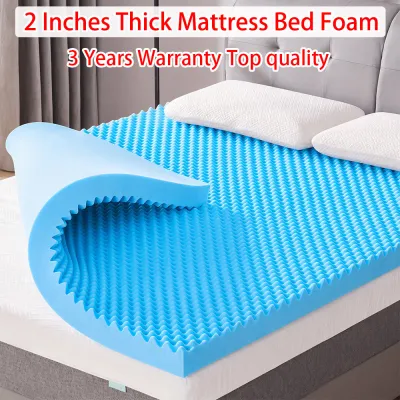
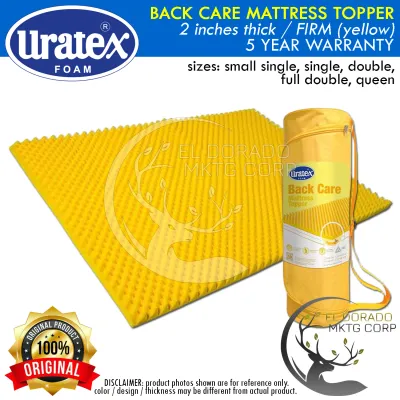
To address this inherent limitation, manufacturers introduce various structural modifications designed to improve ventilation. Open-cell memory foam is formulated to leave the microscopic cell walls broken or interconnected, allowing air to pass through the foam under pressure. Another common modification is a convoluted or “egg-crate” surface design, which creates open air channels directly beneath the cover fabric to encourage lateral airflow. Some toppers also feature phase-change materials or specialized covers designed to absorb and release heat dynamically.
While these modifications help mitigate heat retention, they have physical limits. Gel infusions, for example, can provide a temporary cooling sensation when you first lie down, but once the gel reaches thermal equilibrium with your body, the underlying foam’s density will dictate how much heat is retained. When evaluating a modified memory foam topper, check whether the modifications alter the core density or if they are merely surface-level treatments. A lower-density open-cell foam will generally sleep cooler than a highly dense, traditional viscoelastic foam.
Checking Innerspring and Micro-Coil Toppers for Airflow
Innerspring and micro-coil mattress toppers represent a different approach to temperature regulation. While solid foam and latex blocks rely on microscopic pores or molded pinholes for ventilation, spring-based toppers feature a core that is mostly empty space. This open structural design allows for maximum cross-ventilation, as air can move freely in all directions through the coil layer, preventing heat from building up in the center of the topper.
It is important to distinguish between traditional, heavy innerspring toppers—which are relatively rare—and modern micro-coil or hybrid toppers. Micro-coil toppers utilize miniature, individually pocketed springs that provide responsive support while maintaining a highly breathable core. Because these coils are thin and flexible, they offer the contouring benefits of foam without the associated heat-trapping risks, making them an excellent option for hot sleepers who prefer a buoyant feel.
However, the cooling performance of a micro-coil topper depends heavily on its comfort layers. Most spring-based toppers are wrapped in foam encasements or topped with plush pillow-top layers to prevent you from feeling the metal coils. If these comfort layers are too thick, dense, or made of traditional, unmodified memory foam, they can create a barrier that blocks your body heat from reaching the ventilated coil core. Always check the thickness and material composition of the layers surrounding the coils to ensure they do not negate the airflow benefits.
Verifiable Cooling Specifications to Check on the Label
Before purchasing a thick mattress topper, you should carefully review the product specifications on the label rather than relying on promotional slogans. Start by checking the cover fabric composition. Prioritize covers made from breathable, moisture-wicking fibers such as Tencel, bamboo-derived rayon, or organic cotton. Avoid covers that contain high percentages of standard polyester or nylon without specialized cooling weaves, as these synthetic materials tend to trap humidity and sweat.
Next, look for specific metrics regarding foam density and structure. For memory foam, look for explicit mentions of “open-cell” construction or convoluted designs. For latex, verify if the product is certified natural or if it uses a Dunlop or Talalay manufacturing process that includes molded ventilation holes. If you are considering a micro-coil topper, check the coil count and the thickness of the surrounding comfort layers to ensure the spring core is not buried beneath dense, unventilated foam.
Finally, because personal heat tolerance and bedroom environments vary greatly, prioritize products that offer clear return policies or sleep trials. A topper that feels comfortable in a cool, air-conditioned store may perform differently in a bedroom that relies on an electric fan and natural ventilation. A sleep trial allows you to test the topper’s heat dissipation and moisture-wicking capabilities under your actual sleeping conditions before making a permanent commitment.
Decision Framework: Matching Topper Materials to Your Sleep Profile
To choose the right topper material for your needs, consider your specific sleep preferences, your bedroom’s ventilation, and how your body responds to heat. Each material offers a distinct balance of support, contouring, and thermal performance:
- Choose Latex if you want a highly breathable, resilient surface that keeps you lifted on top of the bed. This material is ideal for sleepers who move frequently, prefer natural materials, and need consistent, structural airflow to combat high humidity.
- Choose Modified Memory Foam if you require deep pressure relief for joint pain but still want to minimize heat trapping. Ensure you select a model with verifiable open-cell structures, convoluted designs, or a highly breathable cover to offset the foam's natural tendency to retain heat.
- Choose Micro-Coil or Hybrid Toppers if your absolute priority is maximum airflow and you prefer a buoyant, traditional spring feel. This option is excellent for those who want a thick topper that will not sink or create a warm, body-conforming pocket.
Before finalizing your choice, evaluate your current mattress. If your base bed is already made of highly dense, heat-trapping foam, a thick topper can improve surface airflow but may not completely solve the underlying heat retention of the mattress itself. Ensure your entire sleep system—including your mattress protector, sheets, and topper—is designed to work together to promote ventilation and keep you cool throughout the night.
Frequently Asked Questions (FAQ)
Does a thicker mattress topper always sleep hotter?
Generally, a thicker mattress topper has a higher potential to trap heat because it allows your body to sink deeper into the material. This deep sinkage cradles your body, reducing the surface area exposed to ambient air and restricting lateral airflow. However, the topper’s physical structure can offset this effect. A thick topper made with highly ventilated micro-coils or open-cell latex with molded pinholes will still sleep significantly cooler than a thinner, solid block of traditional high-density memory foam.
Can a cooling mattress cover improve a hot memory foam topper?
A breathable, moisture-wicking mattress cover can noticeably improve surface comfort by helping to evaporate sweat and preventing moisture from building up against your skin. However, a cover cannot alter the core physical properties of the underlying material. If you place a cooling cover over a dense, closed-cell memory foam topper, the core of the topper will still retain heat over time. While a high-quality cover is a helpful addition, it should be paired with a structurally breathable topper core for the best cooling performance.

Community discussion
Share your experience or ask a question. Comments are reviewed before publication.