
Choosing the right foam for a folding bed is a balance between sleeping comfort, ease of storage, and how well the material handles repeated folding. For a temporary or space-saving sleeping arrangement, the choice between latex, memory foam, and regular polyurethane foam determines not only how supportive the bed feels but also how long it will last under constant folding stress. While regular polyurethane foam is lightweight and highly practical for quick storage, memory foam offers deep pressure relief but tends to retain heat. Latex provides a highly responsive, durable, and breathable alternative, though it comes with a heavier weight and a higher price tag. Understanding these material characteristics is essential to selecting a folding bed that suits your sleeping preferences and your home’s storage space.
Material Breakdown: Comfort, Support, and Folding Mechanics
Regular polyurethane foam, commonly found in a standard Uratex folding bed with foam, is the most widely used material for portable bedding. This material is exceptionally lightweight, making it easy to fold, lift, and store in a closet or behind a door. It provides a basic, firm level of support that works well for temporary guests or quick afternoon naps. Because of its simple cellular structure, regular foam compresses easily and returns to its original shape without resisting the folding mechanism of the bed frame. However, it lacks the deep contouring properties of more advanced materials, meaning it may not offer enough pressure relief for long-term daily use.
Memory foam, or viscoelastic foam, is known for its ability to contour closely to the body in response to heat and pressure. When used in a folding bed, it provides excellent joint pressure relief, making it a popular choice for those who experience back or shoulder discomfort. However, memory foam has a slower response time, meaning it takes longer to regain its shape after pressure is removed. This slow recovery can present challenges when folding the bed. If the memory foam layer is too thick, it can resist being folded, crease permanently along the fold lines, or put excessive strain on the bed’s hinges and frame.
Products mentioned in this guide
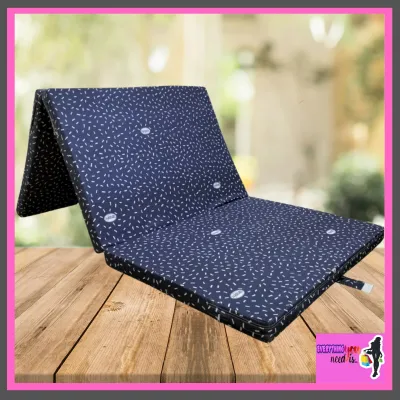

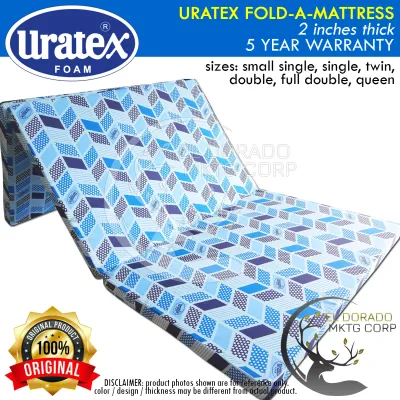
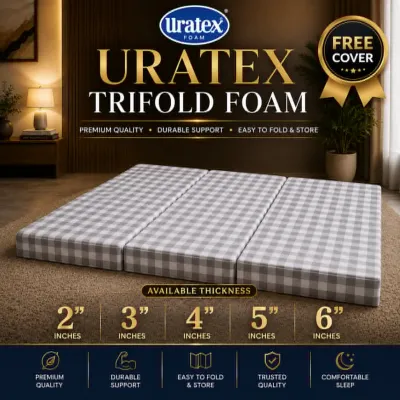

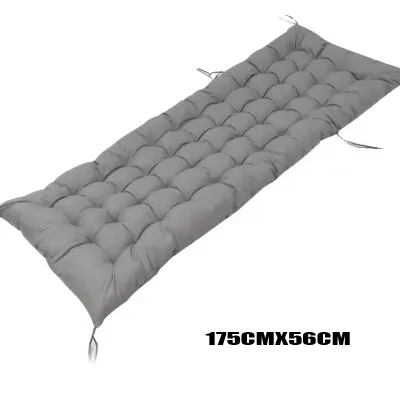
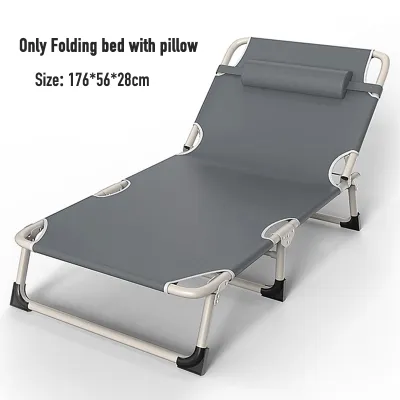
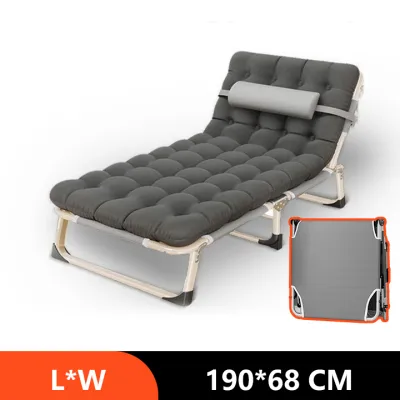
Prices are valid at publication and may change. Please refer to the product page for the latest price.
Latex foam offers a highly responsive, bouncy feel that stands in contrast to the sinking sensation of memory foam. It supports the body by pushing back against weight, keeping the sleeper positioned on top of the mattress rather than cradled within it. This responsiveness makes it easy to move around and change sleeping positions. However, latex is significantly heavier than both regular and memory foam. This added weight can make folding and transporting the bed more physically demanding. Additionally, because latex is highly elastic, folding it tightly can cause internal tearing if the mattress is not specifically designed with flexible zones or folding segments.
Heat Retention and Breathability in Tropical Climates
In a tropical climate like the Philippines, where high temperatures and humidity are constant factors, heat retention is a critical consideration for any mattress. Memory foam is notorious for trapping body heat because its dense, closed-cell structure restricts airflow. As the material absorbs body heat to contour to your shape, it can create a warm sleeping surface that feels uncomfortable in non-air-conditioned rooms. If you prefer memory foam, it is important to check the manufacturer’s specifications for cooling features, such as gel infusions, open-cell formulations, or specialized breathable covers designed to dissipate heat.

Latex foam is naturally much more breathable than memory foam. Natural latex has an open-cell structure that allows air to circulate more freely, and most latex mattresses are manufactured with built-in pin core airflow channels. These vertical holes are created during the molding process and serve as natural ventilation pathways, helping to channel heat away from the body. This makes latex an excellent option for warm tropical nights, as it helps maintain a neutral sleeping temperature even without continuous air conditioning.
Regular polyurethane foam falls somewhere in the middle regarding temperature regulation. While it does not have the advanced cooling channels of latex, its lower density means it generally traps less heat than standard memory foam. However, the overall breathability of a regular foam folding bed often depends heavily on the cover fabric. Choosing a folding bed with a breathable, removable, and washable cover—such as those made from cotton or moisture-wicking synthetic blends—is essential for managing sweat and maintaining a cool, hygienic sleeping surface in humid conditions.
Durability, Maintenance, and Long-Term Value
The durability of a folding bed is constantly tested by the physical act of folding, unfolding, and storing. Regular polyurethane foam is prone to sagging and permanent indentation over time, especially if it is a lower-density grade subjected to daily use. Repeated folding can weaken the cellular structure along the crease lines, leading to soft spots where the body’s heaviest areas rest. To maximize the lifespan of a regular foam folding bed, it is wise to check the density rating of the foam and opt for high-density options that offer better resilience against compression.
Memory foam also faces durability challenges when used in a folding format. If stored in a folded position for extended periods, the foam along the creases can experience permanent compression, preventing the mattress from laying completely flat when unfolded. This can create uncomfortable ridges or dips that disrupt sleep. Furthermore, memory foam is sensitive to temperature; in high humidity, the material can soften, making it even more susceptible to deep, lasting body impressions if not rotated regularly.
Latex foam is highly resilient and naturally resistant to permanent body impressions, making it the most durable of the three options. It can withstand years of compression and folding without losing its supportive qualities or developing permanent creases. However, the high humidity of tropical environments presents a shared challenge for all foam types: the risk of mold, mildew, and dust mite infestation. To protect your investment, it is crucial to keep the folding bed dry. Avoid storing the bed directly on concrete floors where moisture can seep in, and ensure the storage area is well-ventilated. Regularly airing out the mattress in a shaded, breezy area can help prevent moisture buildup and prolong the life of the foam.
Decision Framework: Matching the Foam to Your Needs
Selecting the right folding bed requires matching the material properties to your specific living situation, budget, and comfort needs. If your primary goal is to have a lightweight, budget-friendly guest bed for occasional sleepovers or quick afternoon rests, a regular polyurethane foam mattress is the most practical choice. It is easy to handle, simple to store, and highly affordable, making it a staple in many Filipino households where space and budget are key considerations.
If you prioritize joint pressure relief, suffer from body aches, and primarily sleep in an air-conditioned room, a memory foam folding bed is highly suitable. The contouring support will help alleviate pressure points, while the air conditioning will counteract the material’s natural tendency to trap heat. Just ensure that the memory foam layer is thin enough to fold easily without damaging the frame.
For those who plan to use the folding bed frequently, prefer a cooler and more responsive sleeping surface, and have a higher budget, a latex foam folding bed is the ideal investment. Its superior durability, natural breathability, and robust support justify the higher upfront cost, providing a comfortable sleep experience that lasts for years.
Before making your final purchase, always verify the manufacturer’s specifications. Check the exact foam density to ensure long-term support, measure the mattress thickness to confirm it fits your storage space, and inspect the folding mechanism to ensure it can handle the weight and flexibility of your chosen foam type.
Frequently Asked Questions (FAQ)
Can I use a standard mattress topper on a folding bed?
Adding a standard mattress topper to a folding bed can improve comfort, but it introduces practical storage challenges. A thick topper can easily slide, bunch up, or shift when the bed is folded, making it difficult to close the frame properly. Additionally, folding a bed with a topper still attached can put immense strain on the hinges, frame, and the topper itself, potentially causing permanent creases or tearing. If you decide to use a topper, it is best to store it separately when the bed is folded. Always check the clearance of your folding bed frame’s hinges and locking mechanisms to ensure that any added thickness does not damage the structure.
How do I clean and store a foam folding bed in a humid climate?
To clean a foam folding bed in a humid climate, avoid soaking the foam with water, as deep moisture is incredibly difficult to dry and can lead to mold growth. Instead, use a vacuum with an upholstery attachment to remove dust and allergens. For spot cleaning, use a damp cloth with a mild, diluted detergent, and blot the area gently without saturating the foam. To store the bed safely, always ensure it is completely dry before folding it away. Use a breathable, zippered storage cover to protect it from dust and pests while allowing air circulation. Store the bed in a dry, elevated spot off the floor, and avoid tight, unventilated closets where humidity can accumulate.
Is a thicker foam always better for a folding bed?
While a thicker mattress generally suggests more comfort, excessive thickness can be counterproductive for a folding bed. A mattress that is too thick can prevent the bed frame from folding completely, strain the locking clips, or damage the hinges. It can also cause the foam to crease permanently along the fold lines, ruining the flat sleeping surface. For most folding beds, a foam thickness of two to four inches strikes the ideal balance between body support and folding flexibility. Always check the manufacturer’s recommended maximum mattress thickness for your specific bed frame before upgrading to a thicker foam option.

Community discussion
Share your experience or ask a question. Comments are reviewed before publication.