
Selecting the right bed topper in the Philippines requires balancing personal comfort with the realities of a tropical climate. When nights are consistently warm and humid, your bedding must do more than provide a soft surface; it must actively manage heat and moisture. While there is no single best material for every sleeper, latex generally excels in natural ventilation, memory foam offers unmatched pressure relief but requires active cooling technologies, and micro-coil spring toppers provide the highest level of structural airflow. To make an informed choice, you must evaluate how these materials handle heat dissipation, physical support, and long-term moisture maintenance under high-humidity conditions.
Heat Retention and Breathability in Tropical Weather
The structural design of a bed topper directly influences how much body heat it traps during the night. Latex toppers are naturally highly breathable due to their open-cell physical structure. During manufacturing, these toppers are typically molded with vertical pin core holes that allow air to circulate freely. When shopping, it is important to check the product label to verify whether the latex is natural, synthetic, or a blend. Natural latex tends to retain less heat than synthetic alternatives, making it a reliable option for rooms cooled only by electric fans.
Memory foam, by contrast, is known for its dense, viscoelastic structure. This density allows the material to contour closely to your body, but it also restricts airflow and tends to trap body heat. To counter this heat-retaining property in tropical climates, manufacturers often incorporate cooling additives. When reviewing product specifications, look for open-cell memory foam formulations, gel-infused layers, or copper-infused designs intended to conduct heat away from the body. Keep in mind that these infusions modify heat transfer but do not completely alter the dense nature of the foam, so verifying the presence of a breathable outer cover is equally essential.
Products mentioned in this guide
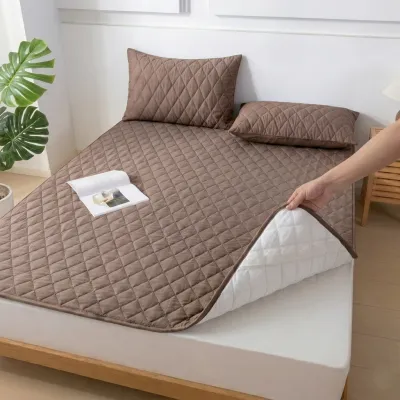
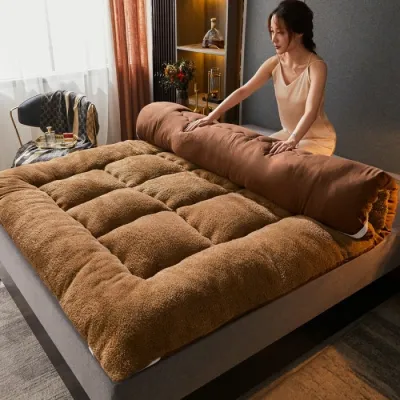
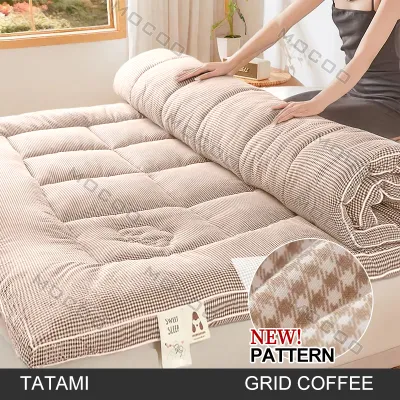
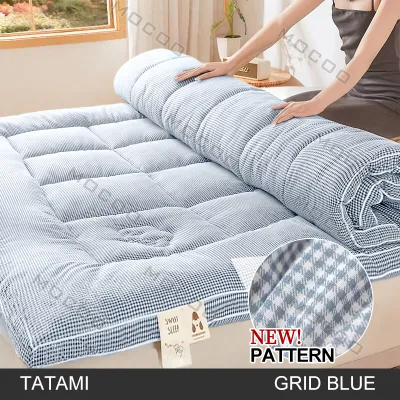
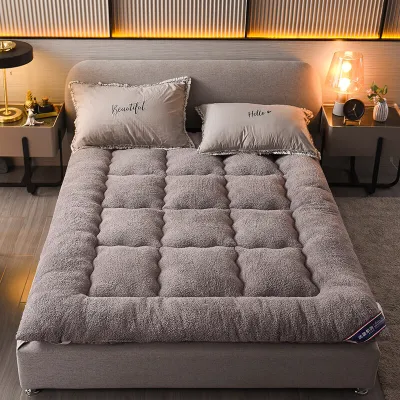
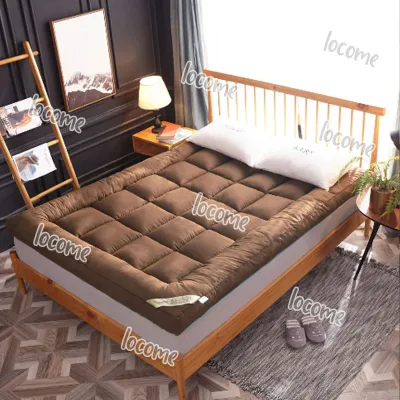
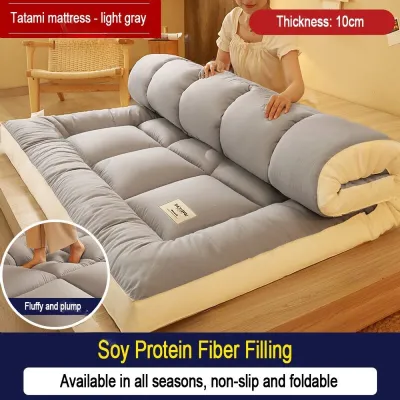
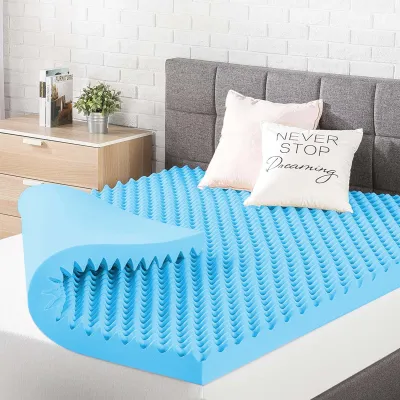
Prices are valid at publication and may change. Please refer to the product page for the latest price.
Spring or micro-coil bed toppers offer a completely different approach to temperature regulation. Because they consist of miniature metal coils wrapped in fabric pockets, the interior of the topper is mostly open air. This design provides inherent air gaps that allow heat to escape easily with every movement. When evaluating a spring topper, check the coil count and wire gauge listed by the manufacturer. A higher coil count generally indicates more individual support points, while the open space between those coils ensures that moisture and warm air do not remain trapped beneath your body.
Regardless of the core material, the outer fabric of the topper plays a critical role in heat dissipation. Always check the manufacturer’s specifications for the cover material. Look for breathable fabric blends such as bamboo-derived rayon, tencel, or organic cotton, which help wick away sweat. Some advanced toppers feature phase-change materials designed to absorb and release heat, which can be highly beneficial during the peak of the dry season.
Support, Pressure Relief, and Overall Feel
The physical feel of a bed topper determines how well it aligns your spine and relieves pressure points. Latex provides a highly responsive, buoyant feel. Instead of sinking deeply into the material, you sleep “on top” of a latex topper, which makes it easy to turn over during the night. To determine the firmness of a latex topper, look for the Indentation Load Deflection (ILD) rating on the product specifications. A lower ILD (around 14 to 19) indicates a plush feel, while a higher ILD (above 30) offers firm, resilient support that prevents your body from sinking into the warm base mattress.

Memory foam delivers a distinct “cradling” sensation, offering deep contouring and excellent pressure relief for shoulders and hips. Because it responds to body heat and weight, it molds precisely to your shape, distributing your weight evenly. However, this close contouring results in a slower response time, which can make you feel “stuck” in the bed. This restricted movement can sometimes increase the sensation of warmth, as you remain in close contact with the same section of foam. If you prefer this pressure-relieving feel, look for high-density memory foam (typically 4 to 5 pounds per cubic foot) to ensure adequate support without bottoming out.
Spring bed toppers provide a bouncy, traditional mattress feel with targeted, active support. The micro-coils compress individually under your weight, offering localized pressure relief without the deep, heat-trapping sink of foam. This makes spring toppers an excellent option for sleepers who want to add a layer of responsive comfort to a mattress that feels too stiff. Because they do not contour as deeply as memory foam, they maintain a neutral sleeping posture while keeping your body elevated, which naturally aids in keeping you cool.
Before making a purchase, verify the thickness of the topper. Most toppers range from 2 to 4 inches in thickness. A 2-inch topper is ideal for making minor adjustments to a mattress that is slightly too firm, while a 3-inch or 4-inch topper will significantly alter the overall feel of your bed. Ensure that the density and thickness match your body weight; heavier sleepers generally require thicker, denser toppers to prevent sinking completely through the topper and hitting the hard mattress underneath.
Durability and Care in High-Humidity Environments
The high humidity levels characteristic of the Philippine climate can accelerate the degradation of bedding materials if they are not properly maintained. Latex is naturally resistant to dust mites, mold, and mildew, making it highly suitable for humid environments. However, natural latex is sensitive to ultraviolet light and moisture accumulation. To care for a latex topper, ensure it is placed in a well-ventilated room. Never expose natural latex to direct sunlight, as UV rays will cause the material to oxidize, dry out, and crumble over time.
Memory foam is highly susceptible to moisture retention from both ambient humidity and body sweat. When moisture penetrates deep into the foam core, it can lead to the development of musty odors, mold, and a rapid breakdown of the foam’s supportive structure. To protect a memory foam topper, always use a breathable, water-resistant protector. Regularly air out the topper by removing the sheets and letting it sit in an air-conditioned room or near a dehumidifier. Avoid spilling liquids on memory foam, as it is incredibly difficult to dry once wet.
Spring bed toppers carry a unique risk of metal oxidation due to the high moisture content in tropical air. Over time, humidity can cause internal steel coils to rust, leading to squeaking sounds and structural failure. When choosing a spring topper, verify if the manufacturer uses rust-resistant or pocketed coils with protective coatings. Ensure that the topper is kept in dry conditions and never stored in damp, unventilated closets during the rainy season.
To maximize the lifespan of any bed topper, always adhere to the manufacturer’s specific cleaning, washing, and warranty guidelines. Many toppers come with removable, machine-washable covers, which should be cleaned regularly to remove sweat and skin cells. Never machine wash or tumble dry the actual foam or latex core, as the mechanical agitation and heat will permanently damage the materials.
Material Comparison Matrix
When comparing these three materials, looking at their structural characteristics side-by-side can help clarify which option aligns with your bedroom environment and sleeping habits.
| Material | Heat Dissipation Profile | Feel and Response | Humidity Care Requirements | Ideal Sleeper Profile |
|---|---|---|---|---|
| Latex | High airflow via open-cell structure and pinholes; low heat retention. | Buoyant, highly responsive, moderate contouring. | Keep away from direct sunlight; ensure room ventilation. | Hot sleepers who prefer a bouncy, supportive feel. |
| Memory Foam | Tends to trap heat; relies on gel/copper infusions and open-cell specs. | Deep contouring, slow response, high pressure relief. | Requires breathable protector; regular airing to prevent moisture buildup. | Sleepers seeking pressure relief who manage room humidity. |
| Spring (Micro-coil) | Excellent ventilation through large internal air gaps between coils. | Bouncy, traditional feel, active targeted support. | Protect from high moisture to prevent coil oxidation. | Exceptionally hot sleepers wanting a traditional, responsive bed. |
Decision Framework: Which Bed Topper Should You Choose?
To finalize your decision, evaluate your specific sleeping conditions, budget, and physical bed setup.
Choose a latex bed topper if you want a highly durable, responsive surface that naturally resists mold and dust mites. It is an excellent choice if you sleep hot but dislike the sinking sensation of foam, and prefer a material that allows you to move freely. Be sure to verify the natural latex content on the label to ensure you are getting the expected breathability.
Choose a memory foam bed topper if your primary goal is to alleviate joint pain, reduce motion transfer from a partner, and enjoy a cradled sensation. If you select this material, ensure your bedroom has adequate climate control, such as air conditioning or a dehumidifier, and commit to using a high-quality, breathable protector to manage moisture.
Choose a spring bed topper if you experience extreme heat during the night and require maximum airflow through your bedding. This option is ideal if you want to soften a firm mattress while retaining a traditional, bouncy feel and active support.
Before purchasing any bed topper, verify the condition of your base mattress. A bed topper is designed to alter the surface comfort of a mattress, not to fix structural failures. If your current mattress is severely sagging, dipping in the center, or has broken springs, adding a topper will not resolve the issue; the topper will simply conform to the existing sag.
Finally, check the physical compatibility of the topper with your bed frame and bedding. Measure the finished dimensions of your mattress and compare them to the topper specifications to avoid overhang. Consider how the added height (typically 2 to 4 inches) will affect your bed frame depth, guardrail clearance on bunk beds, and the pocket depth of your fitted sheets. Ensure your sheets are deep enough to wrap securely around both the mattress and the topper to prevent them from slipping off during the night.
Frequently Asked Questions (FAQ)
Can a bed topper fix a sagging mattress?
No, a bed topper cannot fix a sagging mattress. While a topper can temporarily mask minor surface unevenness, it relies entirely on the underlying mattress for structural support. If your mattress has deep body impressions, a sagging center, or compromised coils, the topper will sink into those same depressions, failing to provide the intended comfort or alignment. Before buying a topper, inspect your mattress and bed frame slats; if the base support is compromised, replacing the mattress is the only effective solution.
Do I need a mattress protector over my bed topper in a humid climate?
Yes, using a breathable mattress protector over your bed topper is highly recommended in a humid climate like the Philippines. High humidity combined with night sweats can easily penetrate the topper’s core, leading to mold growth, mildew, and structural degradation. A quality protector acts as a barrier against moisture and dust mites while maintaining airflow. Additionally, many manufacturers require the use of a protector to keep the product warranty valid, so checking the warranty terms before use is a wise step.

Community discussion
Share your experience or ask a question. Comments are reviewed before publication.