
Quick Answer: Which Mattress Topper Material Stays Coolest?
When sleeping in a warm, tropical climate, choosing the right mattress topper material can significantly influence your sleep quality. Generally, spring (micro-coil) and natural latex toppers promote better structural airflow than traditional solid memory foam. Because air flows more freely through open spaces and natural channels, these materials help prevent heat from building up directly beneath your body.
However, material categories alone do not tell the whole story. Modern memory foam toppers engineered with open-cell structures or cooling gel infusions can perform competitively, making specific product specifications more critical than the broad material label. Additionally, the fabric cover of your topper plays a vital role in wicking away moisture and regulating surface temperature in high-humidity environments.
Why Breathability Matters in Tropical Humidity
High ambient humidity presents a unique challenge for sleep comfort because it directly interferes with the body’s natural cooling mechanisms. During sleep, your body relies on the evaporation of sweat to release excess heat and lower its core temperature. When the surrounding air is saturated with moisture, this evaporation process slows down dramatically, leaving you feeling warm and sticky.
Products mentioned in this guide
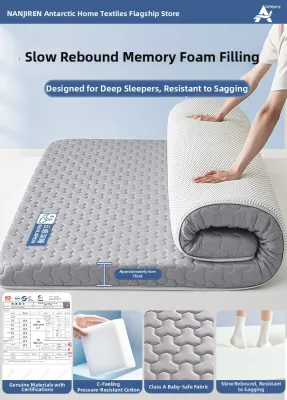
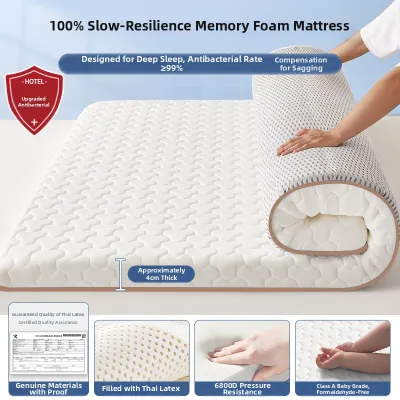
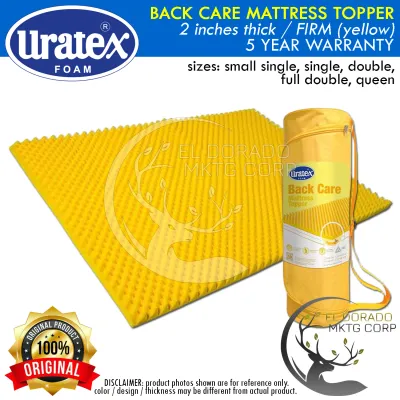
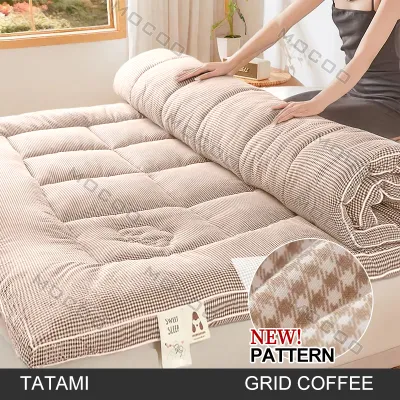
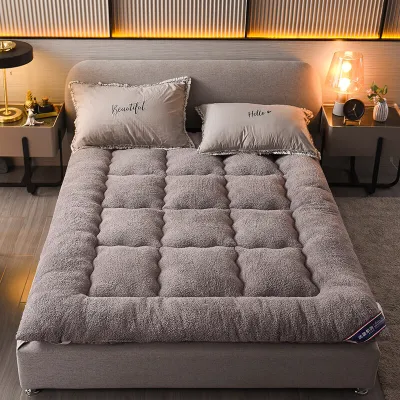
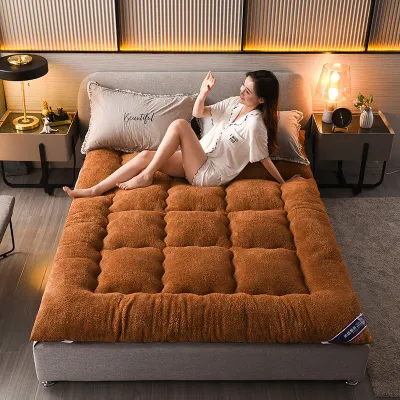
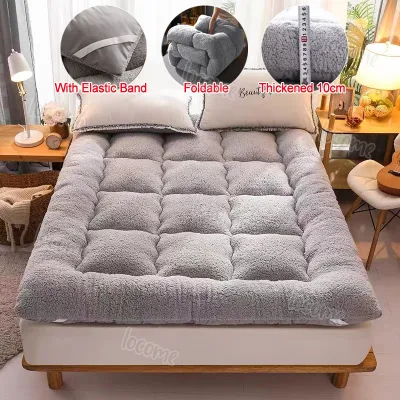
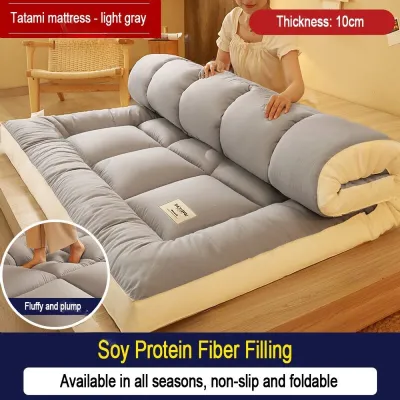
Prices are valid at publication and may change. Please refer to the product page for the latest price.

If your mattress topper is made of dense, non-porous materials, it acts as a barrier that traps both body heat and transpired moisture. This trapped heat creates a localized microclimate of warm, damp air directly under your sheets, which can disrupt your sleep cycles and cause frequent nighttime awakenings. Over time, this persistent moisture accumulation can also encourage the growth of mold, mildew, and dust mites within your bedding layers.
To evaluate how well a mattress topper will perform in a humid climate, you must look closely at three key metrics: structural airflow, heat retention tendencies, and moisture management capabilities. Structural airflow refers to how easily air can pass through the core of the topper to carry heat away. Heat retention tendencies describe whether the material itself absorbs and holds onto thermal energy, while moisture management determines how effectively the topper wicks away sweat to keep the sleeping surface dry.
Material Breakdown: Airflow, Heat Retention, and Comfort
The physical construction of a mattress topper dictates its ability to dissipate heat and allow continuous air circulation throughout the night. While some materials naturally possess a more breathable structure, manufacturing methods and overall density play equally crucial roles in determining real-world cooling performance.
Relying solely on a material’s name is rarely enough to guarantee a cool night’s sleep. To make an informed choice, you must understand how latex, memory foam, and micro-coils differ in their physical design and how these differences affect heat transfer.
Latex Mattress Toppers
Natural latex toppers are highly regarded for their resilient support and inherent breathability, which stem from their unique physical structure. Derived from the sap of rubber trees, natural latex naturally forms an open-cell matrix that allows air to pass through more freely than traditional synthetic foams. Furthermore, most latex toppers are manufactured with a pinhole design—a grid of small, vertical ventilation holes created during the molding process—which actively facilitates continuous airflow.
While natural latex generally sleeps cooler than traditional memory foam, it is still a dense material that can retain some heat when compared to open-air spring systems. Synthetic latex or blended latex options may also have a more closed-cell structure, which reduces their overall breathability. Therefore, verifying the specific composition of the latex is essential for predicting its performance in a tropical climate.
When shopping for a latex topper, you should carefully check product labels for aerated designs and natural composition certifications. Opting for a topper that pairs natural latex with a breathable, moisture-wicking cover will maximize its cooling potential. This combination helps ensure that heat is carried away from your body rather than trapped within the core of the topper.
Memory Foam Mattress Toppers
Traditional memory foam is known for its deep contouring and pressure relief, but its high-density, closed-cell structure tends to trap body heat. In a humid climate, this heat retention can become highly noticeable, as the foam conforms closely to your body and restricts air circulation around your skin. As the material absorbs your body heat, it can soften further, causing you to sink deeper and trapping even more warmth.
To address this issue, manufacturers have developed various structural modifications designed to improve heat dissipation. Open-cell memory foam features a more porous structure that allows air to move through the material more easily than traditional formulations. Additionally, some toppers incorporate gel infusions or phase-change materials intended to absorb and distribute heat away from the sleeping surface.
While these cooling technologies can provide temporary relief, modified memory foams may still gradually absorb and retain heat over a full night of sleep. It is important to verify independent breathability claims and look for lower-density foams, which generally trap less heat than ultra-dense alternatives. Checking for a well-ventilated design with physical airflow channels can also help mitigate the material’s natural tendency to retain warmth.
Spring and Micro-Coil Mattress Toppers
Spring or micro-coil mattress toppers represent a highly breathable category due to their physical construction. Because these toppers consist of miniature steel coils wrapped in fabric pockets, the vast majority of the topper’s core is actually empty space. This open design allows air to circulate freely with every movement you make, making it structurally the most breathable option available.
However, because steel coils alone do not provide a comfortable sleeping surface, spring toppers are almost always combined with comfort layers of foam, latex, or fiber. The thickness and material of these top comfort layers will ultimately dictate the surface feel and localized heat retention of the topper. If the comfort layer is made of dense, non-breathable foam, it can still trap heat at the surface, partially offsetting the airflow benefits of the coils underneath.
When considering a micro-coil topper, you should also weigh the trade-offs in comfort and support. These toppers offer a highly responsive, bouncy feel rather than the deep, body-hugging contouring of memory foam. They also provide different motion isolation properties, which means you may feel more movement from a sleeping partner compared to the dampening effect of a solid foam or latex topper.
Feature Comparison Matrix
To help you compare these three materials quickly, the following table summarizes their structural tendencies and key verification points.
| Topper Material | Airflow Potential | Heat Retention Risk | Moisture Management | Pressure Relief | Key Specs to Verify on the Label |
|---|---|---|---|---|---|
| Natural Latex | Moderate to High | Low to Moderate | Moderate | Responsive, buoyant support | Pinhole ventilation, natural latex percentage, open-cell structure |
| Memory Foam | Low to Moderate | Moderate to High | Low | Deep, contouring pressure relief | Open-cell formulation, gel or cooling infusions, foam density |
| Spring / Micro-Coil | High | Low | Moderate to High | Bouncy, active support | Comfort layer material, pocketed coil count, cover breathability |
Decision Framework: Choosing the Right Topper for Your Sleep Style
Selecting the right mattress topper for a humid climate requires balancing your personal comfort preferences with the physical properties of each material. No single option is perfect for everyone, so your decision should align with your primary sleep needs and local environmental conditions.
When to Choose Spring or Micro-Coil Toppers
- Choose a spring or micro-coil topper if maximizing structural airflow is your absolute priority and you prefer a highly responsive, traditional mattress feel.
- This option is ideal for sleepers who dislike the sensation of sinking into a mattress and want to ensure that air can circulate freely beneath them.
- It is particularly suitable if you already have a very firm mattress and want to add a layer of active, buoyant support without adding significant heat.
When to Choose Latex Toppers
- Choose a natural latex topper if you want a balanced combination of responsive support, natural materials, and moderate cooling performance.
- Latex is an excellent choice for sleepers who want pressure relief without the deep, heat-trapping hug of memory foam.
- To ensure optimal cooling, verify that the latex features an open-cell structure and a pinhole ventilation design before making your purchase.
When to Choose Memory Foam Toppers
- Choose a memory foam topper if deep pressure relief, joint cushioning, and motion isolation are your top priorities.
- If you share a bed and are easily disturbed by your partner's movements, memory foam remains the most effective option for dampening motion transfer.
- To prevent overheating in a humid climate, you must select a variant with verified open-cell manufacturing, cooling gel infusions, or physical ventilation channels.
Verify First If… Before finalizing your purchase of any mattress topper, take the time to verify several critical product specifications:
- Return Policy and Trial Period: Ensure the manufacturer offers a sleep trial, allowing you to test the topper's heat retention in your own bedroom environment.
- Exact Thickness: A thicker topper (such as 3 inches or more) will wrap more closely around your body, which can increase heat retention regardless of the material.
- Density Specs: For foam toppers, higher density often correlates with more heat retention, so look for balanced density ratings that offer support without sacrificing airflow.
- Cover Material: Confirm that the outer cover is made of a breathable, moisture-wicking fabric rather than a tightly woven synthetic polyester.
Care and Maintenance for Humid Environments
Operating a mattress topper in a humid climate requires consistent care to prevent the accumulation of moisture, which can lead to mold, mildew, and unpleasant odors. Because tropical humidity keeps the air damp, any sweat absorbed by your bedding can remain trapped within the topper’s core if not managed properly.
To control ambient moisture, make a habit of regularly airing out your topper. You can do this by stripping the bedsheets and allowing the topper to breathe in a well-ventilated room with a ceiling fan or air conditioner running. Using a dehumidifier in your bedroom can also significantly reduce the moisture levels in the air, helping your bedding dry out completely during the day.
Investing in a breathable, high-quality mattress protector is one of the most effective ways to shield your topper from sweat and spills without trapping excessive heat. Look for protectors that feature breathable, waterproof membranes designed to let air pass through while blocking liquid moisture. Avoid cheap, plastic-like protectors that can create a noisy, heat-trapping barrier on top of your bed.
Always follow the manufacturer’s specific care labels when cleaning your topper, as improper cleaning can cause permanent structural damage. Never soak a foam or latex topper in water, as these materials are highly porous and can take days to dry completely. Trapped water inside the core of a foam or latex topper will almost certainly lead to internal mold growth and degrade the material’s structural integrity. Instead, spot-clean stains gently with a damp cloth and mild detergent, and ensure the area is completely dry before replacing your sheets.
Frequently Asked Questions (FAQ)
Do cooling gel mattress toppers actually work in high humidity?
Cooling gel infusions in memory foam toppers are designed to absorb and distribute heat away from your body’s immediate contact points, providing a cooler sensation when you first lie down. However, these gel infusions do not actively lower the room’s temperature or reduce ambient humidity. In a highly humid environment, the gel can eventually reach thermal equilibrium with your body heat over several hours of sleep. Once this happens, the topper’s base foam density, structural ventilation, and cover breathability will ultimately dictate how cool the sleeping surface remains for the rest of the night.
What is the best mattress topper cover material for sweating?
When dealing with night sweats in a humid climate, natural fibers like cotton and bamboo-derived viscose are highly effective choices for a topper cover. These materials possess natural moisture-wicking properties and a breathable weave that allows heat and water vapor to escape easily. In contrast, you should avoid tightly woven synthetic covers, such as standard polyester, which tend to trap moisture and heat against your skin. A breathable cover ensures that the cooling properties of the underlying topper material are not blocked by an impermeable outer layer.
Can a mattress topper cause mold in a humid climate?
A mattress topper itself does not generate mold, but its material and usage patterns can create an environment where mold spores thrive. When you sweat during warm nights, the moisture can seep into the topper, and high ambient humidity prevents it from evaporating quickly. This trapped moisture, combined with body heat, creates a prime breeding ground for mold and mildew. To minimize this risk, always use a breathable waterproof protector, maintain good room ventilation, and avoid placing your topper directly on the floor where airflow is restricted.

Community discussion
Share your experience or ask a question. Comments are reviewed before publication.