
Quick Answer: Which Foam Sleeps Cooler in High Humidity?
In the intense heat and heavy humidity of a tropical climate, choosing the wrong mattress can turn your bedroom into a sweltering space. Neither latex nor memory foam is universally cooler for every sleeper; instead, their performance depends heavily on the specific foam structure, density, and the breathability of the outer cover.
Generally, natural latex features an open-cell, pin-core structure that promotes passive airflow, allowing body heat to escape more freely. Traditional memory foam is dense and viscoelastic, meaning it contours closely to your body and can trap heat unless it has been specifically engineered with cooling modifications. In high-humidity environments, the breathability of your mattress cover and the ventilation of your bed base are often more critical to your comfort than the foam core alone. To find the right balance, you must look beyond the material name and examine the specific construction details of each mattress.
How Latex and Memory Foam React to Heat and Moisture
Understanding how these two popular materials interact with your body heat and ambient moisture is key to making an informed decision. Memory foam is a viscoelastic material designed to respond to your body heat and weight. As it warms up, it softens and contours closely to your unique shape, distributing your weight evenly. While this provides excellent pressure relief, the deep contouring creates a “hug” effect that wraps around your body. This close contact restricts airflow around your skin, trapping body heat within the dense cellular structure of the foam. If the foam is not manufactured with open-cell technology, this trapped heat can quickly become uncomfortable, especially during warm tropical nights.
Products mentioned in this guide
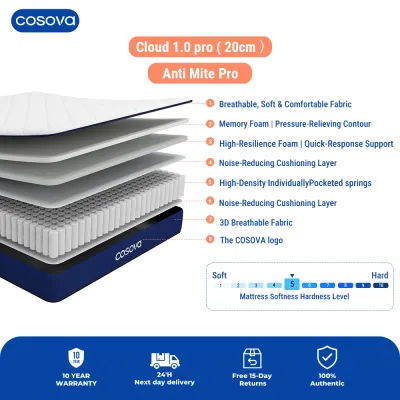
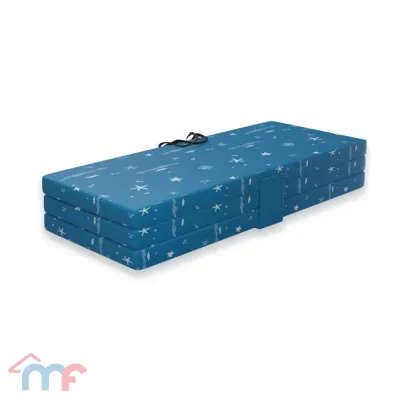
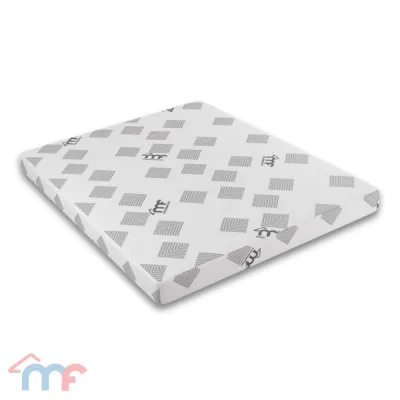

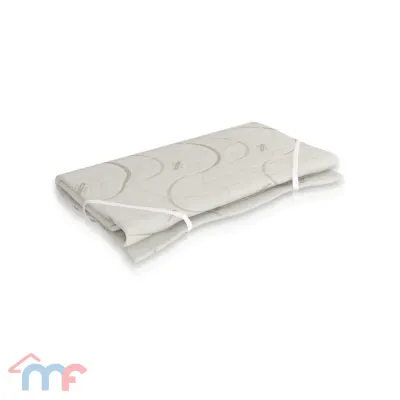
Prices are valid at publication and may change. Please refer to the product page for the latest price.

Latex foam, on the other hand, behaves very differently under pressure and heat. Whether natural or synthetic, latex is highly resilient and buoyant, offering a “floating” sensation rather than a deep sink. Because you sleep on top of the mattress rather than in it, less of your body surface is enveloped by the material, leaving more skin exposed to ambient air circulation. Furthermore, during the manufacturing of latex foam, vertical channels called pin-core holes are molded into the material. These channels act as a natural ventilation system, allowing air to pump through the mattress as you move.
Humidity adds another layer of complexity to how these foams perform. High ambient moisture in the air can affect the recovery rate and overall feel of both foams, sometimes making them feel softer or more sluggish. When humidity is high, sweat cannot evaporate easily from your skin. If your mattress cover does not wick moisture away, sweat can pool on the surface, creating a clammy, uncomfortable sleeping environment. This makes the choice of cover fabric and the internal airflow of the foam core crucial for maintaining a dry, comfortable sleep surface.
Cooling Features to Verify on Mattress Labels and Specs
Because a simple material label does not guarantee a cool night’s sleep, you must know how to read mattress specifications and labels. Manufacturers use various technologies to improve temperature regulation, and verifying these details before purchasing will help you avoid a hot bed.
Open-Cell vs. Closed-Cell Structure When shopping for a memory foam mattress, look specifically for “open-cell” technology or aerated designs. Standard memory foam often has a closed-cell structure, where the tiny bubbles within the foam are sealed, trapping air inside. Open-cell foam features interconnected pores that allow air to pass through the material when compressed. This structural difference is vital for heat dissipation, as it allows your body heat to escape through the sides and bottom of the mattress rather than reflecting back to your skin.
Infusions and Toppers Many modern memory foam mattresses incorporate infusions such as gel, copper, or graphite. These materials are designed to conduct heat away from your body. Gel-infused memory foam, for instance, uses liquid gel beads or a gel layer to absorb initial body heat. While these infusions can help keep the mattress surface cooler when you first lie down, their long-term effectiveness depends on the thickness and placement of these layers. Verify the product specifications to see if the cooling elements are located in the top comfort layer where they can actually interact with your body, rather than buried deep in the support core.
Cover Materials and Fabrics The mattress cover is your first line of defense against heat and humidity. Even the most breathable foam core will fail to keep you cool if it is wrapped in a thick, synthetic polyester cover. Look for covers made from breathable, moisture-wicking fabrics such as organic cotton, bamboo-derived rayon, or specialized phase-change materials. These fabrics help draw sweat away from your body, allowing it to evaporate quickly even in humid conditions. A high-quality cover works in tandem with the foam core to maintain a balanced sleeping temperature.
Comparing Latex and Memory Foam for Tropical Bedrooms
To help you visualize how these materials compare in a warm, humid environment, we can evaluate them across several key performance dimensions.
Airflow and Breathability Latex foam inherently leads in passive airflow due to its pin-core ventilation holes and open-cell structure. Air moves relatively freely through the mattress, carrying away warm, humid air. Memory foam requires active engineering—such as open-cell structures, ventilation channels, or gel infusions—to match this level of breathability. Without these modifications, traditional memory foam acts as an insulator, retaining heat throughout the night.
Moisture Resistance and Mold Risk High humidity creates a prime environment for mold and mildew. While neither latex nor memory foam serves as a food source for mold, trapped moisture from sweat, combined with dead skin cells, can accumulate on the surface and encourage mold growth. Latex is naturally resistant to dust mites and microbes, but it still requires proper ventilation. Memory foam, being denser, can trap moisture inside its core if it lacks adequate airflow. To mitigate this risk, both mattress types must be paired with a well-ventilated bed frame, such as a slatted base, to allow air to circulate underneath the mattress.
Surface Contact and Perceived Warmth The physical sensation of sleeping on each material directly affects how hot you feel. Memory foam’s contouring “hug” increases the surface area of your body in direct contact with the bed, which limits the skin’s exposure to room air and traps heat. Latex’s responsive, buoyant feel keeps you positioned on top of the mattress, maximizing the air flowing around your body and reducing the overall perception of warmth.
Let us summarize these structural checkpoints and ideal profiles to help guide your comparison:
| Feature | Latex Foam | Memory Foam |
|---|---|---|
| Primary Airflow Mechanism | Pin-core ventilation holes and natural open-cell structure | Engineered open-cell pores, cooling infusions, or convoluted channels |
| Sleeper Sensation | "Floating" on top of the mattress with high responsiveness | "Sinking" into a contouring, pressure-relieving hug |
| Moisture Management | High passive ventilation; requires breathable cover to manage sweat | Relies heavily on moisture-wicking covers and open-cell design |
| Ideal Bed Base | Slatted frame or ventilated platform to prevent moisture buildup | Slatted frame with close slat spacing for support and airflow |
| Best Suited For | Hot sleepers, active sleepers, and those in non-air-conditioned rooms | Sleepers seeking deep pressure relief who have air-conditioned bedrooms |
Where to Test and Buy Foam Mattresses in the Philippines
When you are ready to make a purchase, relying solely on online descriptions can be risky. Testing mattresses in person is highly recommended, especially when trying to gauge how a material reacts to your body heat.
Visiting physical showrooms allows you to experience the surface temperature, firmness, and cover texture firsthand. In the Philippines, visiting established local retailers and showrooms, such as Mandaue Foam, is an excellent way to compare latex and memory foam options side by side. When shopping for a new mattress, visiting a local showroom—such as those of the popular brand Mandaue Foam—is highly recommended. Testing a foam Mandaue mattress or other local options in person allows you to lie on the beds for at least ten to fifteen minutes. This gives the foam enough time to react to your body heat, allowing you to feel whether the material begins to trap warmth or remains comfortably cool.
While in the showroom, ask the sales representatives for detailed specifications regarding the cooling technologies used in their mattresses. Inquire about the origin of the latex, the density of the memory foam, and the specific materials used in the covers. Additionally, always check the terms of the sleep trial, return policy, and warranty coverage. Specifically, ask if damage caused by high humidity, such as mold or mildew, is covered or if it voids the warranty, as tropical climates can put extra stress on mattress materials.
Decision Framework: Choosing the Right Foam for Your Bedroom
To make your final decision, consider your personal sleep habits, your bedroom’s climate control, and your comfort preferences.
Choose Latex if:
- You naturally sleep hot and tend to sweat during the night.
- You prefer a responsive, bouncy mattress that makes it easy to move and change positions.
- You want a material with built-in, passive ventilation channels that do not rely solely on chemical infusions.
- You prefer a "floating" sensation rather than feeling enveloped by your bed.
Choose Memory Foam if:
- You require deep pressure relief for joint pain or sensitive pressure points.
- You prefer a contouring, body-hugging feel that minimizes motion transfer between sleeping partners.
- You can verify that the mattress features advanced cooling technologies, such as open-cell foam, gel infusions, and a high-quality, breathable cover.
- Your bedroom is consistently air-conditioned, which helps regulate the ambient temperature and keeps the memory foam from becoming overly warm.
Verify First if:
- Your bedroom lacks air conditioning and relies on fans, leaving the room warm and highly humid. In this scenario, prioritize a mattress with an exceptionally breathable cover, use a lightweight, non-plastic waterproof mattress protector, and ensure your bed frame allows for maximum under-bed airflow, regardless of whether you choose latex or memory foam.
Frequently Asked Questions (FAQ)
Does memory foam get moldy in humid weather?
Yes, memory foam can develop mold in highly humid environments if moisture becomes trapped within or beneath the mattress. While the synthetic polyurethane foam itself does not serve as a food source for mold, accumulated sweat, spilled liquids, and dead skin cells provide the organic material mold needs to grow. To prevent this, always use a breathable, water-resistant mattress protector that shields the foam from moisture while allowing air to circulate. Additionally, avoid placing your mattress directly on the floor; instead, use a slatted bed frame that elevates the bed and promotes continuous airflow underneath.
Can I use a cooling mattress topper to fix a hot memory foam bed?
A cooling mattress topper can provide noticeable surface relief, but it is not a complete cure for a hot memory foam bed. Adding a topper made of natural latex or highly breathable, gel-infused open-cell foam creates a supportive barrier and improves airflow directly beneath your body. This can significantly reduce the initial heat buildup and clamminess. However, because the topper sits on top of a dense, heat-retaining memory foam core, some warmth may still accumulate over several hours of sleep. A topper is an excellent, cost-effective upgrade, but verifying the core construction of your primary mattress remains the most reliable way to ensure long-term cooling.

Community discussion
Share your experience or ask a question. Comments are reviewed before publication.