
In the hot and humid climate of the Philippines, choosing the right mattress material is the difference between a restful night and waking up drenched in sweat. When comparing latex, spring, and memory foam, spring and hybrid mattresses generally sleep the coolest because their open coil structures allow heat to escape through convection. Natural latex follows closely, utilizing open-cell structures and pinhole ventilation to resist heat buildup. Traditional memory foam tends to retain the most heat, though modern formulations with open-cell designs and cooling infusions attempt to mitigate this issue.
To make an informed decision, you must look beyond generic material names. The interaction between ambient humidity, your bedroom’s ventilation, and the physical construction of the mattress determines how well it regulates temperature. Understanding these factors will help you find a bed that keeps you cool throughout the year, whether you rely on air conditioning or natural ventilation.
Understanding Heat Retention in Tropical Climates
Sleeping comfortably in tropical regions requires a mattress that can handle both high ambient temperatures and heavy humidity. Your body naturally sheds heat as you sleep. If your mattress cannot dissipate this warmth, the heat reflects back to your body, raising your core temperature and disrupting your sleep cycle.
Products mentioned in this guide
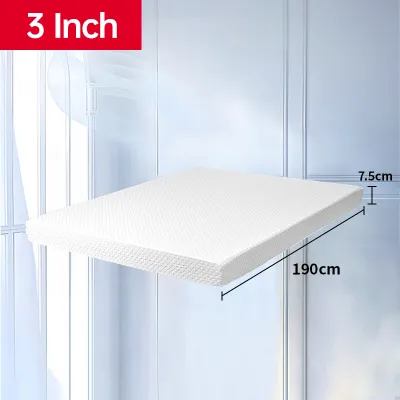
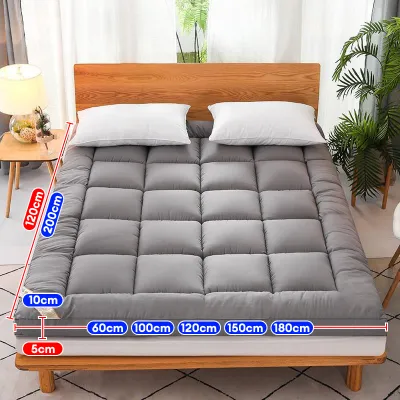
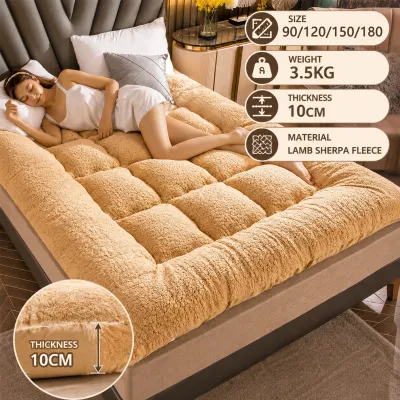
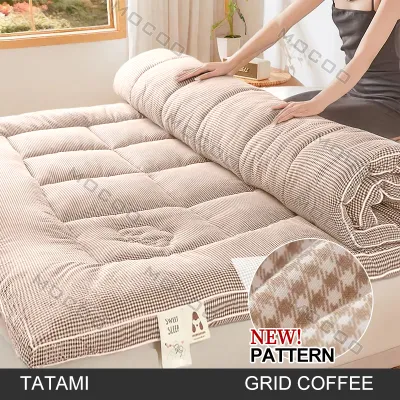
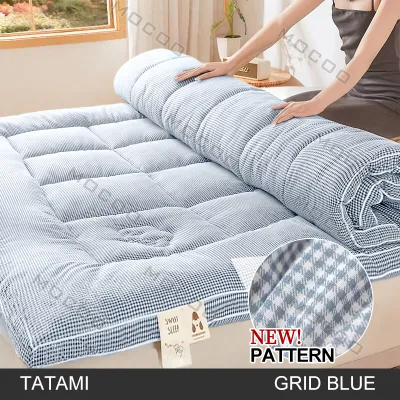
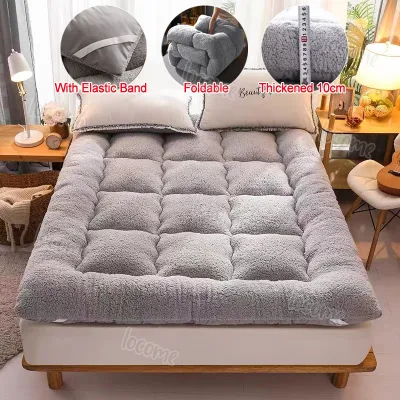
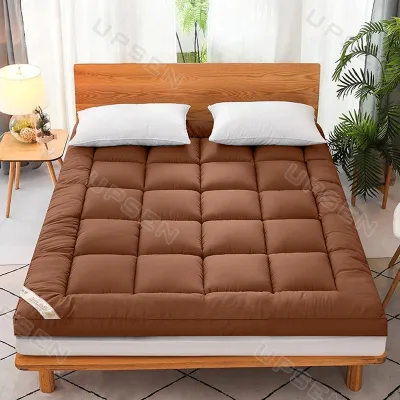
Prices are valid at publication and may change. Please refer to the product page for the latest price.
To understand how mattresses handle heat, we must look at conduction and convection. Conduction occurs when your body makes direct contact with the mattress, transferring heat into the material. Convection is the process of air moving through the mattress to carry that heat away. Dense materials with limited airflow rely solely on conduction, which quickly leads to a hot sleeping surface.
A generic material label like “latex” or “memory foam” does not guarantee a cool sleep experience. Manufacturers use widely different densities, chemical formulations, and cover fabrics that can either enhance or completely block temperature regulation. For instance, a high-quality latex core wrapped in a thick, synthetic polyester cover will still trap heat against your skin.
Your bedroom’s overall environment also sets the baseline for how well any mattress performs. In a room with active air conditioning, many materials can maintain a comfortable surface temperature. However, if you rely on ceiling fans or open windows, high ambient humidity can overwhelm passive cooling technologies, making airflow within the mattress itself absolutely critical.
Spring and Hybrid Mattresses: Maximizing Airflow
Innerspring and hybrid mattresses excel at temperature regulation because of their physical structure. Unlike solid blocks of foam, a spring mattress core consists of open space filled with steel coils. This design allows air to move freely, facilitating natural convection that carries body heat away from the sleeping surface.

Pocketed coils and open coil systems provide a continuous pathway for ventilation. As you move, the compression and expansion of the springs act like a bellows, pushing warm air out and drawing cooler air in. This dynamic airflow makes spring systems highly effective at preventing heat buildup.
However, comfort layers placed on top of these coils can create heat traps. Thick, dense pillow-tops or heavily quilted Euro-tops made from traditional polyurethane foam can restrict airflow from the coils below. If these layers are too thick or lack breathable properties, they insulate your body and negate the cooling benefits of the spring core.
You must also check the perimeter for breathable border fabrics and edge-support systems. Some hybrid mattresses use dense foam encasements around the edges to improve stability, which can block lateral airflow. Look for models featuring mesh border fabrics or ventilated edge-support foams to ensure air can escape from the sides.
Latex Mattresses: Pinhole Structures and Density
Latex mattresses are highly regarded for their natural responsiveness and breathability. Natural latex is derived from rubber tree sap, forming an open-cell structure that resists heat trapping better than synthetic foams. However, the manufacturing method plays a significant role in how well the material ventilates.
The two primary manufacturing methods, Dunlop and Talalay, result in different physical structures. Talalay latex undergoes a vacuum and flash-freezing process, creating a uniform, airy structure with enhanced airflow. Dunlop latex is denser, making it highly supportive but slightly less breathable. Both types typically feature molded pinholes—vertical channels created during vulcanization—that allow air to circulate.
Despite these natural advantages, high-density latex cores can still retain body heat if they lack proper ventilation. A very firm, dense latex mattress has less air space within its structure, limiting its ability to dissipate heat quickly. If you prefer a firmer feel, ensure the mattress has deep, well-spaced pinhole patterns to maintain airflow.
The outer cover is another critical factor that can negate natural breathability. If a manufacturer wraps a premium latex core in a thick, non-breathable fire barrier or synthetic polyester ticking, air cannot reach the latex. Verify that the cover is made from breathable, moisture-wicking materials like organic cotton, bamboo-derived rayon, or Tencel.
Memory Foam for Bed: Navigating Heat Traps and Cooling Tech
Traditional memory foam is notorious for trapping heat because of its closed-cell structure. When you lie on memory foam, it reacts to your body heat and weight, softening to contour closely to your shape. This close contouring increases the surface area of contact between your body and the bed, while the dense, closed cells trap the heat, creating a warm “sink” effect.
To address this issue, modern manufacturers offer modified memory foam for bed designs that utilize open-cell structures. Open-cell foam contains tiny, interconnected pores that allow air to pass through more freely than traditional closed-cell formulations. When selecting a foam mattress, verifying that the manufacturer specifies an open-cell design is a crucial step in avoiding heat retention.
You will also encounter various cooling infusions, such as gel, graphite, or copper. While these materials are conductive and can help draw heat away from your body initially, their long-term effectiveness depends on the overall design of the mattress. Rather than relying solely on marketing claims, look for technical specifications that explain how these infusions are integrated and whether they are paired with ventilation channels.
Phase-change material (PCM) covers are another common technology used in modern foam beds. These covers contain microcapsules that absorb heat and feel cool to the touch when you first lie down. However, PCMs have a limited heat absorption capacity; once they reach body temperature, their cooling effect diminishes, meaning they must be paired with a breathable core for sustained temperature regulation throughout the night.
Cooling Features to Verify Before You Buy
When shopping for a mattress in the Philippines, you should focus on verifiable physical specifications rather than generic marketing labels. Start by inspecting the cover fabric. Look for moisture-wicking, cellulose-based fibers such as Tencel, lyocell, or bamboo-derived rayon, which excel at pulling sweat away from your skin and evaporating it quickly in humid conditions. Highly porous, open-weave knits are also preferable to tight, heavy weaves.
Next, examine the internal construction for dedicated ventilation channels. High-quality mattresses often feature convoluted foam layers (often shaped like egg crates) or zoned airflow designs with physical channels cut into the support cores. These channels provide a clear path for air to travel, helping to dissipate heat even when the foam layers are compressed by your body weight.
Finally, verify the foundation requirements for your chosen mattress. A mattress’s cooling performance and warranty are closely tied to the bed frame it rests on. Solid platform bases can block airflow from the bottom of the bed, trapping heat and moisture. Ensure your mattress is compatible with a sturdy, slatted base that allows air to circulate freely underneath.
Decision Framework: Choosing Your Ideal Cooling Mattress
To find the right mattress for your needs, consider your sleep habits, bedroom setup, and personal comfort preferences.
Choose a spring or hybrid mattress if your primary goal is maximum airflow and you tend to sleep very hot. These beds are ideal for those who prefer a responsive, bouncy feel and want a system that actively pushes warm air out as they move. The open coil core provides the most reliable passive cooling available in non-air-conditioned environments.
Choose a latex mattress if you want a balance of responsive contouring, moderate breathability, and natural materials. Latex is excellent for sleepers who dislike the “sinking” feeling of memory foam but still want pressure relief. To ensure it sleeps cool, always verify that the mattress cover is made from highly breathable, natural fibers.
Choose a modified memory foam mattress if you require deep pressure relief, joint cushioning, and excellent motion isolation. If you share a bed and are easily disturbed by your partner’s movements, foam is the most suitable choice. However, you must strictly verify that the foam features an open-cell structure and is paired with cooling infusions or a phase-change cover to prevent heat buildup.
Before making your final purchase, evaluate your sleeping environment. If you sleep in a room without air conditioning, high ambient humidity can overwhelm the passive cooling technologies of any mattress. In these conditions, prioritizing maximum airflow through a spring mattress or a highly ventilated latex model, paired with a slatted bed frame, is the most effective way to ensure a comfortable night’s sleep.
Frequently Asked Questions (FAQ)
Do cooling mattress toppers actually work in humid weather?
Cooling mattress toppers can provide temporary relief, but their effectiveness is limited by high ambient humidity. A thin topper made from moisture-wicking materials like bamboo or Tencel can help by pulling sweat away from your body, allowing it to evaporate more easily. However, a thick foam topper, even one infused with cooling gel, can add an extra layer of insulation to your bed, trapping heat and making you feel warmer over time. For the most effective results in humid weather, focus on thin, highly breathable toppers rather than thick foam layers.
Does my bed frame affect how cool my mattress sleeps?
Yes, your bed frame plays a critical role in how cool your mattress sleeps and how well it resists moisture. A solid platform base blocks air from escaping through the bottom of the mattress, which can trap heat and lead to moisture buildup. In contrast, a slatted bed frame allows air to circulate freely underneath, enhancing the mattress’s natural ventilation. In tropical climates, this under-bed airflow is also essential for preventing mold and mildew growth. When setting up your bed, look for frames that utilize breathable support systems, such as wooden slats or modern systems that use POM for bed slat connectors, to maintain a hygienic and cool sleeping environment.

Community discussion
Share your experience or ask a question. Comments are reviewed before publication.