
Quick Answer: Which Casanova Mattress Material is Best for Hot Sleepers?
Finding a comfortable night’s sleep in a tropical climate requires a mattress that actively manages body heat and humidity. While there is no single option that works for everyone, latex and spring-based systems generally offer better inherent airflow compared to traditional memory foam.
Latex provides a buoyant, elevated feel that keeps you resting on top of the mattress rather than sinking into it, which naturally minimizes heat retention. Spring and hybrid models utilize open space between steel coils to allow continuous air circulation, making them highly effective at dissipating warmth.
Your ideal choice ultimately depends on your specific sleeping environment. If you sleep in a room with consistent air conditioning, a high-quality memory foam mattress with cooling infusions can provide excellent pressure relief. However, if you rely primarily on ceiling fans or natural ventilation, a latex or hybrid model is typically more reliable for staying cool throughout the night.
Products mentioned in this guide
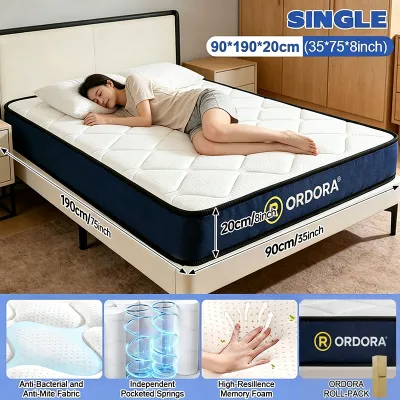
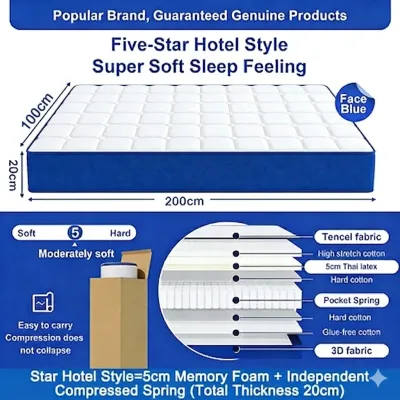
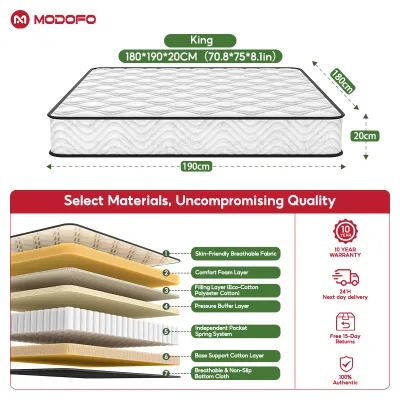


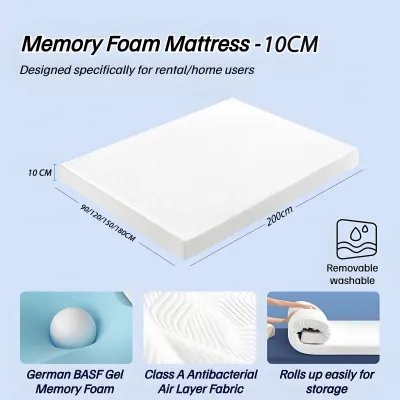
![[Vacuumed Comfy Rest Sky Max] Joyce & Diana Comfy Rest Sky Max Mattress 4/6 inches Foam Mattress](https://img.lazcdn.com/g/ff/kf/S1a9825f945734f95974019b7300801b5e.png_400x400q80.png_.webp)
Prices are valid at publication and may change. Please refer to the product page for the latest price.
Breaking Down the Three Casanova Mattress Materials
To make an informed decision, it helps to understand how different mattress constructions interact with your body and the surrounding air. The Casanova lineup features three primary material categories, each designed with distinct structural properties.

By examining how these materials are manufactured and assembled, you can better predict how they will perform in a warm, humid bedroom.
Latex Mattresses
Latex mattresses are highly regarded for their natural responsiveness and open-cell structure. Manufacturers typically produce latex using either natural sap harvested from rubber trees or synthetic compounds, with many high-quality options blending both for optimal durability.
To enhance breathability, latex layers are often manufactured with a pin-core design. This process creates a grid of small, vertical holes throughout the material, allowing air to flow freely whenever you move.
Because latex is highly resilient, it offers a buoyant sensation that supports your body weight without letting you sink deeply into the bed. This prevents the mattress from wrapping around your body and trapping heat. However, latex is exceptionally dense, making these mattresses heavier to lift and move, and they often carry a higher initial price point than basic foam alternatives.
Spring and Hybrid Mattresses
Spring and hybrid mattresses rely on a structural core of steel coils to provide support. Traditional innerspring models use interconnected coils, while modern hybrid designs combine individually wrapped pocket springs with comfort layers of foam or latex on top.
The primary advantage of any coil system is the vast amount of open space inside the mattress core. Unlike solid foam blocks, which can restrict air movement, the gaps between springs act as natural ventilation channels that allow heat to escape downward and outward.
For couples, hybrid models with pocketed coils are often chosen over traditional innersprings because they isolate motion more effectively. This design ensures that when one partner moves, the energy is absorbed locally rather than transferring across the entire sleep surface.
Memory Foam Mattresses
Memory foam, or viscoelastic foam, is famous for its deep contouring properties. It responds to your body heat and pressure, softening to cradle your joints and distribute your weight evenly across the surface.
While this contouring provides exceptional pressure relief, it also means the material hugs your body closely. In warm climates, this close fit can restrict airflow around your skin and trap body heat within the foam structure.
To counter this heat retention, look for modern memory foam variations on the product label. Features such as gel infusions, open-cell formulations, and breathable cover fabrics are designed to help conduct heat away from your body. Additionally, keep in mind that memory foam can release a temporary chemical odor, known as off-gassing, when first unpacked, and the material tends to feel firmer in cool, air-conditioned rooms and softer in warm environments.
Key Comparison Dimensions for Tropical Bedrooms
When living in a tropical climate like the Philippines, standard mattress evaluations are not always sufficient. You must consider how high temperatures and persistent humidity interact with different materials over several years of use.
Temperature Regulation
The ease with which a mattress sheds heat is a highly critical factor for hot sleepers. Spring and hybrid mattresses lead in passive temperature regulation because their open coil chambers do not retain heat. Latex follows closely, relying on its natural open-cell structure and pin-core ventilation holes to keep air moving. Traditional memory foam requires active assistance; if your bedroom does not have consistent air conditioning, a standard memory foam mattress may feel uncomfortably warm. If you prefer memory foam, verifying that the model incorporates advanced cooling technologies, such as gel-infused layers or phase-change materials, is essential for maintaining a comfortable sleep surface.
Humidity and Mold Resistance
High humidity levels can cause moisture to accumulate within a mattress, creating an environment prone to mold, mildew, and dust mites. Latex is naturally resistant to microbial growth, making it an excellent choice for humid regions, provided it is paired with a breathable cover. Spring mattresses also perform well here, as the constant airflow through the coils helps dry out any ambient moisture. Memory foam, particularly high-density varieties, can trap moisture if left on a solid, unventilated base. When shopping, check the cover fabric specifications; look for moisture-wicking materials like Tencel, bamboo-derived rayon, or cool-to-the-touch knit covers that help disperse humidity before it penetrates the core.
Edge Support and Durability
The combination of heat and humidity can accelerate the softening and degradation of certain mattress materials. Over time, lower-quality foams may lose their resilience, leading to sagging in the center and along the edges. Strong edge support is vital if you sit on the side of the bed or sleep near the edge, as it prevents the sensation of rolling off. Hybrid mattresses with reinforced steel coils around the perimeter offer highly robust edge support. Latex is also highly durable and retains its shape for many years without significant sagging. When comparing options, always verify the manufacturer’s warranty terms to see what level of visible sagging is covered, and check if the warranty remains valid when the mattress is used in high-humidity environments.
Decision Framework: Match Your Sleep Profile to the Right Material
Selecting the right mattress material is a highly personal decision that depends on your physical needs, sleeping habits, and bedroom setup. Use the following guidelines to determine which material aligns best with your profile.
Finding Your Ideal Match
- Choose Latex if: You prefer a responsive, bouncy sleep surface that makes it easy to change positions. This material is ideal for sleepers who want natural cooling properties, excellent durability, and a buoyant feel that keeps them resting on top of the mattress. It is also a great option if you prefer eco-friendly materials and do not mind a heavier mattress that requires more effort to move.
- Choose Spring/Hybrid if: You prioritize maximum airflow and want a traditional, supportive feel with plenty of bounce. This construction is highly recommended for couples who need a balance of motion isolation and edge support, as well as those who sleep in rooms without continuous air conditioning and rely on natural ventilation.
- Choose Memory Foam if: You require targeted pressure relief for sensitive joints, sleep primarily on your side, and prefer a mattress that closely contours to your body shape. This option is well suited for individuals who sleep in air-conditioned bedrooms where ambient temperatures can be kept cool enough to offset the foam's natural tendency to retain heat.
- Verify First if: You have specific material allergies, such as a latex sensitivity, or if you require specialized orthopedic support. Always check the manufacturer's specifications and consult a healthcare professional if you are managing chronic back or joint pain before making a final purchase.
Essential Pre-Purchase Checks for Your Space and Budget
Before finalizing your purchase, taking several practical steps will ensure that your new mattress fits your home, matches your existing furniture, and is protected by clear customer policies.
Measure Your Delivery Path
A common mistake is ordering a mattress that fits the bedroom but cannot physically reach it. Measure the width and height of all doorways, hallways, stairwells, and elevator cabins that the delivery team must navigate. This is especially important for dense latex mattresses and king-size hybrid models, which cannot be easily bent or compressed once unboxed.
Assess Your Bed Frame
Different mattress materials require specific types of support to prevent premature sagging and maintain structural integrity. Heavy latex and memory foam mattresses need a sturdy, unyielding foundation. If you use a slatted bed frame, check the spacing between the slats; most manufacturers recommend gaps of no more than three inches to prevent the mattress from dipping. Ensure the frame’s weight capacity can handle the combined weight of the mattress and all sleepers.
Review the Trial and Warranty Terms
Because it takes several weeks for your body to adjust to a new sleep surface, look for brands that offer a risk-free sleep trial. Read the fine print to understand the return process, including whether you are responsible for return shipping fees or pickup logistics. Additionally, examine the warranty details to confirm what constitutes a manufacturing defect, such as the exact depth of permanent sagging required to trigger a replacement.
Frequently Asked Questions (FAQ)
Do I need a specific bed frame for a latex or memory foam mattress?
Yes, solid foam and latex mattresses require a highly supportive base to prevent sagging and maintain their shape. A solid platform bed or a slatted frame with gaps no wider than three inches is generally recommended. Using a frame with wider gaps or an unstable center support can cause the mattress to dip, which can lead to back pain and may void your warranty. Always check the specific care label and warranty guidelines provided by the manufacturer to ensure your frame meets their requirements.
How can I keep my mattress cool if my room doesn't have air conditioning?
If you do not have air conditioning, you can maximize cooling by focusing on your bedding and room ventilation. Use sheets made from breathable, natural fibers like cotton, linen, or bamboo-derived fabrics, which allow heat to escape more easily than synthetic polyester. Adding a breathable, moisture-wicking mattress protector can also prevent heat from building up at the surface. To improve room airflow, position standing or ceiling fans to create a cross-breeze, and keep your window blinds closed during the hottest parts of the day to block solar heat.
Will high humidity damage my spring or foam mattress over time?
Persistent high humidity can gradually degrade mattress materials if moisture becomes trapped inside. In foam mattresses, excess moisture can soften the material prematurely, reducing its supportive qualities and potentially encouraging mold or mildew growth. For spring mattresses, high humidity can occasionally affect the internal comfort layers, though the coil core itself remains well-ventilated. To protect your investment, ensure your bedroom is well-ventilated, use a dehumidifier if necessary, and avoid placing your mattress directly on the floor where moisture can easily accumulate underneath.

Community discussion
Share your experience or ask a question. Comments are reviewed before publication.