
Quick Answer: Which Material Sleeps Coolest?
In the tropical climate of the Philippines, where high humidity and warm nights are year-round realities, choosing a mattress that regulates temperature is essential for restful sleep. A full size mattress offers a practical footprint for solo sleepers or couples in cozy bedrooms, but its material composition determines whether you wake up refreshed or uncomfortably warm.
Generally, traditional innerspring and hybrid mattresses sleep the coolest because their open coil structures allow air to circulate freely. Latex follows closely, utilizing its natural open-cell structure and manufactured pinholes to dissipate body heat. Traditional memory foam tends to retain the most heat due to its dense, contouring nature, though modern formulations attempt to mitigate this with specialized structural designs.
However, an absolute winner does not exist because cooling performance is rarely determined by the core material alone. The fabric of the mattress cover, the density of the comfort layers, and the overall construction of the transition zones play massive roles in how heat behaves at the surface.
Products mentioned in this guide
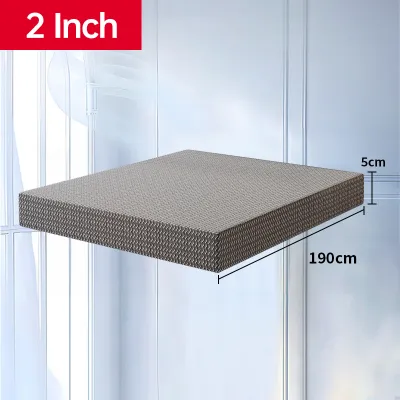
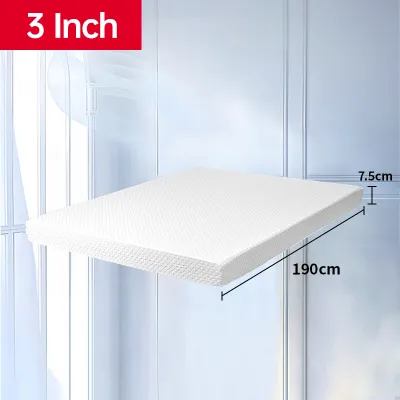
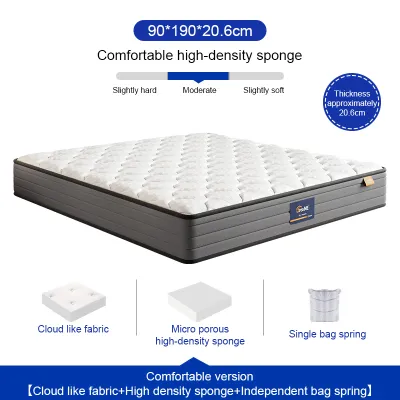
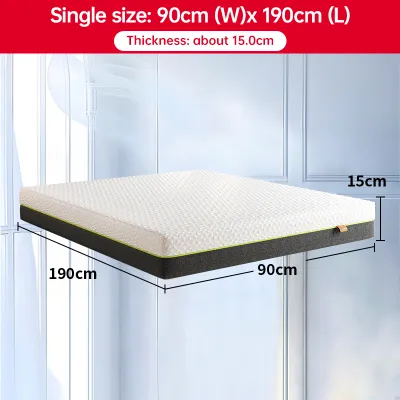
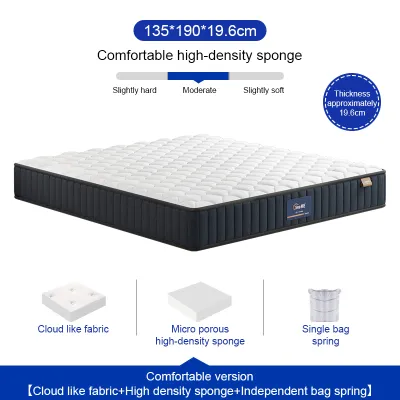
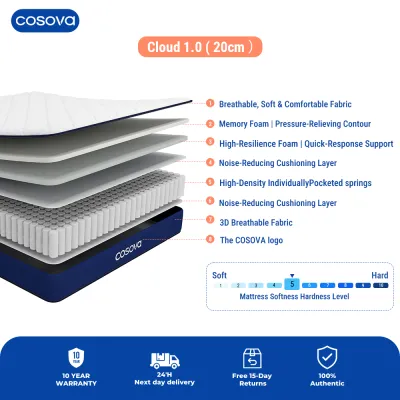

Prices are valid at publication and may change. Please refer to the product page for the latest price.
Furthermore, your personal sleeping environment—such as whether you rely on a ceiling fan, a wall-mounted electric fan, or a split-type air conditioner—will heavily influence how cool any mattress feels. Your choice of bed sheets is an equally critical variable.
How Mattress Construction Influences Temperature Regulation
To understand why some mattresses feel like furnaces while others remain comfortably neutral, it helps to look at how heat moves through different structures. Heat transfer occurs primarily through conduction (direct contact with your body) and convection (the movement of air around and through the mattress).

Solid foam blocks, whether made of polyurethane, memory foam, or high-density latex, present a physical barrier to airflow. When you lie down, body heat radiates into the material; without open pathways, this heat accumulates directly beneath you. In contrast, open coil systems consist mostly of empty space, allowing warm air to escape downward and outward rather than reflecting back to your skin.
The surface layers of the mattress are your first point of contact and have the most immediate impact on temperature perception. A highly breathable core is easily choked if the mattress cover is made of tight, synthetic polyester or if the top quilting layer is packed with dense, non-breathable fibers. Transition layers, which sit between the soft comfort top and the firm support core, must also allow air to pass through to maintain a continuous cooling cycle.
When shopping, you will frequently encounter marketing terms like “cooling gel infusions,” “phase change materials,” or “breathable open-cell foams.” While these technologies can help pull heat away from your body initially, their long-term effectiveness depends on the thickness of the treated layer and the overall composition of the mattress. A thin layer of gel-infused foam buried under a heavy, synthetic cover will do very little to keep you cool during a humid April night in Manila.
Comparing Latex, Spring, and Memory Foam for Tropical Climates
Navigating the mattress market requires a clear understanding of how latex, springs, and memory foam behave under tropical conditions. Each material handles the combination of body heat and high ambient humidity in fundamentally different ways.
Latex Mattresses
Latex is highly regarded for its natural resilience and inherent breathability, making it a popular choice for tropical climates. The material features an open-cell molecular structure that does not trap heat as easily as synthetic polyurethane foams.
During manufacturing, latex cores are typically molded with a grid of vertical pinholes. These pinholes act as built-in ventilation shafts, allowing air to pump in and out of the mattress as you move throughout the night.
When comparing types, natural latex (derived from rubber tree sap) generally offers superior breathability compared to synthetic or blended latex. Synthetic varieties often have a tighter structure, restricting airflow and retaining more warmth.
However, even a natural latex mattress can sleep warm if it is exceptionally thick and dense. High-density latex provides excellent support but offers less space for air movement, meaning it must be paired with a highly breathable, natural-fiber cover to perform well in warm rooms.
Innerspring and Hybrid Mattresses
Innerspring and hybrid mattresses are structurally designed to maximize airflow, making them highly effective at temperature regulation. The support core of these beds consists of steel coils—either interconnected (Bonnell) or individually wrapped in fabric pockets (pocketed coils).
The open space of the coil layer acts as a natural ventilation chamber. Shifting positions creates a bellows effect, pushing warm air out and drawing cooler air in.
The primary caveat with hybrids is the comfort layer resting on top of the coils. If a hybrid mattress features a thick, dense layer of traditional memory foam or a heavy pillow-top filled with synthetic fibers, it can trap heat right at the surface, neutralizing the cooling benefits of the coils below.
Before purchasing a hybrid, always verify the exact thickness, density, and material composition of the upper upholstery layers. Opt for models that use thin, aerated comfort layers or breathable transition materials to ensure the coil system can do its job.
Memory Foam Mattresses
Traditional memory foam is notorious for retaining heat, a characteristic that can be particularly challenging in a humid environment. The material is designed to react to body heat and pressure, softening to contour closely to your physical shape.
This deep contouring increases the surface area of your body in direct contact with the foam. Traditional high-density memory foam has a closed-cell structure that traps this heat, creating a warm sleeping pocket.
To address this issue, manufacturers introduce structural modifications such as open-cell designs, gel infusions, or convoluted (egg-crate) surfaces. Open-cell foams have broken cell walls that allow air to pass through more easily, while gel infusions are designed to absorb and dissipate initial body heat.
While these modifications improve performance, surface cooling treatments can lose their effectiveness over time or become overwhelmed in rooms without active air conditioning. They should be viewed as helpful enhancements rather than absolute guarantees of a cool night’s sleep.
Key Specifications to Verify Before Buying
When shopping for a full size mattress in the Philippines, relying on broad material categories is not enough. You must inspect specific product labels and technical specifications to ensure the bed can handle tropical humidity and heat.
- Cover Materials: The fabric encasing your mattress is your primary contact point. Look for covers woven from natural, moisture-wicking fibers such as organic cotton, bamboo-derived rayon, or Tencel (lyocell). Avoid heavy polyester or synthetic blends, which tend to trap moisture and create a slick, hot surface against your skin.
- Core Density and Firmness: A mattress's firmness level directly impacts how cool it sleeps. Softer mattresses allow your body to sink deeper, wrapping you in insulating material and restricting airflow. Firmer mattresses keep you positioned on top of the bed, maximizing exposure to ambient air.
- Foam Density: High-density foams (especially in memory foam) offer excellent durability and pressure relief but contain more physical material to trap heat. If you prefer a foam bed, look for medium-density options that balance support with airflow, or ensure the high-density foam features deep ventilation channels.
- Foundation Compatibility: The base supporting your full size mattress plays a critical role in overall ventilation. Placing a mattress on a solid wooden platform or a concrete floor blocks air from escaping through the bottom of the bed. Using a slatted bed frame with gaps of two to three inches allows heat and moisture to escape downward, preventing heat buildup and mold growth.
Decision Framework: Choosing the Right Mattress for Your Needs
Balance your personal comfort preferences with your bedroom’s environmental conditions using these guidelines.
- Choose an Innerspring or Hybrid Mattress if:
- Your primary goal is maximum airflow and heat dissipation.
- You prefer a responsive, bouncy sleeping surface that makes it easy to change positions.
- You sleep with a partner on a full size bed and want to prevent heat from pooling between you.
- Choose a Latex Mattress if:
- You want a balance of contouring pressure relief and natural breathability.
- You prefer eco-friendly, durable materials that naturally resist dust mites and mold in humid weather.
- You enjoy a buoyant, "floating" sensation rather than sinking deep into the mattress layers.
- Choose a Memory Foam Mattress if:
- Deep pressure relief and motion isolation are your absolute priorities.
- You are willing to verify specific cooling features, such as open-cell structures or convoluted foam layers.
- You plan to pair the mattress with highly breathable sheets and keep your bedroom well-ventilated.
- Environmental Considerations:
It is important to remember that no mattress can actively cool a room. If your bedroom lacks proper ventilation, ceiling fans, or air conditioning, high ambient humidity and heat will eventually warm any mattress surface. Ensure your sleep space has adequate airflow to allow your mattress's cooling features to function effectively.
Frequently Asked Questions (FAQ)
Does a mattress topper help cool down a hot memory foam bed?
Yes, a breathable mattress topper can act as an effective buffer zone between your body and a heat-trapping memory foam mattress. Toppers made of natural latex, open-cell polyurethane foam, or breathable wool can prevent your body heat from directly radiating into the dense memory foam core.
However, a topper alters the bed’s firmness and may block the original cover’s cooling features, making it best as a corrective measure for an uncomfortably warm mattress.
How does room humidity affect mattress temperature and longevity?
High relative humidity, common throughout the Philippines, impairs your body’s natural ability to cool itself through sweat evaporation, making any mattress feel warmer than it actually is. Additionally, excess moisture can seep into the mattress layers over time.
Using a dehumidifier or running an air conditioner periodically protects the mattress from moisture, odors, and mold. A breathable, water-resistant protector shields internal materials without trapping heat.
Are full size mattresses inherently hotter than larger sizes?
No, the physical footprint of a full size mattress does not inherently make it hotter than a queen or king size bed. Temperature regulation is entirely determined by the materials, density, and construction of the mattress layers.
However, a full size mattress offers less surface area than larger sizes. Two adults sharing a full size bed will sleep closer together, concentrating body heat and making the bed feel warmer.

Community discussion
Share your experience or ask a question. Comments are reviewed before publication.