
Sleeping comfortably in the Philippines requires a mattress that can actively combat high ambient temperatures and heavy humidity. While memory foam, latex, and spring mattresses each have dedicated followings, their physical structures behave very differently under tropical conditions. For most sleepers in hot climates, highly breathable structures like open-coil or pocket spring systems and naturally ventilated latex mattresses perform significantly better than traditional, dense memory foam, which tends to trap body heat. Choosing the right option involves looking past marketing buzzwords to evaluate the physical composition, cover fabrics, and structural ventilation of each mattress type.
In a tropical environment, your bed does not just support your spine; it acts as a thermal regulator. High humidity levels prevent sweat from evaporating efficiently, making any heat-retaining material feel stifling and damp. Therefore, the ideal mattress must facilitate continuous airflow to carry away body heat and moisture throughout the night.
Understanding how these materials interact with local climate conditions is the first step toward securing restful sleep. By analyzing the physical properties of latex, spring, and memory foam, you can make an informed decision that aligns with your personal comfort preferences, budget, and local environmental challenges.
Products mentioned in this guide
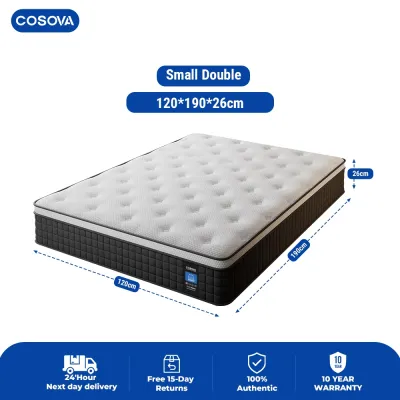
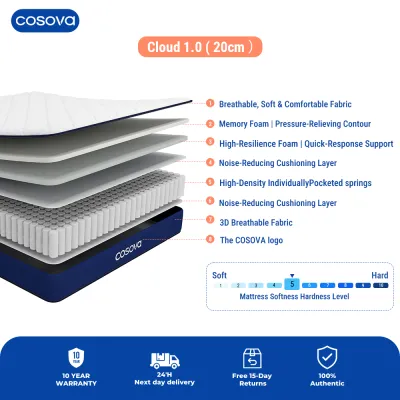
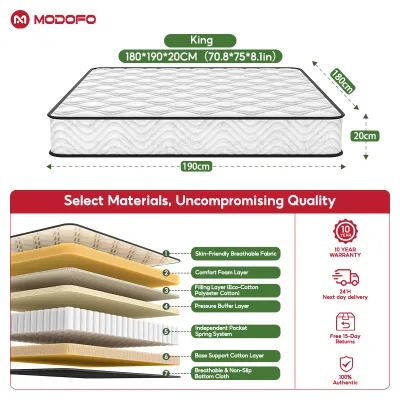
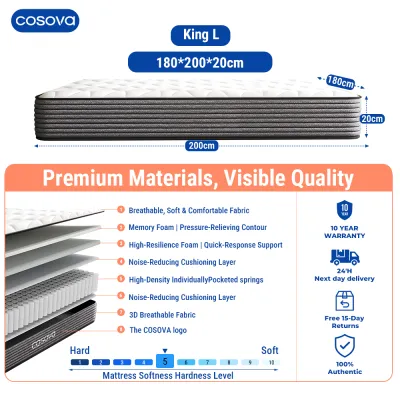
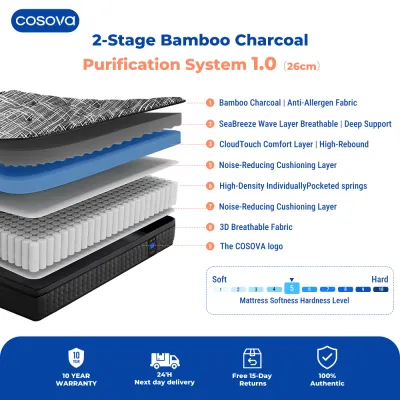
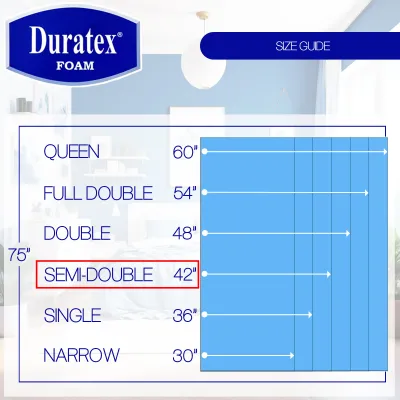
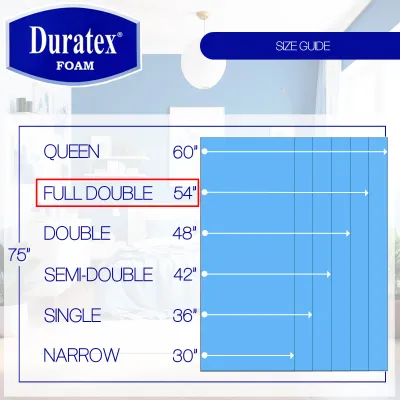
Prices are valid at publication and may change. Please refer to the product page for the latest price.
Understanding the Core Mattress Materials
To make an objective comparison, you must first understand what goes into these three distinct mattress categories. Each material relies on a unique manufacturing process that dictates how air, weight, and moisture move through the bed.
Latex mattresses are constructed from either natural sap harvested from rubber trees, synthetic polymers, or a blend of both. Natural latex is highly resilient and inherently features an open-cell structure, which allows air to pass through more freely than synthetic alternatives. During production, manufacturers typically mold latex with vertical channels, often called pin-core holes, to enhance elasticity and promote passive ventilation.
Spring mattresses, also known as innerspring or pocket spring mattresses, rely on a network of steel coils for support. Traditional innerspring models connect the coils in a single continuous grid, whereas pocket spring models encase each coil individually in fabric sleeves. Because the core of a spring mattress consists mostly of open air rather than solid material, it naturally provides the least resistance to airflow of any mattress type.
Memory foam, or viscoelastic polyurethane foam, is a synthetic material engineered to soften in response to body heat and pressure. This characteristic allows it to contour closely to your body shape, distributing weight evenly and relieving pressure points. However, traditional memory foam features a dense, closed-cell structure that restricts air movement, meaning it tends to absorb and retain body heat rather than letting it dissipate.
When shopping, always read the product specifications and law labels carefully. Manufacturers often blend materials—such as placing a thin layer of memory foam over a pocket spring core—so identifying the exact composition of each layer is essential for predicting how the mattress will perform in a warm room.
Evaluating Heat Dissipation and Breathability in Tropical Conditions
Heat dissipation is the single most critical factor when choosing a mattress for a hot and humid climate. If a mattress cannot shed heat, your body temperature will rise, leading to restless tossing and turning.

Innerspring and pocket spring systems excel at temperature regulation because of their hollow cores. The vast open spaces between the steel coils allow air to circulate freely with every movement you make. When you roll over, warm air is pushed out of the sides of the mattress, and cooler ambient air is drawn in, preventing heat from building up around your body.
Latex occupies a middle ground in terms of thermal performance. While solid latex is denser than a spring system, its open-cell molecular structure and molded ventilation holes allow for moderate airflow. Natural latex generally runs cooler than synthetic latex because the organic material does not retain heat as intensely as petroleum-based chemical compounds. However, the overall cooling efficiency of a latex mattress still depends heavily on the density of the foam and the presence of functional air channels.
Traditional memory foam is notoriously prone to heat retention in tropical climates. Because the material relies on your body heat to contour and soften, it acts as an insulator, trapping warmth directly beneath you. In a room without continuous air conditioning, this heat-trapping effect can create a warm, sinking sensation that many sleepers find uncomfortable in high humidity.
Regardless of the core material, the mattress cover fabric plays a decisive role in temperature regulation. A highly breathable core is of little use if it is wrapped in a thick, tightly woven synthetic cover that traps moisture. Look for mattress covers made from breathable, moisture-wicking fibers such as bamboo-derived rayon, tencel, or high-quality cotton, which help draw sweat away from your skin and facilitate rapid evaporation.
Comparing Support, Moisture Management, and Durability
Beyond immediate cooling comfort, a mattress in a humid climate must withstand the structural challenges posed by persistent moisture. High humidity can accelerate the degradation of certain materials and foster an environment ripe for mold, mildew, and dust mites.
Dense foams, particularly low-density memory foams, are highly susceptible to moisture absorption. When humid air and sweat penetrate deep into a dense foam core, the moisture can become trapped, gradually softening the foam and causing it to sag prematurely. Over time, this moisture buildup can also lead to unpleasant odors and hygiene issues if the mattress is not properly ventilated.
Spring mattresses do not trap moisture in the same way foams do, but they present a different vulnerability: the potential for rust. In coastal or exceptionally humid regions, untreated steel coils can oxidize over time, leading to squeaking, structural weakness, and a loss of support. To mitigate this risk, look for manufacturers that use rust-resistant coatings or high-tensile, tempered steel for their coil systems.
To protect your investment, always review the manufacturer’s warranty guidelines before purchasing. Pay close attention to the specific sagging thresholds—the depth of permanent indentation required to trigger a warranty claim—and verify whether the warranty remains valid under local tropical conditions. A robust warranty should cover structural defects and abnormal sagging, provided the mattress has been supported by an appropriate foundation.
Proper maintenance is essential to prolonging the lifespan of any mattress type in a humid environment. Avoid placing your mattress directly on the floor or on a solid wood platform, as these setups block airflow from the bottom, trapping moisture underneath. Instead, use a slatted bed frame that allows air to circulate beneath the mattress, and rotate the bed 180 degrees every few months to ensure even wear and balanced moisture exposure.
Decision Framework: Choosing the Right Mattress for Your Needs
Selecting the ideal mattress involves matching your personal sleep habits, physical requirements, and budget to the strengths of each material. Use the following guidelines to narrow down your options.
Choose a spring or hybrid mattress if you prioritize maximum airflow, prefer a bouncy and responsive feel, or are shopping on a budget. High-quality pocket spring models offer excellent localized support and motion isolation while keeping prices competitive, often ranging from entry-level options to premium investments in ₱.
Choose a latex mattress if you want a durable, resilient bed with natural cooling properties, excellent pressure relief, and a responsive, “on-top-of-the-bed” feel. While natural latex mattresses generally require a higher upfront investment in ₱, their long-term durability and resistance to sagging often make them a highly cost-effective choice over time.
Choose a memory foam mattress only if you sleep in a consistently air-conditioned room, require deep pressure relief for joint pain, and prefer a contouring, hugging sensation. If you select memory foam, prioritize high-density foams and ensure the mattress features an advanced, breathable cover fabric to offset the material’s natural heat retention.
When evaluating specific brands, such as a Cossovo mattress, do not rely solely on general category descriptions. Take the time to verify the exact specifications of the model you are considering. Check the density of the foam layers, inspect the breathability of the cover fabric, and look for clear explanations of how the internal layers are structured to promote airflow.
Verify first if you have specific health concerns, such as severe respiratory allergies or chronic orthopedic conditions. In these cases, consult a healthcare professional for personalized advice, and look for certified material labels—such as OEKO-TEX or CertiPUR-US—to ensure the mattress is free from harmful emissions and meets strict standards for physical performance.
Frequently Asked Questions (FAQ)
Do cooling gel memory foam mattresses actually work in high humidity?
Cooling gel infusions can help absorb initial body heat when you first lie down, providing a temporary cooling sensation. However, in a consistently hot and humid room, the gel will eventually reach thermal equilibrium with your body temperature. Once this happens, the dense structure of the memory foam will continue to retain heat. For sustained cooling throughout the night, look for mattresses that combine gel-infused layers with active ventilation features, such as pocket springs or highly breathable cover fabrics, rather than relying on gel alone.
How can I prevent mold and mildew on my mattress in a humid climate?
To prevent mold and mildew, always use a breathable, water-resistant mattress protector that shields the core from sweat while allowing air to circulate. Ensure your bedroom has adequate ventilation by using fans, dehumidifiers, or air conditioning to lower indoor humidity levels. Never place your mattress directly on the floor or on a solid, unventilated base; instead, use a slatted bed frame with gaps of no more than three inches to facilitate continuous airflow underneath the mattress. Finally, strip the bedding periodically and let the mattress air out near a window with indirect sunlight.

Community discussion
Share your experience or ask a question. Comments are reviewed before publication.