
Selecting the right mattress material for a double bed in the Philippines requires balancing personal comfort with the realities of a tropical climate. High humidity and warm nights can turn an otherwise comfortable bed into a heat trap, directly affecting your sleep quality. While there is no single material that outperforms the others in every category, understanding how latex, spring, and memory foam handle heat, moisture, and support will help you make an informed decision.
A double-size mattress, measuring approximately 54 inches by 75 inches, is a popular choice for couples or solo sleepers who want extra room. However, the material you choose determines how well the mattress breathes, how it supports your body, and how long it will last under local environmental conditions. By examining the physical structure of each material, you can identify which option aligns best with your home’s ventilation and your personal sleep preferences.
Comparing Mattress Core Structures for Tropical Climates
To understand how a mattress performs in a warm climate, you must first look at its internal architecture. The core structure of a mattress dictates how air flows through the bed and how the material responds to body weight.
Products mentioned in this guide
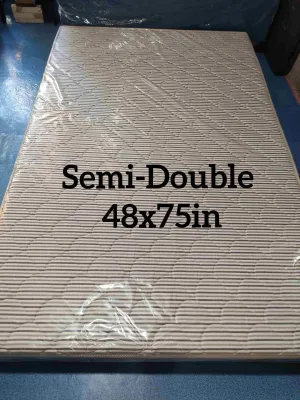
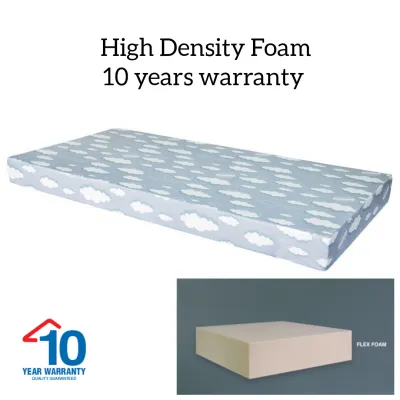
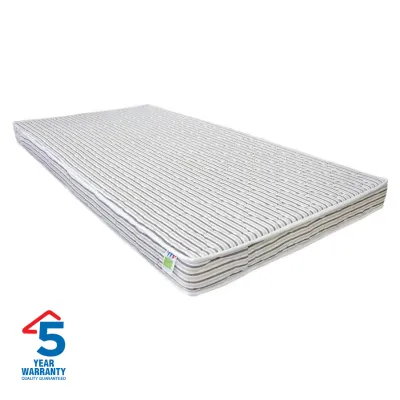
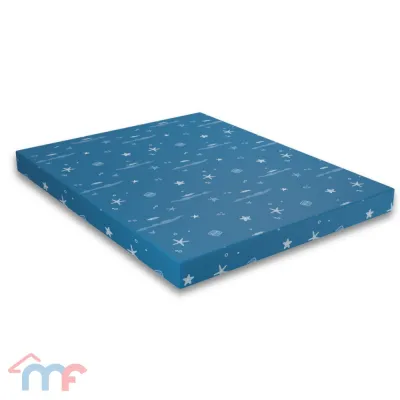
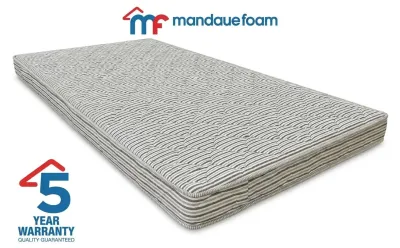
Prices are valid at publication and may change. Please refer to the product page for the latest price.
Latex mattresses are typically constructed from solid blocks of natural or synthetic latex foam. To make these dense blocks suitable for sleeping, manufacturers mold them with a grid of vertical pinholes. These pinholes serve as vital pathways for air to circulate when you move. The density of the latex determines its overall firmness, but the presence of these open channels is what prevents the material from becoming a solid block of trapped heat.
Spring mattresses, including traditional innerspring and modern pocket spring systems, rely on a network of metal coils. The defining characteristic of a spring mattress is the vast amount of open space within its core. Because the coils are surrounded by air rather than solid material, air can move freely through the entire mattress. Pocket spring systems encase each coil in an individual fabric sleeve, which slightly reduces open space compared to open-coil systems but still offers significantly more ventilation than solid foam alternatives.
Memory foam mattresses consist of polyurethane treated with chemicals to increase its density and viscosity. This creates a material that reacts to body heat and pressure, contouring closely to your shape. Structurally, standard memory foam is a dense, closed-cell material. Because the cells are tightly packed, there are fewer natural pathways for air to escape. While some memory foam cores feature open-cell designs or structural channels to encourage airflow, the material inherently lacks the open space found in spring systems or the molded pinholes of latex.
Assessing Breathability and Heat Retention
In the Philippines, where nighttime temperatures and humidity levels remain high for much of the year, breathability is often the most critical factor in mattress satisfaction. A mattress that retains heat can cause discomfort, leading to restless nights and increased reliance on air conditioning.

When evaluating memory foam, it is essential to look beyond the basic material category and inspect the product specifications for cooling enhancements. Because standard memory foam naturally retains heat, manufacturers often incorporate cooling gels, phase-change materials, or open-cell formulations to mitigate this issue. When shopping, check the product labels or specifications for terms like “gel-infused” or “open-cell technology.” These features are designed to absorb and dissipate heat, though their effectiveness can vary depending on the room’s ambient temperature and humidity.
In contrast, spring mattresses have an inherent structural advantage when it comes to airflow. The open space between the coils acts as a natural ventilation system. Every time you move, the compression and expansion of the springs push warm air out and draw cooler air in. This passive ventilation makes spring mattresses highly effective at maintaining a neutral temperature, even in rooms without continuous air conditioning.
Latex occupies a middle ground. While it is a foam, the molded pinhole patterns allow for decent breathability. Natural latex also tends to retain less heat than synthetic memory foam because it does not rely on body heat to contour to your shape. However, the overall breathability of any mattress is also heavily influenced by its cover. Look for mattresses wrapped in breathable fabrics like bamboo-derived rayon, cotton, or specialized knit covers designed to wick away moisture and promote surface airflow.
Evaluating Support, Humidity Resistance, and Care Requirements
The tropical climate of the Philippines presents unique challenges for mattress maintenance. High humidity can encourage the growth of mold, mildew, and dust mites, while constant moisture can accelerate the degradation of certain materials.
Before purchasing, always check the product tag or manufacturer manual for weight capacity and firmness ratings. A mattress that is too soft for your body weight will allow you to sink too deeply, wrapping the material around your body and increasing heat retention. Edge support is another critical specification, especially for a double bed shared by two people. Strong edge support, often found in high-quality spring mattresses or high-density foam borders, prevents the edges from sagging and maximizes the usable sleeping surface.
To protect your investment from humidity, proper care is essential. Using a breathable, waterproof mattress protector is highly recommended. This shield prevents sweat and ambient moisture from penetrating the mattress core, which is particularly important for memory foam and latex, as deep moisture can lead to internal mold growth. Additionally, ensure your bed frame allows for adequate ventilation. A solid platform bed can trap moisture underneath the mattress, whereas a slatted frame allows air to circulate freely beneath the bed.
Finally, review the manufacturer’s warranty terms carefully. Pay close attention to what constitutes acceptable sagging—usually measured in fractions of an inch—and the specific foundation requirements. Using an unapproved frame can void your warranty and lead to premature sagging, particularly in heavy latex or pocket spring mattresses.
Decision Framework: Matching Material to Your Sleep Needs
Choosing the right mattress material involves matching these physical characteristics to your specific sleeping habits, body type, and home environment.
Choose Latex if you prefer a responsive, bouncy feel and want a material that naturally resists dust mites and mold. Latex is ideal for sleepers who dislike the “sinking” sensation of memory foam and prefer to sleep “on top” of the mattress rather than “in” it. It offers excellent support and durability, making it a strong candidate for those willing to invest in a long-lasting option, provided they verify the density and firmness levels match their comfort preferences.
Choose Spring if your primary concern is staying cool and you prefer traditional, robust support. Spring mattresses, especially pocket spring models, are excellent for couples because they offer localized support and decent motion isolation while maintaining maximum airflow. This type is highly suitable for rooms that rely on electric fans rather than constant air conditioning, as the open coil structure maximizes passive cooling.
Choose Memory Foam if you require targeted pressure relief for joint pain and prioritize excellent motion isolation. If your partner tosses and turns, memory foam is highly effective at absorbing movement. However, if you choose memory foam in a tropical climate, you must verify that the model includes active cooling features, such as gel infusions or a highly breathable cover, to prevent overheating.
Verify first if the specific model you are considering offers a trial period or a clear return policy. Because comfort is subjective, testing the mattress in your own home under actual climate conditions is the most reliable way to ensure it meets your needs. Always check the exact specifications for firmness, as one brand’s “medium-firm” may feel different from another’s.
Planning for a Double Size Bed: Dimensions and Room Fit
A double-size mattress is a versatile choice, but it requires careful spatial planning to ensure a comfortable bedroom layout and a smooth delivery process.
Before ordering, measure your bedroom carefully. A standard double mattress requires a bed frame that will take up a significant portion of a typical bedroom. Ensure you leave at least two to three feet of walking clearance on both sides and at the foot of the bed. This space is necessary not only for easy movement but also to allow wardrobe doors, drawers, and bedroom doors to open fully without obstruction.
Logistics are equally important. Measure your home’s entryways, including front doors, hallway corners, stairwells, and elevator cabins. While some foam mattresses are shipped compressed in a box, making them easier to maneuver, traditional spring mattresses and solid latex blocks are delivered at their full size. Ensuring the delivery team can safely transport the mattress to your bedroom without damaging the walls or the mattress itself is a crucial step.
Lastly, verify the exact dimensions of the mattress from the manufacturer’s product sheet. While “double” is a standard term, actual measurements can vary by an inch or two between brands. Compare these measurements with your existing bed frame or the frame you plan to purchase to guarantee a perfect fit, preventing overhang or gaps that could compromise support.
Frequently Asked Questions (FAQ)
How often should I rotate my mattress in a humid climate?
You should generally rotate your mattress every three to six months, following the manufacturer’s specific guidelines. Regular rotation helps distribute body weight evenly across the surface, preventing permanent body impressions and uneven wear. In a humid climate, rotating the mattress also helps expose different parts of the bed to airflow, reducing the risk of localized moisture buildup from sweat.
Does a slatted bed frame improve mattress breathability?
Yes, a slatted bed frame significantly improves mattress breathability by allowing air to flow freely beneath the mattress. This underside ventilation is crucial in humid environments to prevent moisture from condensing between the mattress and the frame, which can lead to mold. However, you must check your mattress warranty for specific slat spacing requirements, as slats that are too far apart can cause the mattress to sag and may void your coverage.

Community discussion
Share your experience or ask a question. Comments are reviewed before publication.